Identify shapes Worksheets for Ages 3-8
13 filtered results
-
From - To
Discover our engaging Identify Shapes Worksheets designed for children aged 3-8! These printable resources help young learners develop essential shape recognition skills while having fun. Each worksheet features colorful illustrations and interactive activities that encourage creativity and spark curiosity. Kids will explore various shapes, from circles and squares to triangles and rectangles, enhancing their understanding through hands-on practice. Ideal for classroom use or at-home learning, our worksheets promote critical thinking, fine motor skills, and cognitive development. Perfect for early-grade teachers and parents, these educational tools offer a delightful way to support your child's foundational math skills. Start shape-sleuthing today!
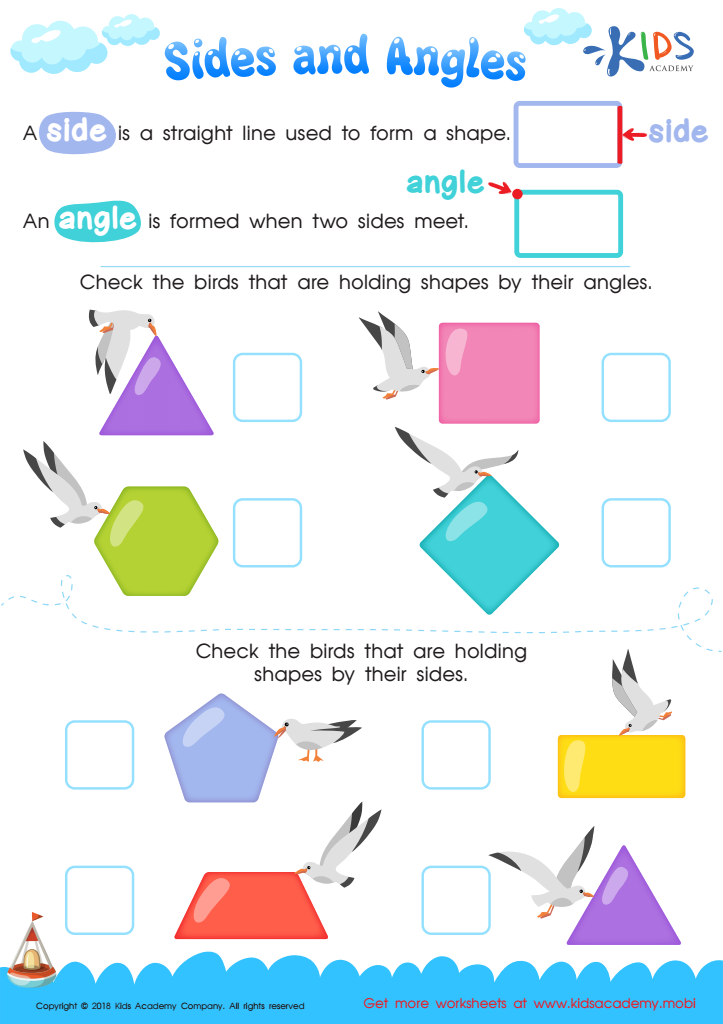
Sides and Angles Worksheet
 Assign to My Students
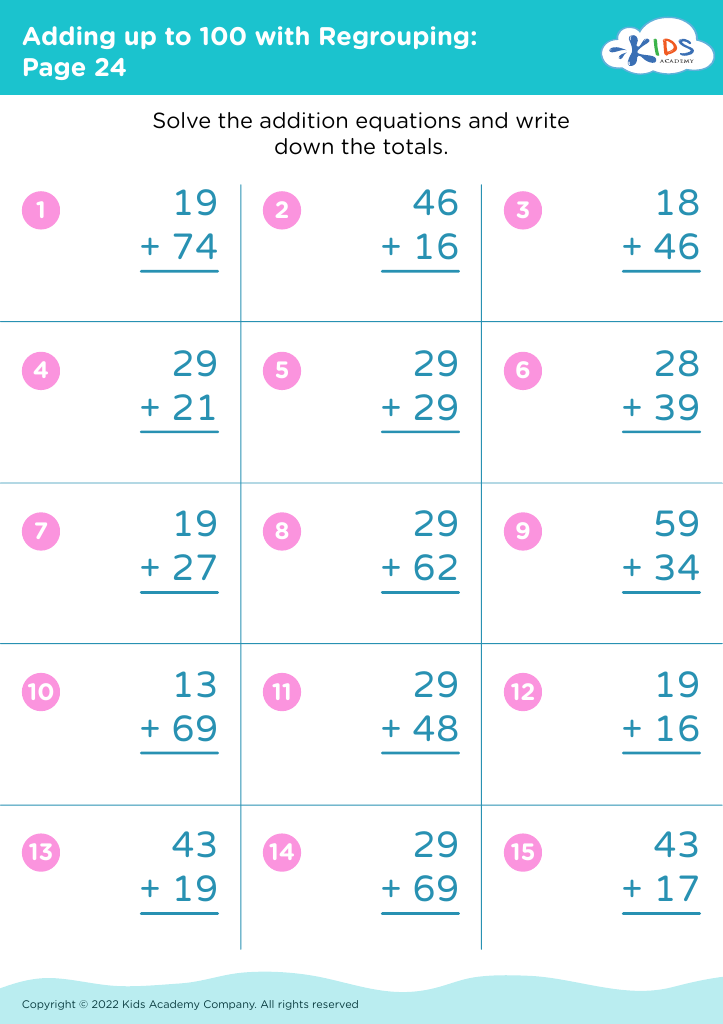
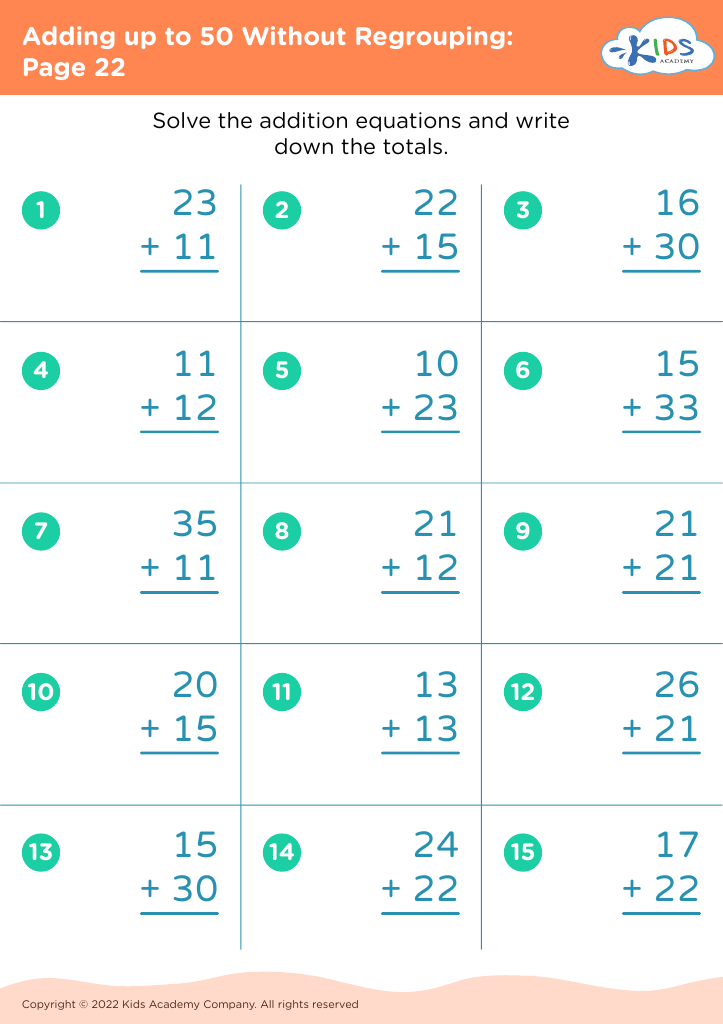
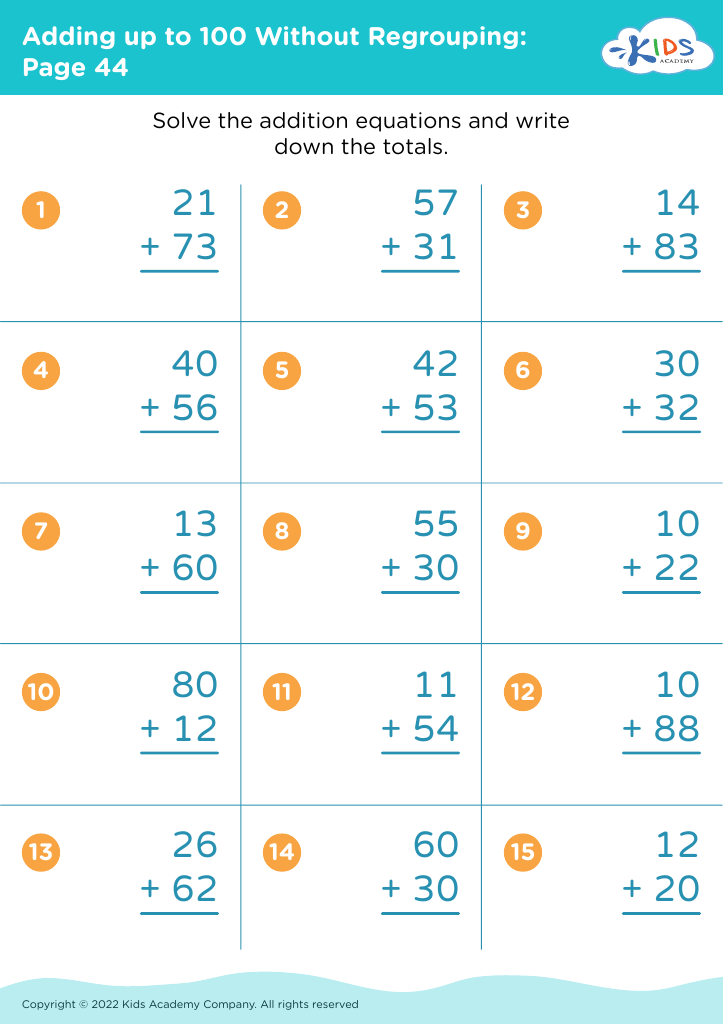






Identifying shapes is a foundational skill for children aged 3-8 that lays the groundwork for essential cognitive and mathematical development. Understanding shapes introduces young learners to geometry, which is a key area of mathematics. Recognizing and naming basic shapes—such as circles, squares, triangles, and rectangles—helps children develop spatial awareness and enhances their ability to observe, measure, and interact with the world around them.
By learning to identify shapes, children also improve their critical thinking and problem-solving skills. These skills transfer to various areas of learning, from understanding patterns in math to organizing thoughts in literacy. Furthermore, integrating shape recognition into everyday activities—like playing with building blocks or shape-related games—makes learning fun and engaging.
Parents and teachers should also recognize how shape identification contributes to language development. As children describe, compare, and categorize different shapes, they expand their vocabulary and communication skills. Moreover, connecting shape activities with art, nature, and real-life experiences fosters creativity and encourages observation.
Overall, prioritizing shape identification from ages 3-8 empowers children with crucial skills that support their academic journey, promote cognitive growth, and encourage a lifelong love of learning.








