Identifying characters Worksheets for Ages 3-8
3 filtered results
-
From - To
Discover our engaging "Identifying Characters Worksheets" designed for children ages 3-8, which focus on enhancing their comprehension and critical thinking skills. Through colorful illustrations and relatable characters, these worksheets provide a fun and interactive way for young learners to identify and distinguish between various characters from stories and everyday life. Perfect for classrooms or at-home learning, these activities help children develop their observation skills and boost their confidence in character recognition. Our easy-to-follow worksheets cater to different learning styles, ensuring an enjoyable educational experience. Start your child’s journey in character identification today and watch their imagination flourish!
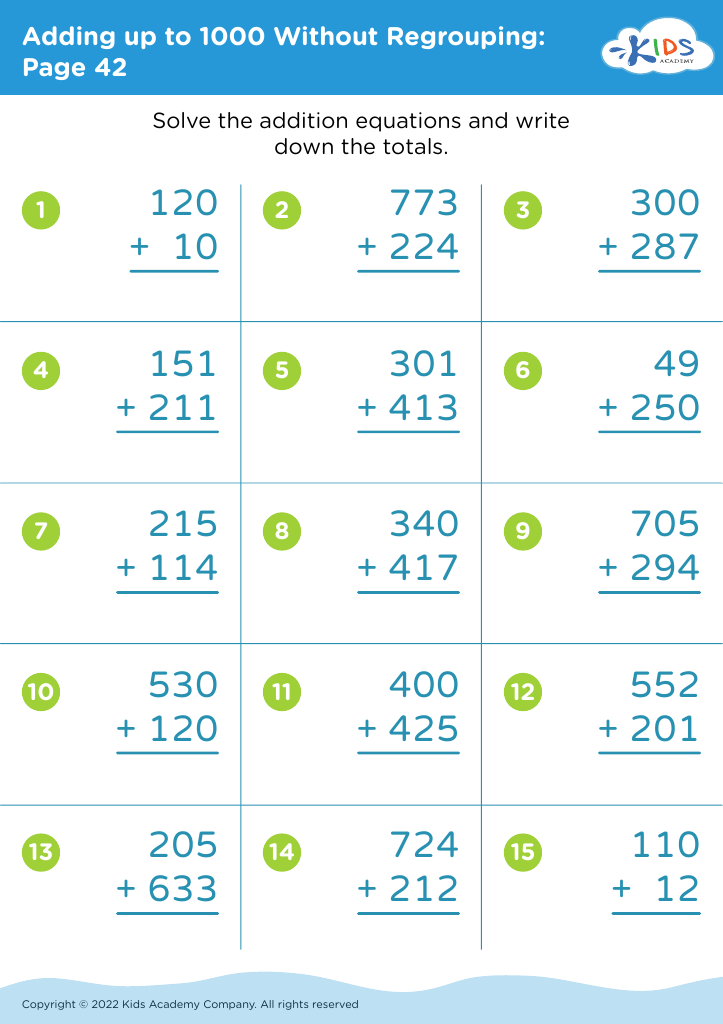
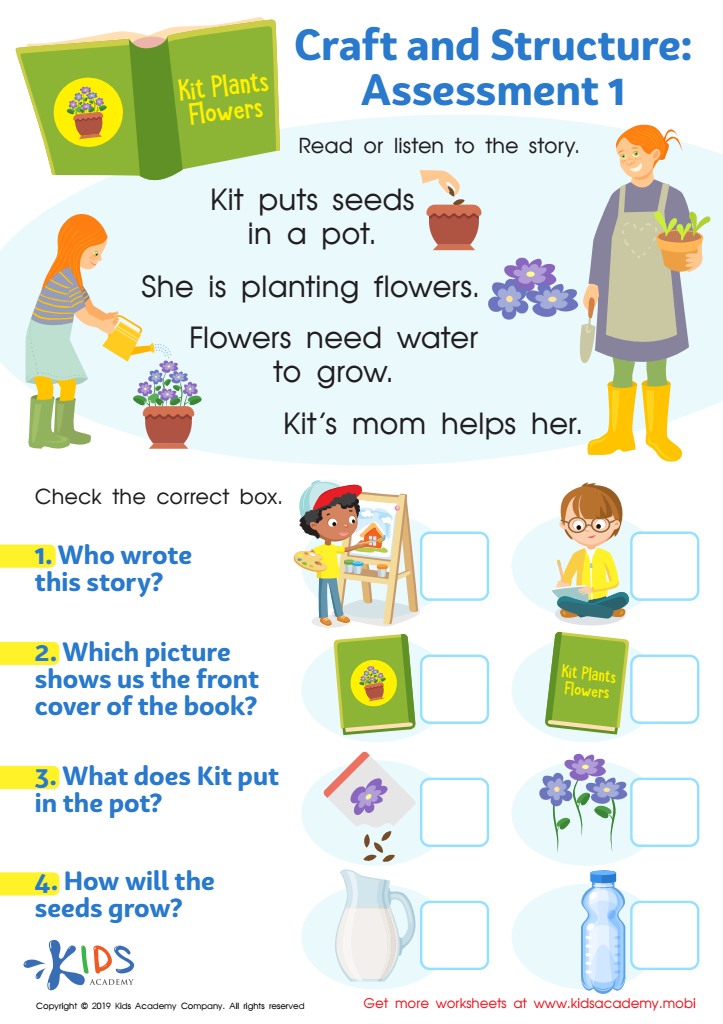
Craft and Structure: Assessment 1 Worksheet
 Assign to My Students
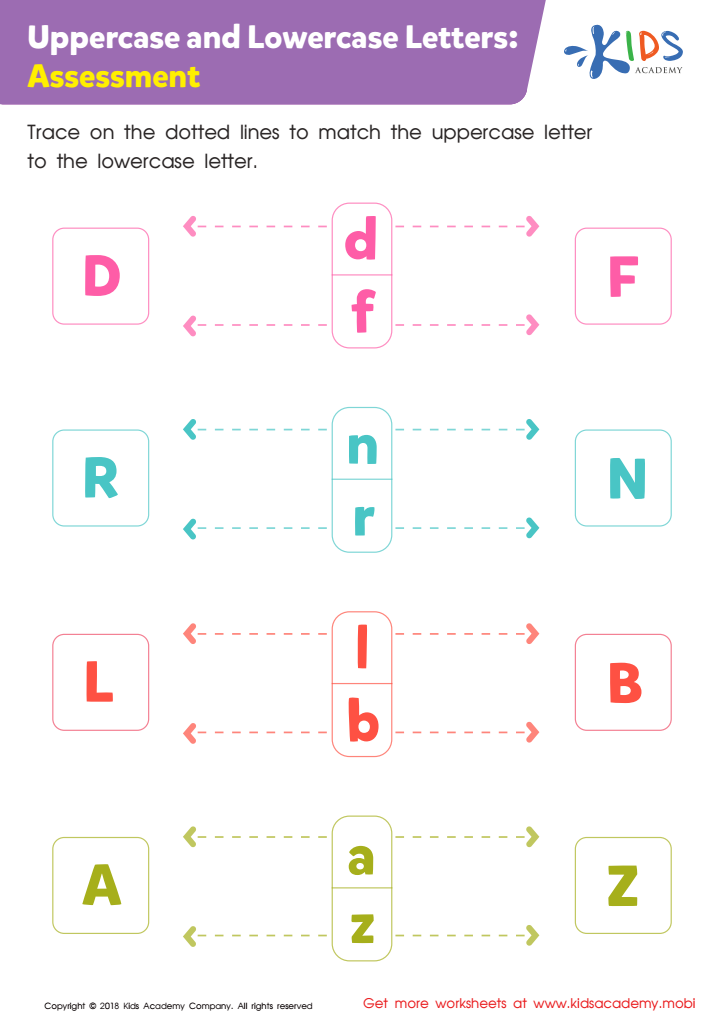
Uppercase and Lowercase Letters: Assessment Worksheet







Identifying characters is a crucial skill for children aged 3-8, and parents and teachers should care deeply about fostering this ability. At this age, children are developing foundational literacy skills, understanding narratives, and learning social-emotional contexts. Recognizing characters in stories helps children comprehend the roles, motivations, and relationships depicted in various narratives, which in turn enhances their critical thinking and empathy.
When children can identify characters, they engage more actively with the material, becoming interested in what happens next and understanding the story’s moral lessons. This interaction boosts their vocabulary and enhances their ability to articulate thoughts and feelings. Moreover, discussing characters can enrich conversations, encouraging children to express their opinions, ask questions, and make predictions.
For educators, teaching children to identify characters can lead to deeper discussions about themes, friendship, and conflict resolution, all essential components of emotional intelligence. For parents, it becomes a valuable bonding activity that cultivates a love for reading and storytelling.
Ultimately, helping children identify characters not only supports literacy development but also nurtures essential life skills, setting the stage for richer, more meaningful interactions with literature and the world around them.








