Improve number recognition Worksheets for Ages 3-8
17 filtered results
-
From - To
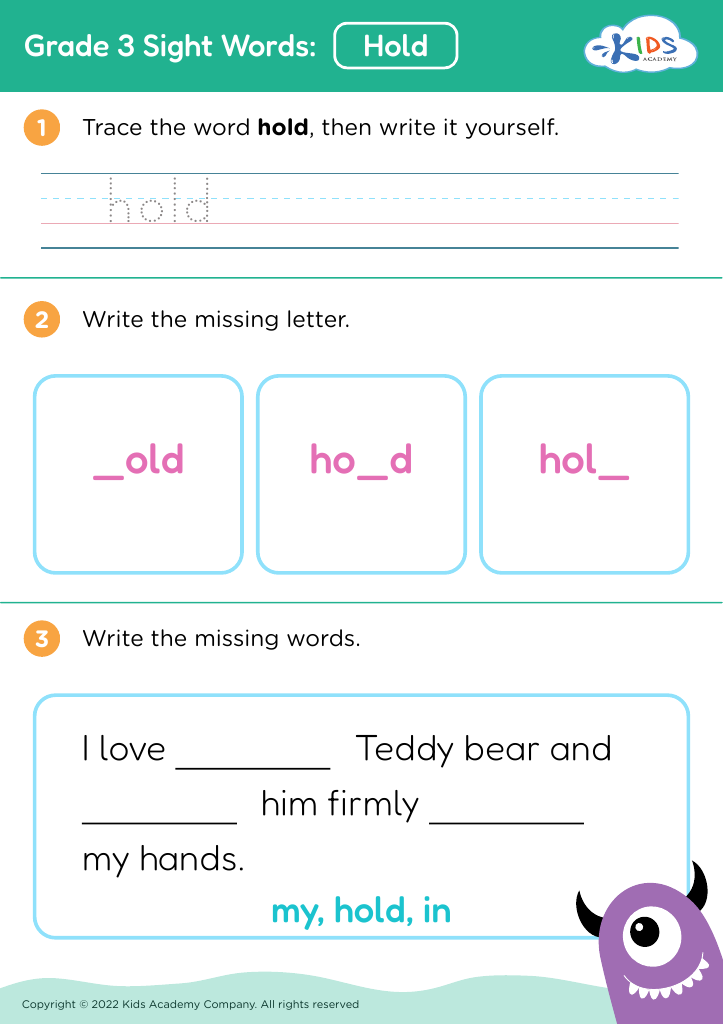
Enhance your child's numerical abilities with our "Improve Number Recognition Worksheets for Ages 3-8". These engaging and interactive worksheets are expertly designed to boost early math skills in young learners. Tailored for guided learning, they combine fun activities with educational value, ensuring kids grasp numbers effortlessly. Parents and educators can save time and find peace of mind with worksheets that cater to different age groups and accommodate various learning styles. Perfect for home or classroom use, help children build confidence and a solid foundation in numeracy with our dynamic and captivating number recognition worksheets.
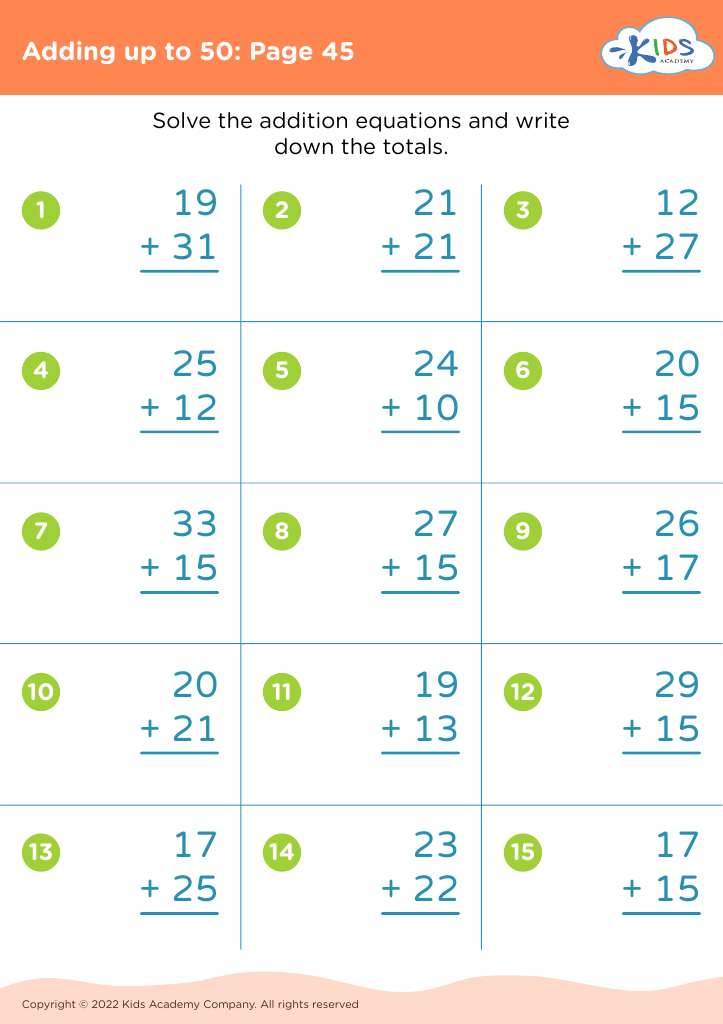
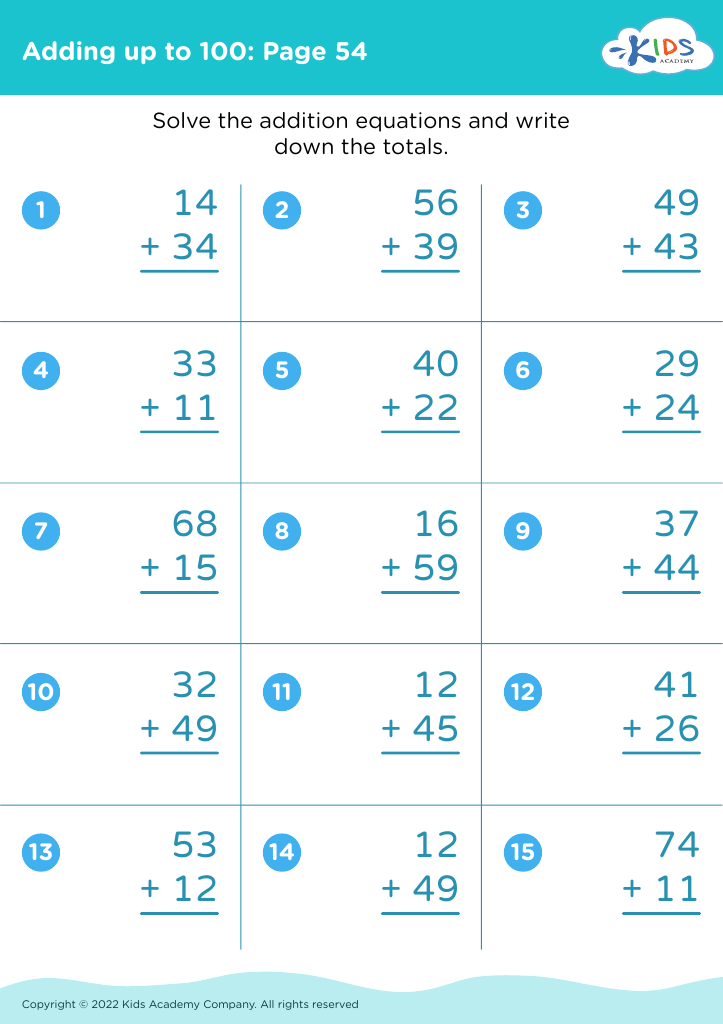
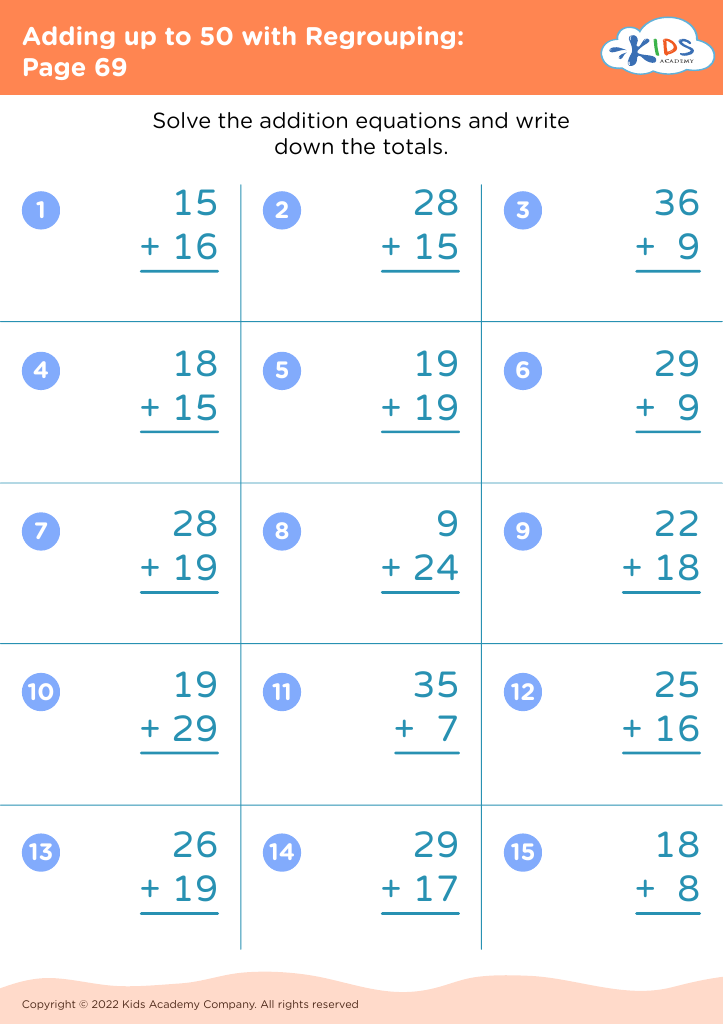
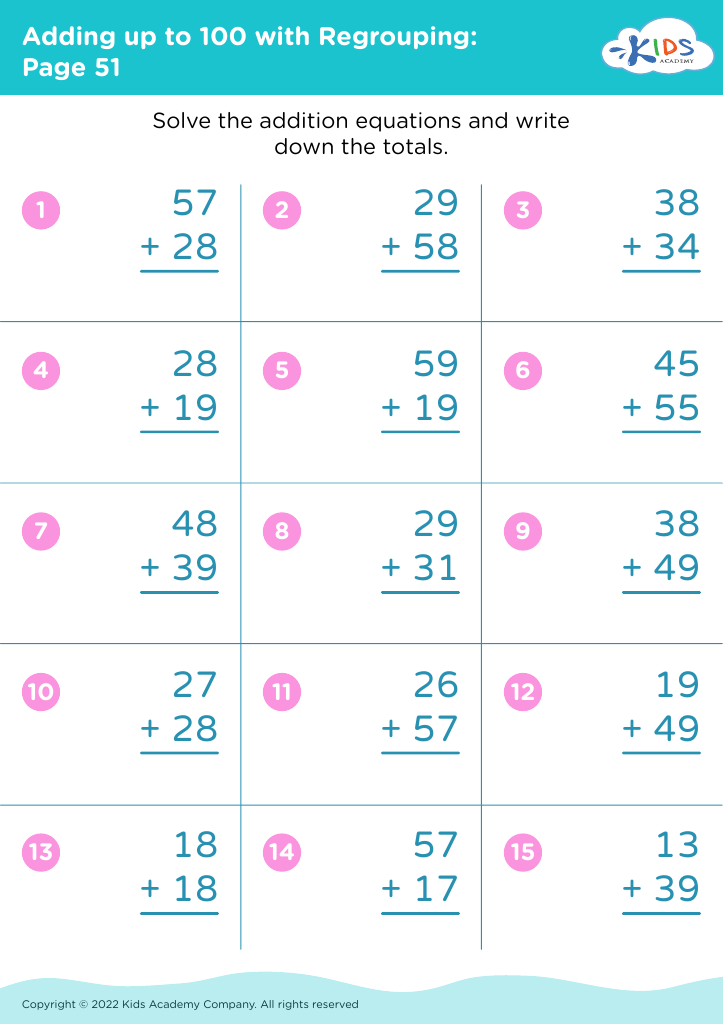
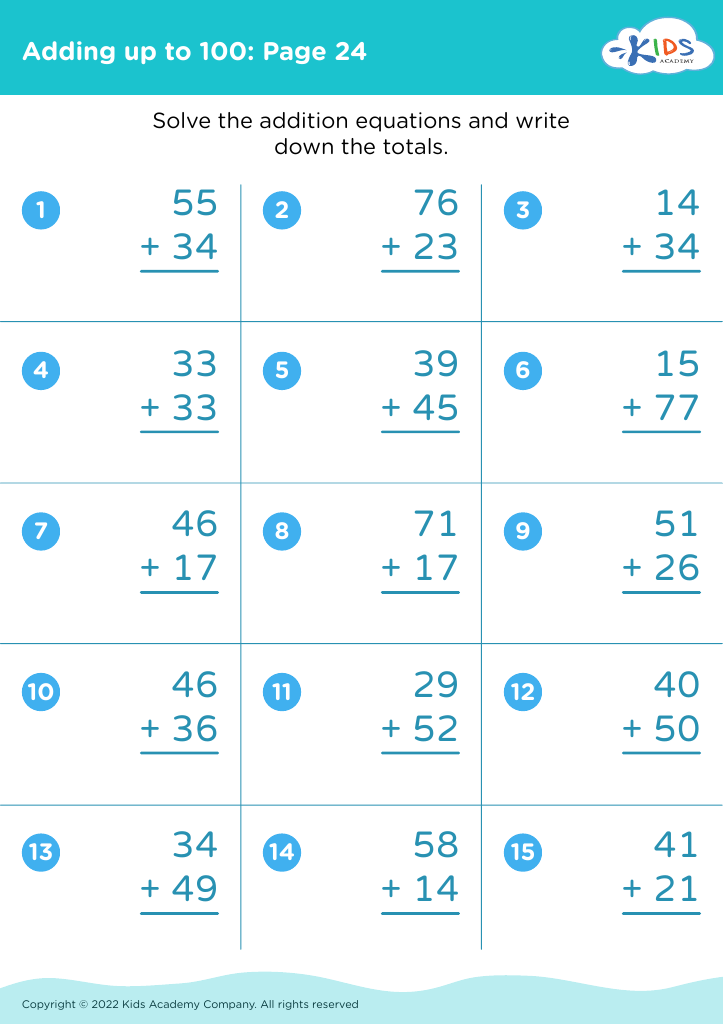
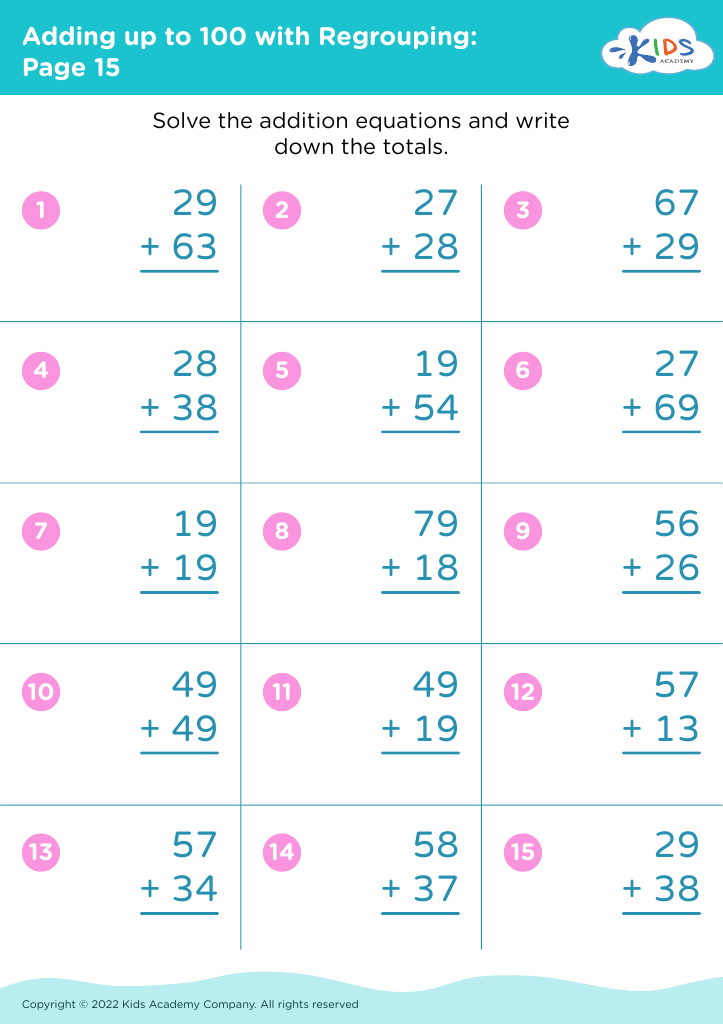
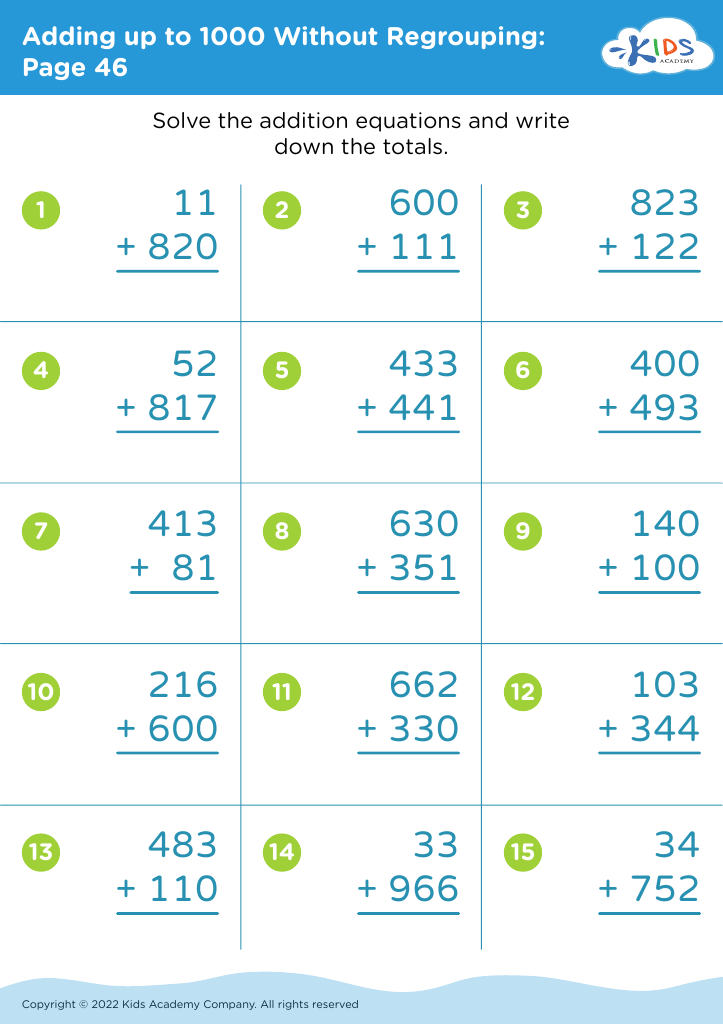
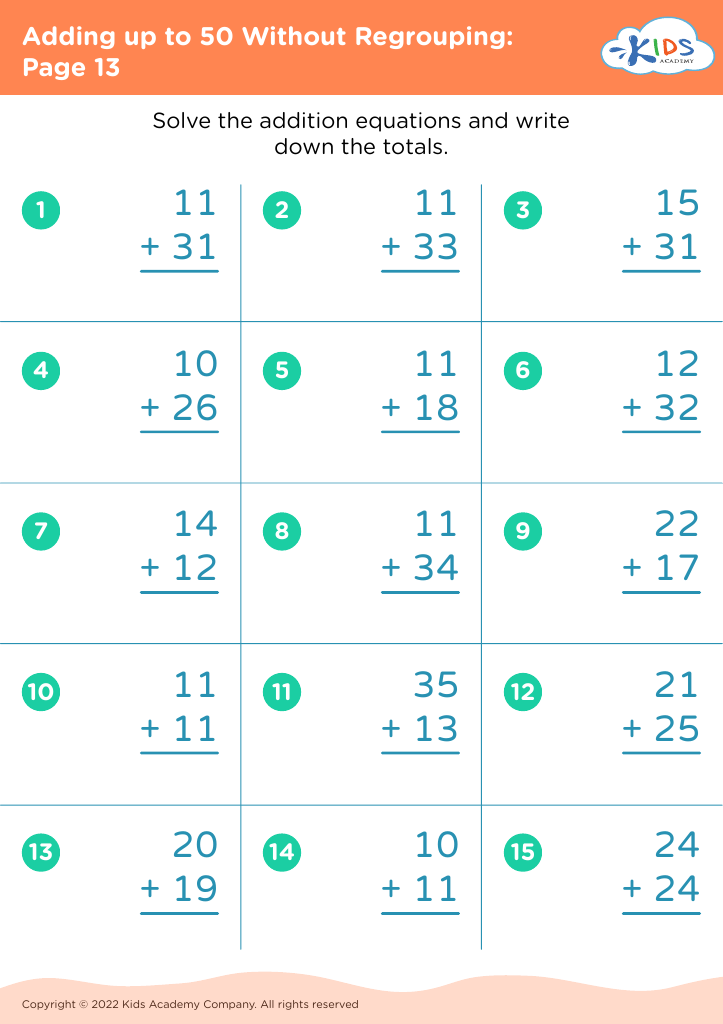
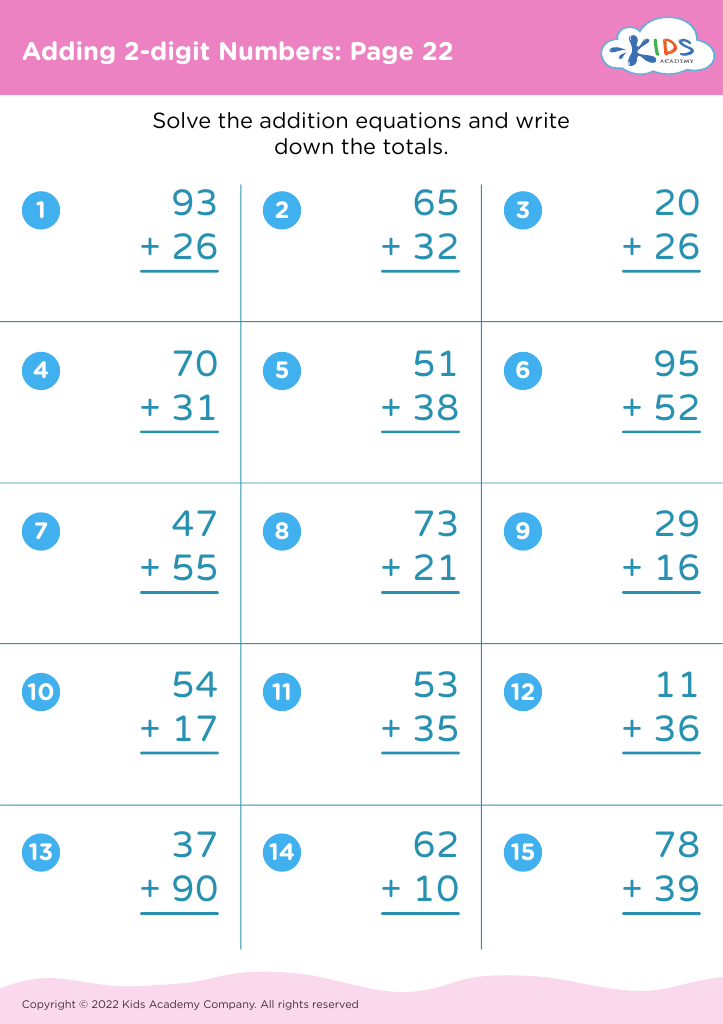
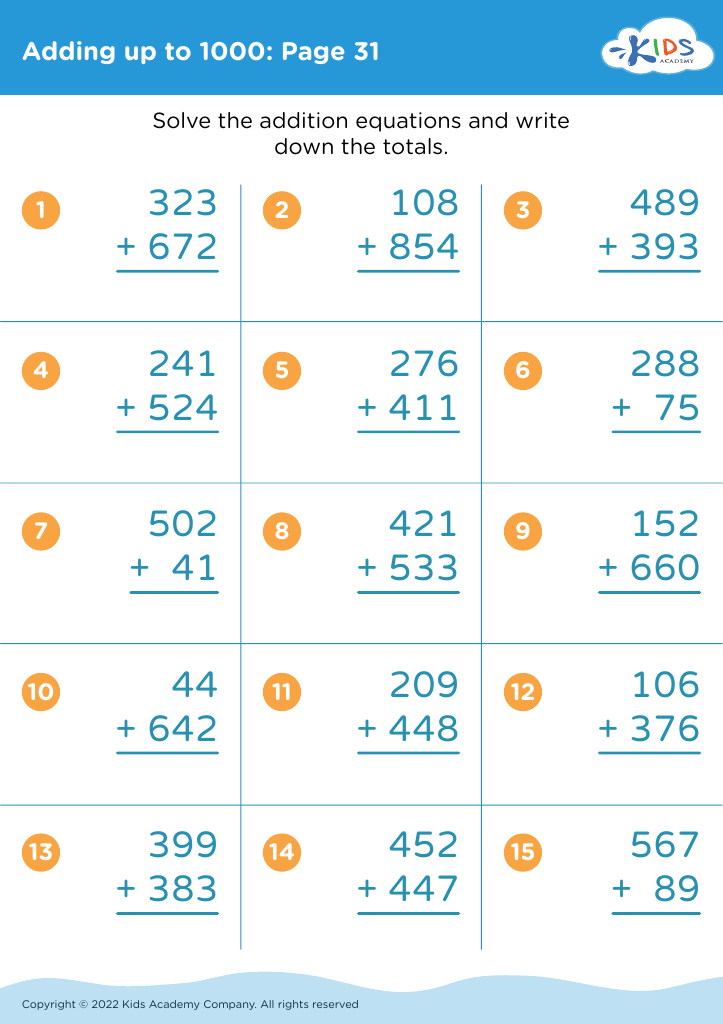
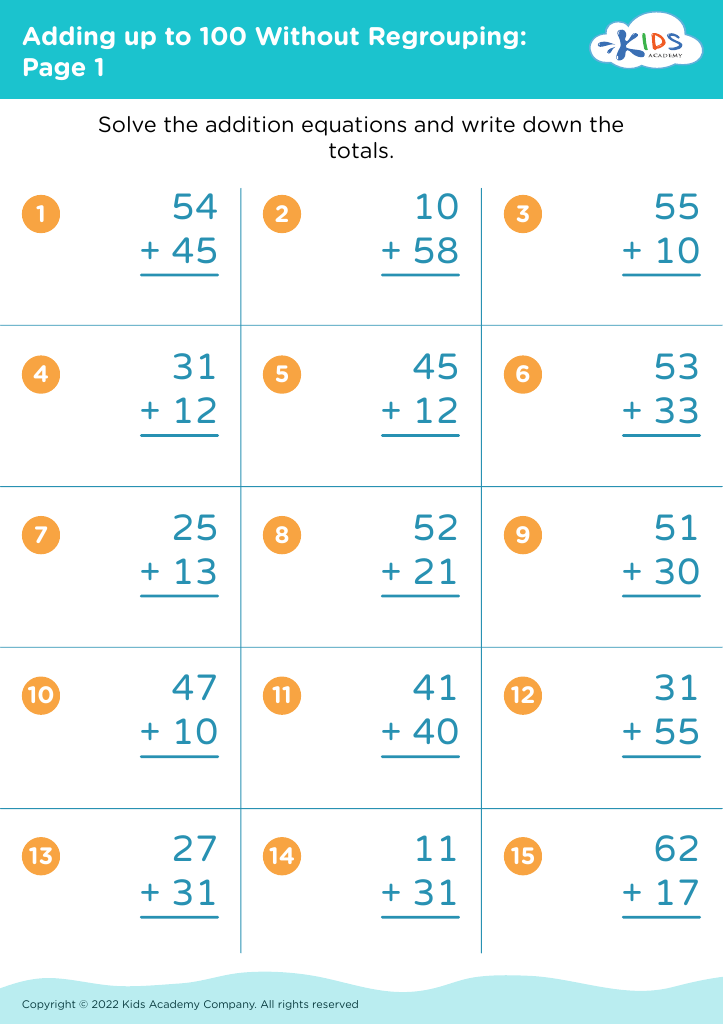
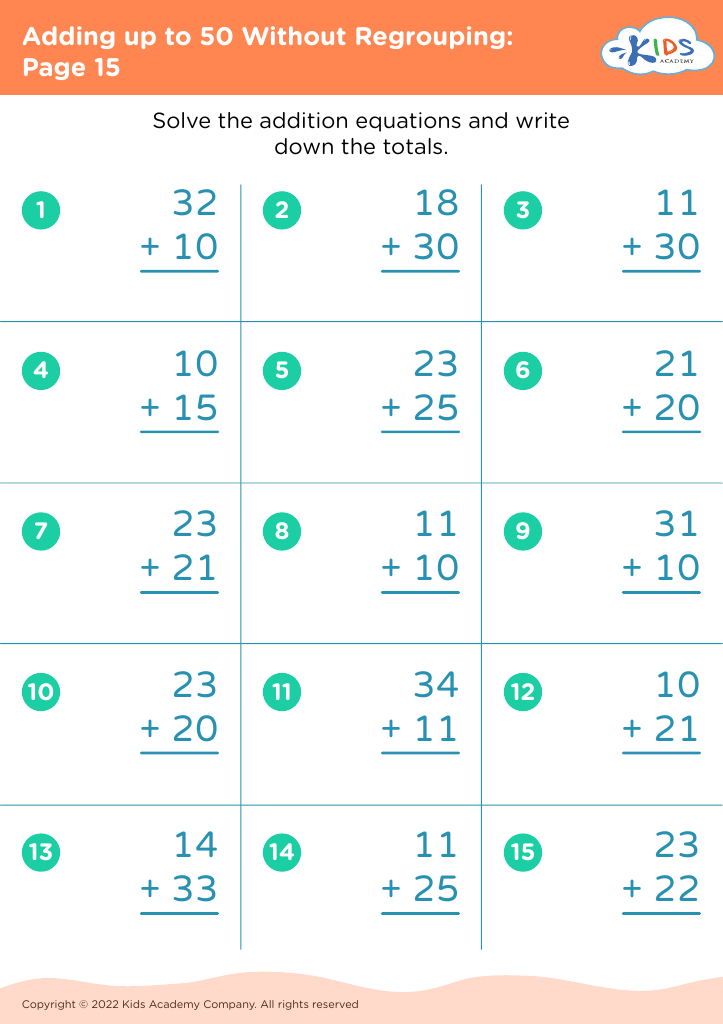
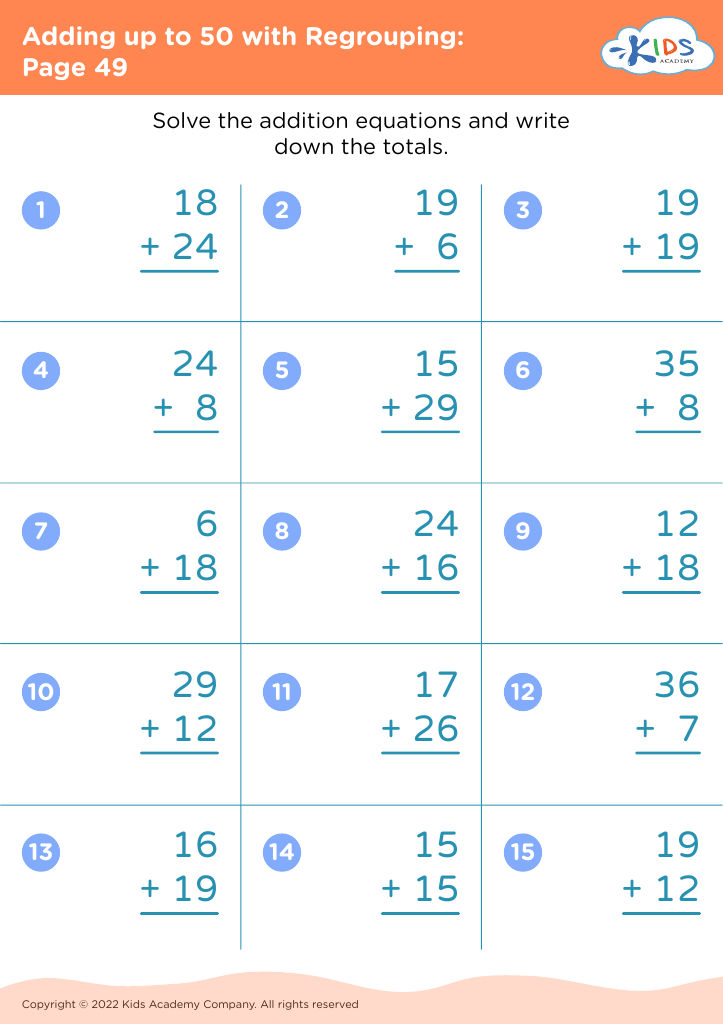
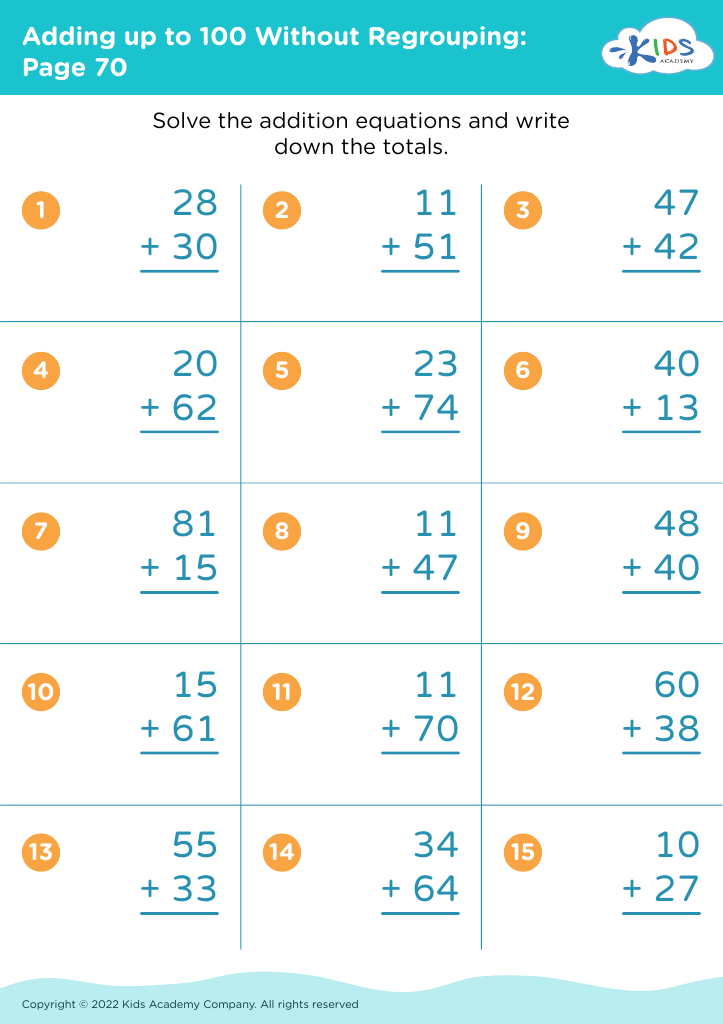
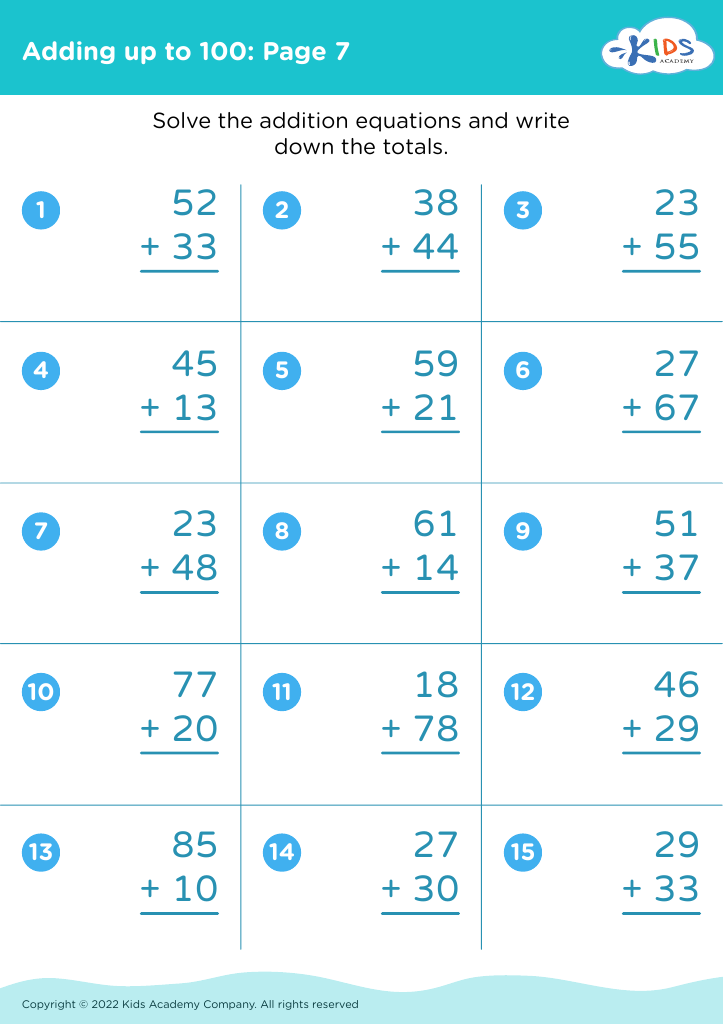
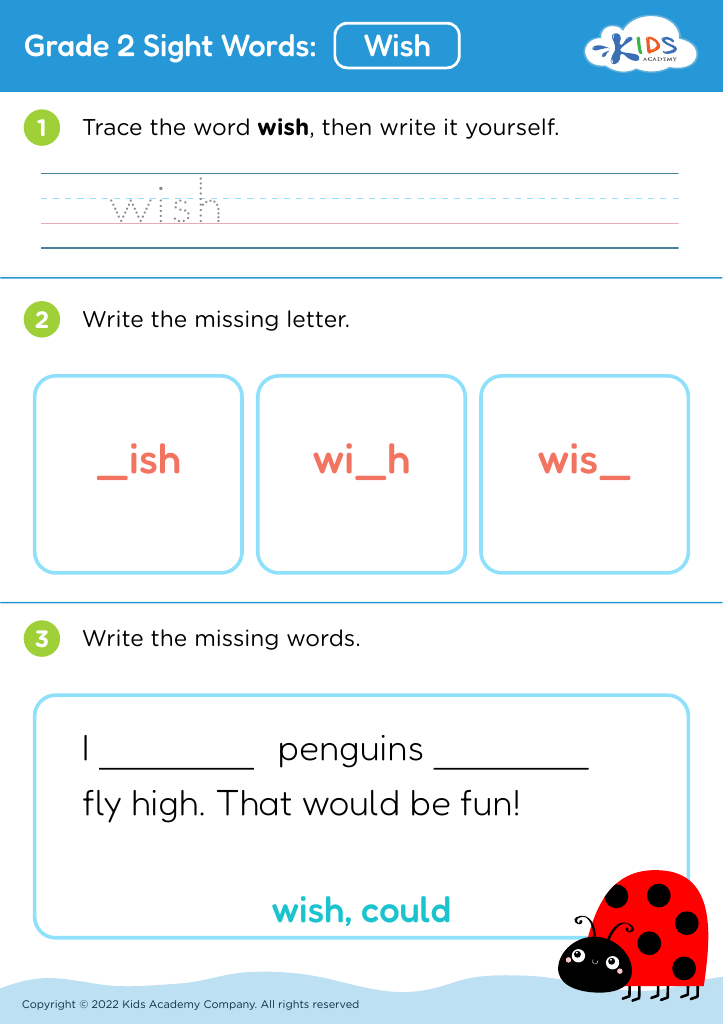







Developing number recognition in children aged 3-8 is vitally important for their academic and everyday lives. Firstly, it forms the foundation of basic arithmetic skills. Without recognizing numbers properly, children will struggle with more complex mathematics such as addition, subtraction, and later, multiplication and division. Early proficiency in numbers can significantly ease their learning curve.
Furthermore, early number recognition fosters problem-solving skills and logical thinking. Math isn't just about numbers; it's a way of understanding and interpreting the world. These foundational skills help children decipher patterns, make sense of sequences, and grasp concepts such as time and money.
Beyond academics, number recognition plays a crucial role in everyday tasks. From recognizing what time it is, to understanding the value of different denominations of money, numbers are an intrinsic part of daily life.
Early competence in numbers also boosts a child’s confidence and encourages a positive attitude towards learning in general. It minimizes the fear or anxiety they might later face in academics if they feel "left behind."
Finally, promoting early number recognition enables children to fully engage in the world around them, interact more meaningfully with peers, and gain independence over everyday functions, making it crucial for holistic development. In summary, investing in this area sets a solid groundwork for a child’s future academic success and functional life skills.








