Improve problem-solving Worksheets for Ages 3-8
4 filtered results
-
From - To
Discover our "Improve Problem-Solving Worksheets for Ages 3-8," designed to ignite critical thinking and social skills in young learners. These engaging, printable activities offer fun ways to develop foundational problem-solving abilities through puzzles, matching games, and logical reasoning exercises. Each worksheet is crafted to challenge and entertain, promoting cognitive growth and confidence. Perfect for home or classroom use, our resources cater to various skill levels, ensuring that every child progresses at their own pace. Encourage your child's curiosity and help them attain valuable problem-solving skills with our expertly designed materials. Unlock their potential today!
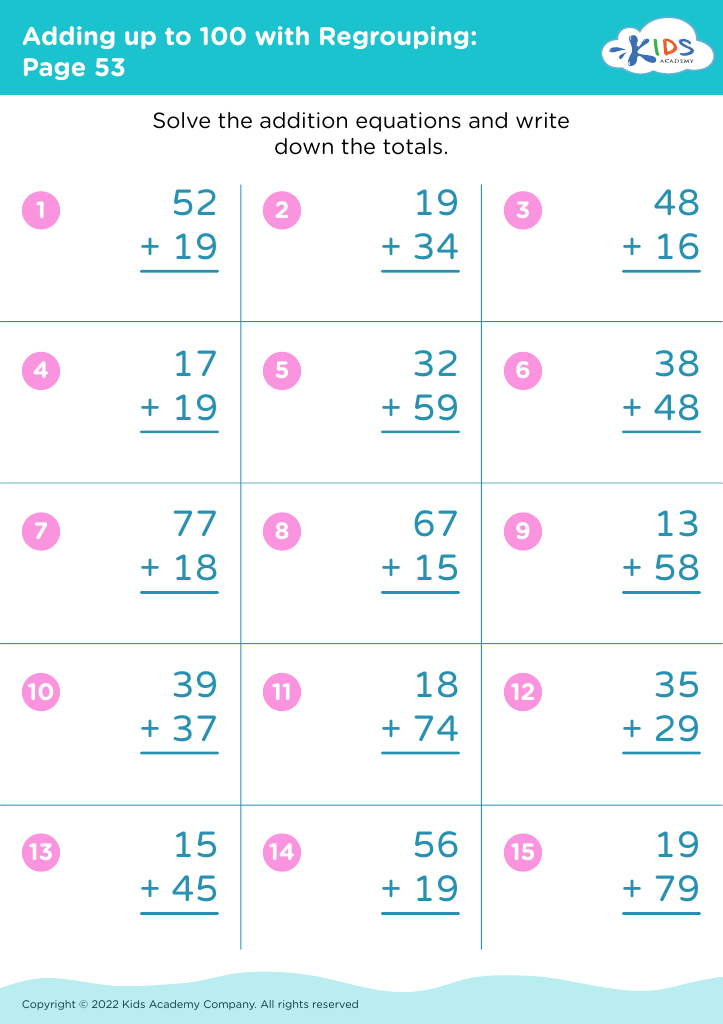
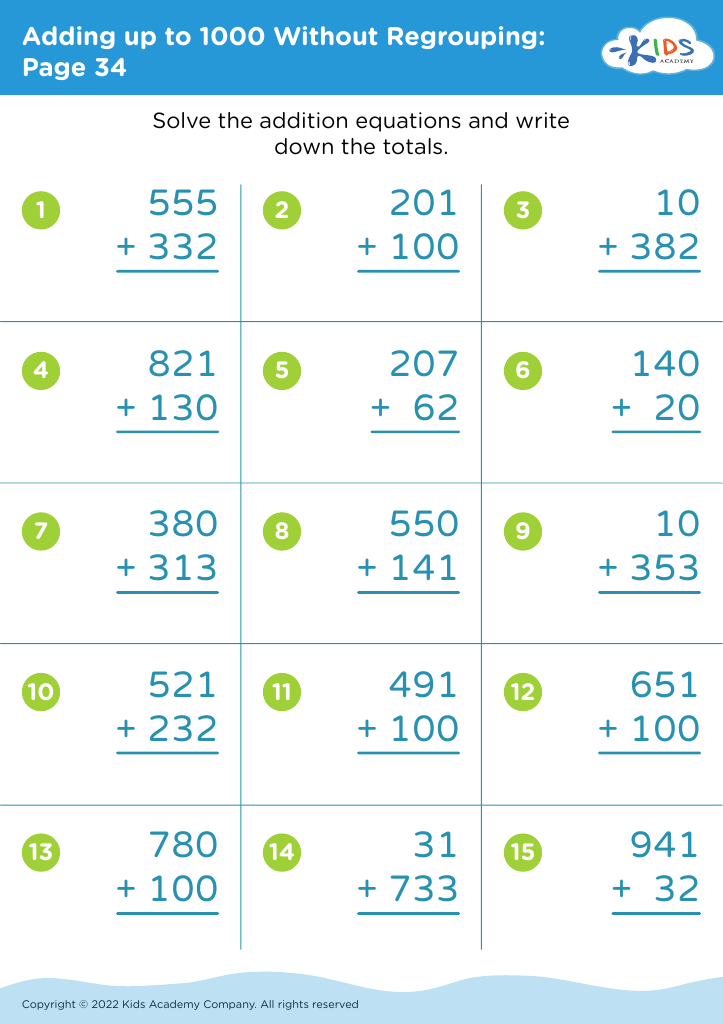
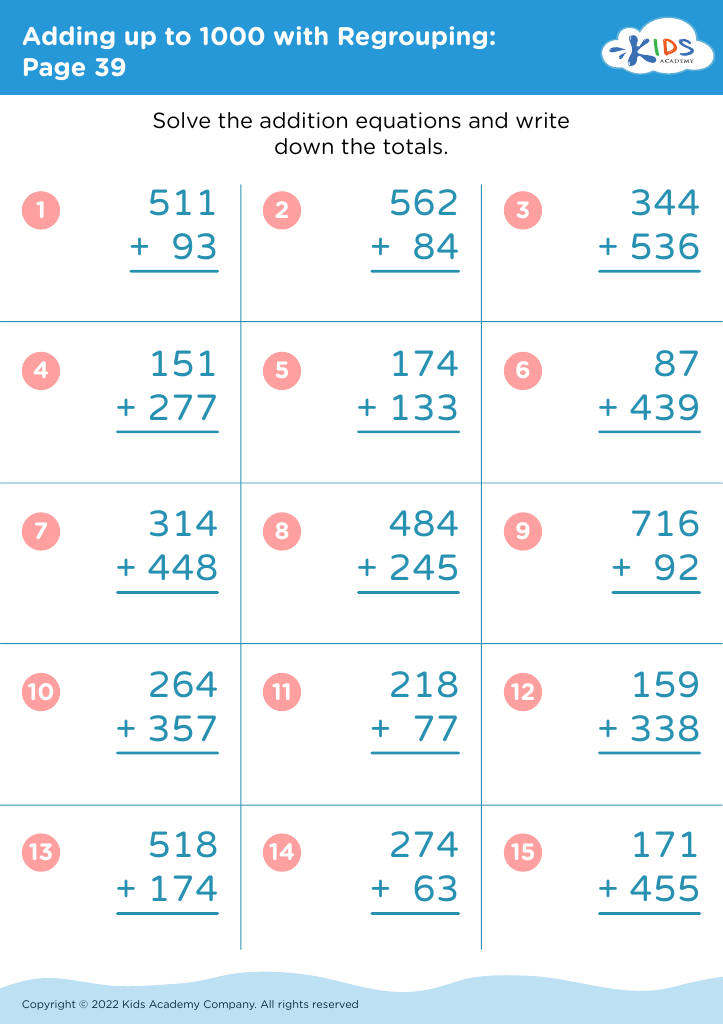
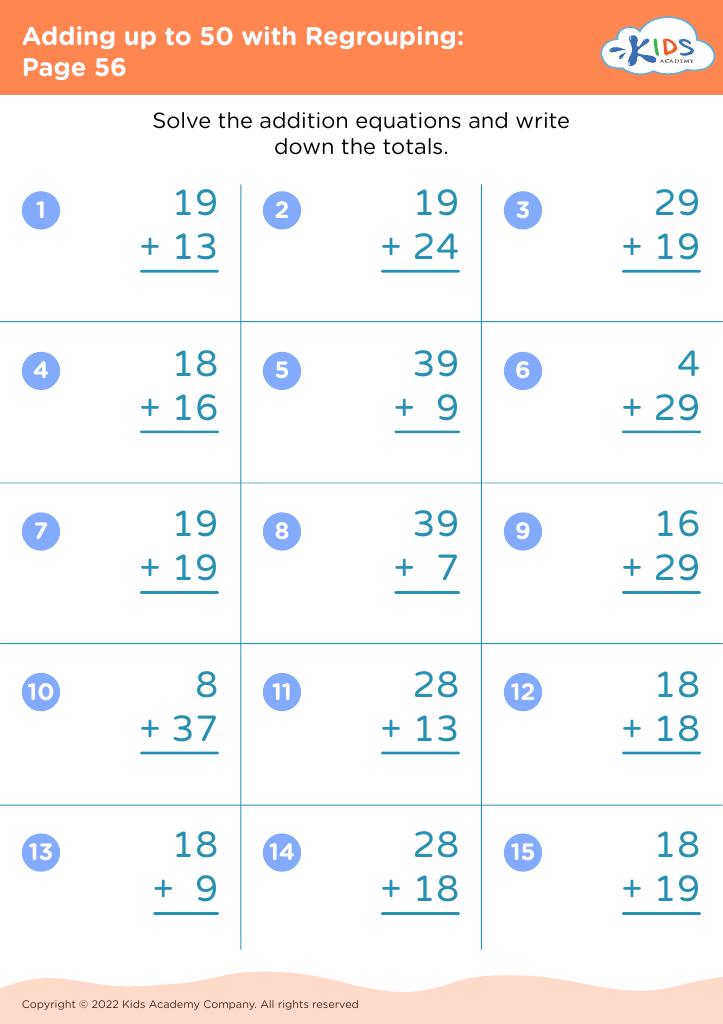






Encouraging problem-solving skills in children ages 3-8 is crucial for early development and can have lifelong benefits. During these formative years, children's brains are highly impressionable and rapidly developing. Engaging them in problem-solving activities stimulates cognitive growth, enhances critical thinking, and fosters creativity. When children are encouraged to think independently and tackle problems, they become better equipped to handle challenges confidently and think critically—a valuable skill in both academic and real-world settings.
For parents and teachers, focusing on problem-solving helps in nurturing a child’s independence and resilience. These skills also lay a solid foundation for academic success. For instance, math, science, and even reading comprehension require the ability to analyze and solve problems. Moreover, by cultivating these skills early on, children learn persistence and adaptability, making them more likely to persevere through future difficulties.
Additionally, problem-solving activities promote social and emotional growth. Group activities that involve solving puzzles or completing tasks together can improve teamwork and communication abilities. Emotional development is also supported as children learn to manage frustration and celebrate their successes. Overall, enhancing problem-solving skills in early childhood sets up children for future academic achievements and well-being.








