Improving subtraction skills Worksheets for Ages 3-8
3 filtered results
-
From - To
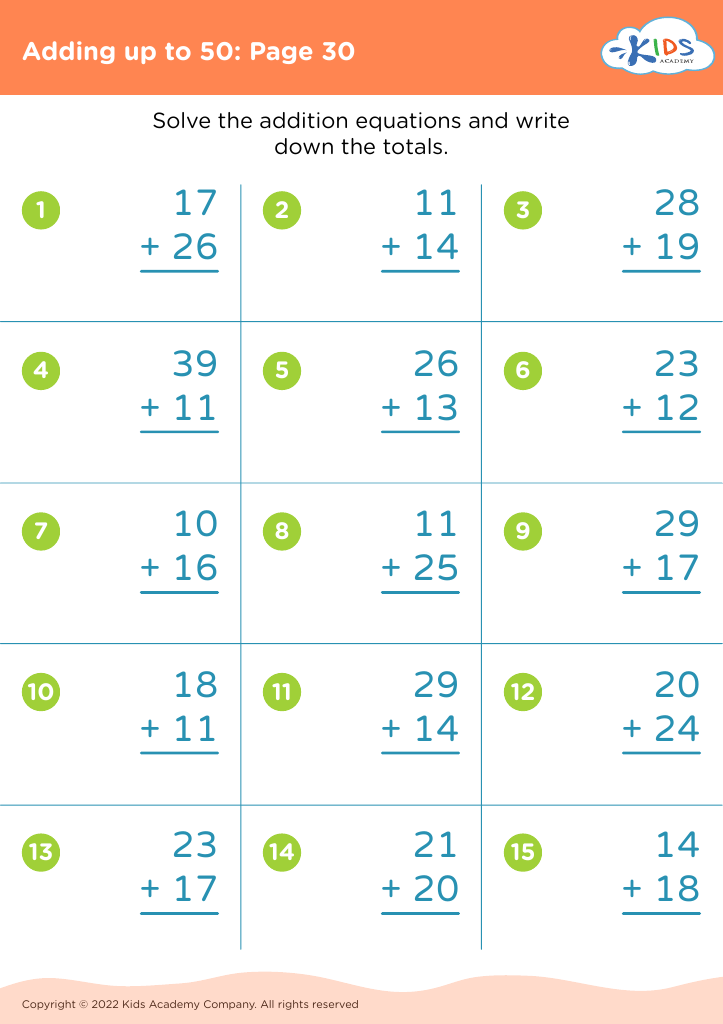
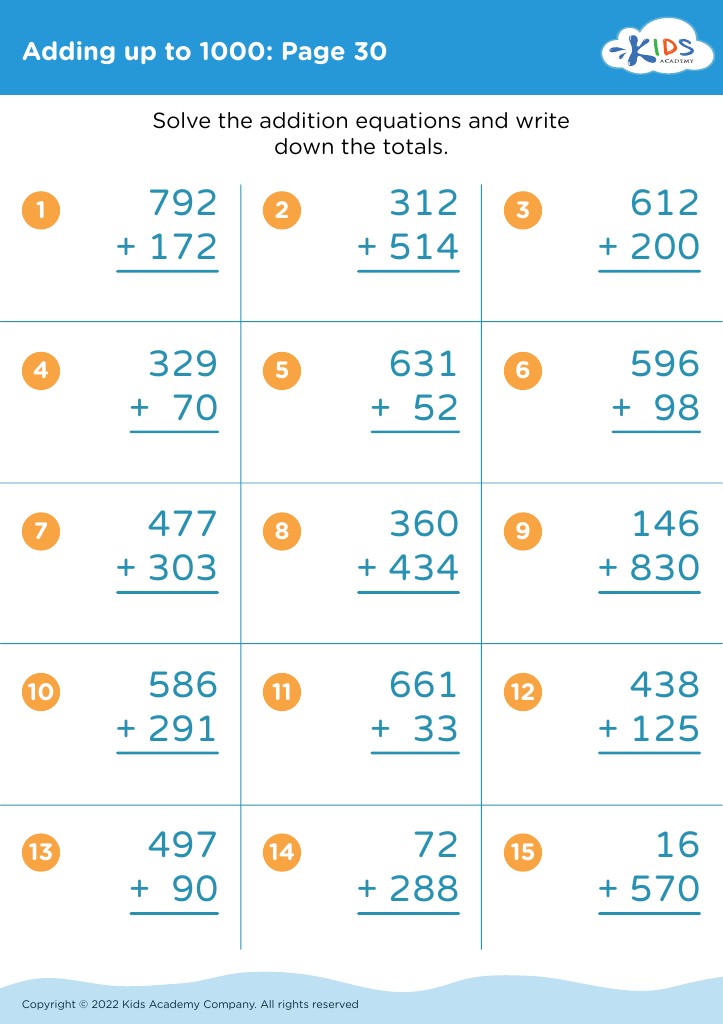
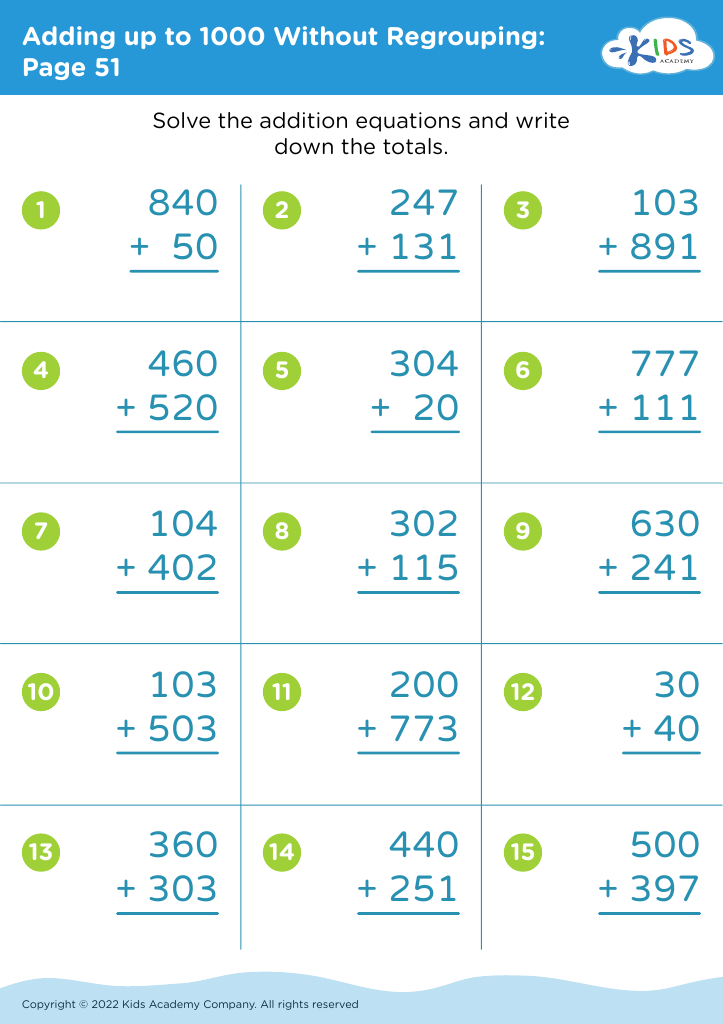
Discover our engaging worksheets designed to enhance subtraction skills for children aged 3-8. These thoughtfully crafted activities aim to make learning subtraction fun and interactive, catering to various learning styles. Each worksheet features vibrant illustrations and age-appropriate challenges that help young learners grasp essential concepts while building confidence in their math abilities. The diverse range of exercises promotes repetition and practice, ensuring mastery of subtraction techniques. Perfect for both home and classroom settings, our worksheets are an excellent resource for teachers and parents who want to support their child's early mathematical development. Start your journey toward mastering subtraction today!







Improving subtraction skills for children aged 3-8 is crucial for their overall cognitive development and mathematical understanding. At this age, children are forming foundational skills that will support their future learning. Subtraction, as a fundamental arithmetic operation, not only enhances mathematical literacy but also promotes critical thinking, problem-solving skills, and logical reasoning.
Furthermore, mastering subtraction encourages confidence in handling numbers. When children grasp subtraction concepts, it can ignite their interest in math as they find joy in solving problems. This positive attitude towards mathematics is essential as it lays the groundwork for more complex operations in the future.
Additionally, subtraction skills contribute to daily life skills, such as managing money or understanding basic time concepts. Developing these skills early on enables children to establish a solid mathematical foundation and prepares them for entering school and engaging in more advanced mathematics.
Parents and teachers play a vital role in fostering these skills through supportive and engaging activities. By integrating subtraction into play, storytelling, and real-life experiences, they can reinforce these concepts in a fun and natural way. Ultimately, improving subtraction skills not only enhances academic readiness but also nurtures critical life skills that benefit children long-term.








