Letter formation Worksheets for Ages 3-8
11 filtered results
-
From - To
Discover our engaging Letter Formation Worksheets designed for ages 3-8! These thoughtfully crafted resources make learning to write fun and effective. Each worksheet focuses on helping young learners improve their handwriting skills by practicing letter shapes, strokes, and sequences. Tailored to different skill levels, our activities use captivating visuals and easy instructions to enhance fine motor skills and boost confidence. Perfect for preschool through early elementary, these printables support both classroom and home learning environments. Download now and give kids a strong start in developing legible and beautiful handwriting. Unlock the joy of writing with us today!

Letter A Tracing Page
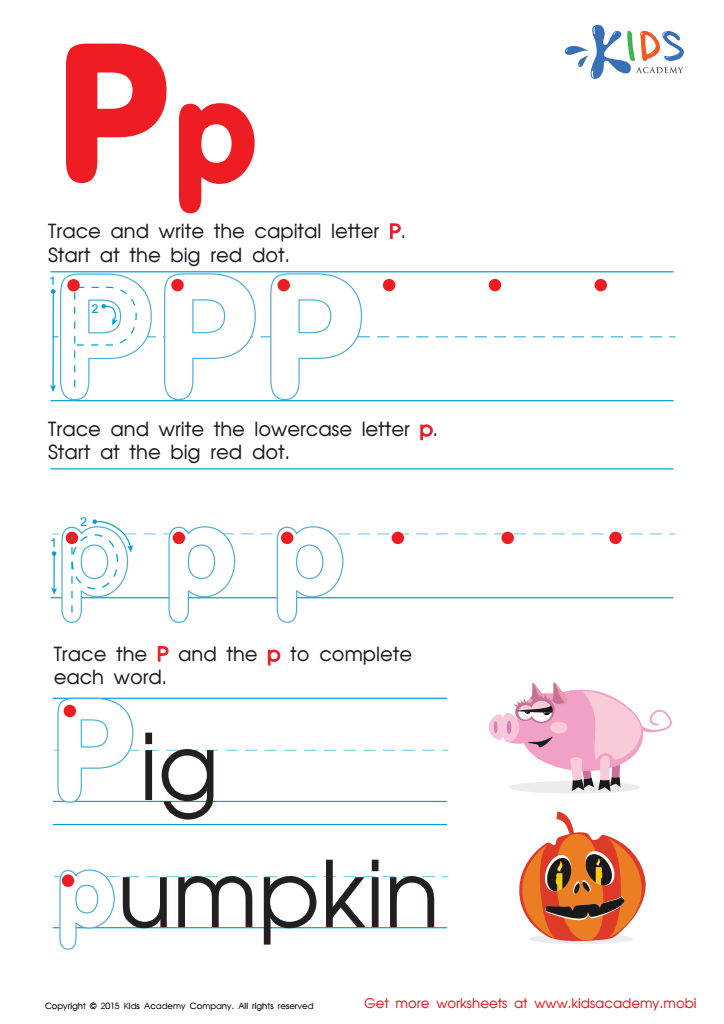
Letter P Tracing Page
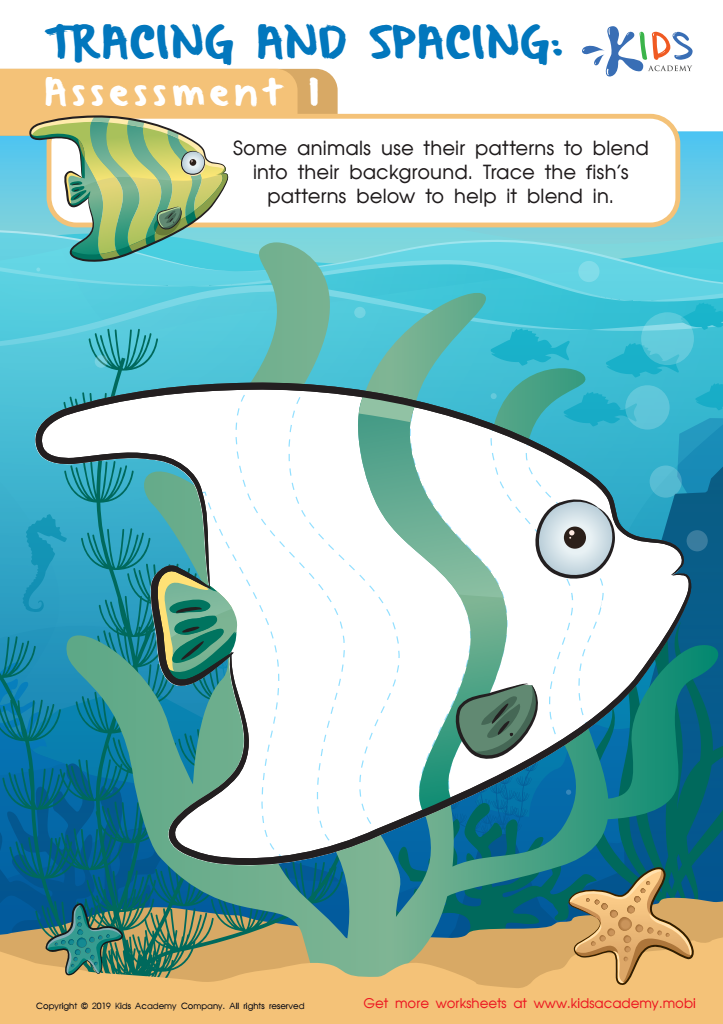
Tracing and Spacing: Assessment 1 Worksheet
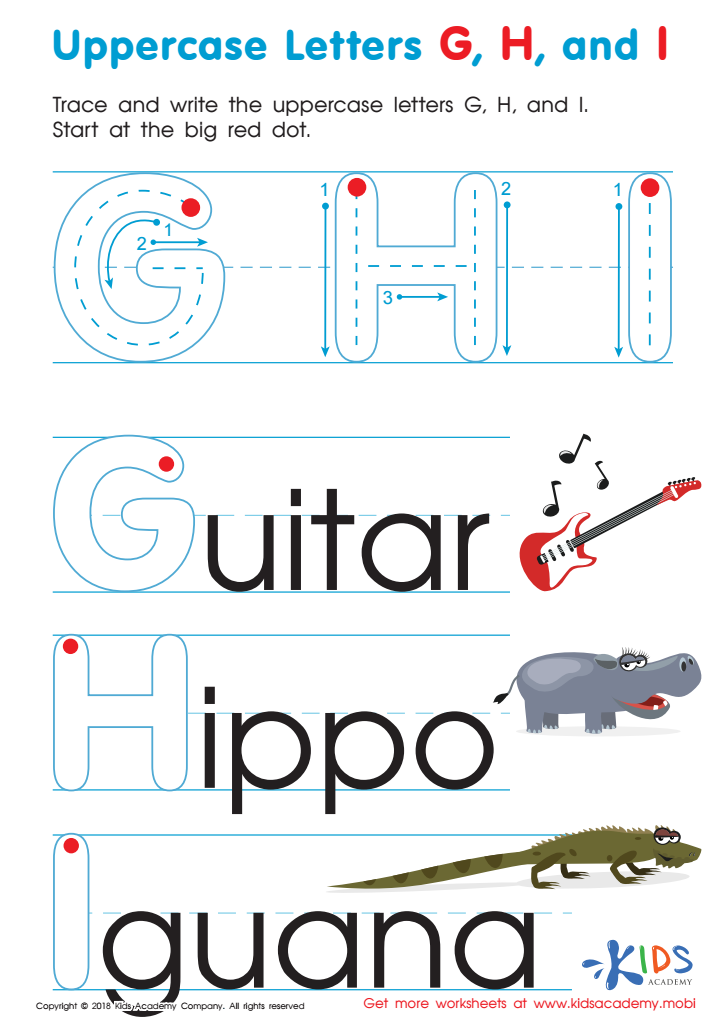
Uppercase Letters G, H, and I Worksheet
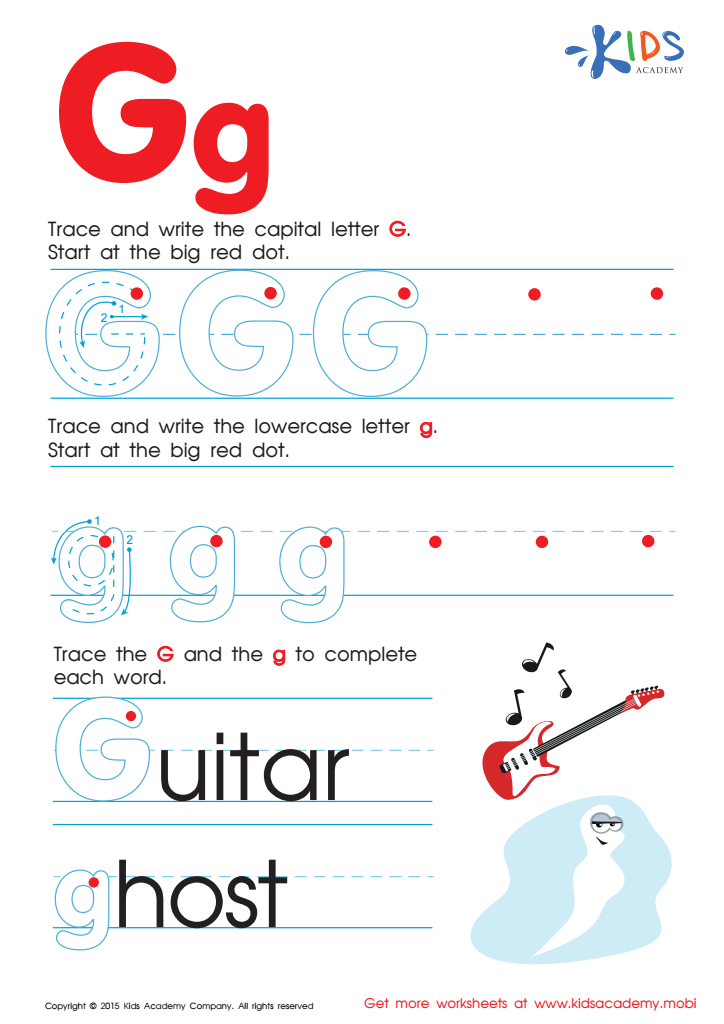
Letter G Tracing Page
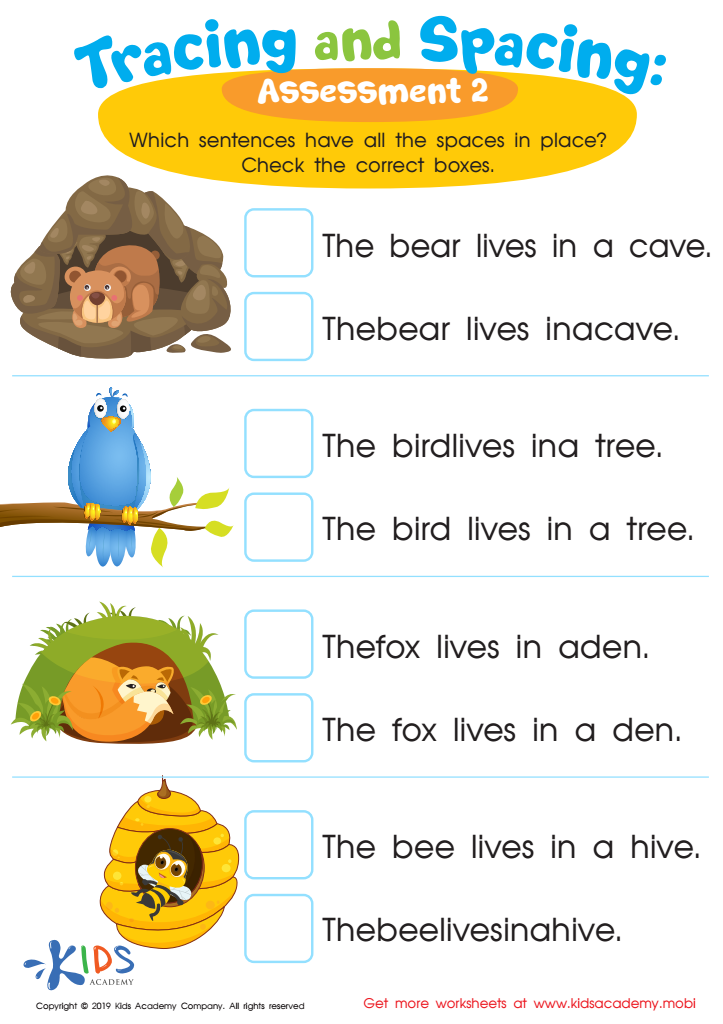
Tracing and Spacing: Assessment 2 Worksheet
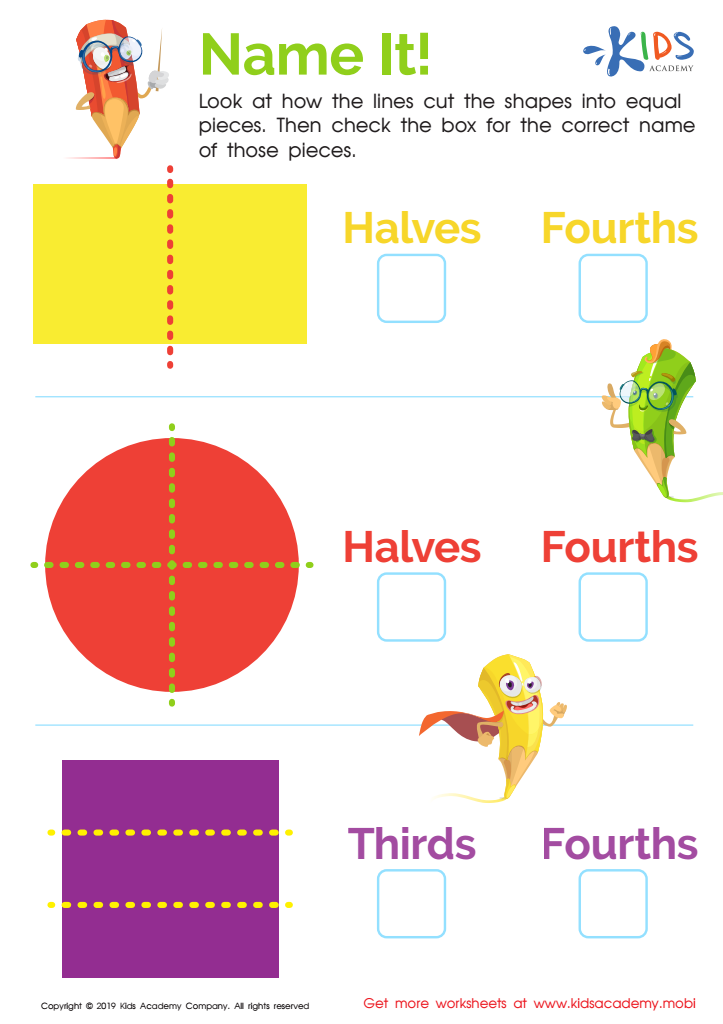
Name It! Worksheet
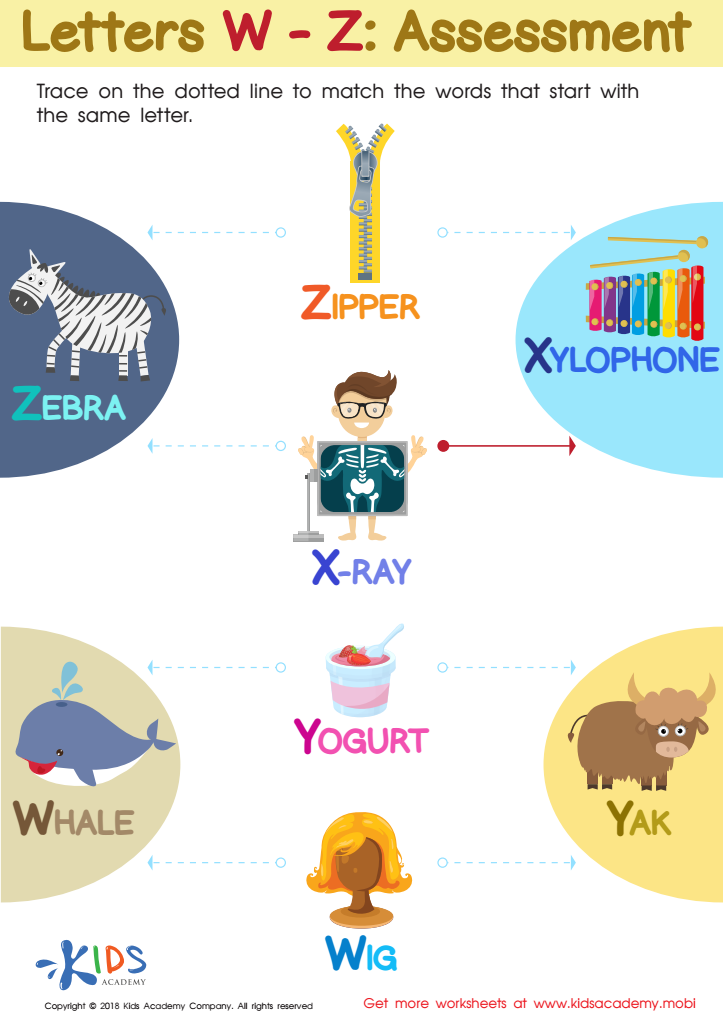
Letters W–Z Tracing Worksheet
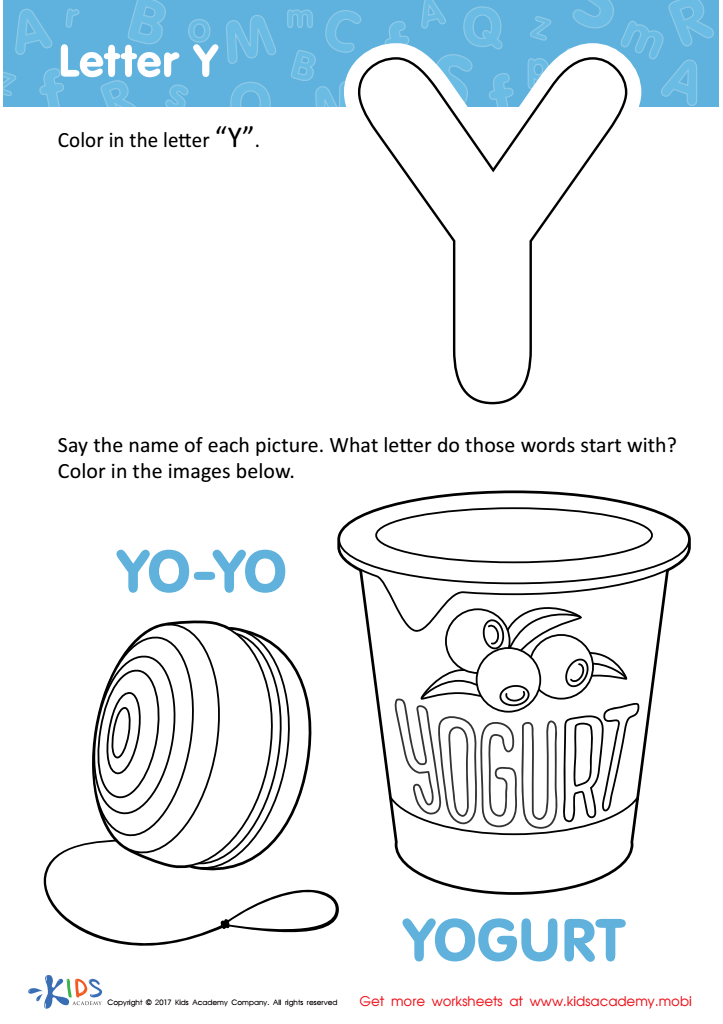
Letter Y Coloring Sheet
 Assign to My Students
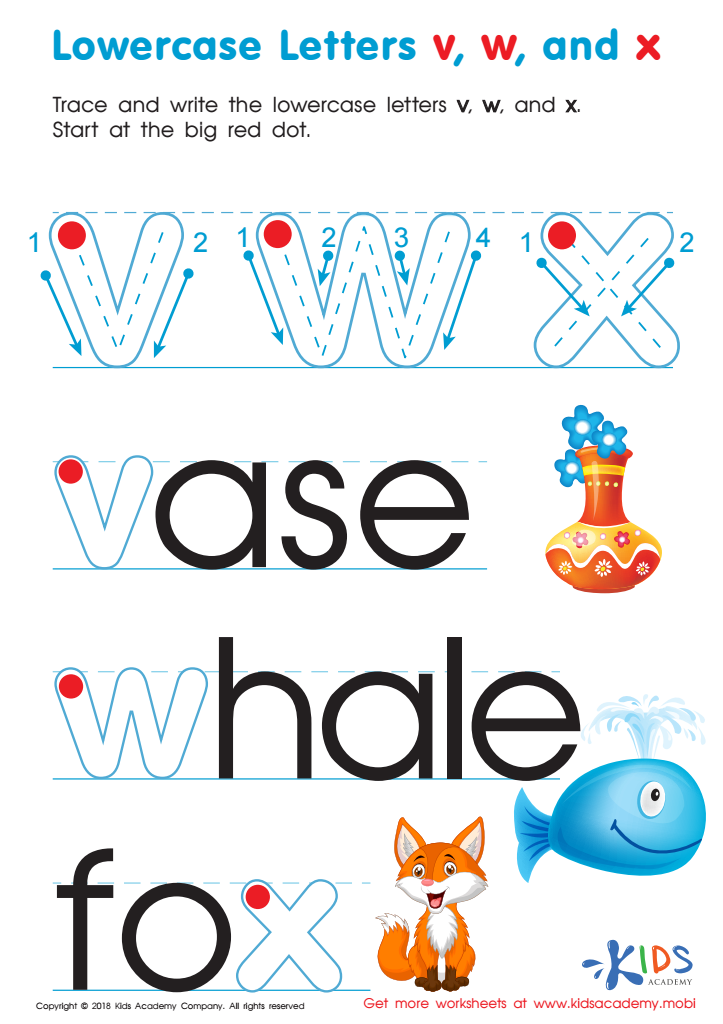
Lowercase Letters v w x Worksheet
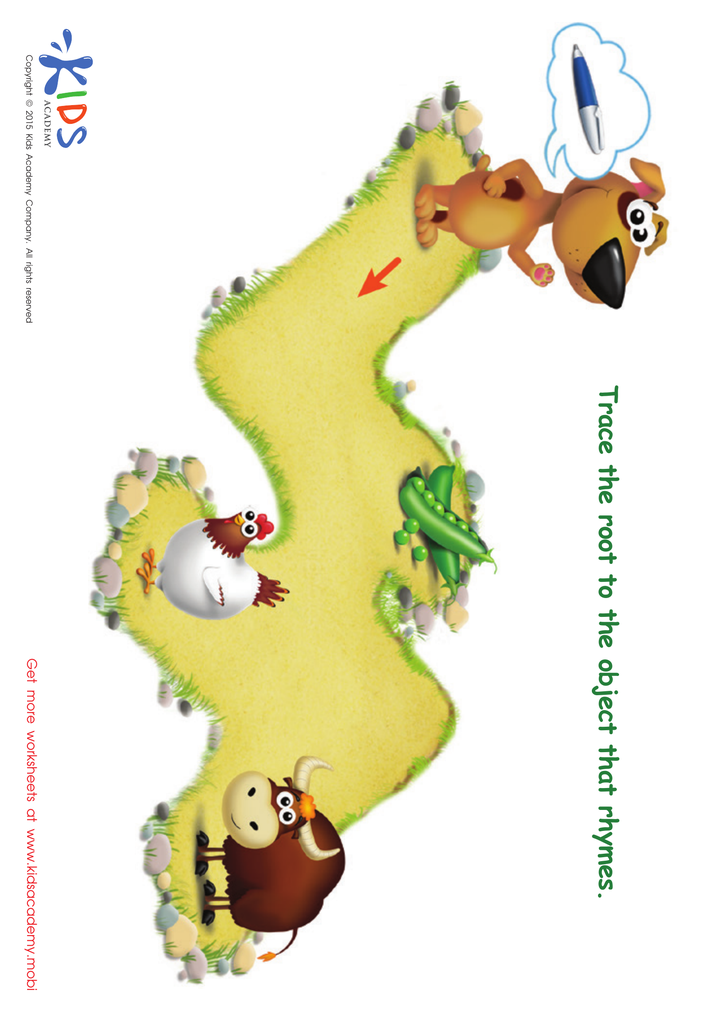
Pen Rhyming Words Worksheet








Letter formation is a foundational skill that plays a crucial role in a child's early literacy development. Between the ages of 3-8, children are in a critical period for learning how to write. Proper letter formation aids in legibility, ensuring that students can communicate their thoughts and ideas clearly. When children learn the correct way to form letters, it builds muscle memory, which helps them write more quickly and effortlessly as they get older.
Additionally, mastering letter formation enhances fine motor skills and hand-eye coordination, which are essential not just for writing, but for other everyday tasks like buttoning a shirt or tying shoelaces. Consistent practice in forming letters correctly also encourages discipline and attention to detail, supporting overall academic success.
For teachers, emphasizing the importance of letter formation helps in reducing future educational hurdles. Poor habits developed early on can lead to messy handwriting and frustration, which may make children reluctant to engage in writing activities. For parents, working on letter formation at home can also be a bonding experience, turning learning into a supportive and engaging family activity.
Ultimately, investing time in ensuring proper letter formation sets children on the path to becoming confident writers and effective communicators, which are critical skills for their future academic and personal lives.








