Logical thinking Worksheets for Ages 3-8 - Page 2
39 filtered results
-
From - To
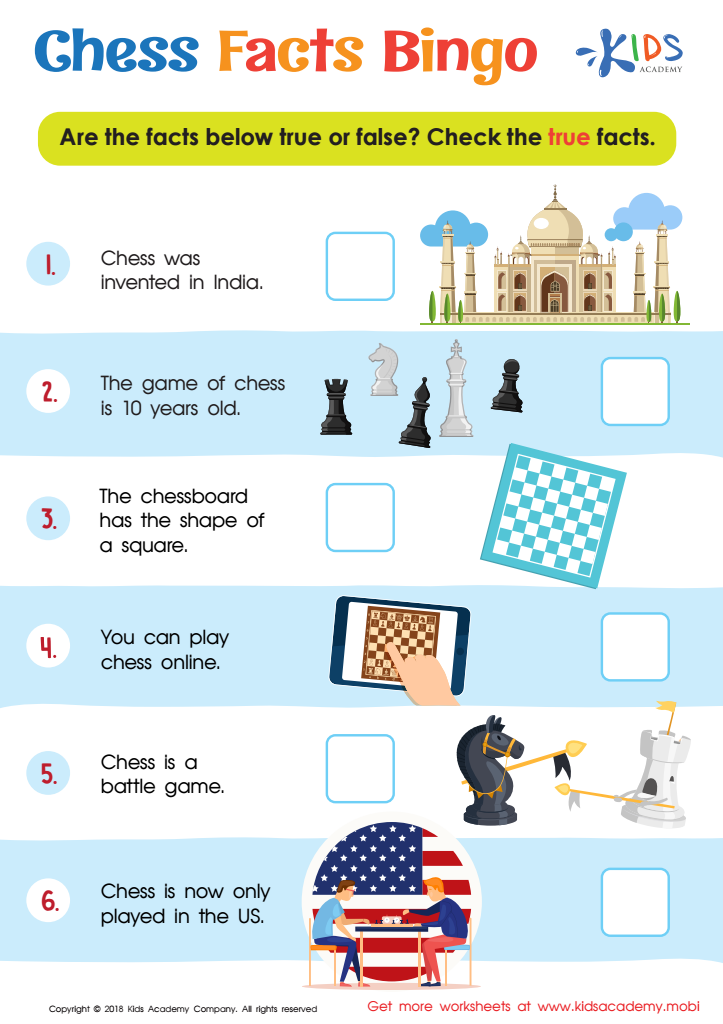
Chess Facts Bingo Worksheet
 Assign to My Students
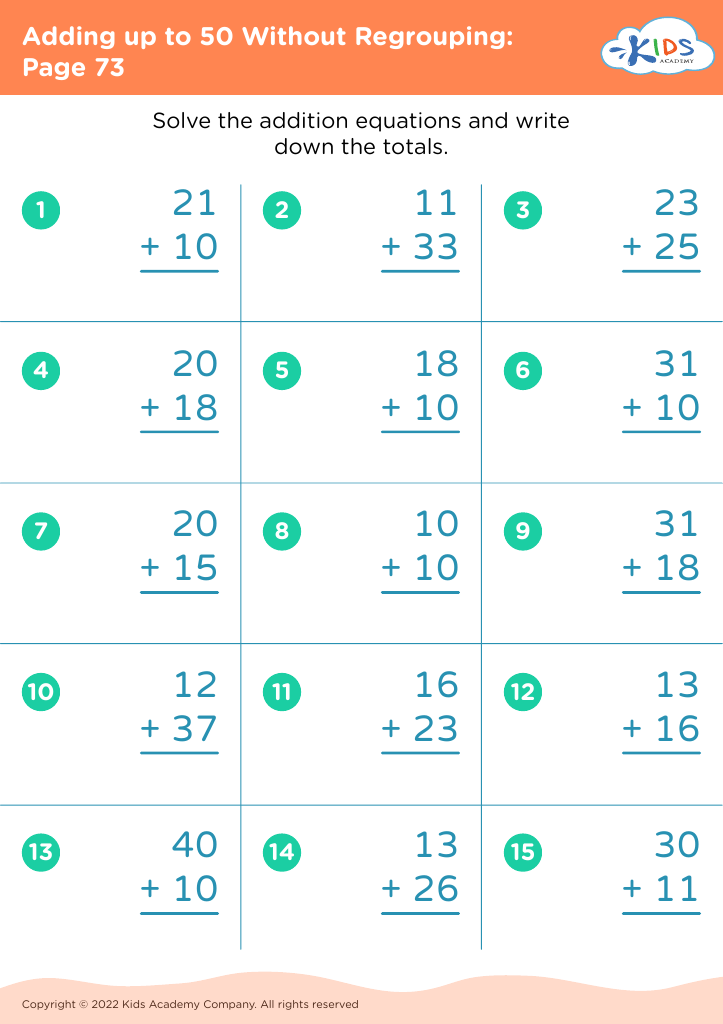
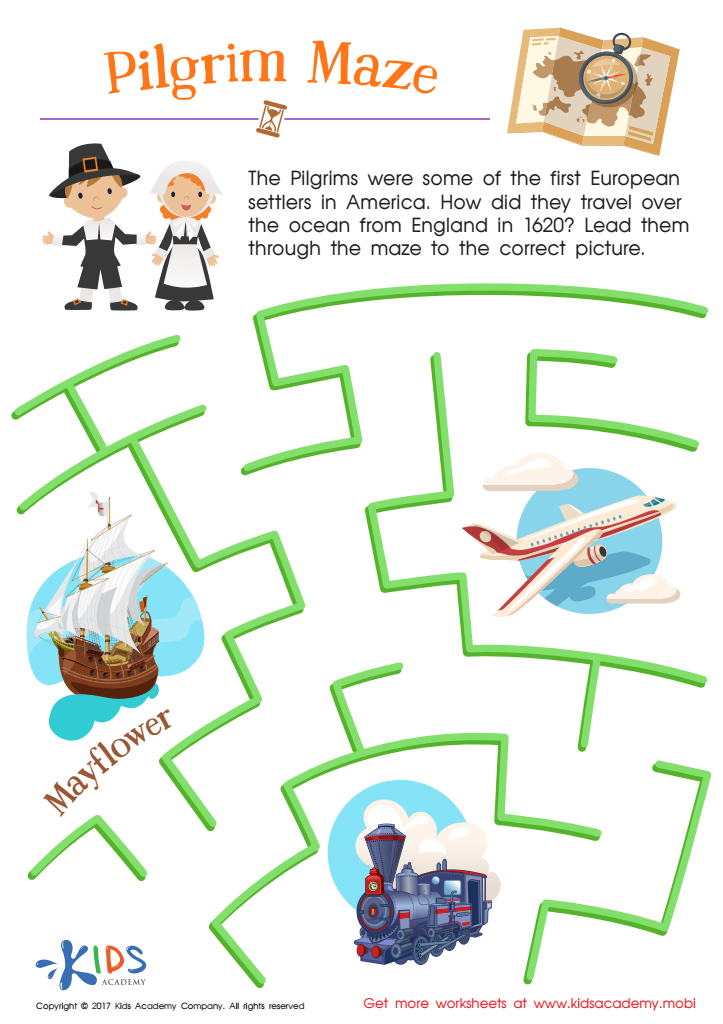
Pilgrim Maze Worksheet
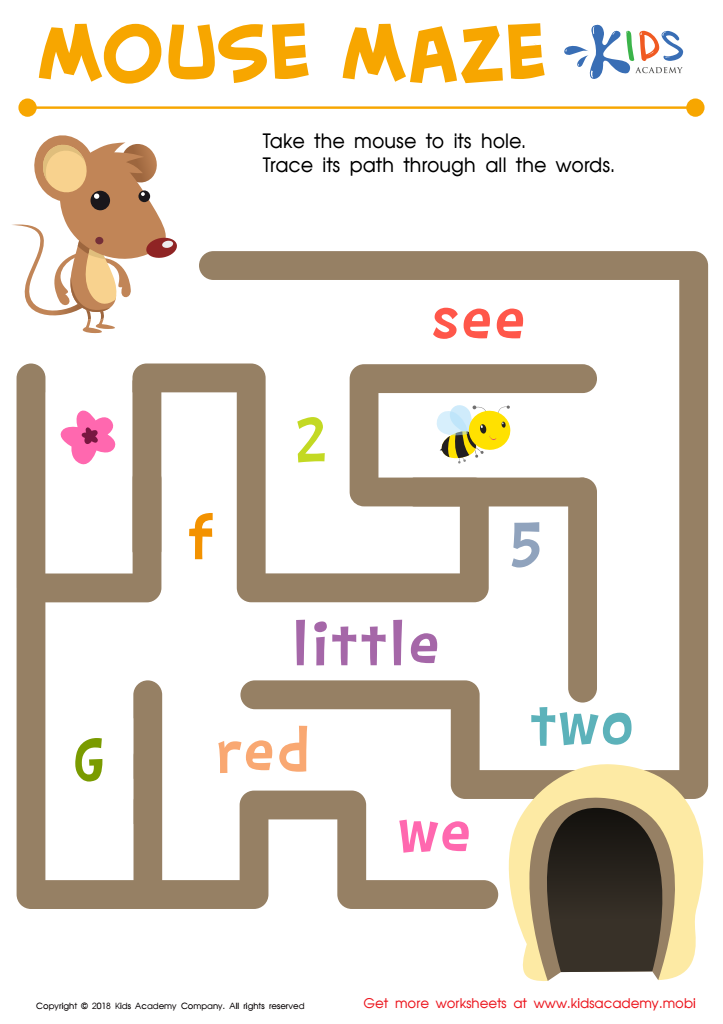
Find Words Mouse Maze Worksheet
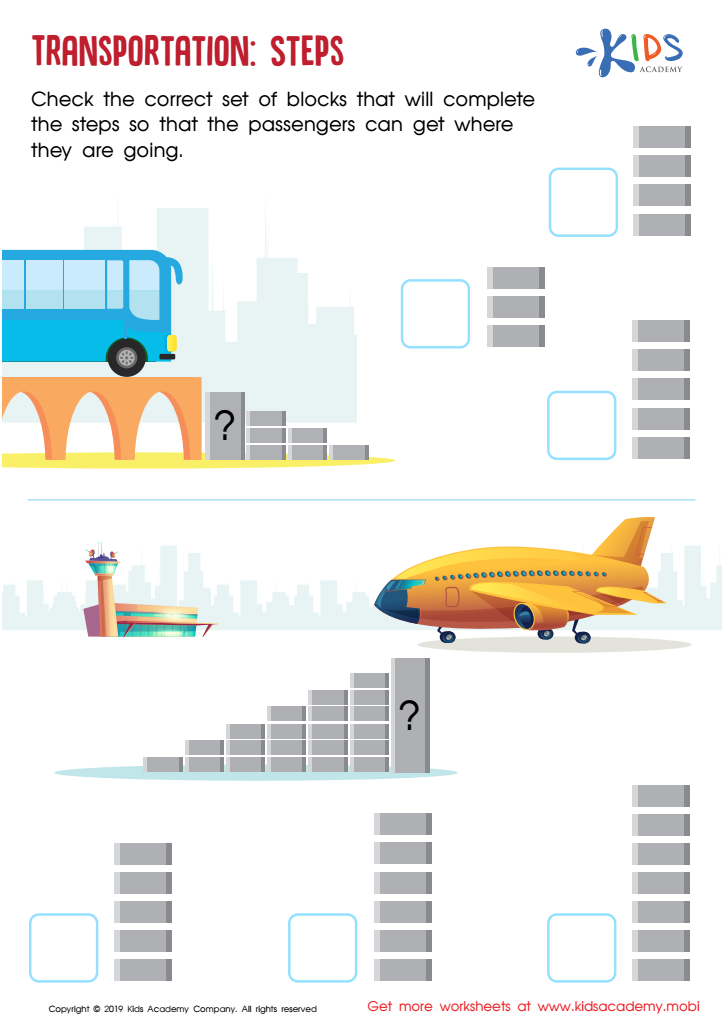
Transportation: Steps Worksheet
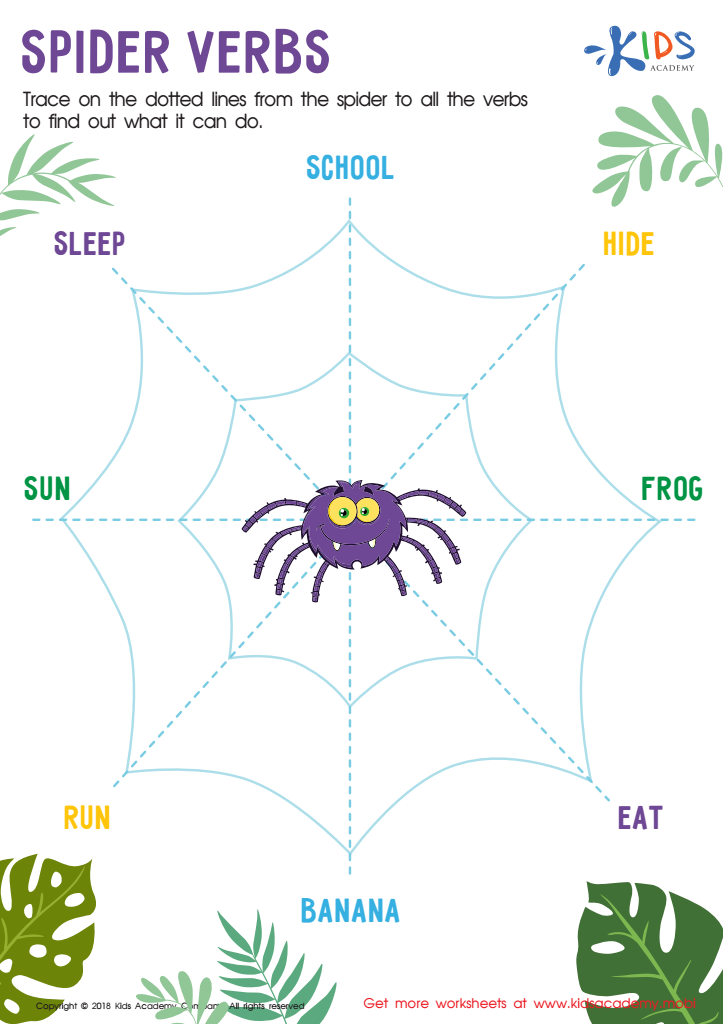
Spider Verbs Worksheet
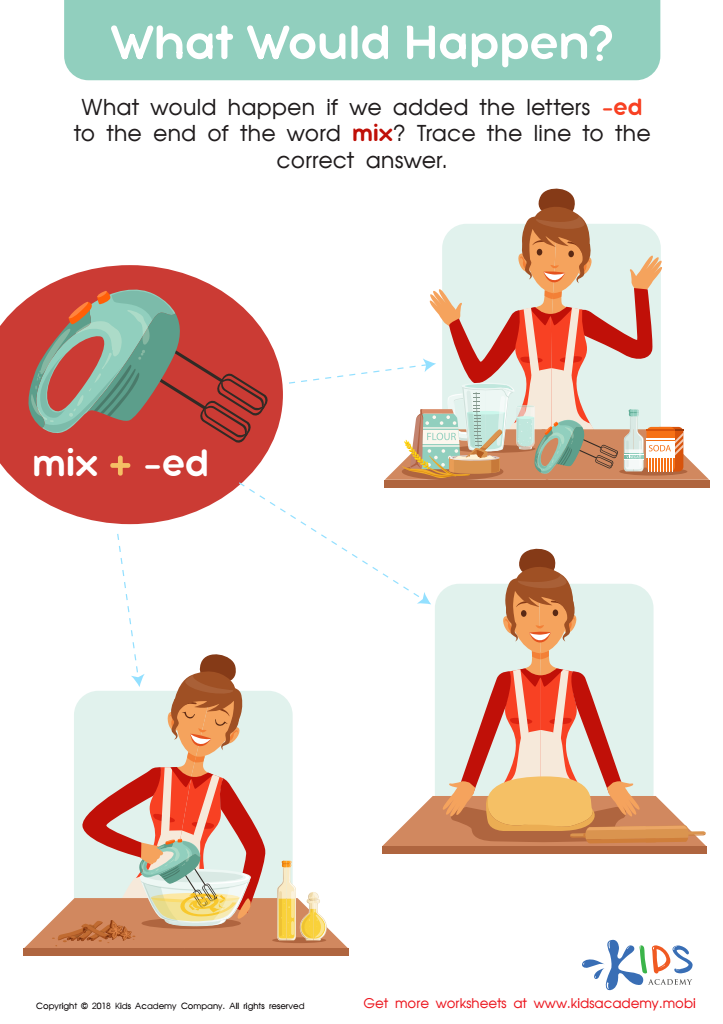
What Would Happen? Worksheet
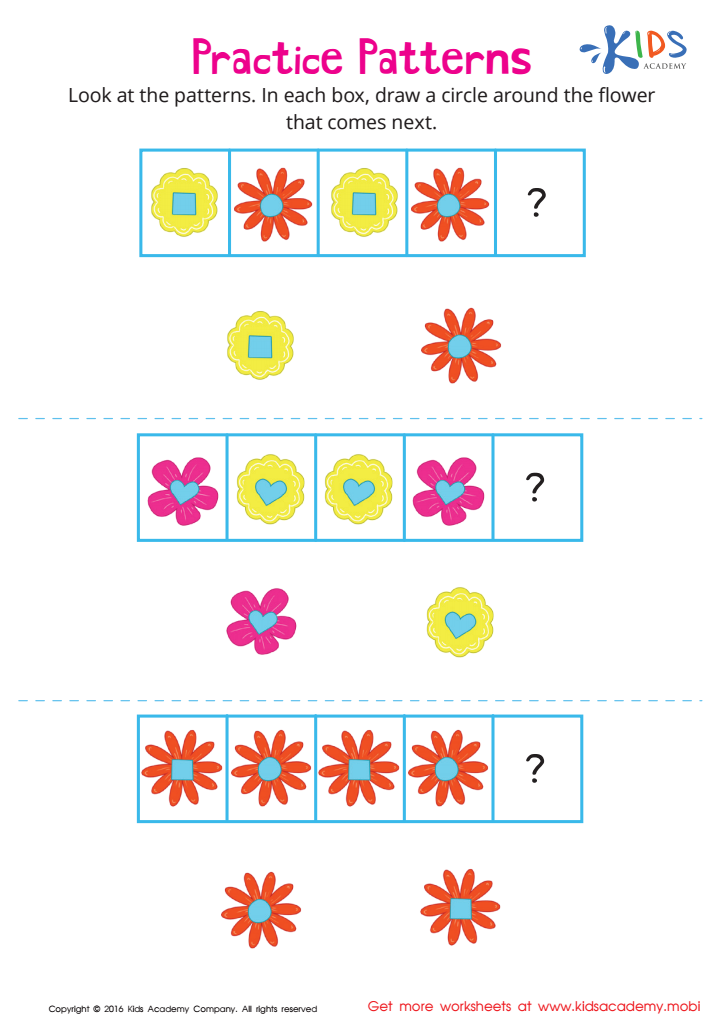
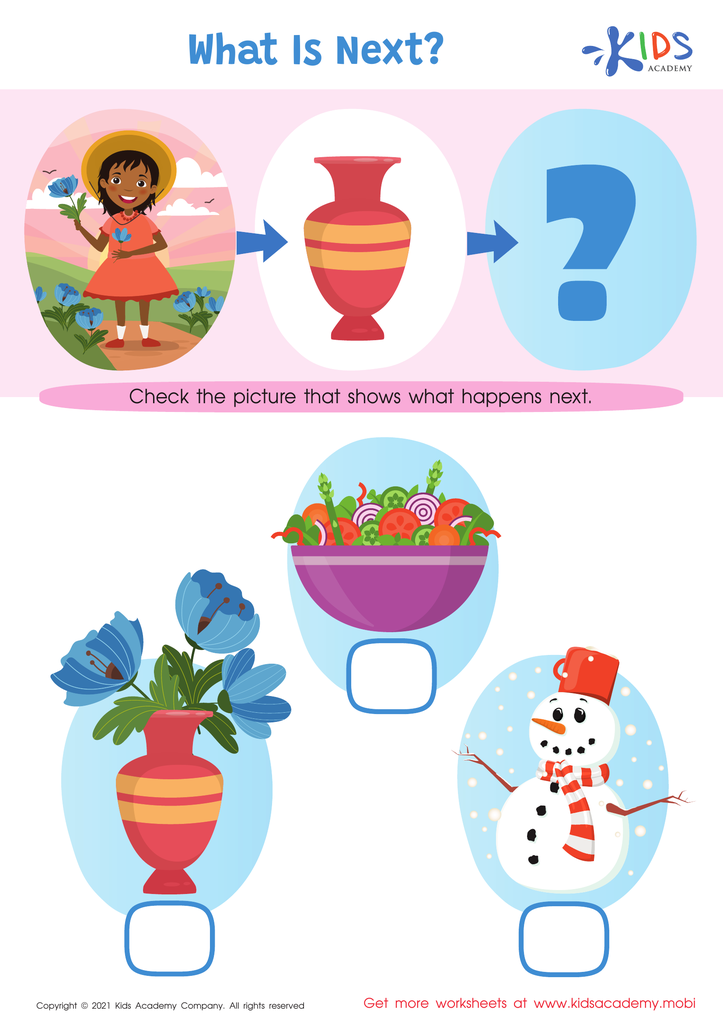
What is Next? Worksheet
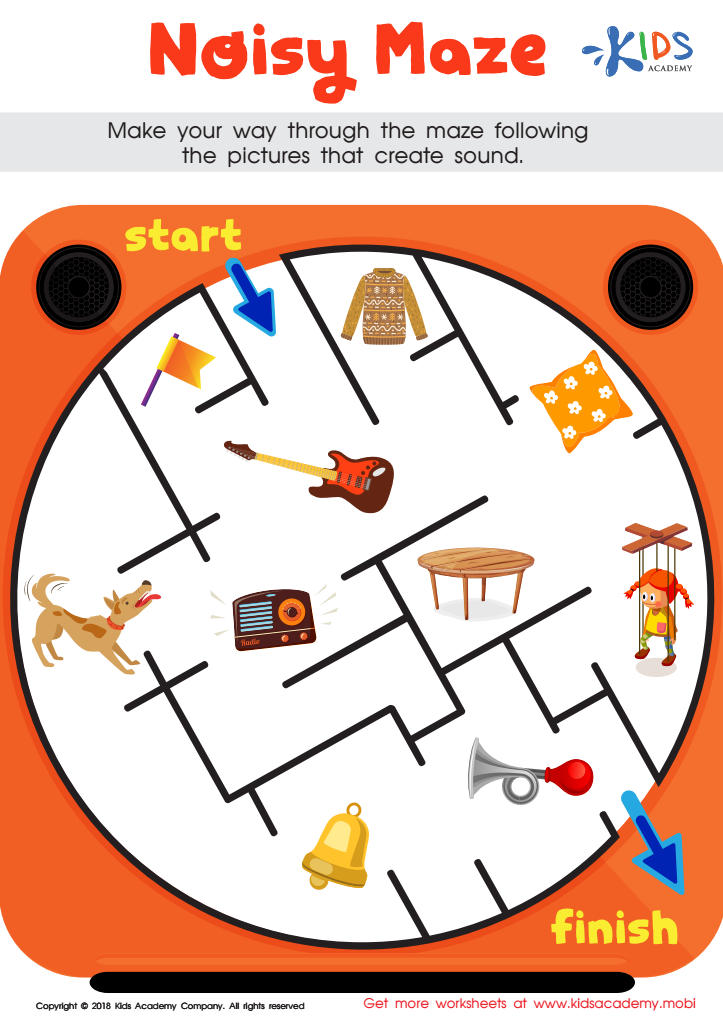
Noisy Maze Worksheet


.jpg)




Logical thinking is a foundational skill that significantly impacts a child’s overall cognitive development. For children ages 3-8, engaging in logical reasoning activities is crucial as it enhances their ability to analyze, evaluate, and solve problems. At this stage, young learners are naturally curious and eager to make sense of the world around them. Fostering logical thinking helps them develop critical thinking skills, improving their capacity to make informed decisions.
Parents and teachers should care about nurturing this skill because it lays the groundwork for future academic success in subjects such as math and science. Through puzzles, sorting games, and pattern recognition, logical thinking encourages mental flexibility and creativity. It teaches children to recognize relationships and sequences, promoting deeper understanding and retention of information.
Furthermore, logical thinking cultivates confidence and independence, as children learn to approach challenges methodically. This transferable skill is not only relevant to academics but also vital for navigating social interactions and real-life situations. By prioritizing logical thinking in early education, parents and teachers can empower children to become proficient problem solvers and critical thinkers, setting them up for lifelong learning and success.








