Matching skills Worksheets for Ages 3-8 - Page 2
35 filtered results
-
From - To
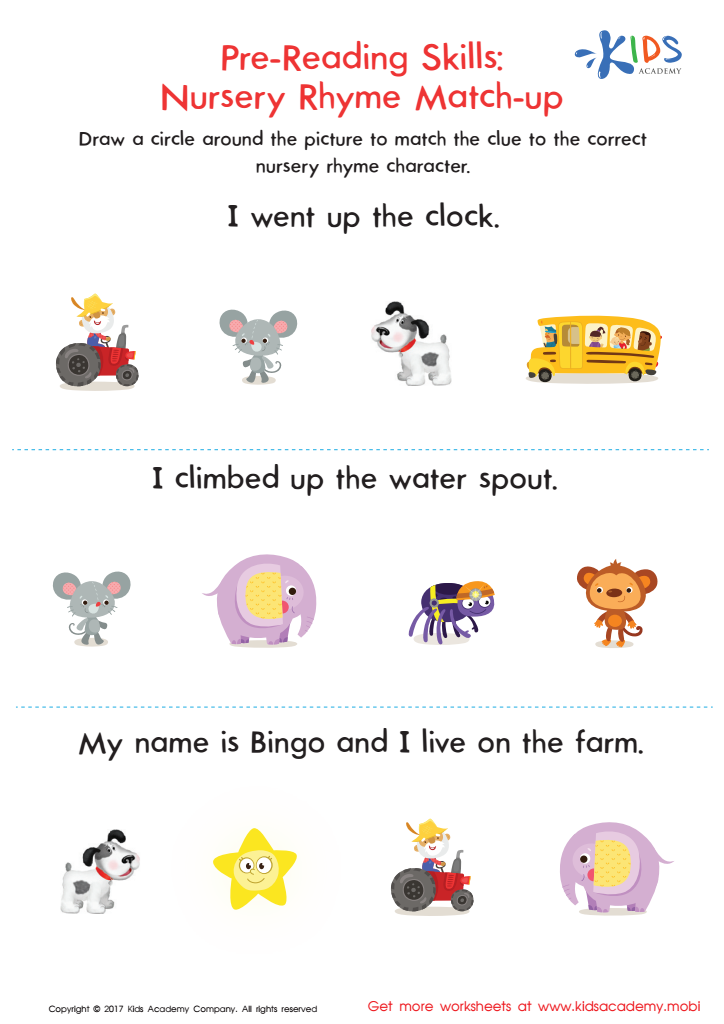
Nursery Rhyme Match–Up Worksheet
 Assign to My Students
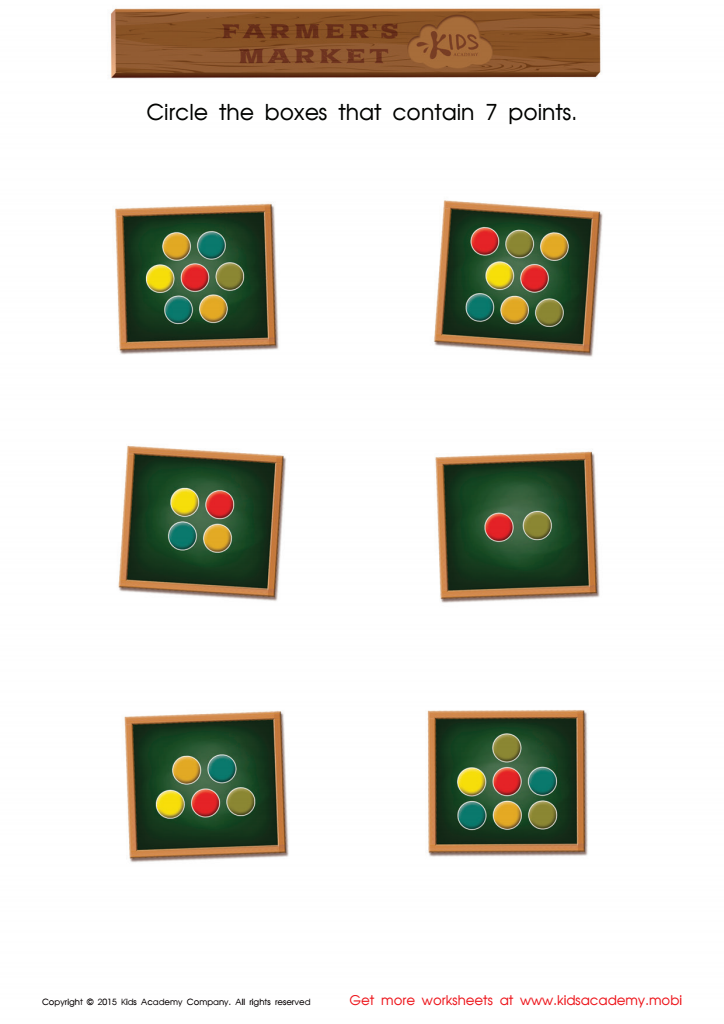
Count and Match Points 7 Math Worksheet
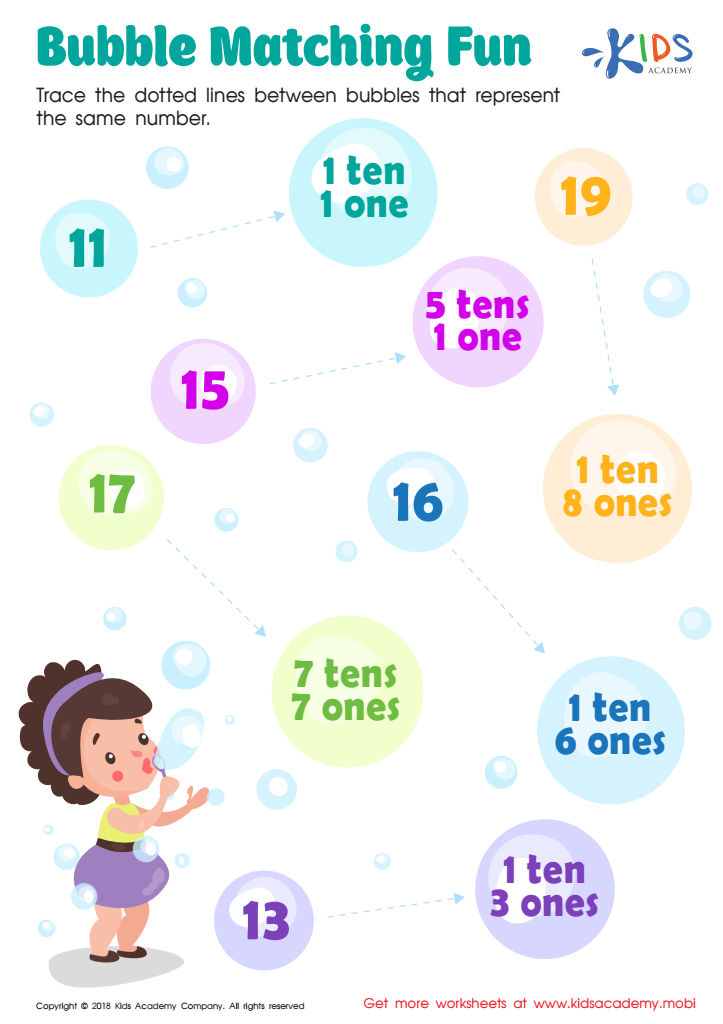
Bubble Matching Fun Worksheet
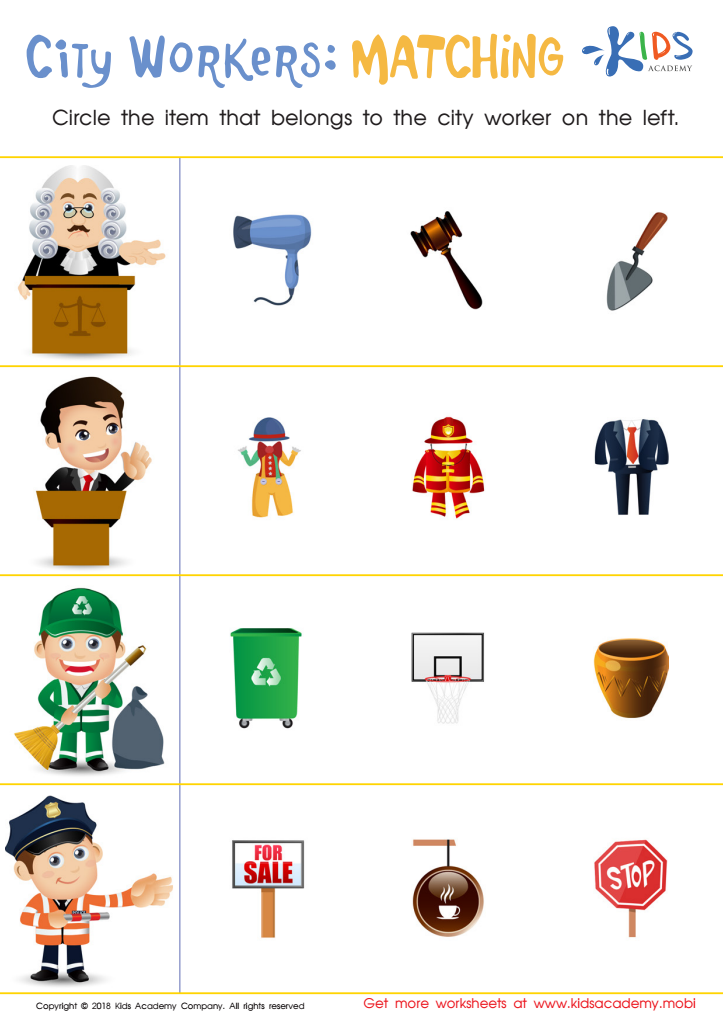
City Workers: Matching Worksheet
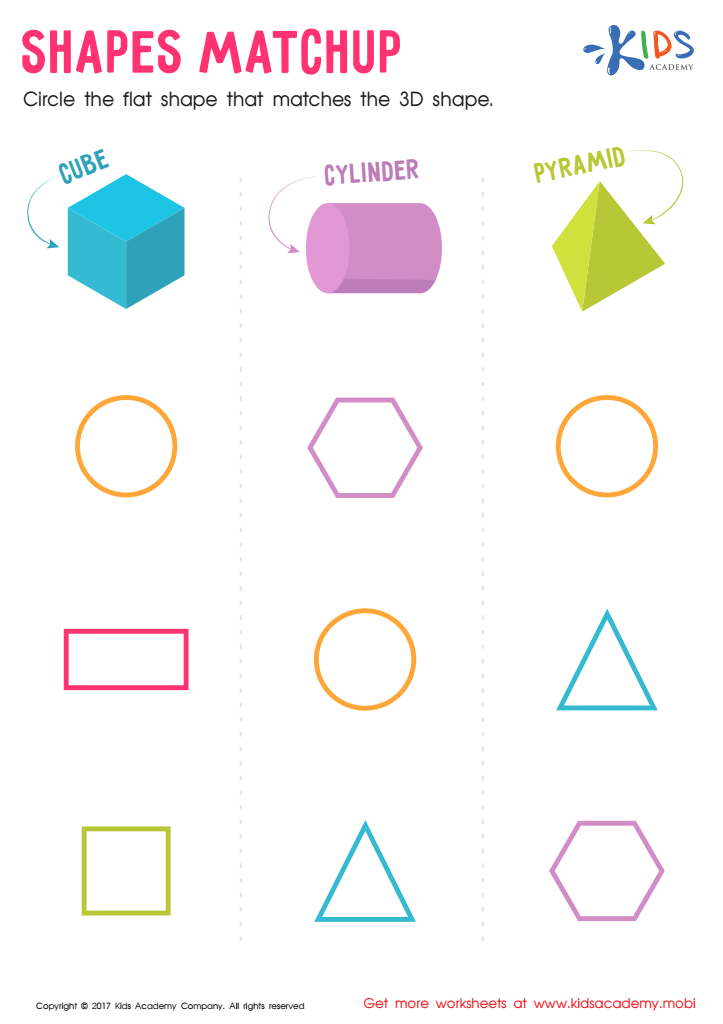
Shapes Matchup Worksheet
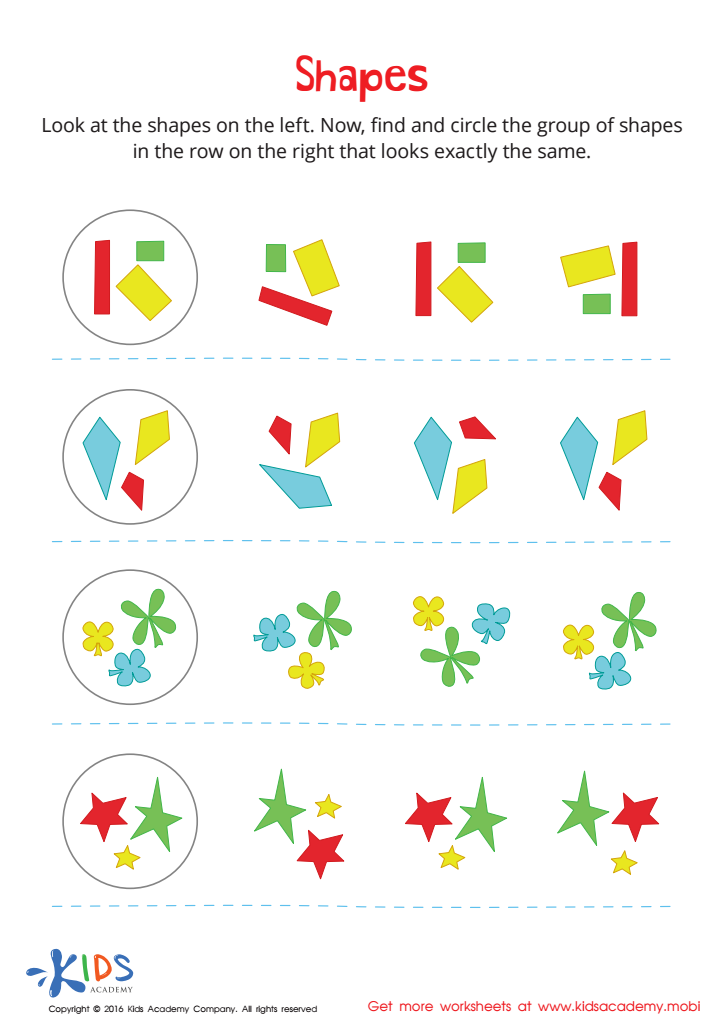
Shapes Worksheet
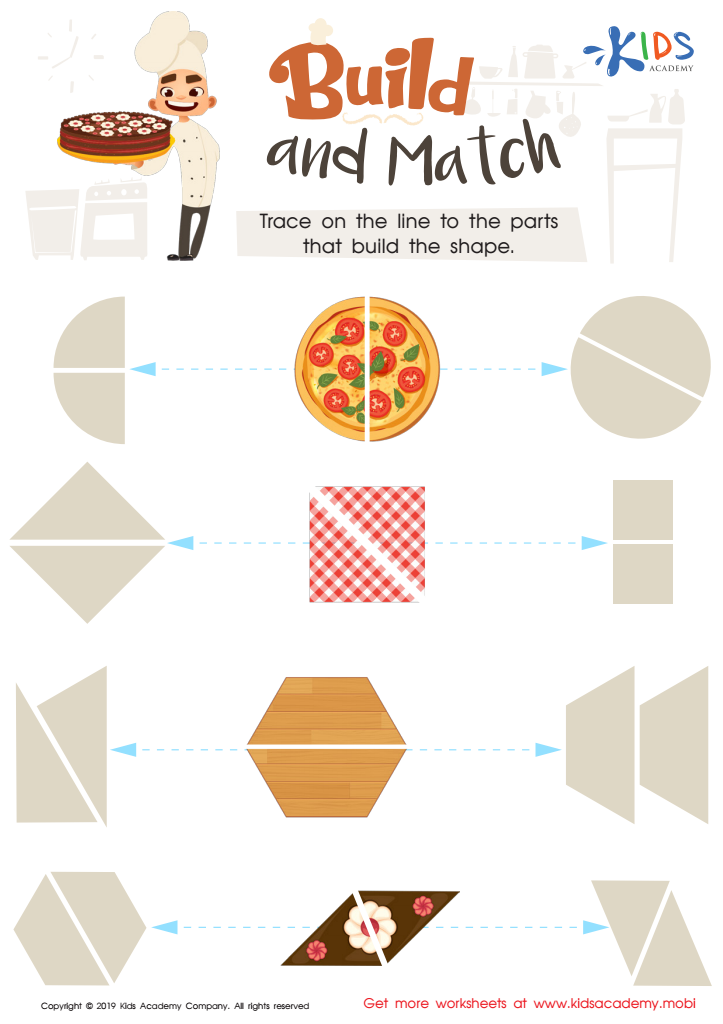
Build and Match Worksheet
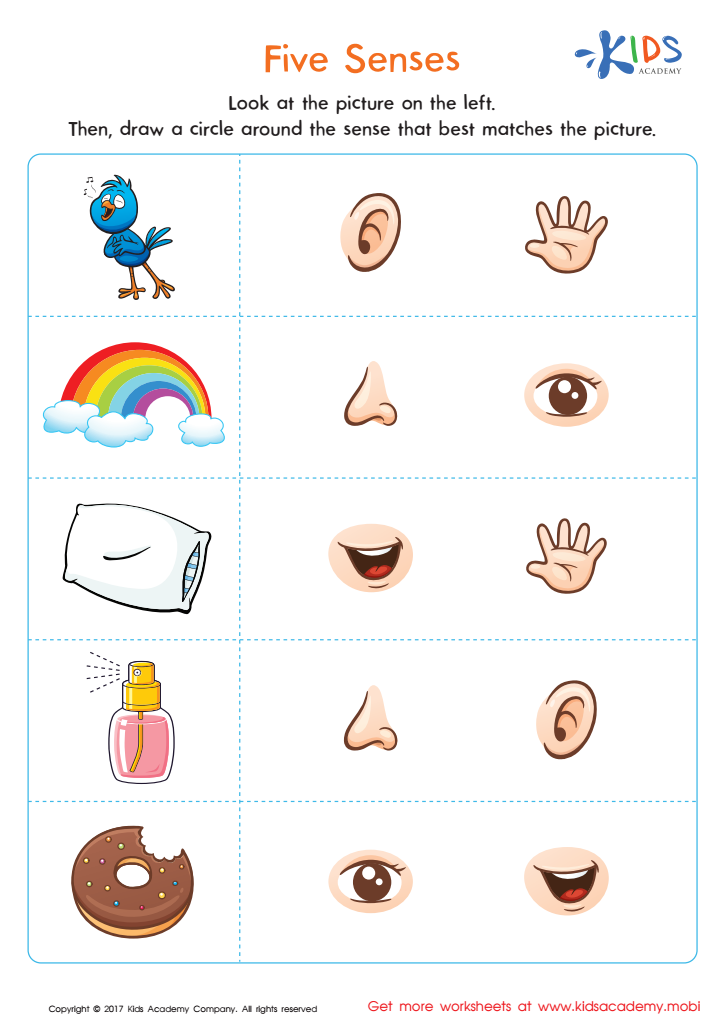
Five Senses Printable
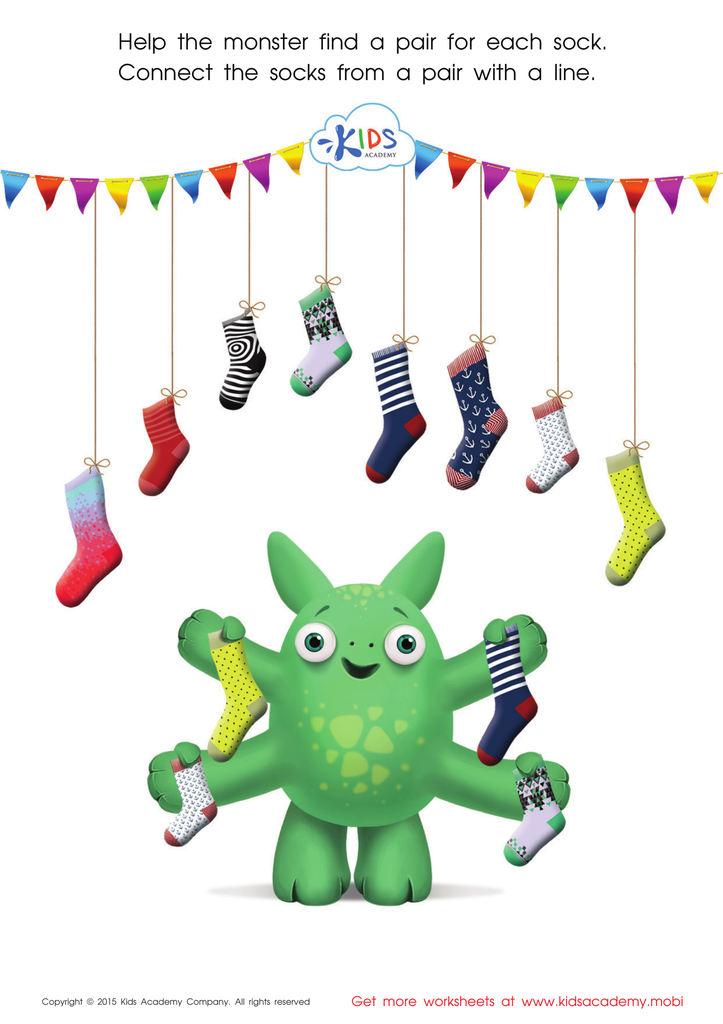
Math Matching Pairs Game: Monsterв's Socks Worksheet
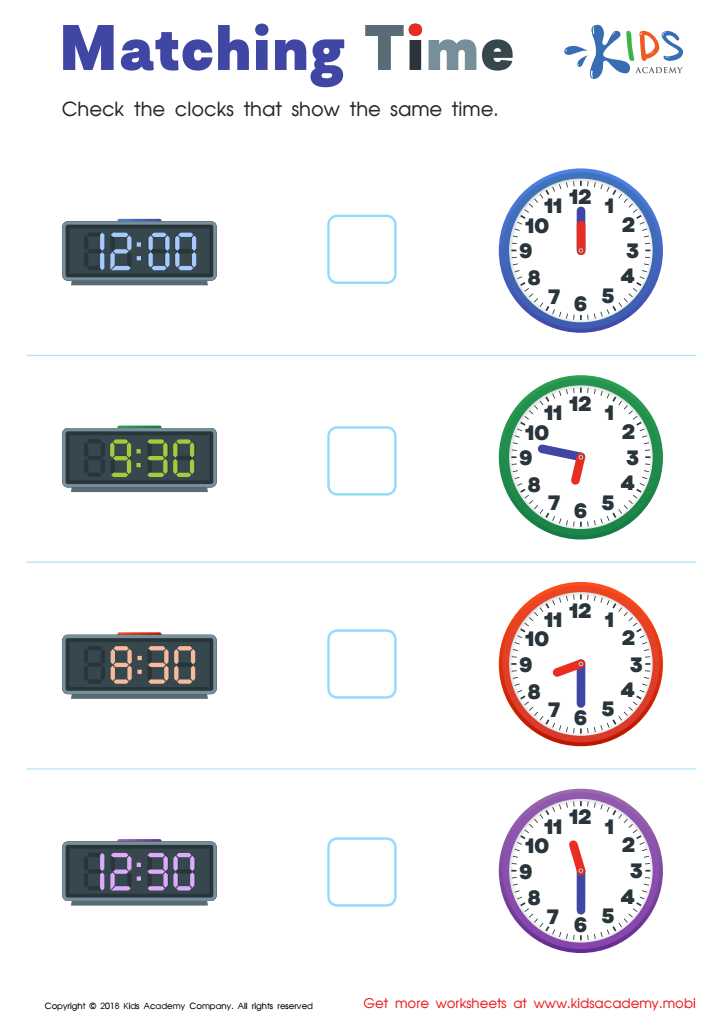
Matching Time Worksheet
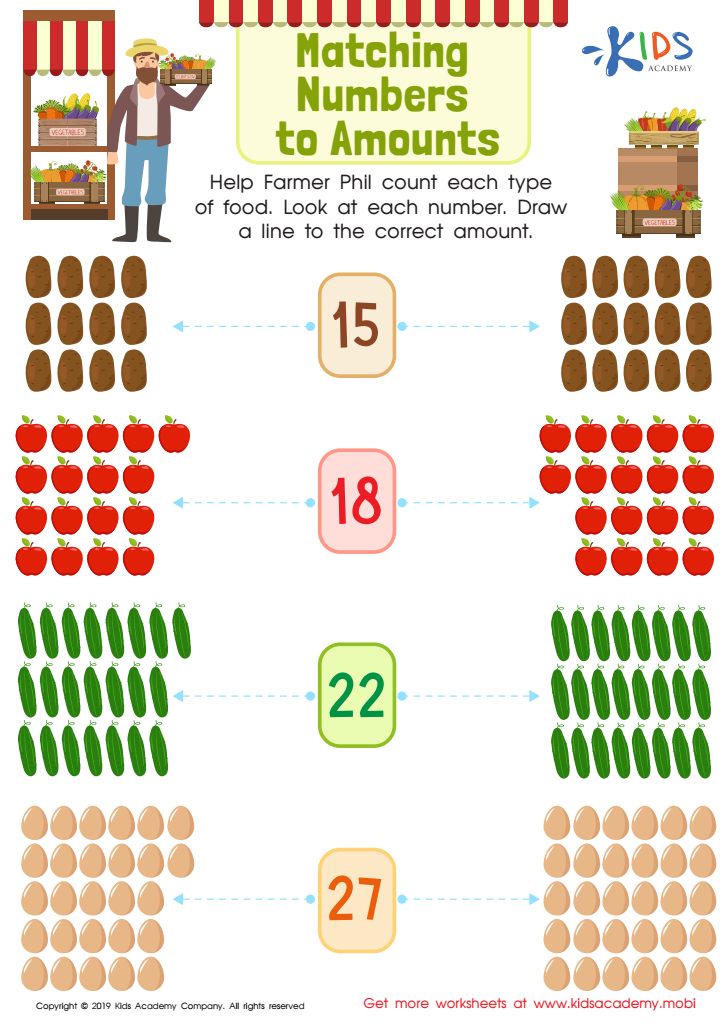
Matching Numbers to Amounts Worksheet






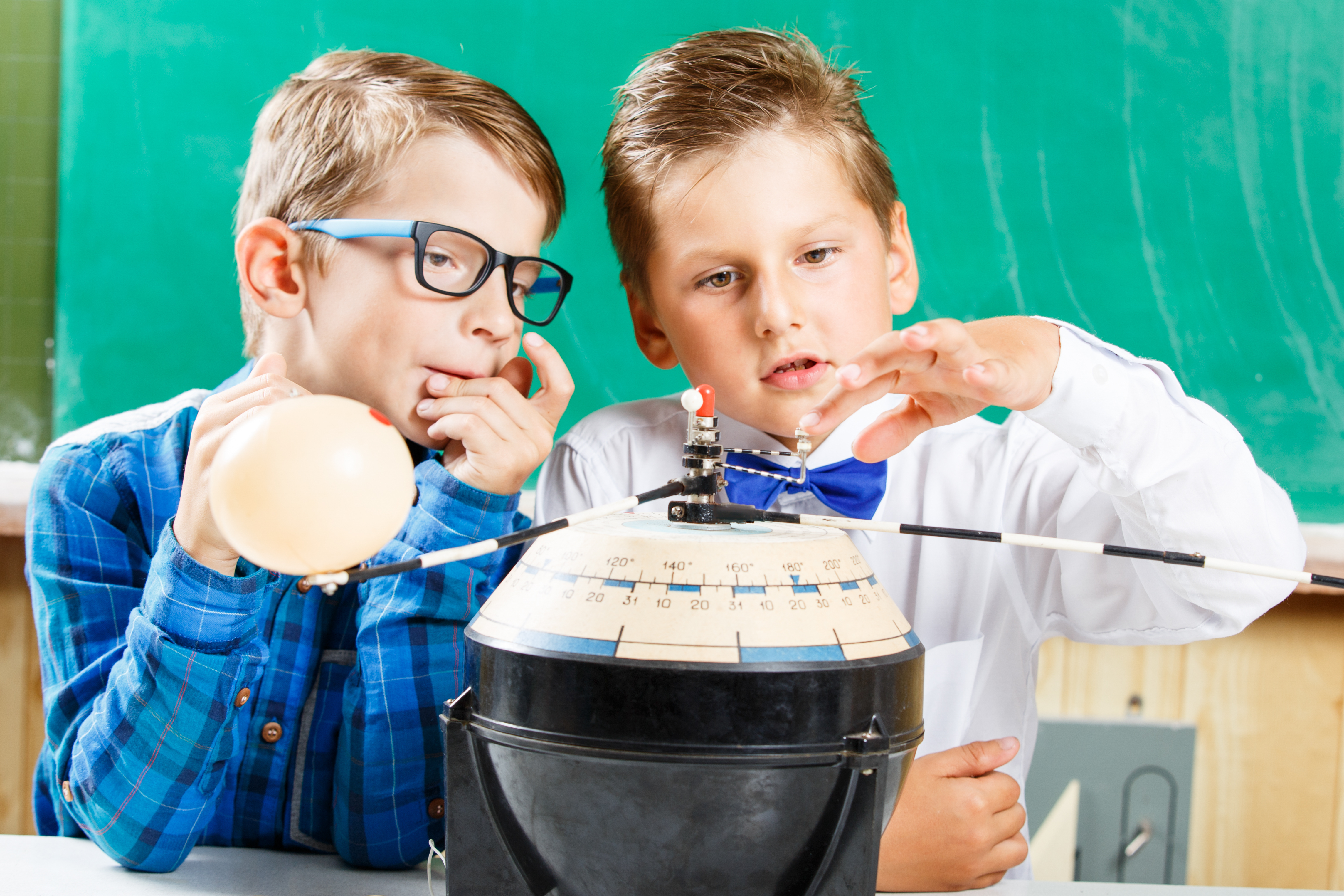
Parents and teachers should prioritize matching skills for children aged 3-8 because it forms a crucial part of their early cognitive development. Matching activities, such as pairing identical pictures, shapes, or colors, enhance a child's visual discrimination, which is their ability to see differences and similarities among objects. This foundational skill is essential for later academic tasks, such as reading, where distinguishing between letters and words requires keen visual attention.
Moreover, matching skills bolster memory, as children need to remember the characteristics of objects to find matches. This exercise enhances both short-term and long-term memory retention. Matching activities also promote critical thinking and problem-solving abilities, encouraging children to make connections and improve their categorization skills.
Socially, engaging in matching games fosters important interpersonal skills. These games often involve taking turns and cooperating with peers or adults, generating opportunities for communication and teamwork. Matching exercises also build confidence as children experience success in completing matches, boosting their self-esteem.
By incorporating matching activities into a child's daily routine, parents and teachers support holistic development that lays the groundwork for academic success and essential life skills. These exercises provide an enjoyable yet educational way to achieve significant developmental milestones.








