Observational skills Worksheets for Ages 3-8 - Page 2
30 filtered results
-
From - To
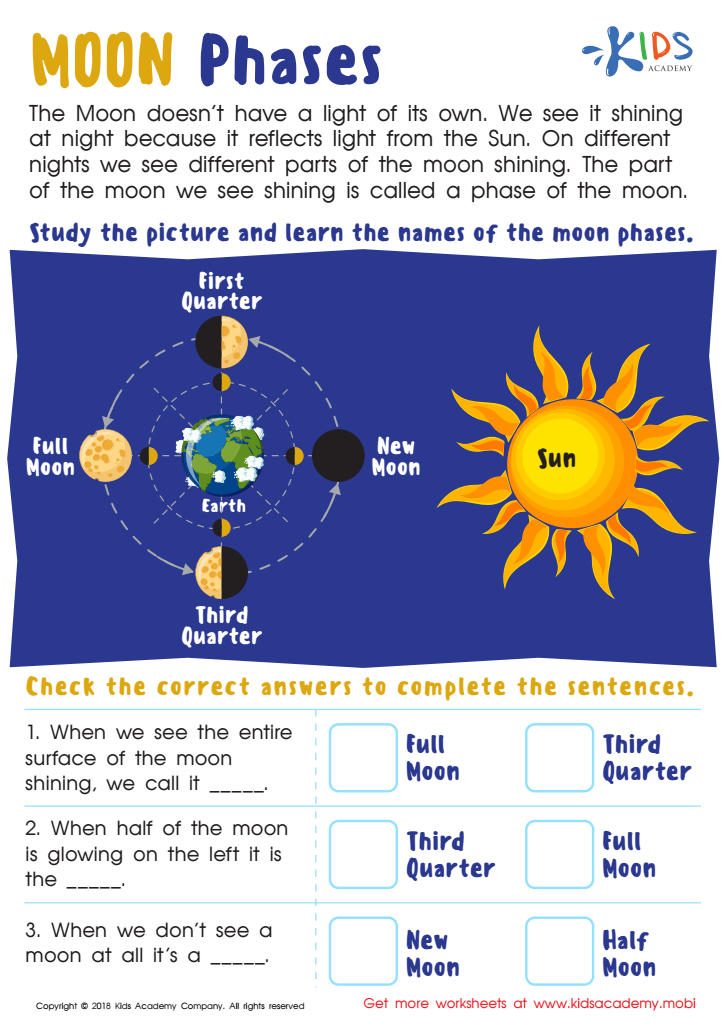
Moon Phases Worksheet
 Assign to My Students
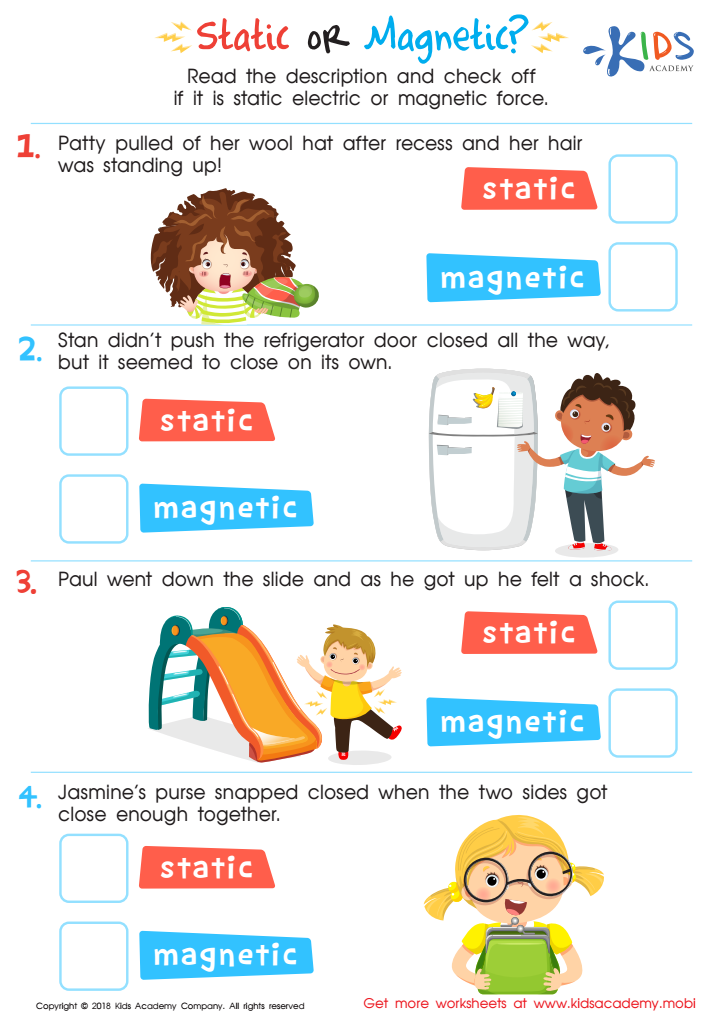
Static or Magnetic Printable Worksheet
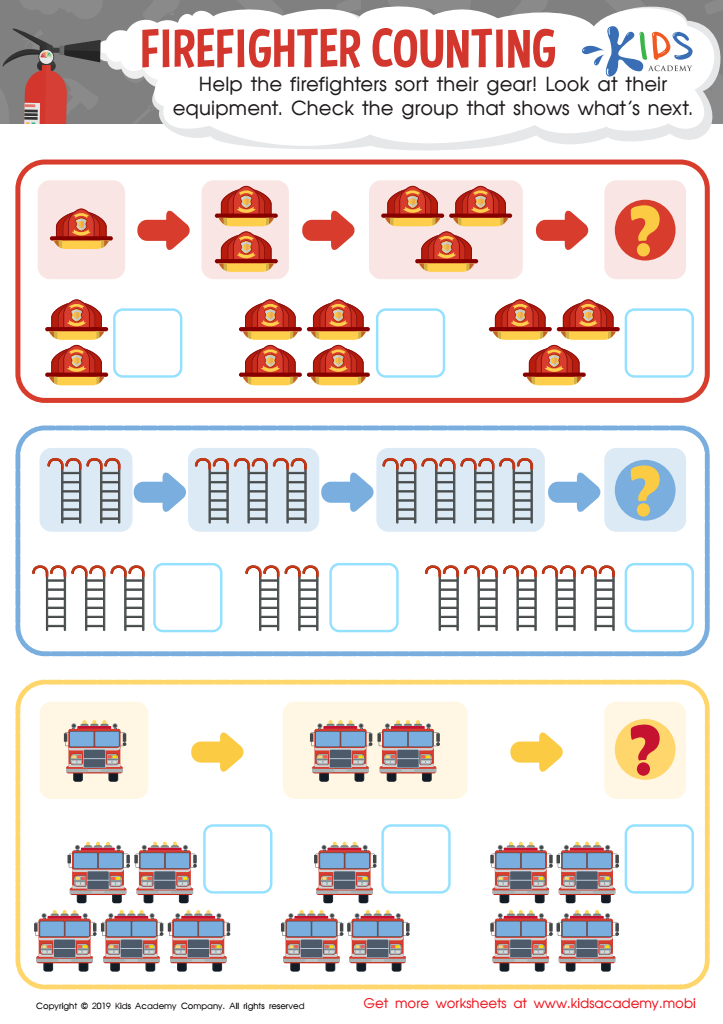
Firefighter Counting Worksheet
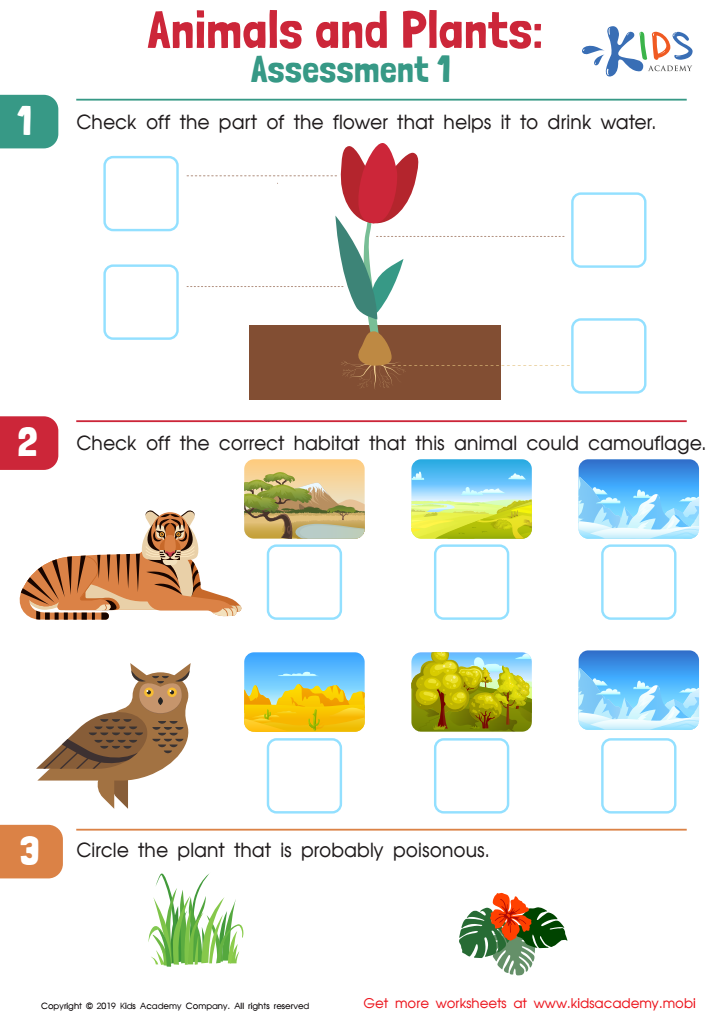
Animals and Plants: Assessment 1 Worksheet






Observational skills are crucial for children aged 3-8, laying the groundwork for lifelong learning and critical thinking. At this developmental stage, children are naturally curious and their brains are highly receptive to new information. Observational skills enable them to notice details, patterns, and changes in their environment, which is fundamental to learning.
For parents and teachers, nurturing these skills enhances children's ability to understand and engage with the world around them. When children observe closely, they build essential cognitive abilities such as attention to detail, memory, and the capacity to make connections. This foundation is vital for academic skills in subjects like science and math, where detailed observation is integral to understanding concepts and conducting experiments.
Furthermore, strong observational skills help in social development. As children observe behaviors, facial expressions, and social cues, they develop empathy and improve their communication skills. This contributes to better peer relationships and emotional intelligence.
Parents and teachers can support the development of these skills through activities such as nature walks, playing 'I Spy,' or discussing pictures in books. Encouraging curiosity, asking open-ended questions, and providing a rich, varied environment are effective strategies. By prioritizing observational skills, parents and teachers set the stage for holistic development, academic success, and a deeper appreciation of the world.








