Phonics development Worksheets for Ages 3-8
5 filtered results
-
From - To
Unlock the magic of reading with our Phonics Development Worksheets for Ages 3-8. Tailored for young learners, these engaging activities help children recognize letters, understand sounds, and blend them to form words. Featuring colorful illustrations and interactive exercises, each sheet is designed to make phonics fun and educational. Perfect for early readers, our worksheets support foundational literacy skills critical for future academic success. Incorporate them into homeschooling plans or as and highly-effective classroom resources. Explore a brighter path to reading fluency today with Kids Academy's expertly crafted phonics worksheets!
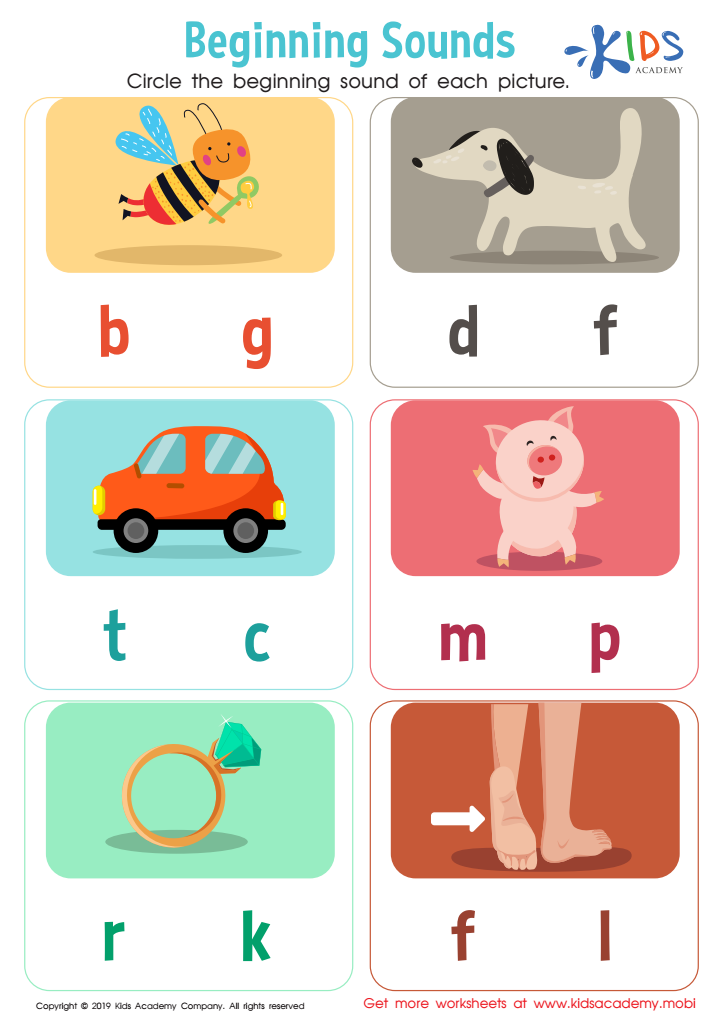
Beginning Sounds Worksheet
 Assign to My Students
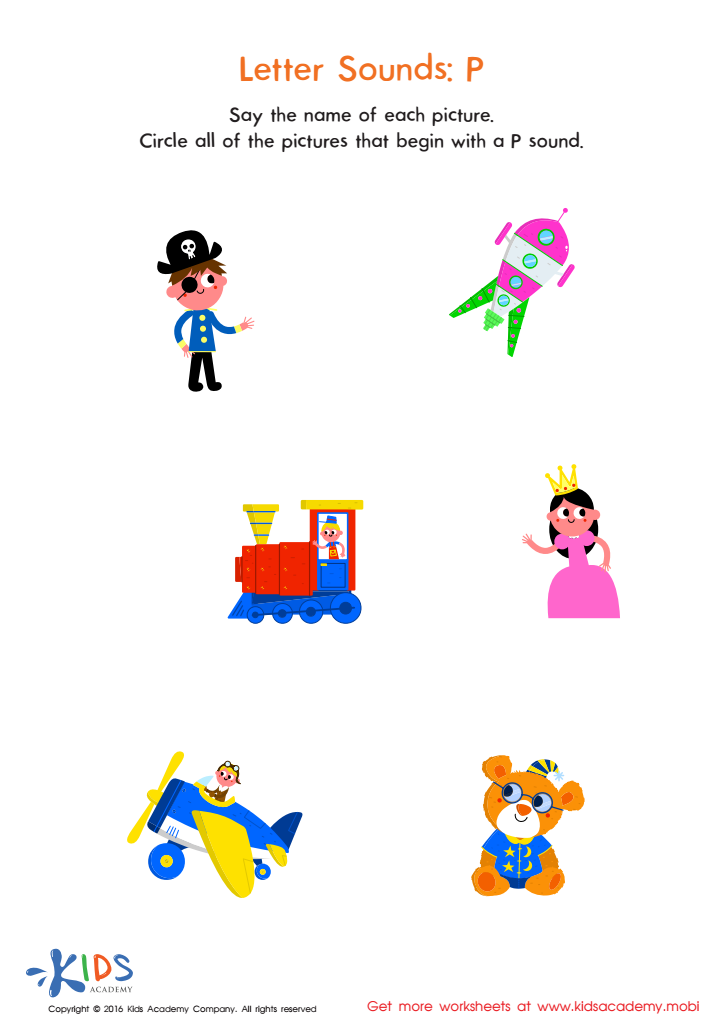
Letter P Sound Worksheet
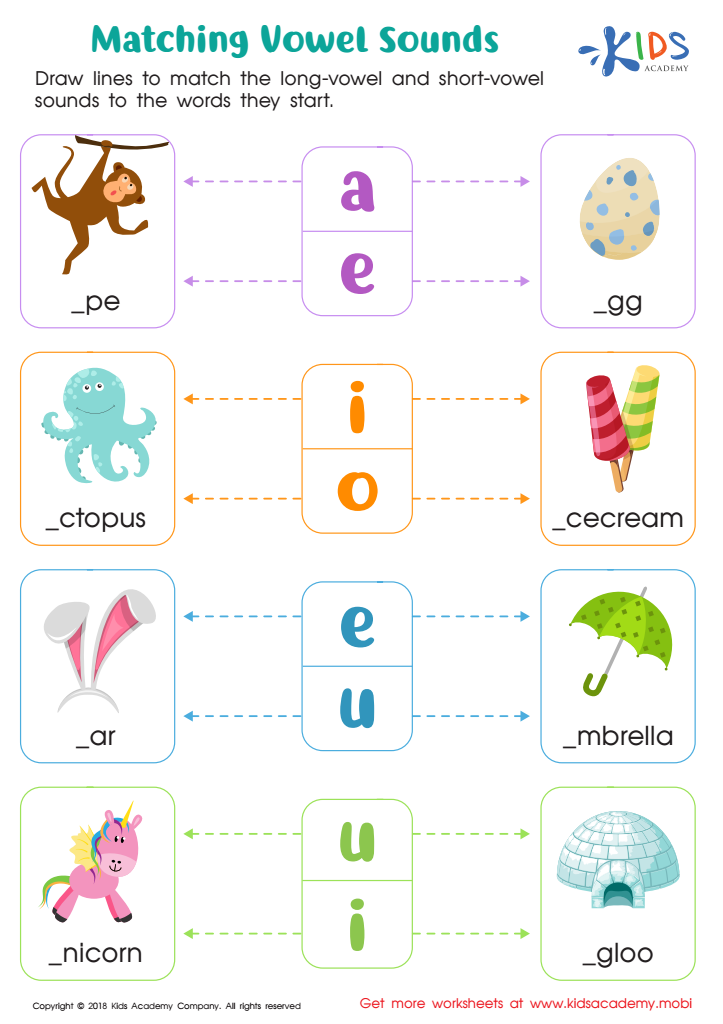
Matching Vowel Sounds Worksheet
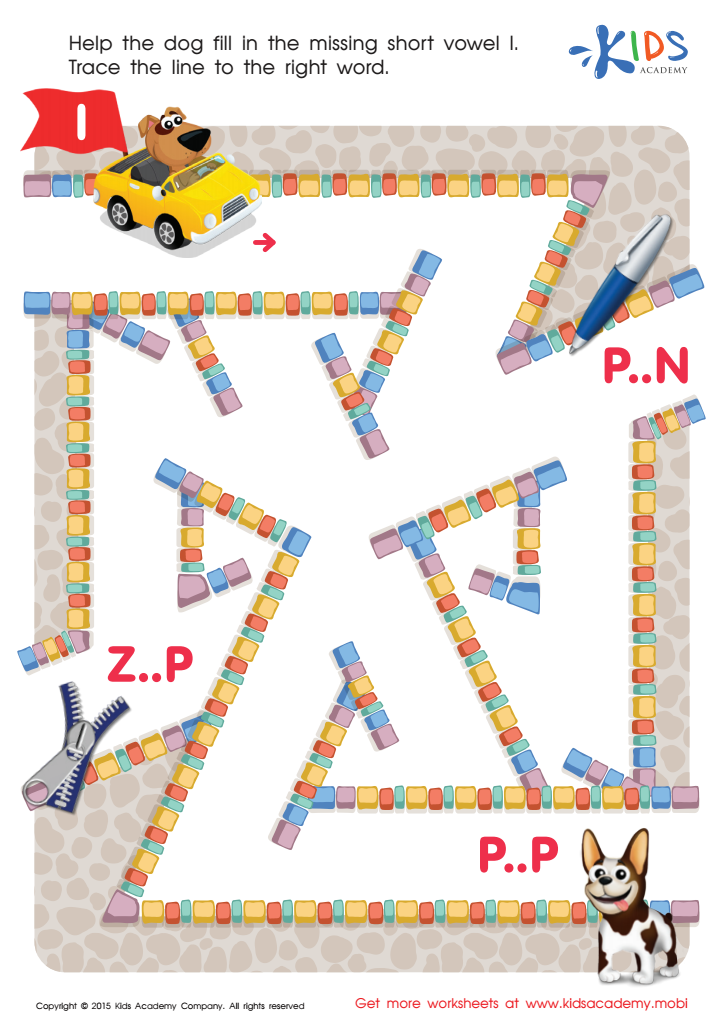
Short Vowel Sound I Worksheet
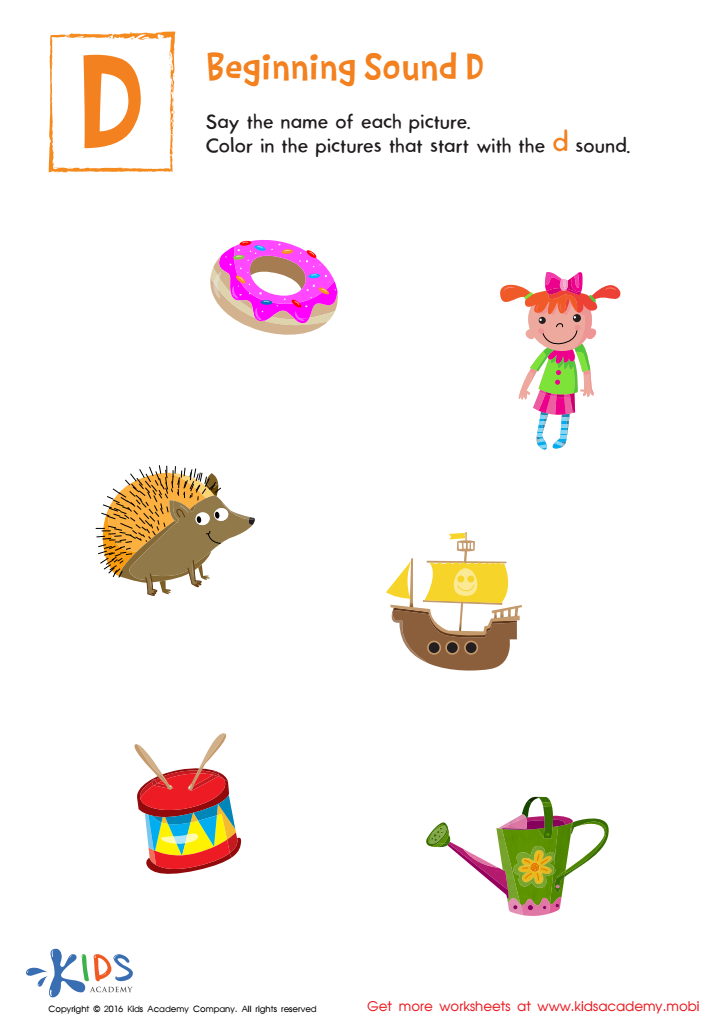
Beginning Sound D Worksheet







Phonics development is crucial for children ages 3-8 because it lays the foundation for reading and writing skills essential for lifelong learning. Phonics teaches children the relationship between letters and sounds, enabling them to decode new words—a fundamental skill in early literacy. As they master phonics, children become more confident readers who can approach unfamiliar words with strategies to sound them out.
For parents and teachers, investing time and effort in phonics development means nurturing a child's ability to comprehend text, which directly affects academic success in all subjects. Early proficiency in reading boosts self-esteem, motivation, and school engagement. Research shows that children who receive strong phonics instruction show greater accuracy in word recognition and stronger spelling skills, which are vital for clear written communication.
Moreover, phonics aids in enhancing listening skills and phonemic awareness, helping children discriminate between different sounds. This discrimination practice is fundamental because it's the first step in developing reading fluency and comprehension skills.
In conclusion, focusing on phonics development from an early age equips children with the tools they need for critical thinking and effective communication, laying a strong academic foundation. Parents and teachers united in fostering this development can thus significantly impact a child's educational journey and overall cognitive growth.








