Phonics skills improvement Worksheets for Ages 3-8
9 filtered results
-
From - To
Discover our engaging Phonics Skills Improvement Worksheets designed for children ages 3-8! These interactive worksheets help young learners build critical phonics skills, from letter recognition to blending sounds. Through fun activities and colorful illustrations, kids will explore the connections between letters and sounds, enhancing their reading and writing abilities. Perfect for classroom use or homeschooling, our worksheets cater to different learning styles, ensuring every child can succeed. Start your child's phonics journey today with our carefully crafted, educational worksheets that make learning to read enjoyable and effective. Visit our website to download and print worksheets now!
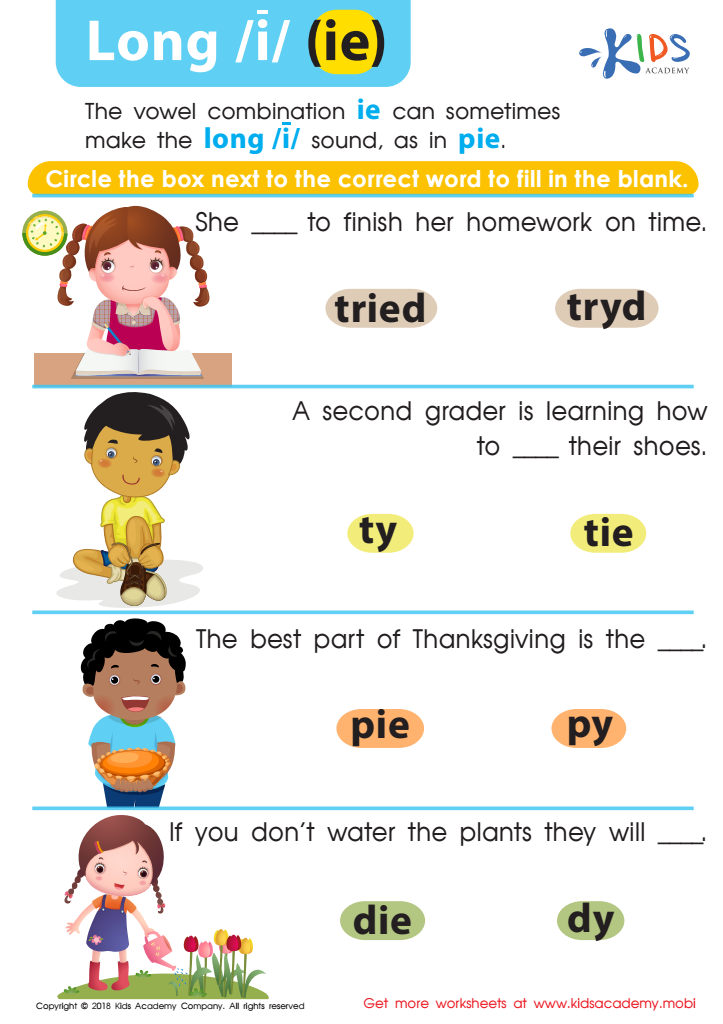
Reading: Long I and IE Worksheet
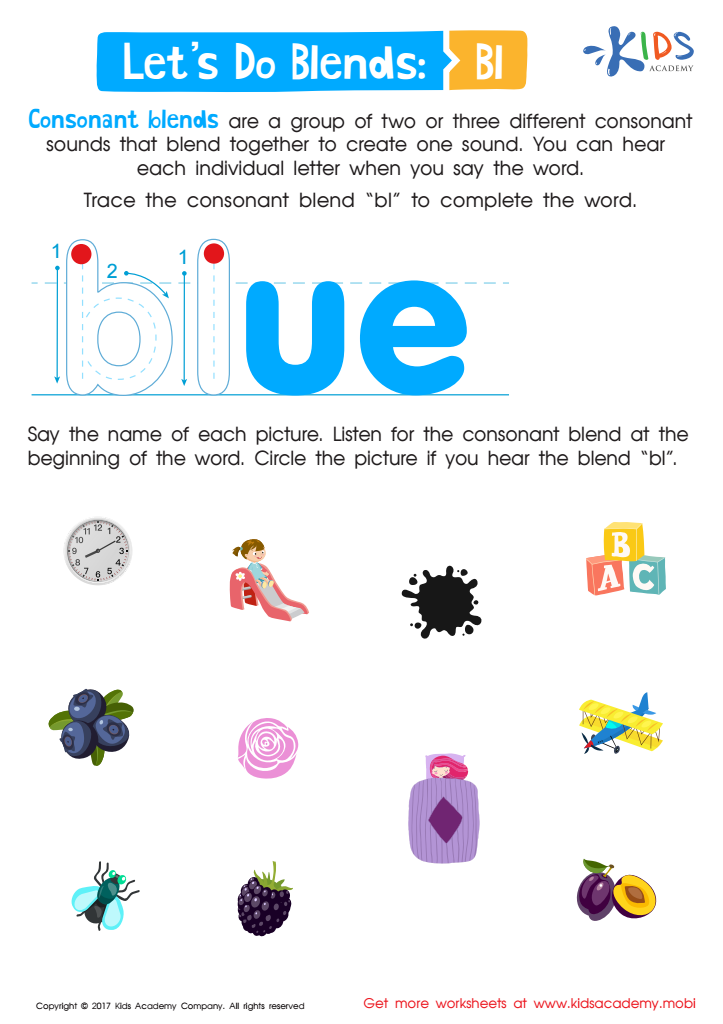
Beginning Blends: "Bl" Words Worksheet
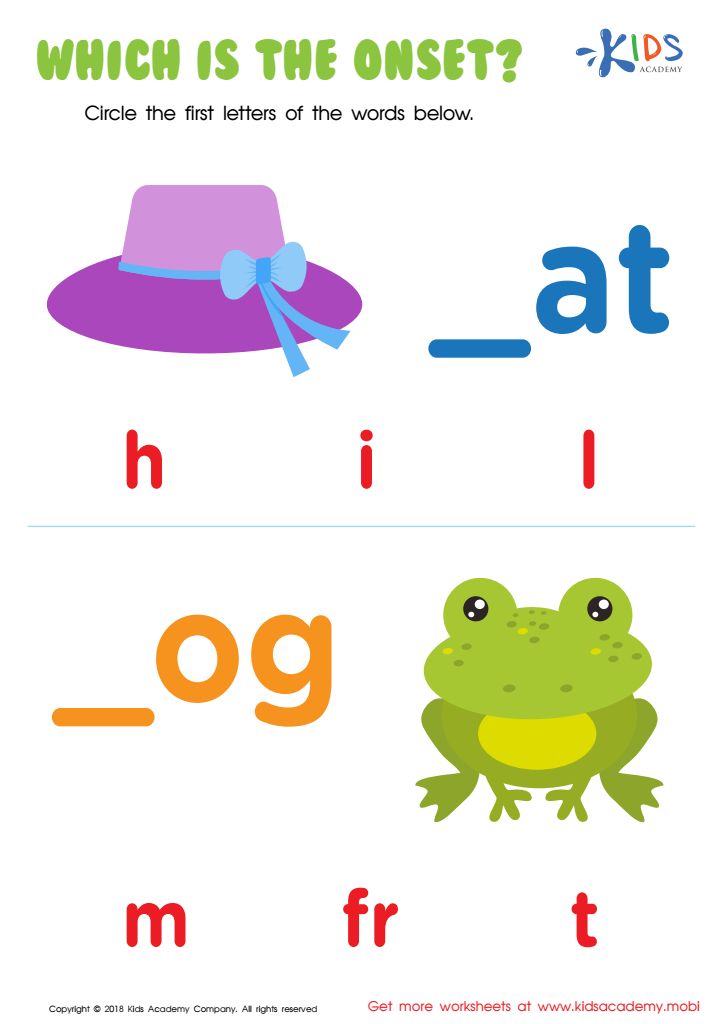
Which Is the Onset? Worksheet
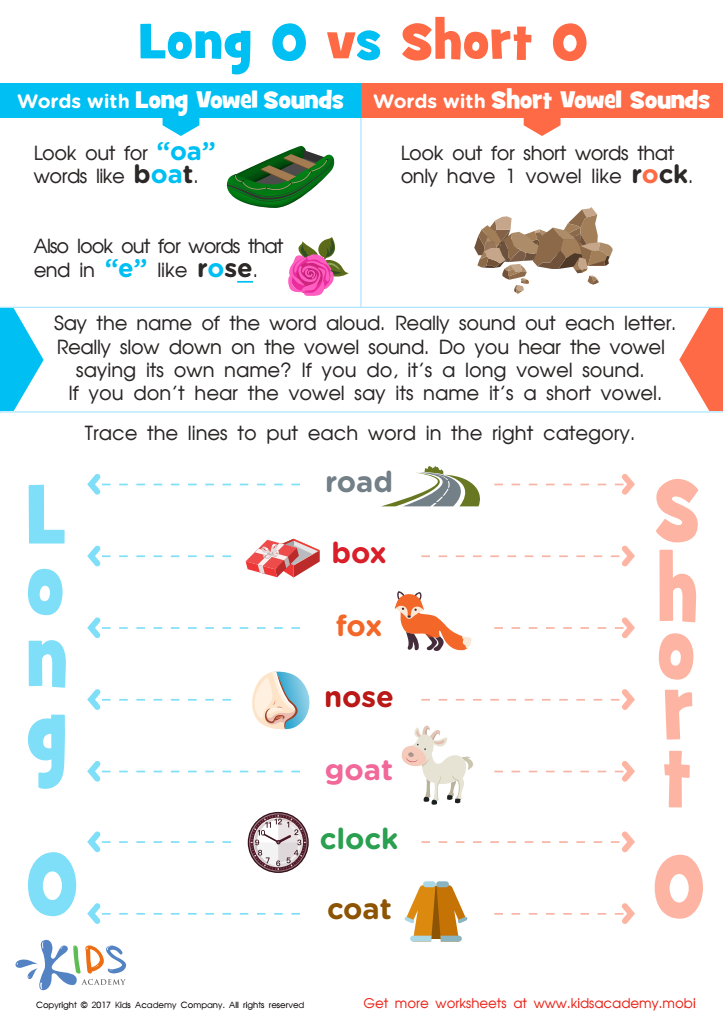
Long and Short Vowel O Spelling Worksheet
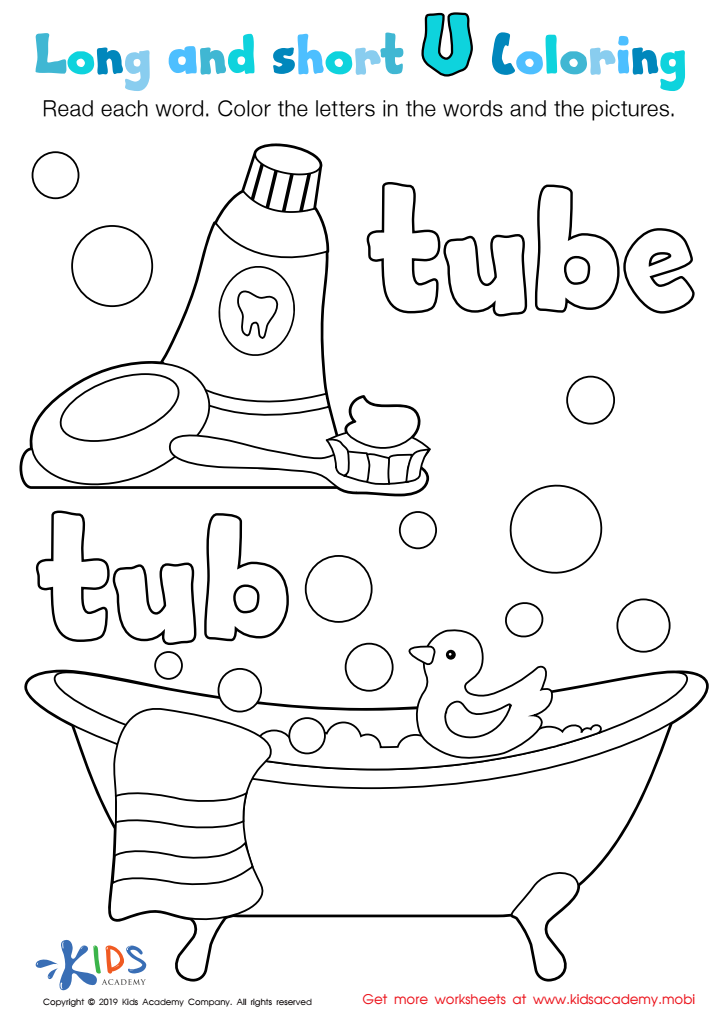
Long and Short U Worksheet
 Assign to My Students
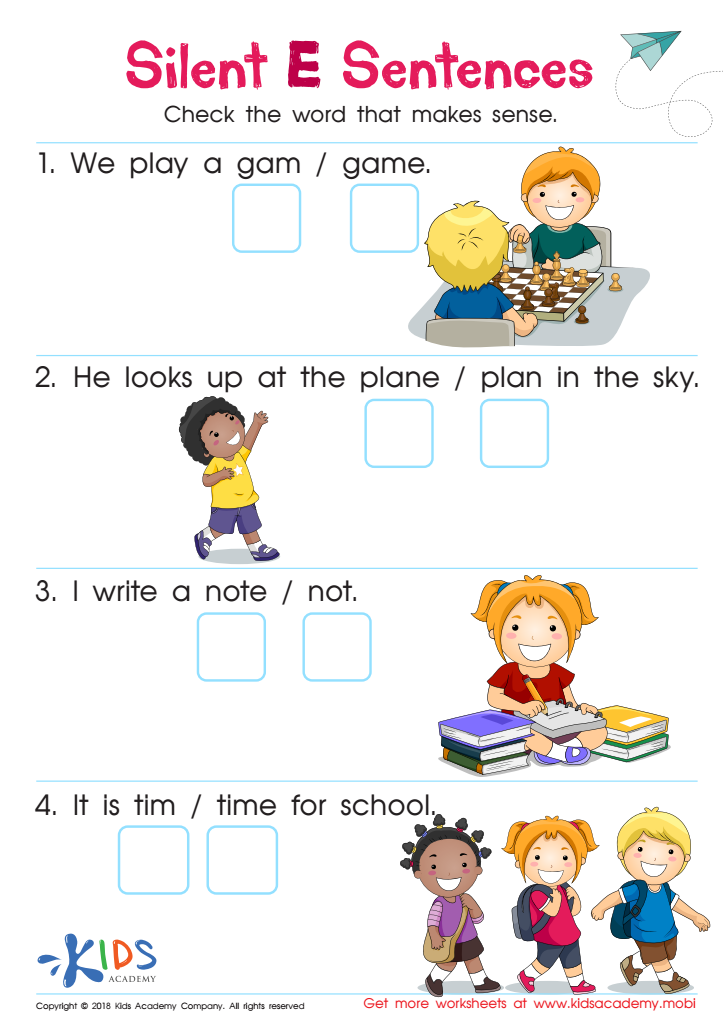
Silent E Sentences Worksheet
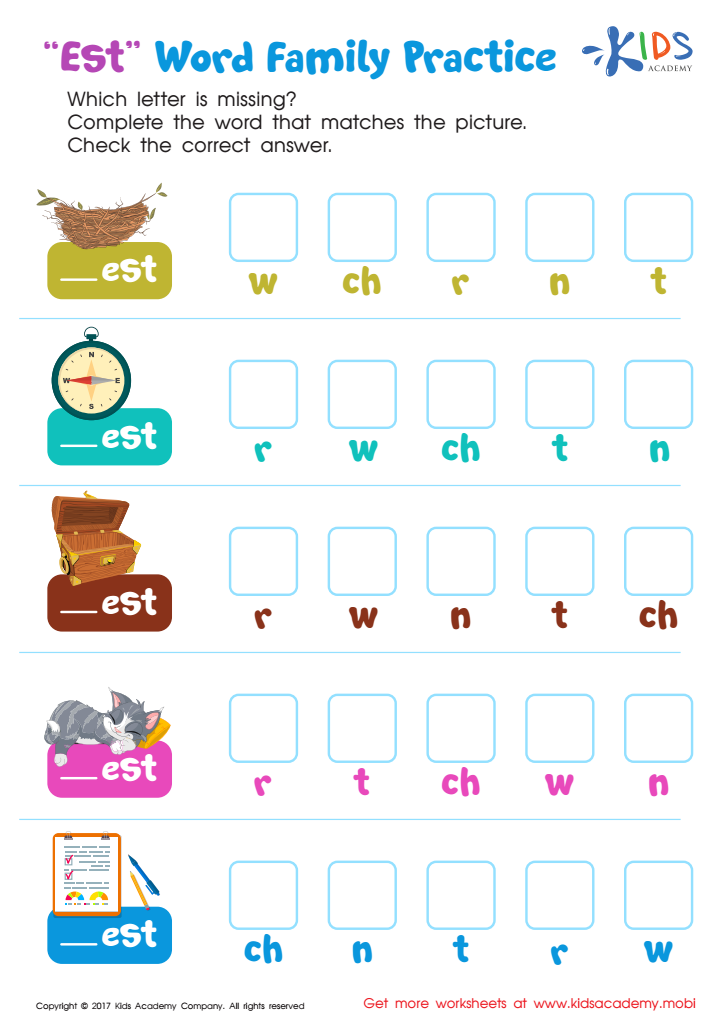
Words Family "est" Spelling Worksheet
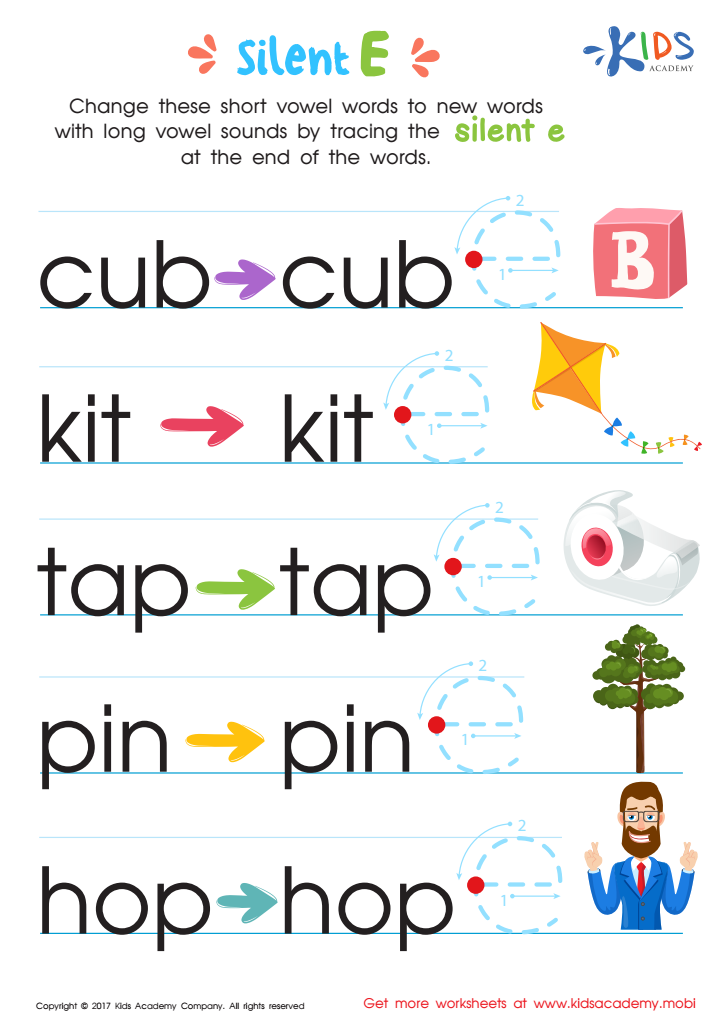
Silent E Words Worksheet
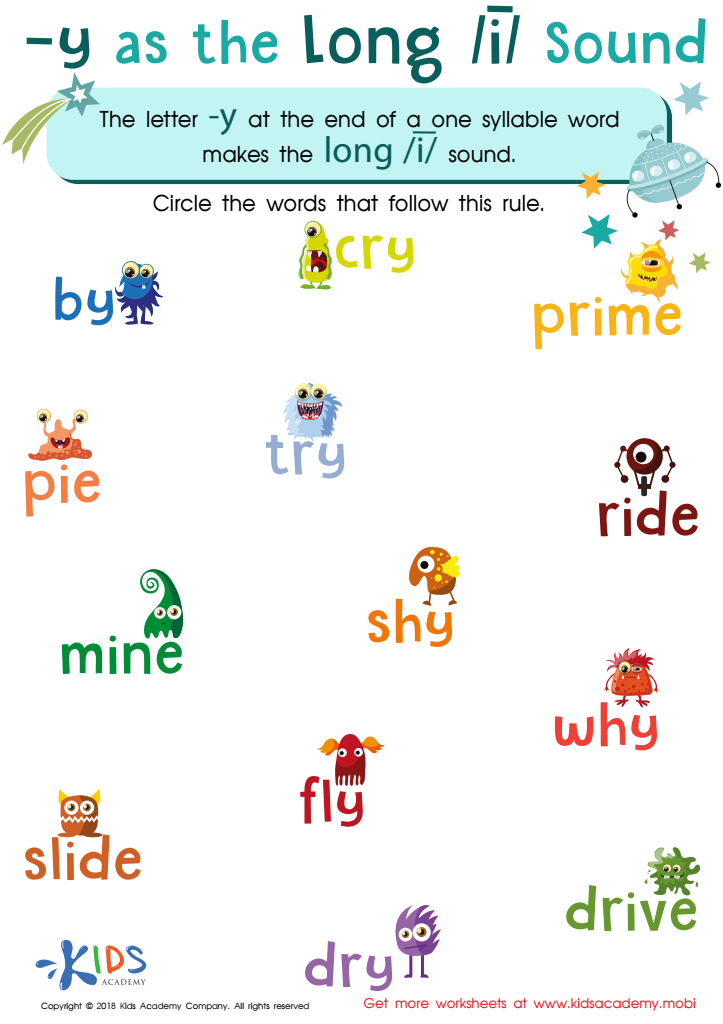
Reading: Y as Long I Worksheet








Parents and teachers should prioritize phonics skills improvement for children aged 3-8 because these foundational abilities are critical for reading success and overall academic achievement. Phonics involves the relationship between sounds and their corresponding letters or groups of letters. This knowledge helps children decode new words, develop reading fluency, and comprehend texts more effectively.
Phonics skills are crucial during the early years of a child's education when their brains are most receptive to language acquisition. Proficiency in phonics supports accurate and speedy word recognition, allowing children to read with greater ease and focus on understanding the meaning of the text rather than struggling to identify each word. Mastery of phonics not only boosts reading confidence but also fosters a lifelong love for reading which is essential for continuous learning across all subjects.
Moreover, early phonics instruction can prevent later reading difficulties and is particularly beneficial for children who may be at risk of dyslexia or other reading disorders. Investing time in phonics improvement sets a strong foundation for children's future educational experiences, enabling them to meet and surpass developmental milestones. By emphasizing the importance of phonics, parents and teachers ensure that children are equipped with the essential skills needed to thrive academically and beyond.








