Practicing writing skills Worksheets for Ages 3-8
4 filtered results
-
From - To
Explore our "Practicing Writing Skills Worksheets for Ages 3-8," designed to nurture young writers through engaging activities. Our worksheets cater to various skill levels, helping children develop their handwriting, letter formation, and vocabulary. With colorful illustrations and fun exercises, kids will stay motivated while mastering essential writing components. From tracing letters to creative storytelling prompts, each resource encourages self-expression and fine motor skills development. Ideal for home or classroom use, these printable worksheets are perfect for enhancing your child's literacy journey. Empower your little ones to express their thoughts confidently and build a solid foundation for lifelong writing success!
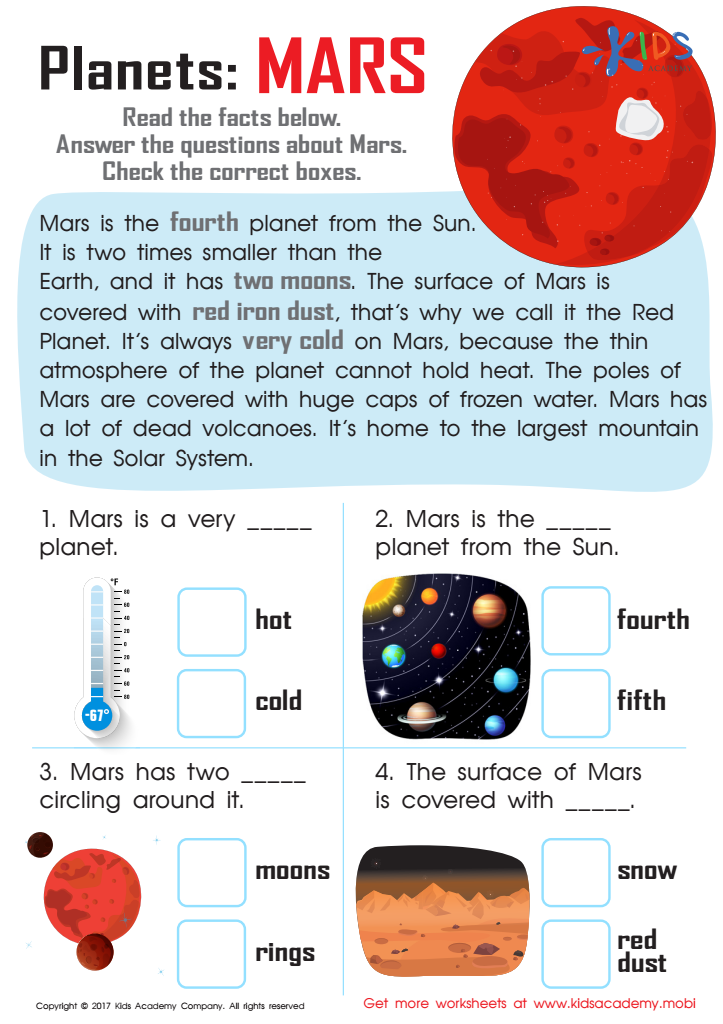
Mars Fact Printable Worksheet
 Assign to My Students
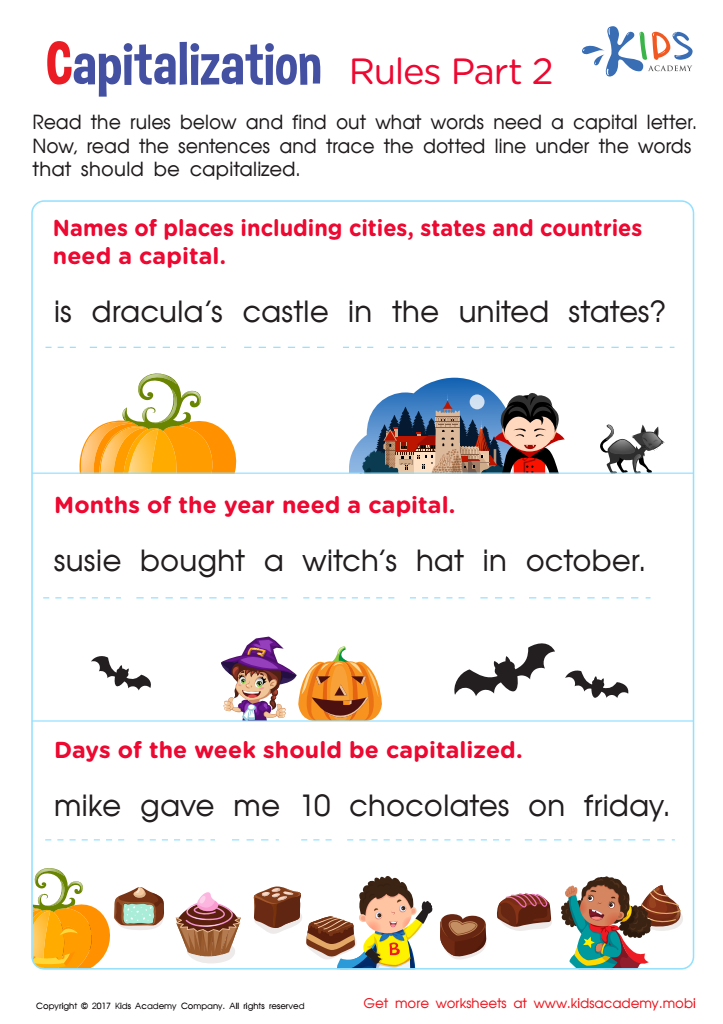
Capitalization Rules: Part 2 Worksheet
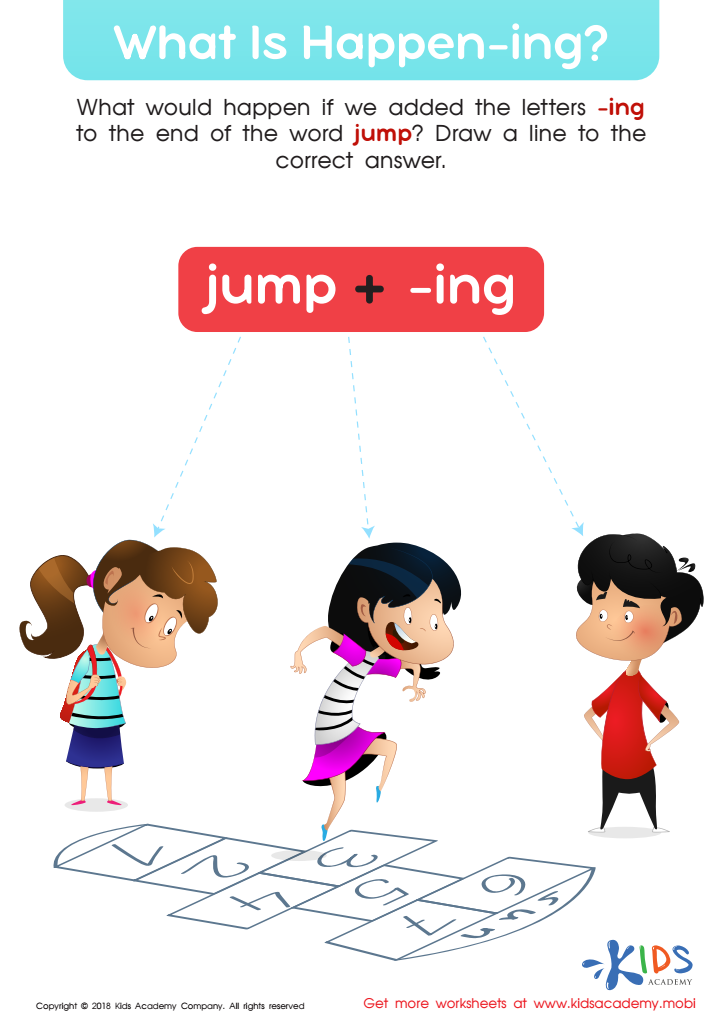
What Is Happen-Ing? Worksheet
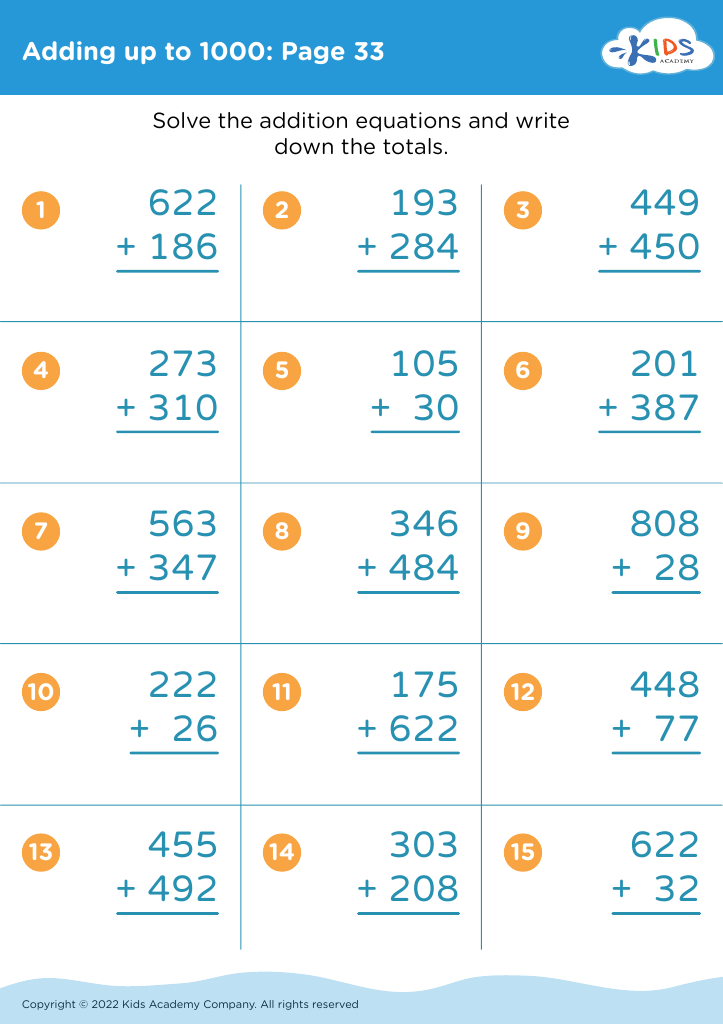








Practicing writing skills for children ages 3-8 is crucial for their overall development and success in school and life. Early writing cultivates fine motor skills, enhancing children's hand strength and coordination, which are foundational for many academic activities. It aids in cognitive development by promoting critical thinking and allowing young learners to express their thoughts and feelings creatively.
Moreover, writing cultivates literacy skills, as children learn the mechanics of letters, words, and sentences. This practice helps them decipher connections between spoken and written language, enhancing reading comprehension and vocabulary. When children engage in writing, they develop the ability to organize their thoughts and communicate clearly, skills that are essential throughout their educational journey.
Additionally, writing fosters self-expression and emotional well-being. Young children often find it easier to articulate their feelings and experiences in writing than verbally, helping them build confidence and a sense of identity. For parents and teachers, nurturing writing skills means investing in a child's future, providing them with essential tools for effective communication, problem-solving, and critical thinking, paving the way for lifelong learning and resilience. Ultimately, supporting writing at an early age lays the groundwork for academic achievement and personal growth.








