Problem-solving ability Worksheets for Ages 3-8
5 filtered results
-
From - To
Unlock your child's potential with our engaging Problem-Solving Ability Worksheets tailored for ages 3-8. These expertly designed resources foster critical thinking, creativity, and strategic planning skills essential for young learners. Each worksheet merges fun and learning, incorporating puzzles, matching games, and logical challenges to make problem-solving an enjoyable adventure. Ideal for both classroom and home use, our worksheets adapt to various learning styles, ensuring every child can thrive. Empower your child to approach challenges with confidence and enthusiasm. Start building crucial lifelong skills with Kids Academy's Problem-Solving Ability Worksheets today! Fostering bright minds, one worksheet at a time.
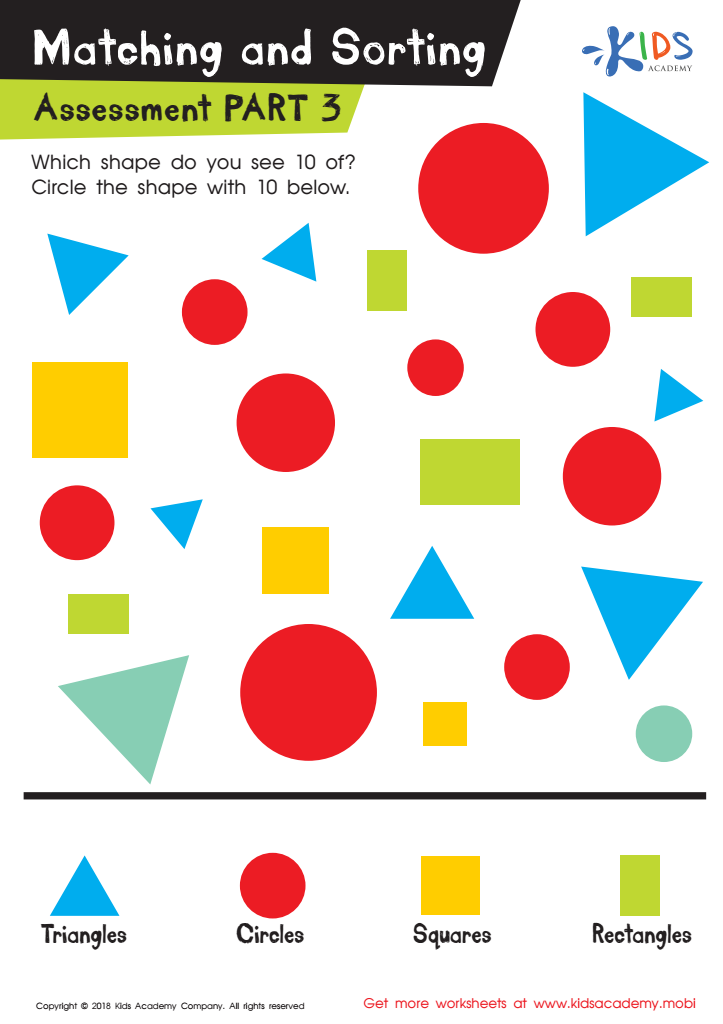
Matching and Sorting for Kindergarten: Assessment 3 Worksheet
 Assign to My Students
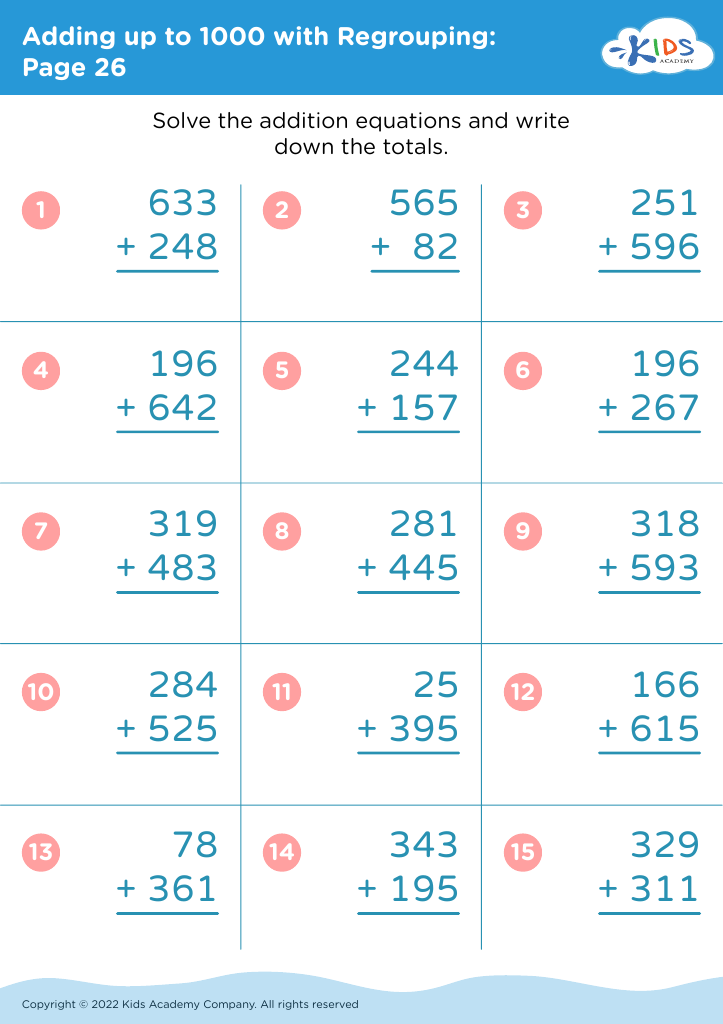
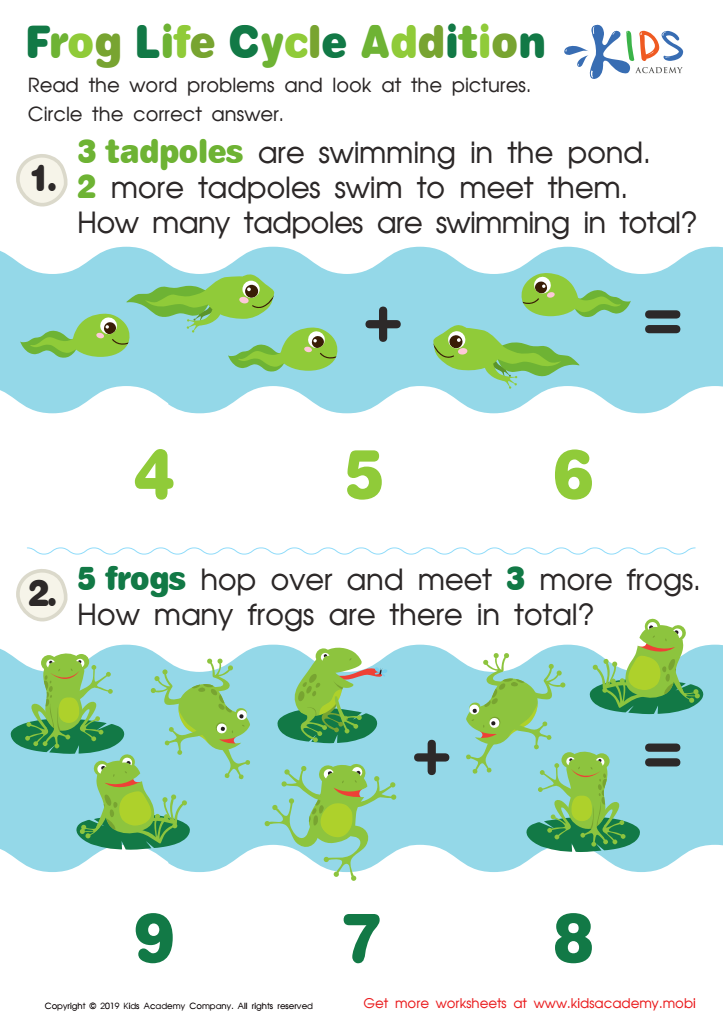
Frog Life Cycle Addition Worksheet
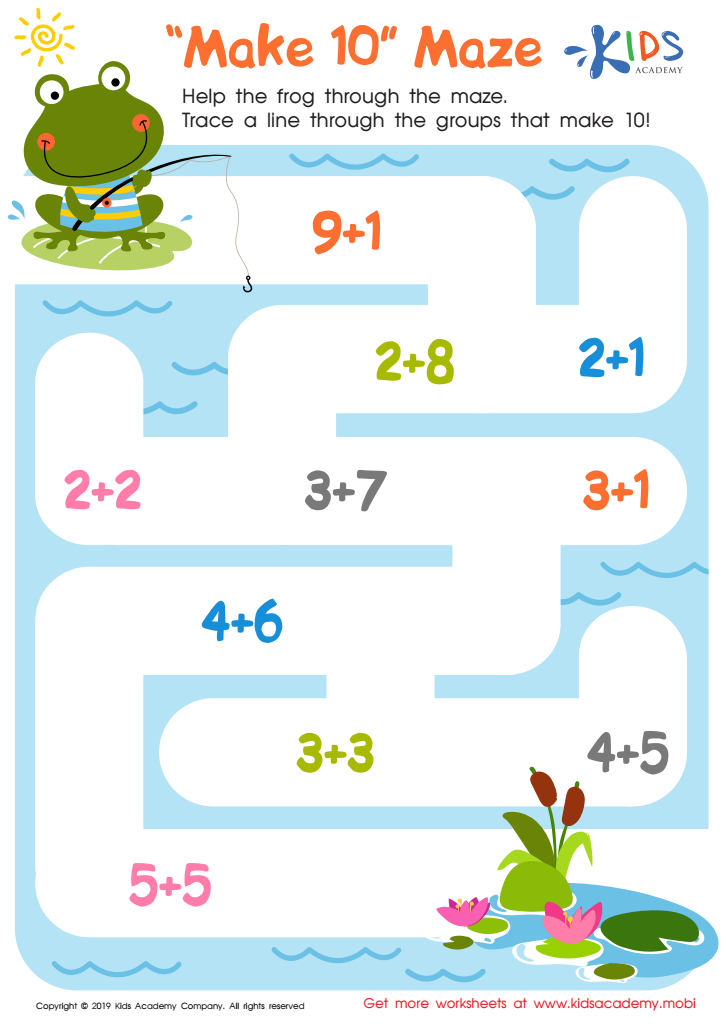
Make 10 Maze Worksheet
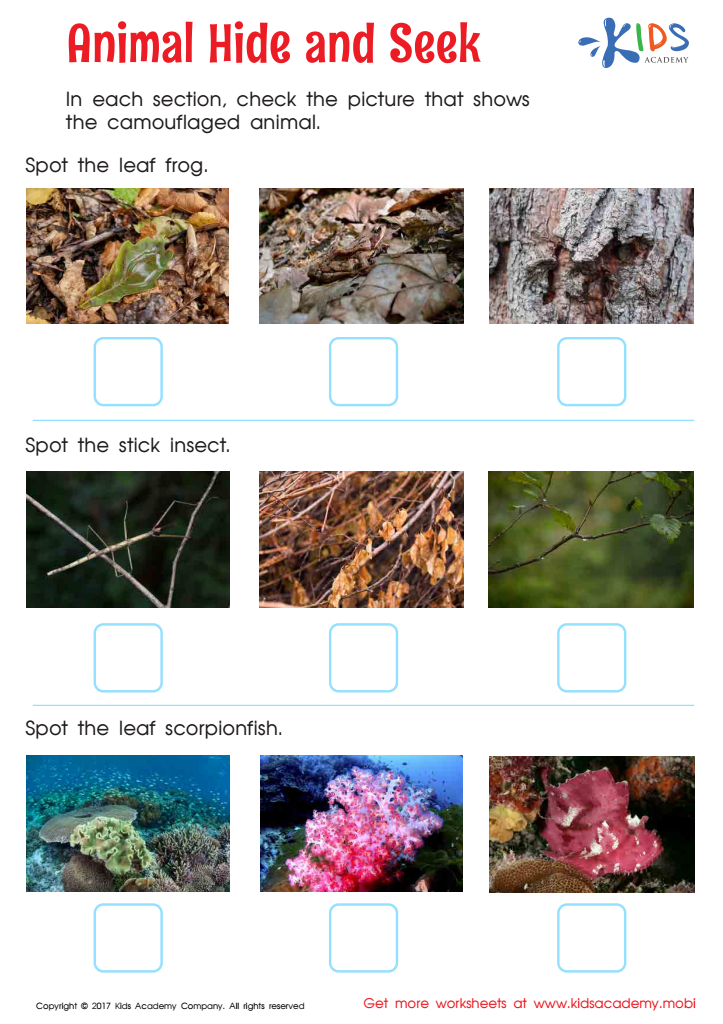
Animal Hide and Seek Worksheet








Problem-solving ability is vital for children ages 3-8 because it forms the foundation for lifelong learning and success. For parents and teachers, fostering these skills means supporting cognitive, emotional, and social development. During early childhood, brains are highly receptive and adaptable, making it an ideal time to strengthen these abilities.
Cognitive benefits include enhancing critical thinking, promoting creativity, and improving decision-making skills. When children solve problems, they learn to analyze situations, consider options, and anticipate outcomes. This process helps build neural connections that are crucial for future learning in subjects like math, science, and literacy.
Emotional benefits involve boosting resilience and self-confidence. As children encounter and overcome challenges, they develop a sense of achievement and self-efficacy. This prepares them to face more complex problems with patience and determination.
Socially, problem-solving skills facilitate collaboration and communication. Working in groups to solve puzzles or navigate conflicts teaches children the importance of listening, empathy, and compromise. These social competencies are essential for forming healthy relationships.
By emphasizing problem-solving skills, parents and teachers equip children with tools they need to navigate their world more effectively, ensuring well-rounded development and laying a strong groundwork for future academic and life achievements.








