Filters

422 filtered results

Clear all filters
Favorites
With answer key
Interactive

422 filtered results

Difficulty Level

Grade


Check out this FREE "Problem-Solving Skills" Trial Lesson for age 3-8!

Match Objects that Fit Together

Favorites
With answer key
Interactive
  • 3-8
  • Problem-Solving Skills
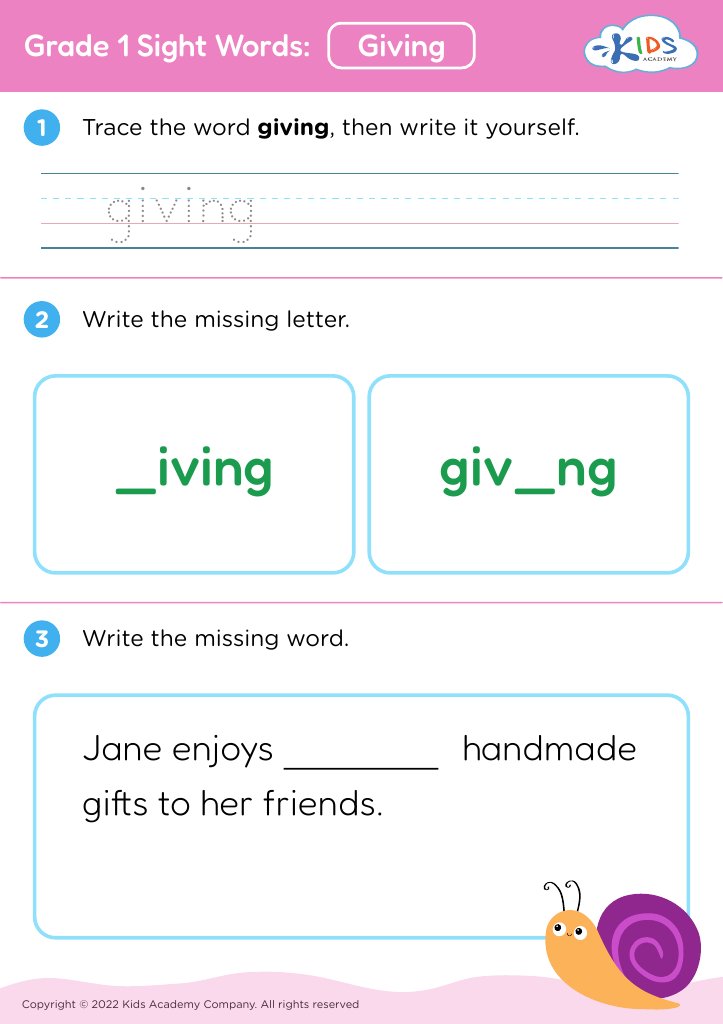
Grade 1 Sight Words: Giving

Grade 1 Sight Words: Giving

Grade 1 Sight Words: Giving
Worksheet
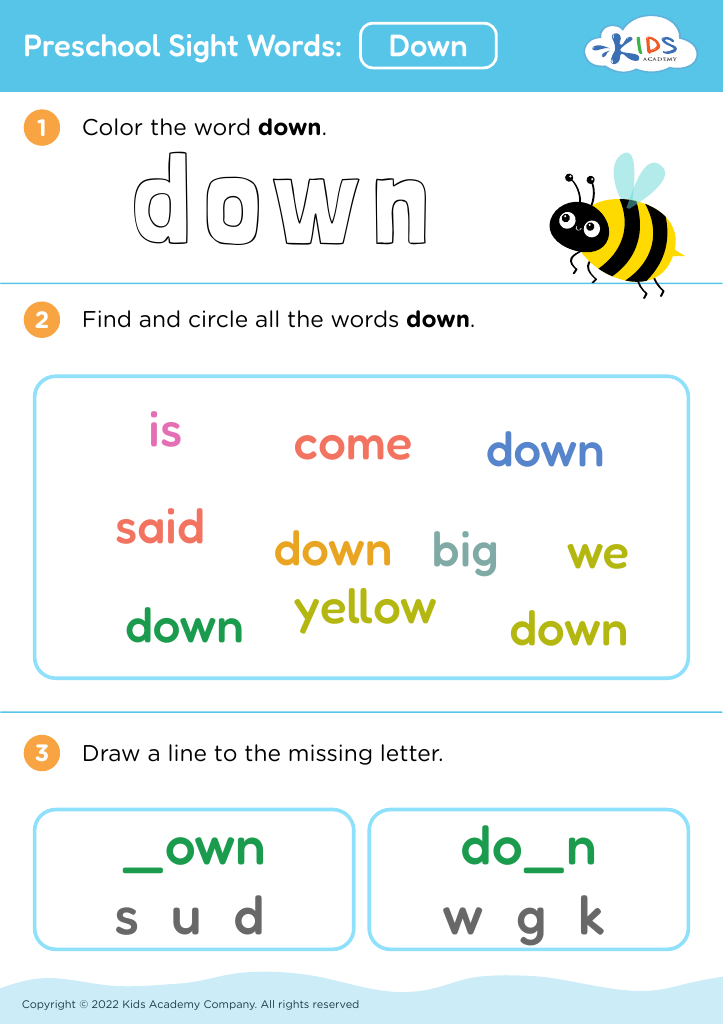
Preschool Sight Words: Down

Preschool Sight Words: Down

Preschool Sight Words: Down
Worksheet
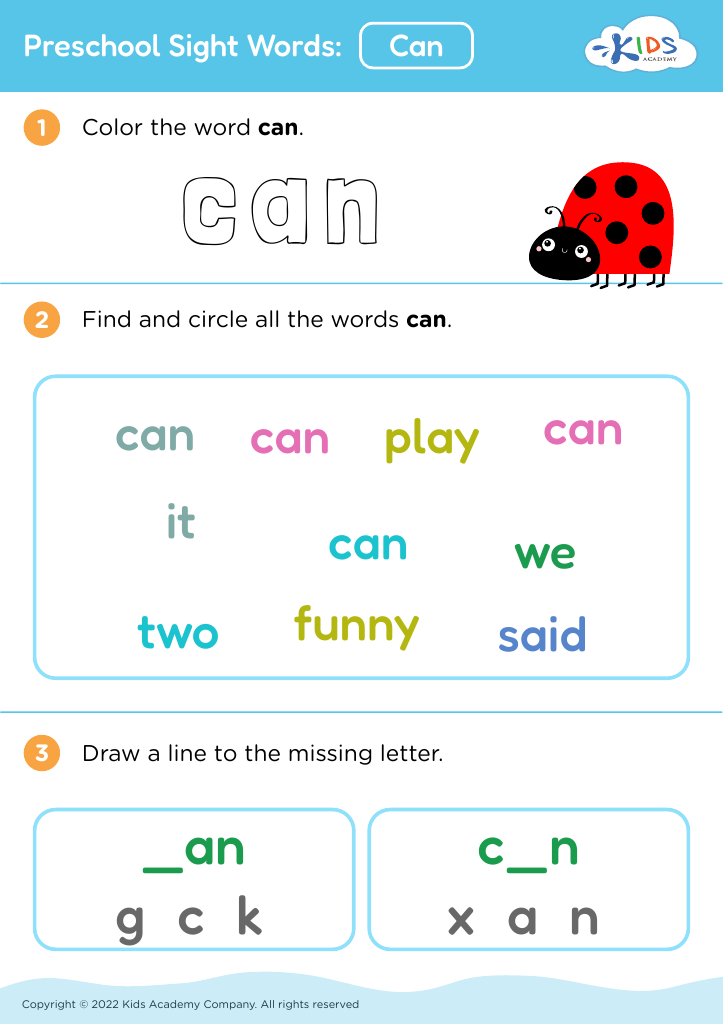
Preschool Sight Words: Can

Preschool Sight Words: Can

Preschool Sight Words: Can
Worksheet
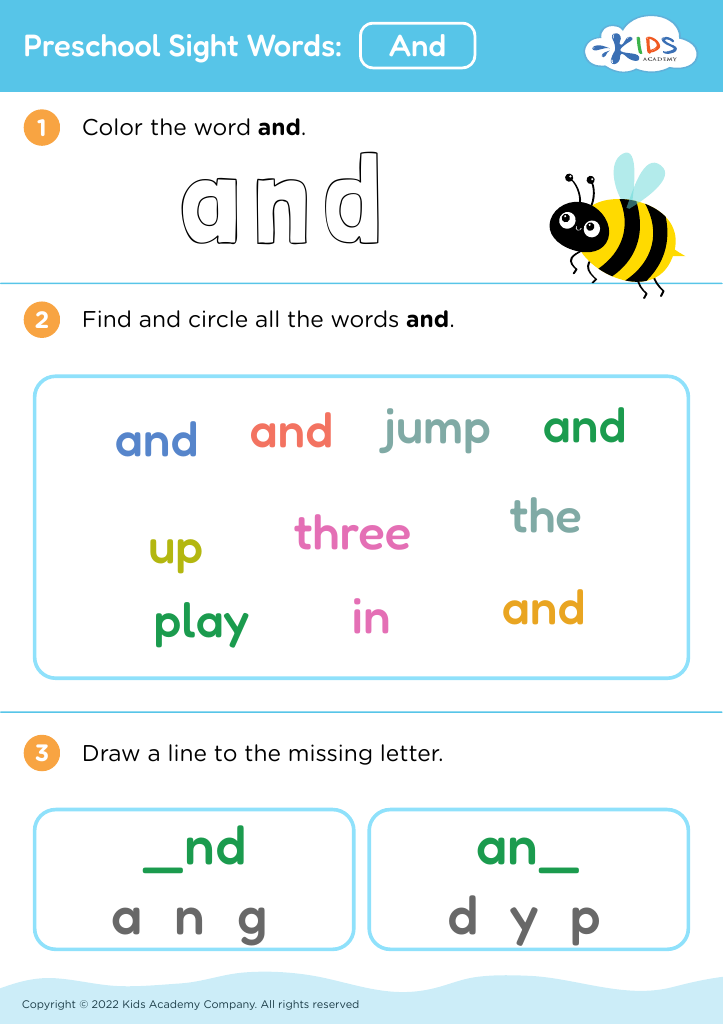
Preschool Sight Words: And

Preschool Sight Words: And

Preschool Sight Words: And
Worksheet
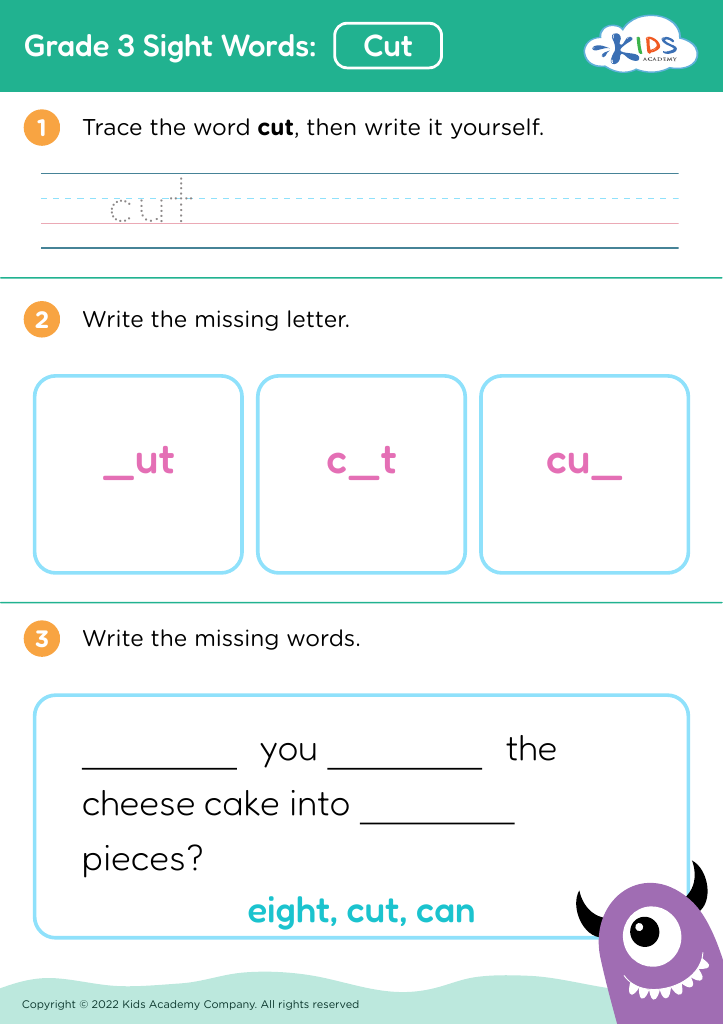
Grade 3 Sight Words: Cut

Grade 3 Sight Words: Cut

Grade 3 Sight Words: Cut
Worksheet
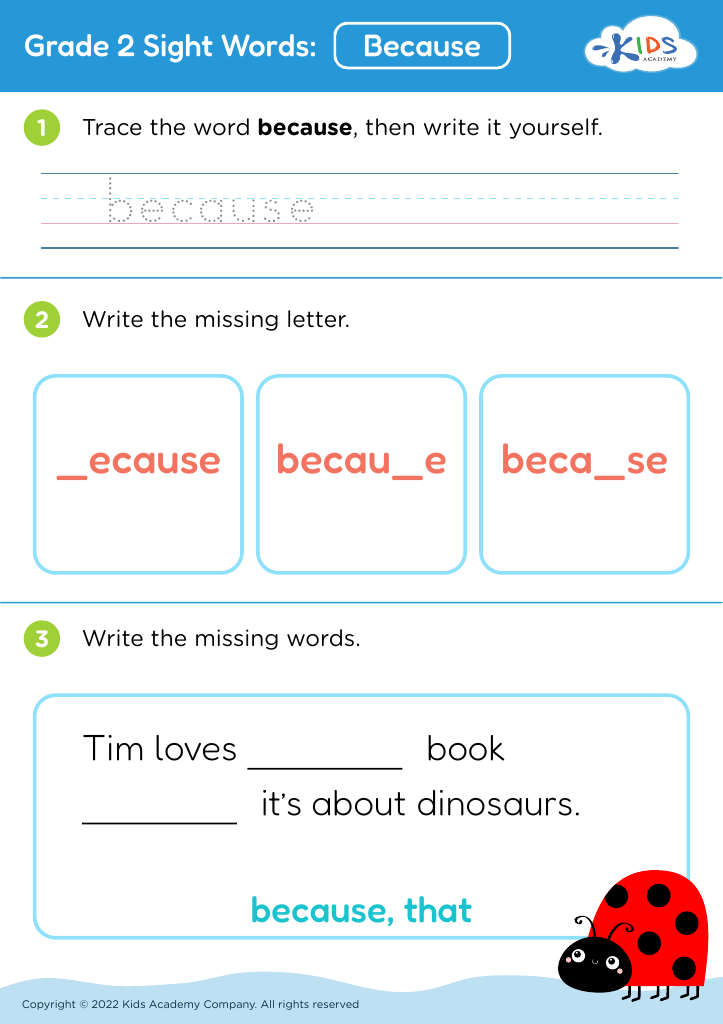
Grade 2 Sight Words: Because

Grade 2 Sight Words: Because

Grade 2 Sight Words: Because
Worksheet
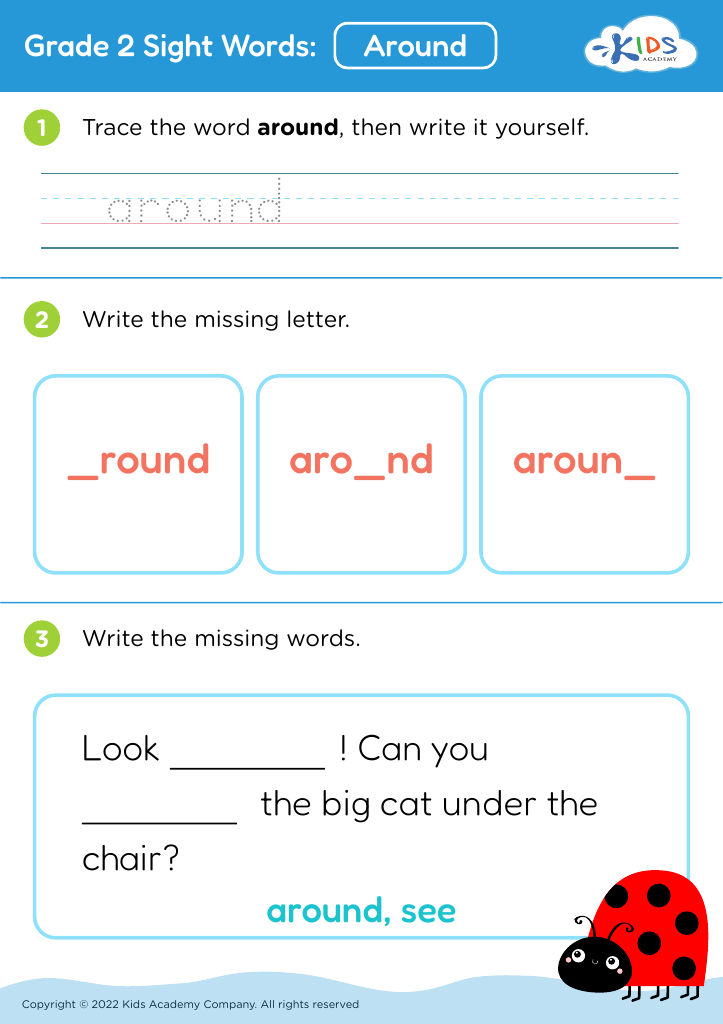
Grade 2 Sight Words: Around

Grade 2 Sight Words: Around

Grade 2 Sight Words: Around
Worksheet
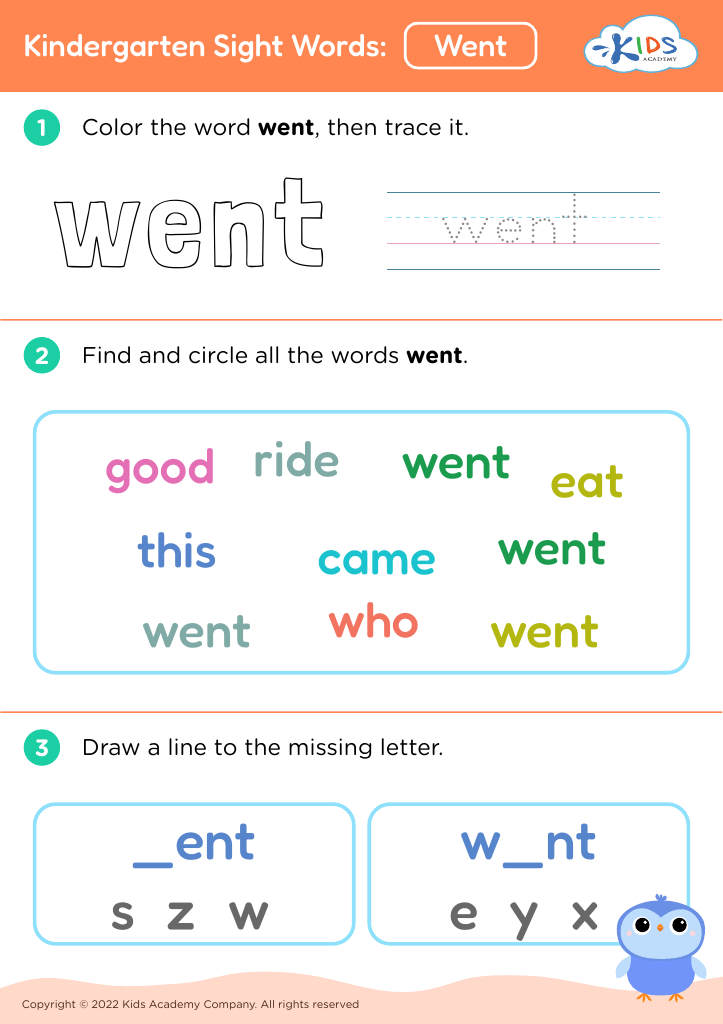
Kindergarten Sight Words: Went

Kindergarten Sight Words: Went

Kindergarten Sight Words: Went
Worksheet
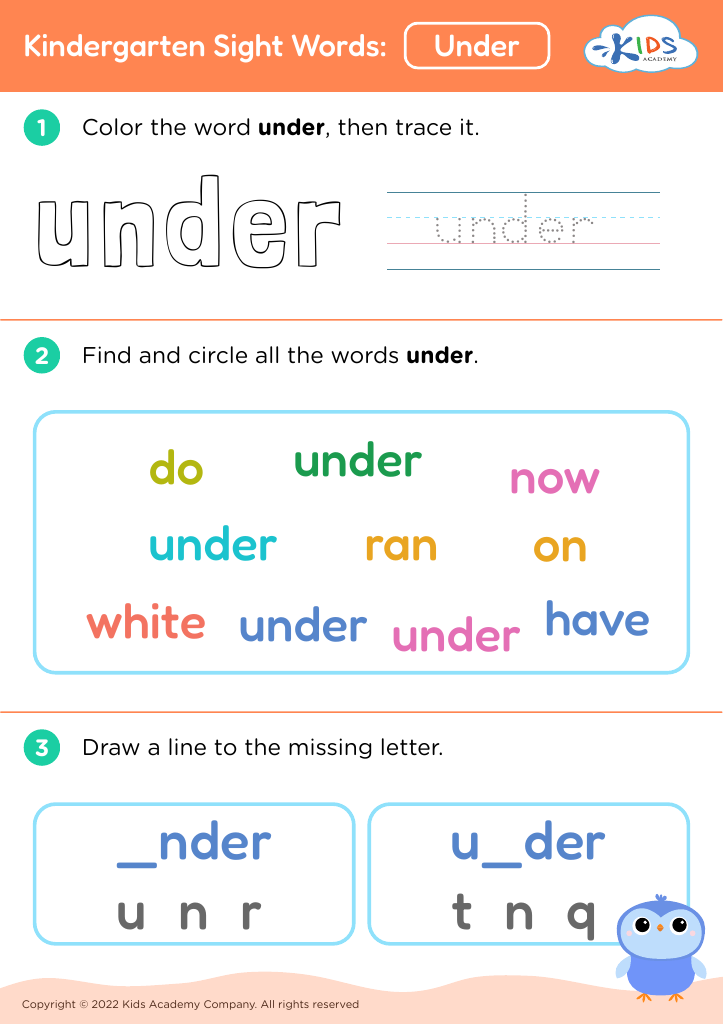
Kindergarten Sight Words: Under

Kindergarten Sight Words: Under

Kindergarten Sight Words: Under
Worksheet
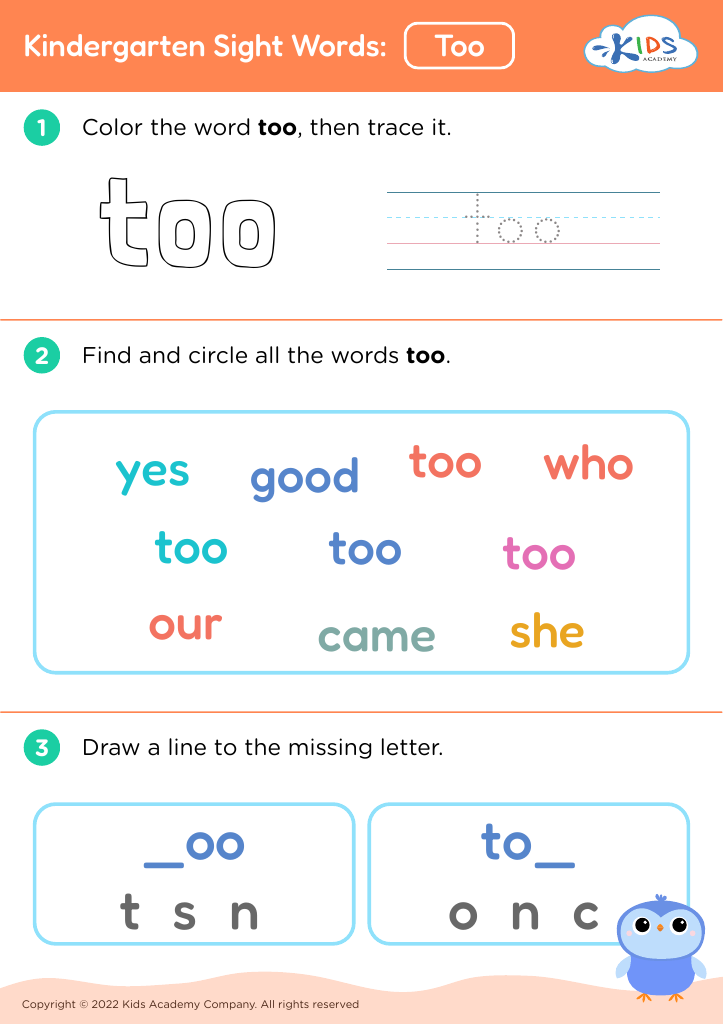
Kindergarten Sight Words: Too

Kindergarten Sight Words: Too

Kindergarten Sight Words: Too
Worksheet
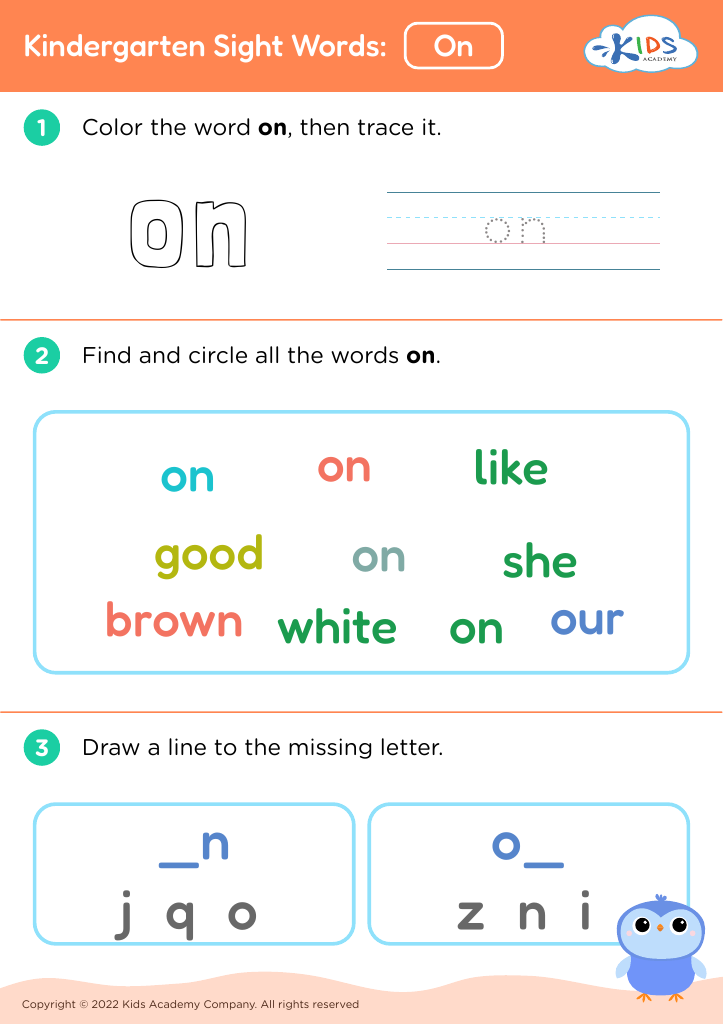
Kindergarten Sight Words: On

Kindergarten Sight Words: On

Kindergarten Sight Words: On
Worksheet
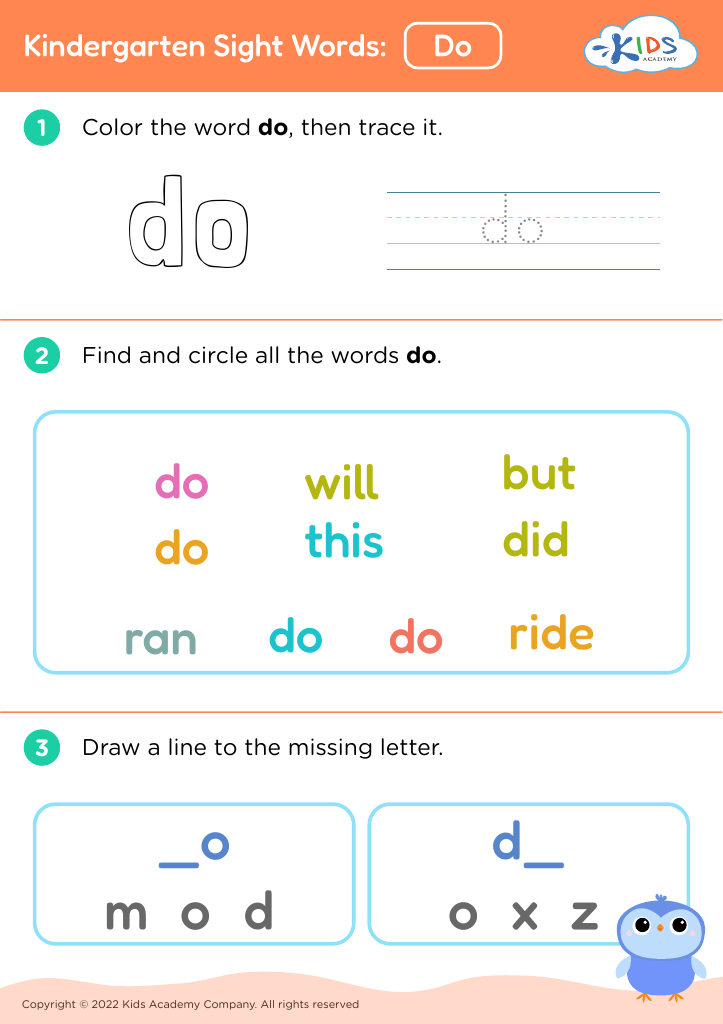
Kindergarten Sight Words: Do

Kindergarten Sight Words: Do

Kindergarten Sight Words: Do
Worksheet
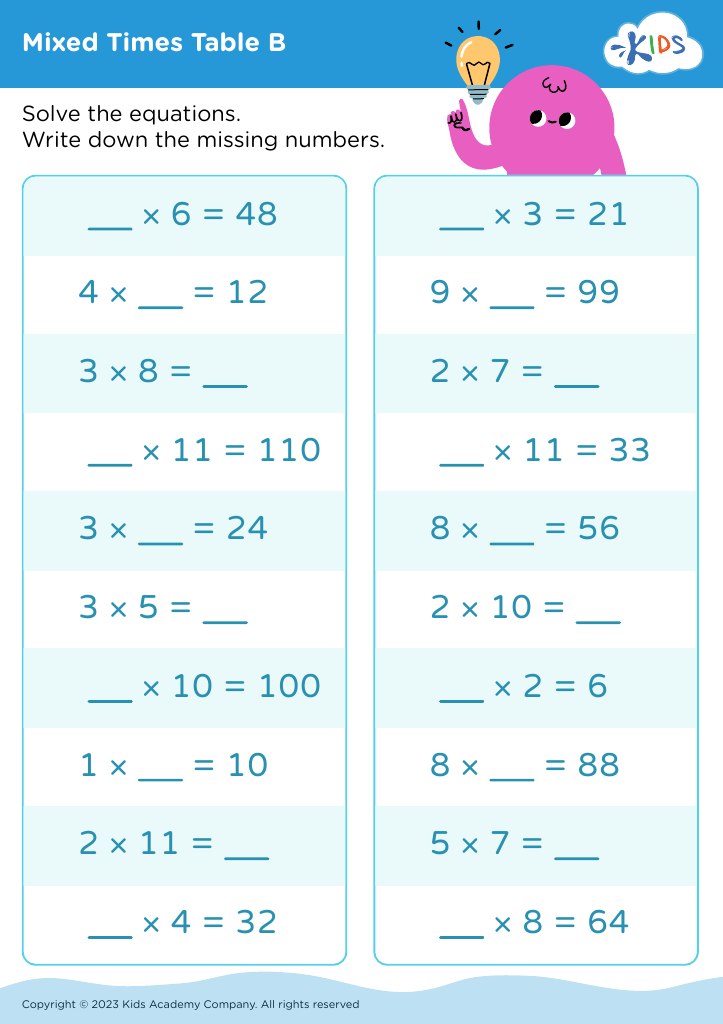
Mixed Times Table B
Mixed Times Table B

Mixed Times Table B

Mixed Times Table B
Worksheet
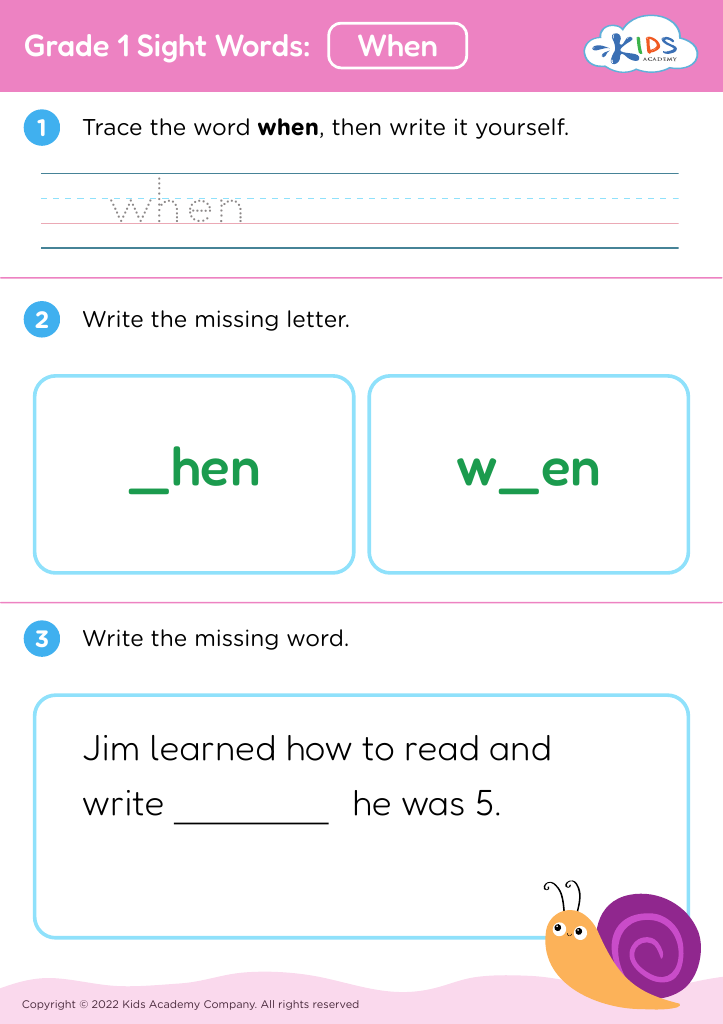
Grade 1 Sight Words: When

Grade 1 Sight Words: When

Grade 1 Sight Words: When
Worksheet


... 17 18

Problem-solving skills are essential in the early developmental stages of children aged 3-8, and both parents and teachers play a critical role in nurturing these skills. From a cognitive perspective, problem-solving promotes critical thinking, enhances creativity, and fosters independence. When children engage in problem-solving tasks, they learn to approach challenges methodically rather than becoming easily frustrated or overwhelmed. This foundation is crucial for academic success, as it encourages a mindset geared toward exploration, questioning, and learning.

Moreover, strong problem-solving skills are linked to social-emotional development. As children learn to navigate challenges, they develop resilience, persistence, and confidence—qualities that support positive interactions with peers and adults. When educators and parents emphasize these skills through games, puzzles, and collaborative activities, they provide children with opportunities to practice negotiation, communication, and teamwork.

Additionally, early problem-solving experiences prepare children for real-world scenarios, equipping them with strategies to tackle life's obstacles. In turn, this readiness enhances their adaptability and ability to face future challenges. Therefore, fostering problem-solving skills is invaluable, as it empowers children not just academically but also in their emotional and social development, setting a balanced foundation for their lifelong learning journey.