Understand patterns Worksheets for Ages 3-8
7 filtered results
-
From - To
Unlock your child’s potential with our engaging "Understand Patterns Worksheets for Ages 3-8." These expertly crafted worksheets from Kids Academy ignite curiosity and foster essential cognitive skills in young learners. With colorful activities featuring repeating sequences, shape recognition, and logical reasoning, children grasp foundational mathematics concepts effortlessly. Tailored for ages 3-8, these worksheets enhance problem-solving abilities and encourage independent thinking through playful exercises. As your child identifies and creates patterns, they build a strong base for future learning. Empower your little ones with fun, dynamic tools designed to make learning patterns both enjoyable and effective. Download today at Kids Academy!
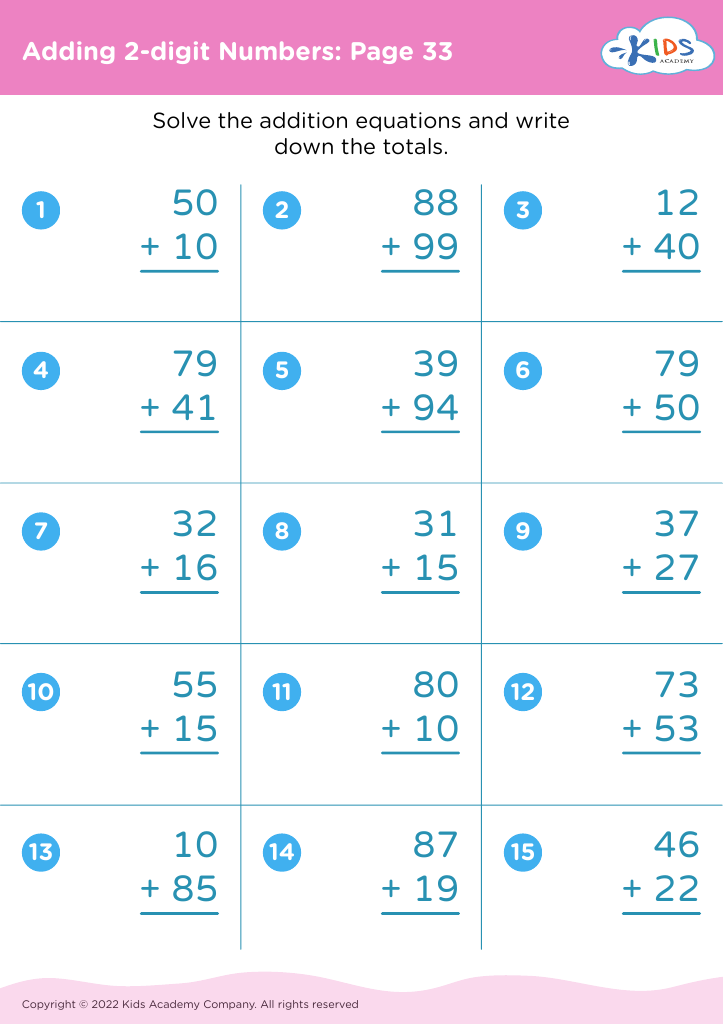
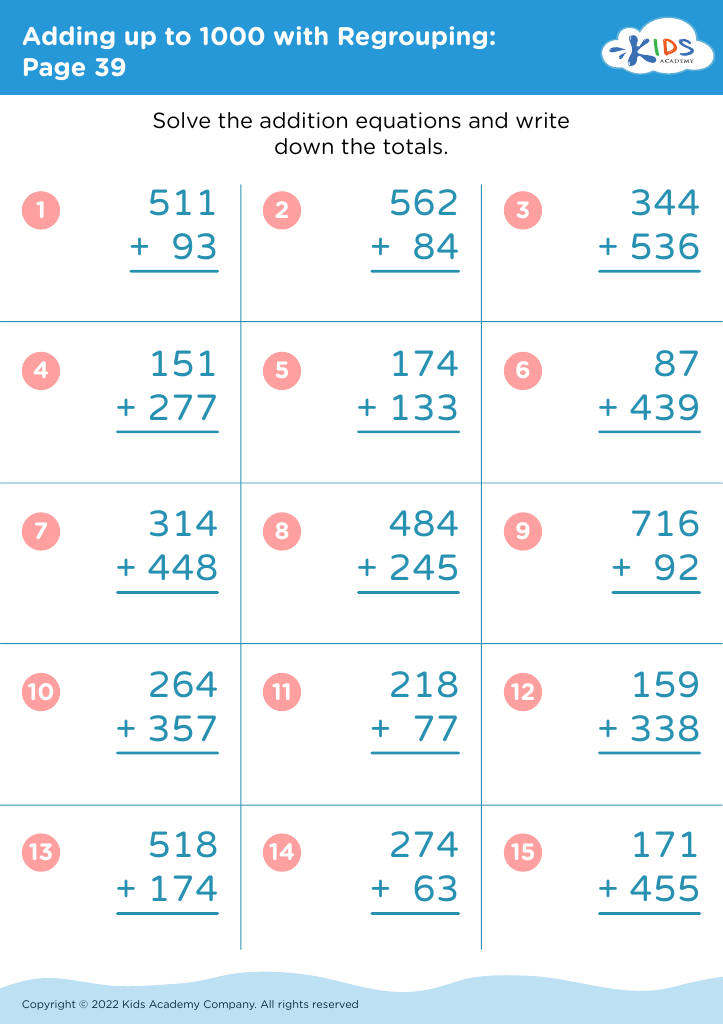
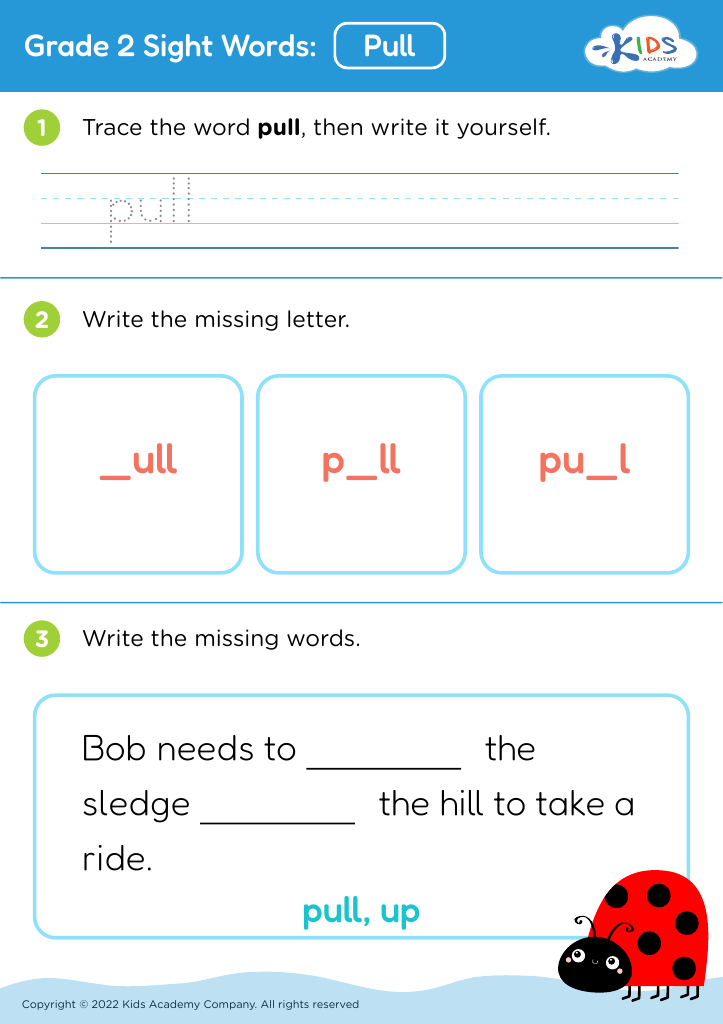








Understanding patterns is a foundational skill for young children, and parents and teachers should place significant emphasis on this concept for several reasons. Firstly, recognizing and working with patterns helps children develop critical thinking and problem-solving skills. When children identify a sequence and predict what comes next, they're practicing valuable logical thinking that is foundational for more complex math concepts.
Secondly, working with patterns supports early literacy skills. Language itself is full of patterns, such as rhymes, rhythms, and sentence structures. Engaging with patterns in play or education can enhance a child's ability to understand and predict these language structures, leading to better reading and writing abilities.
Further, understanding patterns fosters a sense of order and routine. For young children, predictability can be very comforting in a world that feels big and unpredictable. Recognizing and predicting patterns in daily activities can make transitions smoother and behaviour more manageable.
Lastly, exploring patterns engages creativity and curiosity. It encourages children to observe the world around them more closely, sparking questions and investigative learning. Whether through manipulating physical objects, engaging with musical rhythms, or observing patterns in nature, fostering an understanding of patterns is crucial in building a child's intellectual and emotional foundation.








