Understand subtraction Worksheets for Ages 3-8
6 filtered results
-
From - To
Unlock your child's potential with our "Understand Subtraction Worksheets" designed for ages 3-8! These engaging and interactive worksheets introduce young learners to the foundational concept of subtraction through fun activities and colorful illustrations. With a variety of exercises, children will develop their problem-solving skills as they learn to subtract numbers in an enjoyable way. Our resources cater to different learning styles, ensuring that every child can grasp the basics of subtraction confidently. Perfect for both classroom settings and at-home practice, these worksheets are a great tool to foster math skills and promote independent thinking in early learners. Explore our collection today!
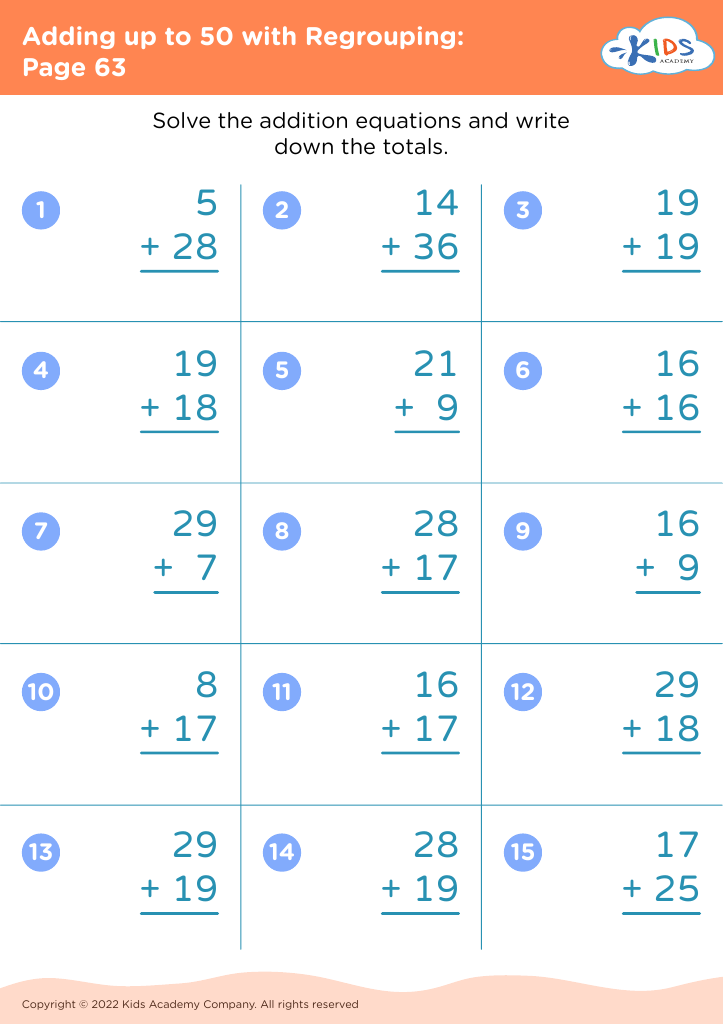
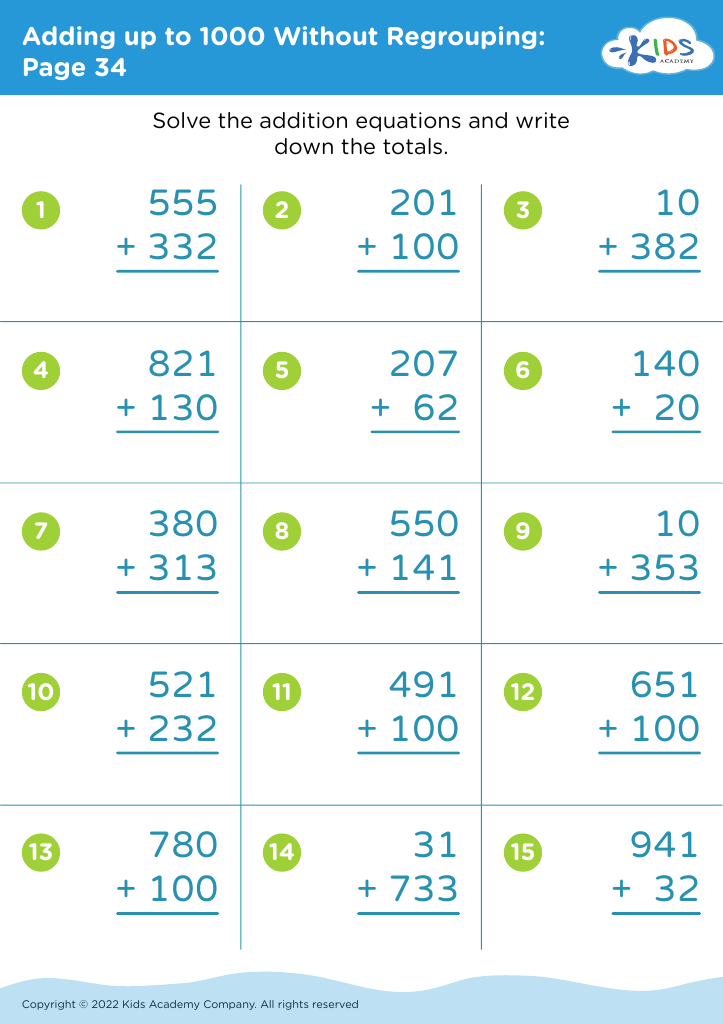
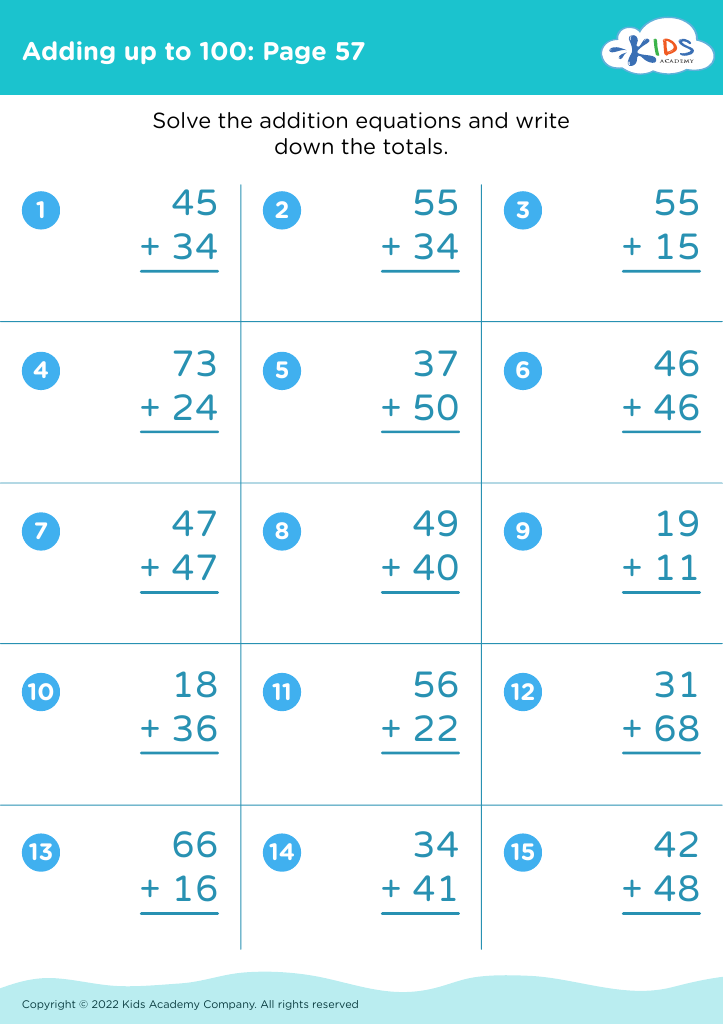
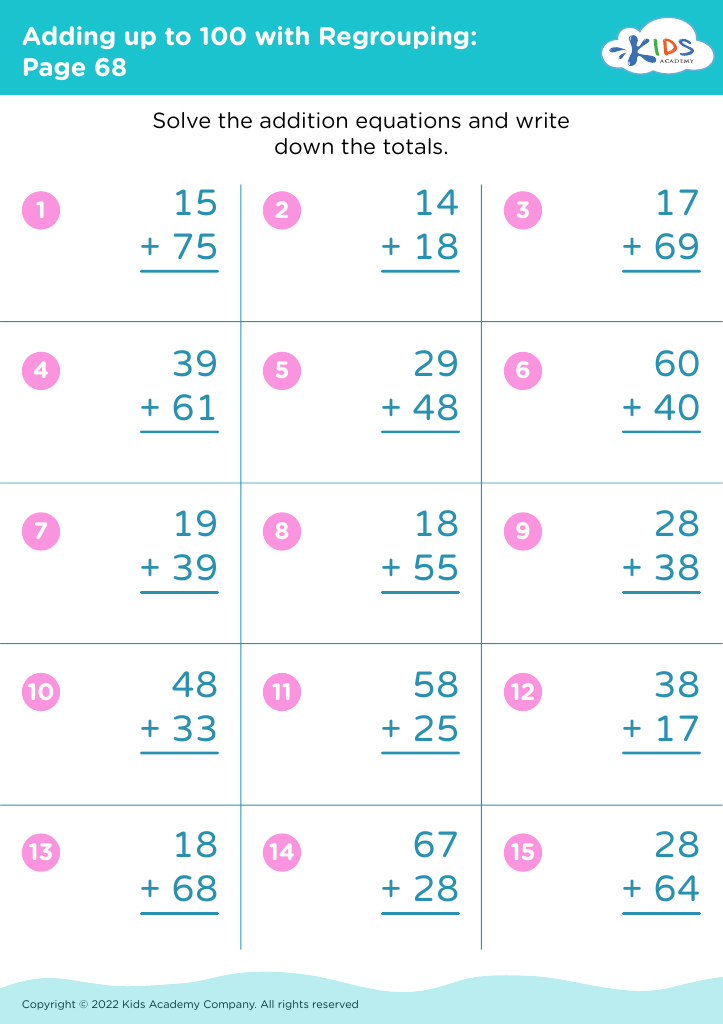








Understanding subtraction is crucial for children aged 3-8, as it forms a foundational aspect of their mathematical development. During these formative years, children are not just learning numbers; they are beginning to grasp essential problem-solving skills and concepts of quantity through practical applications. Subtraction teaches them how to identify relationships between numbers, enhancing their critical thinking abilities.
Parents and teachers play vital roles in this learning process. Engaging children in fun, interactive activities helps reinforce the concept of subtraction in everyday life, making math relevant and enjoyable. For instance, using objects like toys or snacks can provide context, helping children visualize the process of taking away. This practical approach alleviates math anxiety and builds confidence.
Additionally, a solid understanding of subtraction sets the stage for future math skills. It connects seamlessly with addition, place value, and eventually more complex operations. Children who feel comfortable with basic subtraction are better equipped to tackle these advanced concepts, paving the way for academic success.
In summary, fostering a strong grasp of subtraction not only enhances children's mathematical abilities but also supports their overall cognitive growth, making it essential for parents and teachers to prioritize this skill during the critical early years of learning.








