Understanding number values Worksheets for Ages 3-8
4 filtered results
-
From - To
Unlock the magic of numbers with our "Understanding Number Values Worksheets for Ages 3-8". Our printable worksheets provide engaging activities to help young learners grasp fundamental math concepts. Tailored for children from preschool to third grade, these worksheets cover counting, comparing, and understanding the value of numbers. Each activity is designed to be fun and interactive, ensuring kids remain excited about learning math. With colorful illustrations and practical exercises, our worksheets make the perfect educational tools for both classroom and home environments. Encourage your child's mathematical journey and build a strong foundation with our thoughtfully crafted resources.
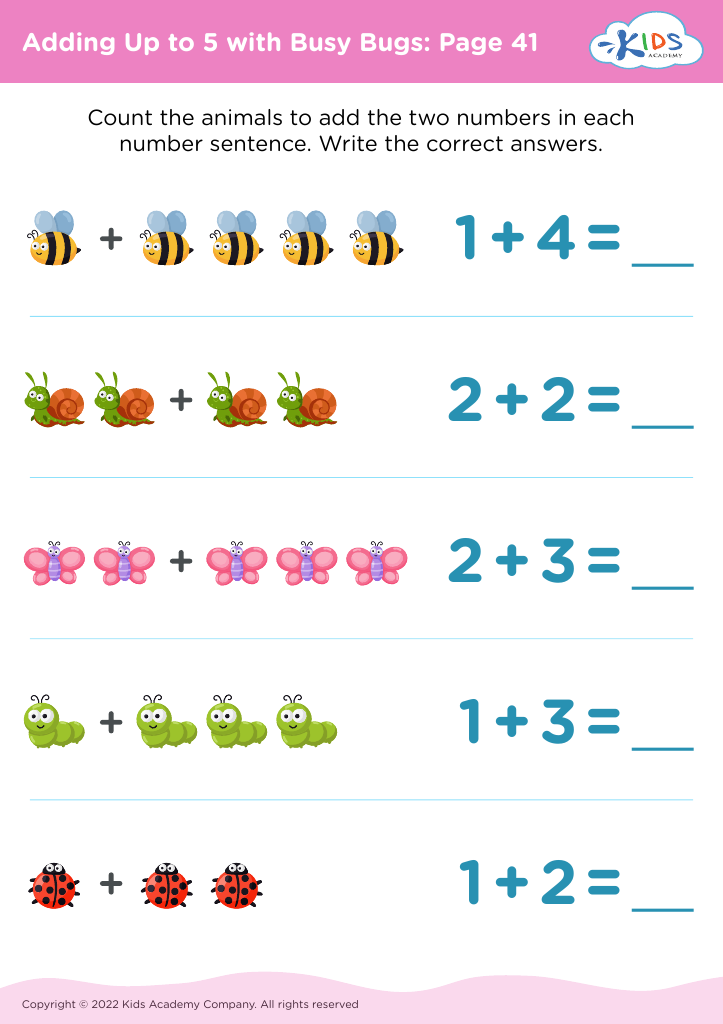
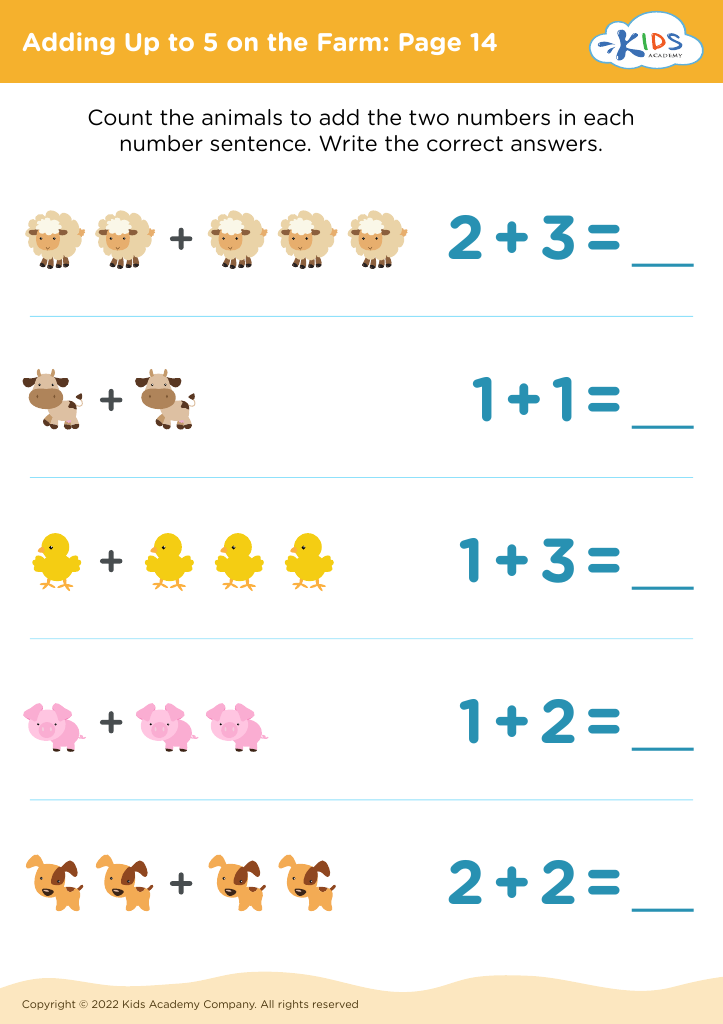
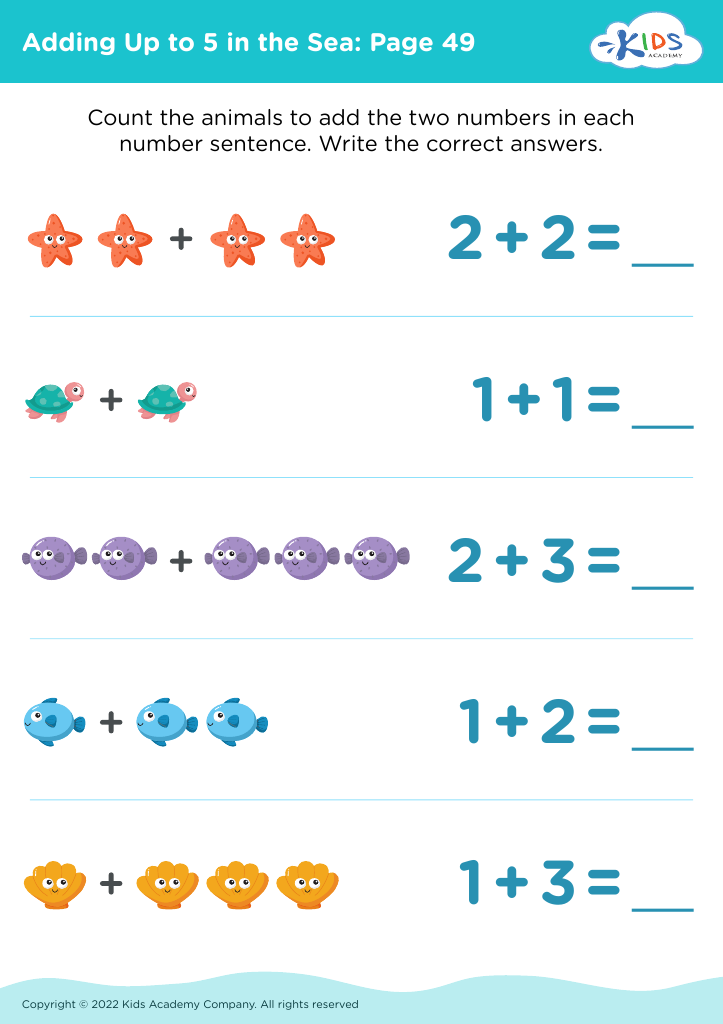
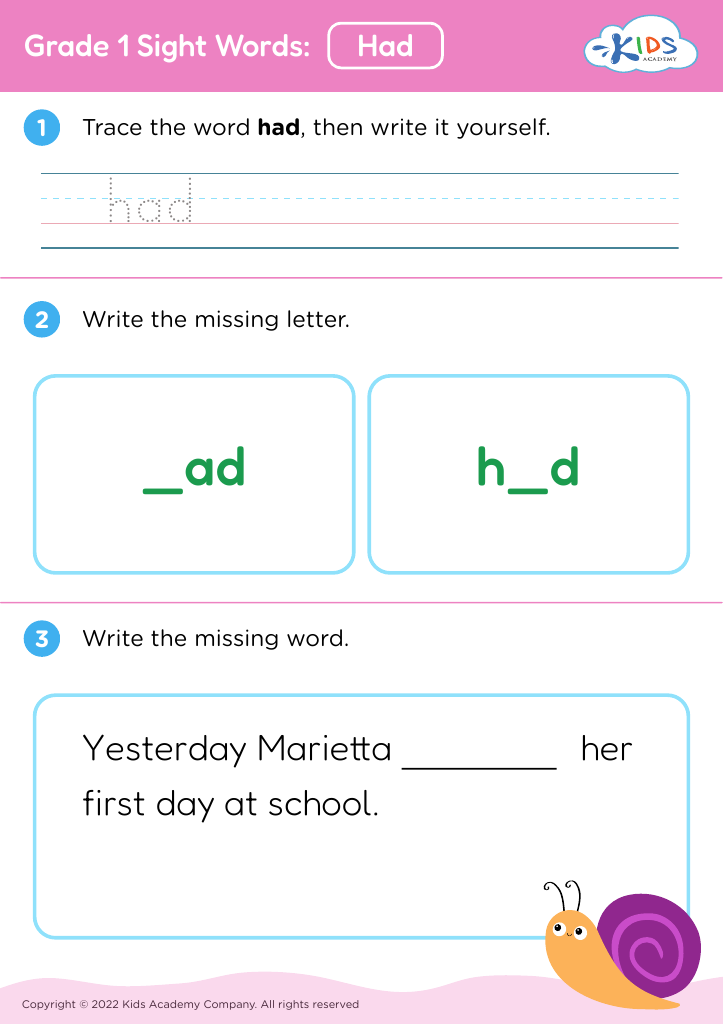







Understanding number values is essential for children aged 3-8 because it lays the foundation for their future mathematical learning and everyday problem-solving skills. During this critical developmental window, kids naturally develop cognitive abilities that allow them to grasp basic numerical concepts, which are building blocks for more complex mathematical reasoning.
For parents and teachers, promoting number sense helps children make sense of the world around them. Early numeracy skills such as counting, recognizing numbers, and understanding simple relationships like more or less contribute to practical tasks like sorting, measuring, and comparing objects. These are not just classroom activities; they inform daily decisions and actions from sharing toys to following recipes.
Moreover, a solid understanding of number values influences academic success across subjects. Math skills are often interconnected with literacy and science, enhancing general problem-solving abilities and logical thinking. Encouraging children in this age group to engage with numbers can also foster a positive attitude toward learning and reduce anxiety around mathematics, which many children develop later.
Overall, a firm grasp of number values equips young learners with essential skills that benefit their educational journey and daily lives. Caregivers and educators have a pivotal role in nurturing these skills through playful and practical experiences.








