Visual discrimination skills Worksheets for Ages 3-8
10 filtered results
-
From - To
Enhance your child's visual discrimination skills with our engaging worksheets designed for ages 3-8. These meticulously crafted resources help young learners identify, compare, and differentiate objects and patterns, fostering critical thinking and observation abilities. Our colorful, interactive worksheets feature fun themes that keep children motivated and eager to learn. As they complete each activity, kids build skills essential for future academic success, such as reading, math, and problem-solving. Perfect for home or classroom use, these worksheets offer a structured yet enjoyable way to cultivate essential visual skills in early childhood. Explore our collection today and promote learning through play!
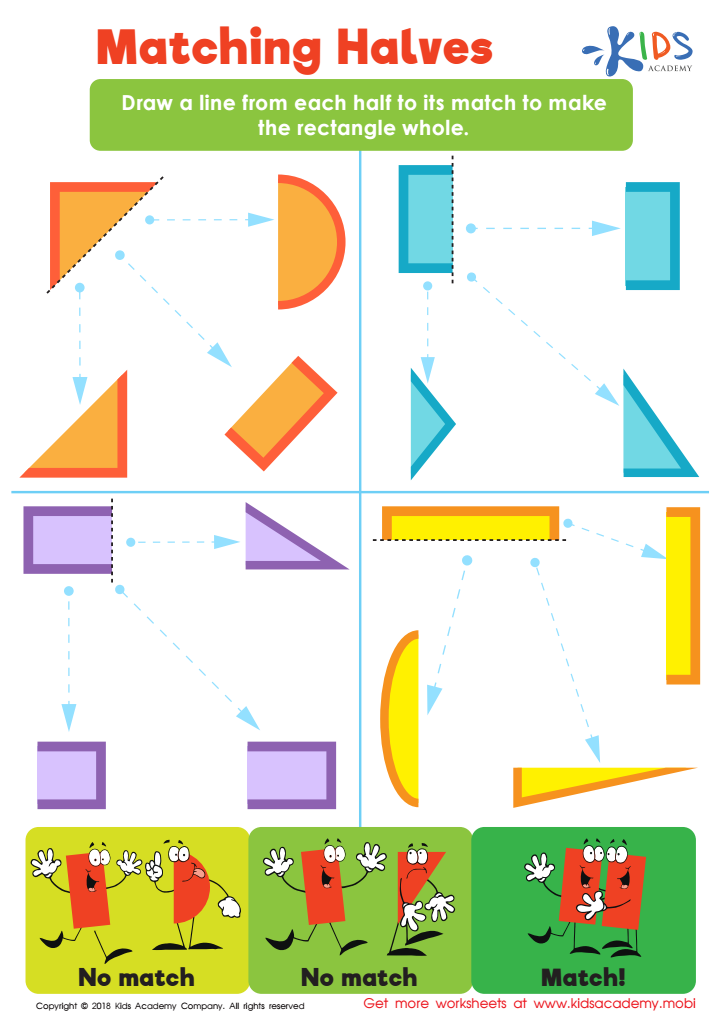
Matching Halves Worksheet
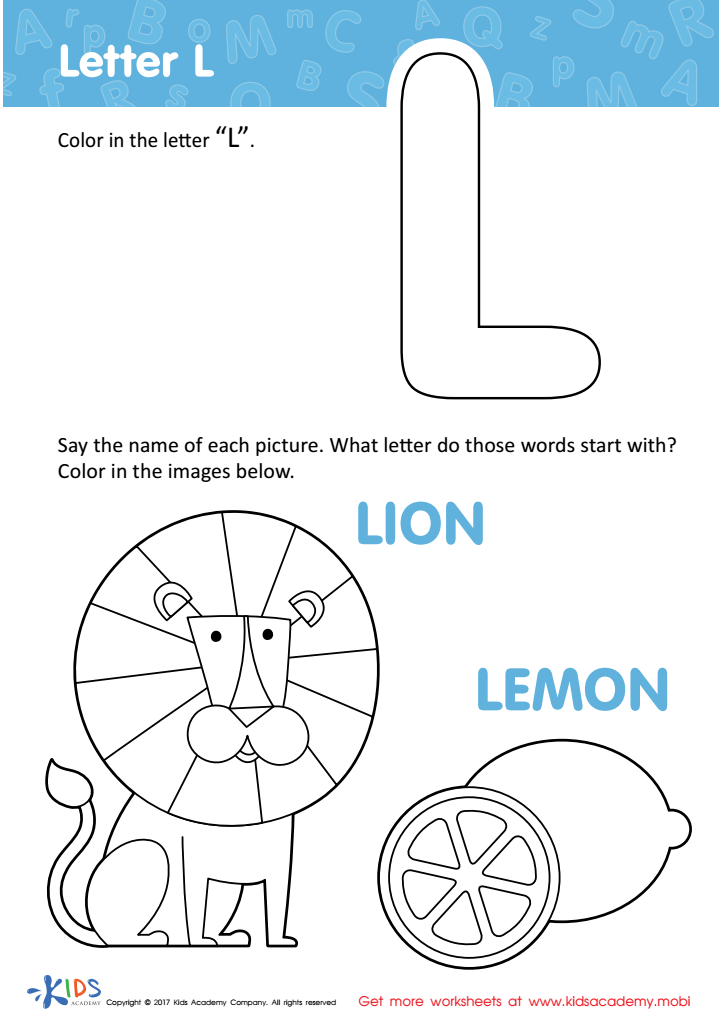
Letter L Coloring Sheet
 Assign to My Students

Find Uppercase Letters A, B, and C Worksheet
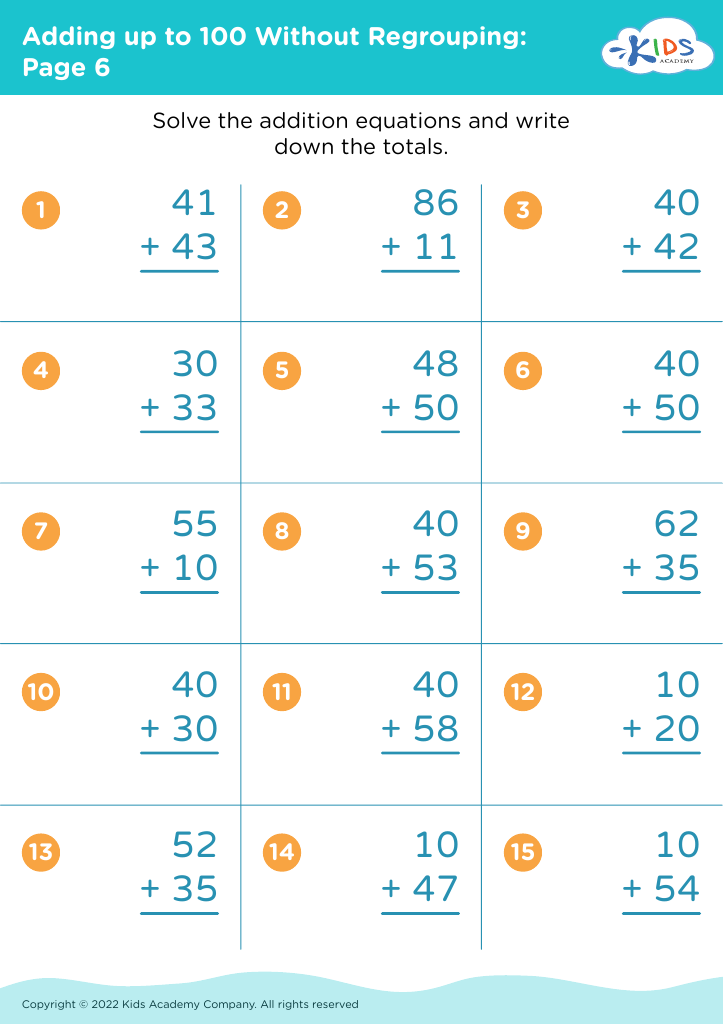
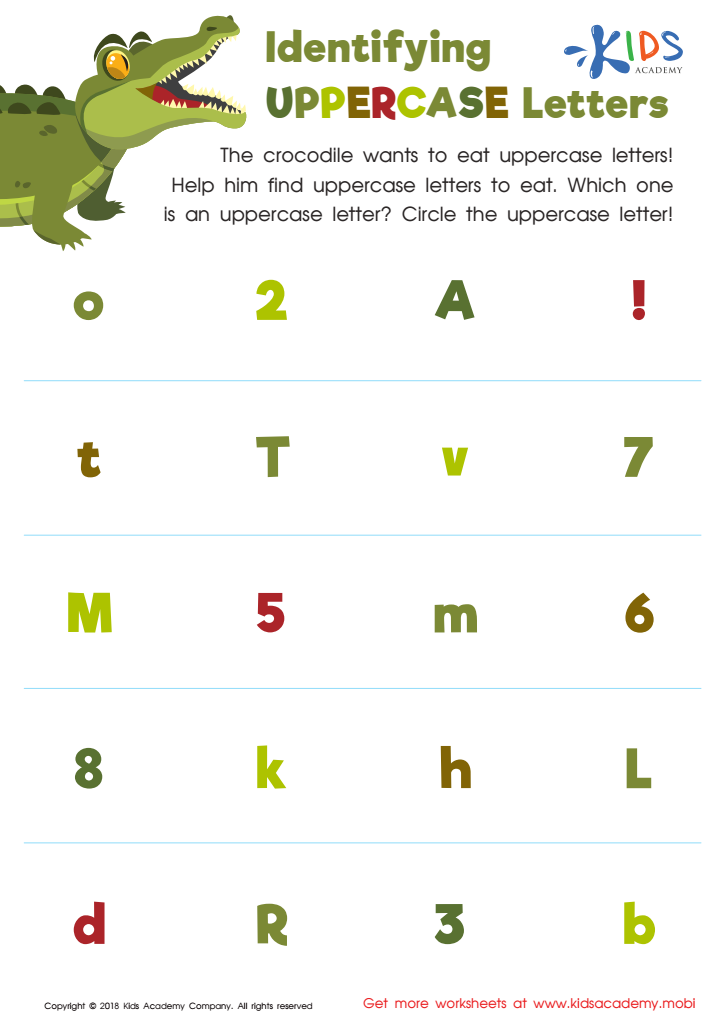
Identifying Uppercase Letters Worksheet
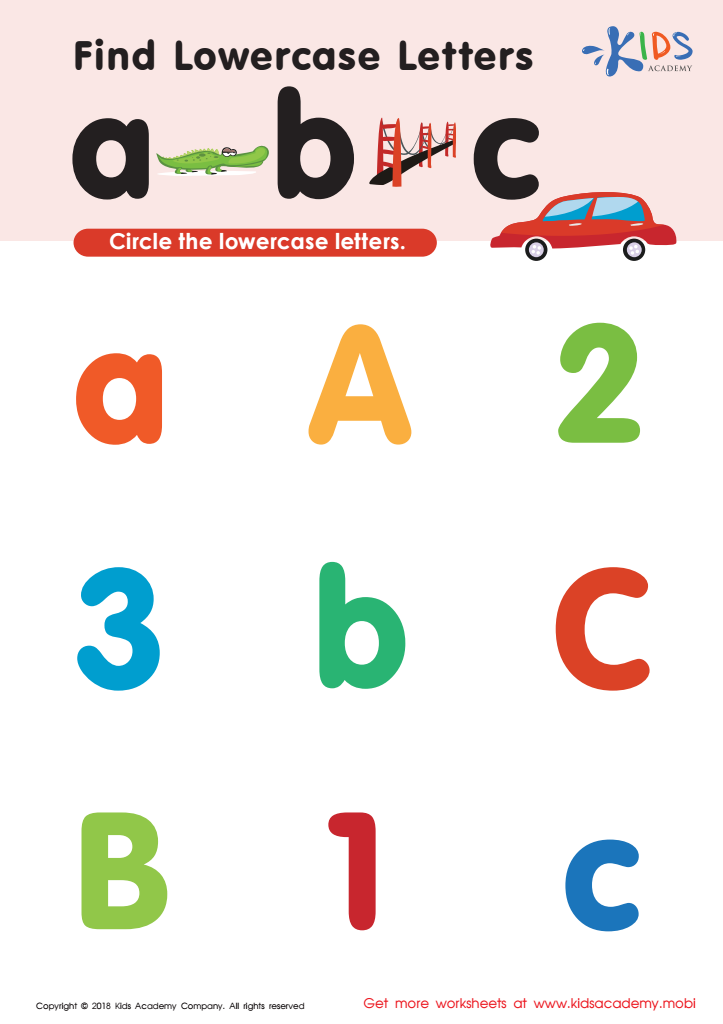
Find lowercase letters a b c Worksheet
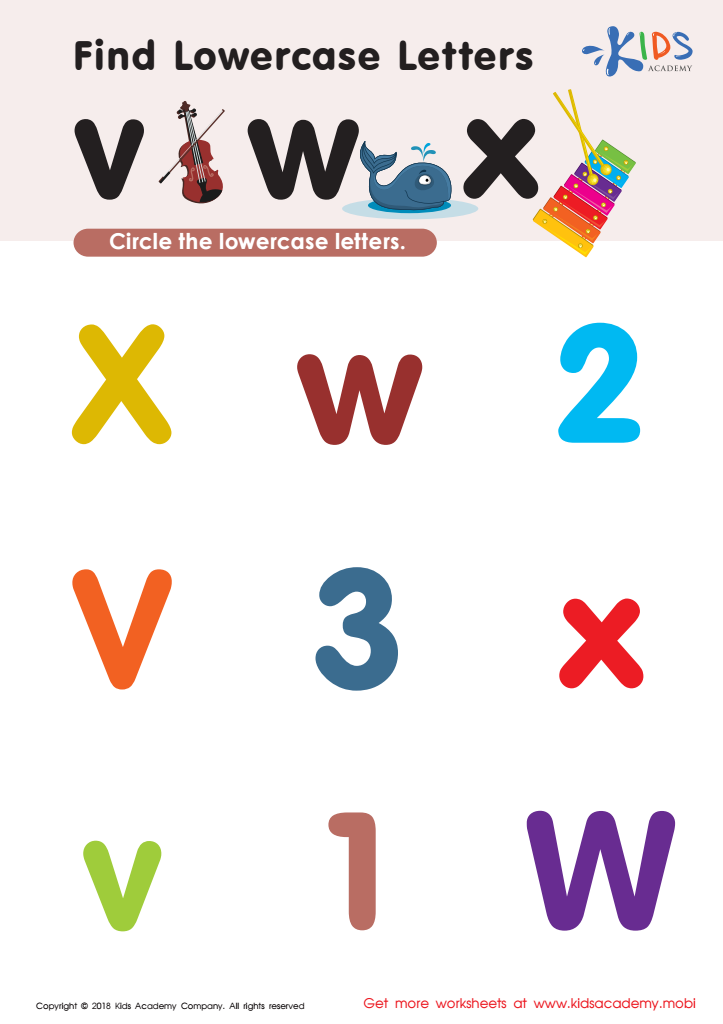
Find Lowercase Letters v w x Worksheet
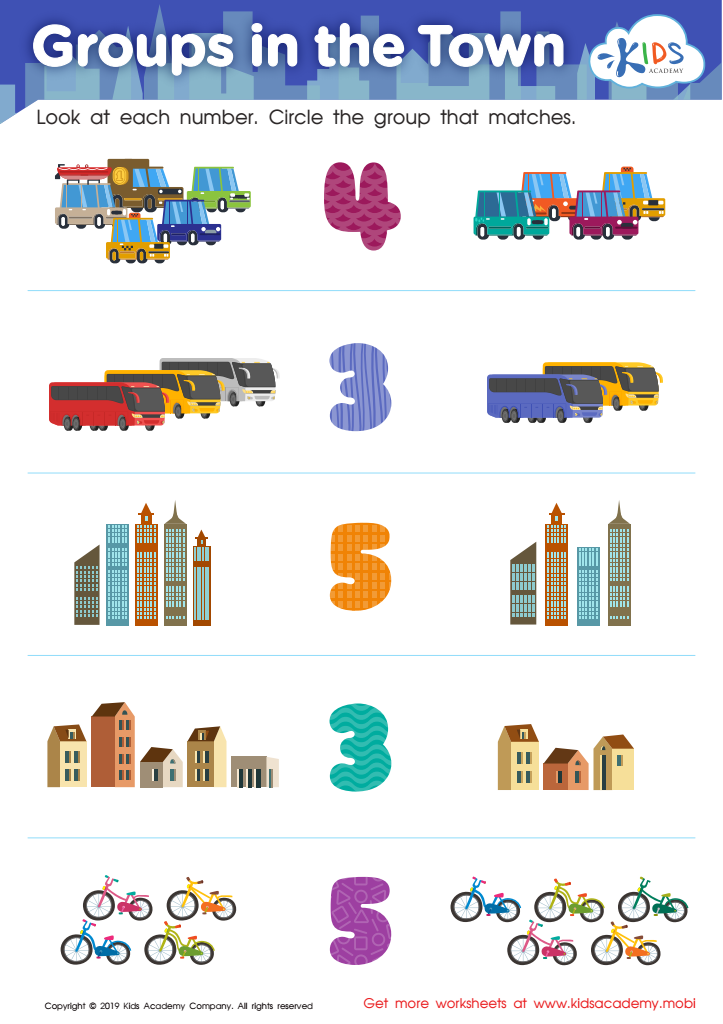
Groups in the Town Worksheet
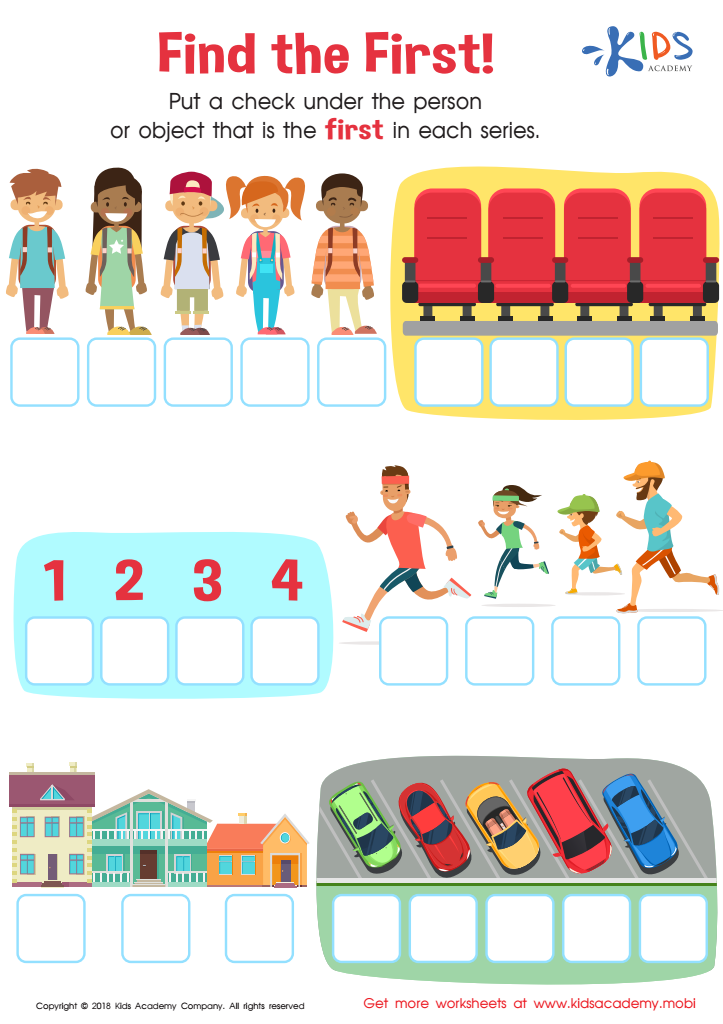
Find the First! Worksheet
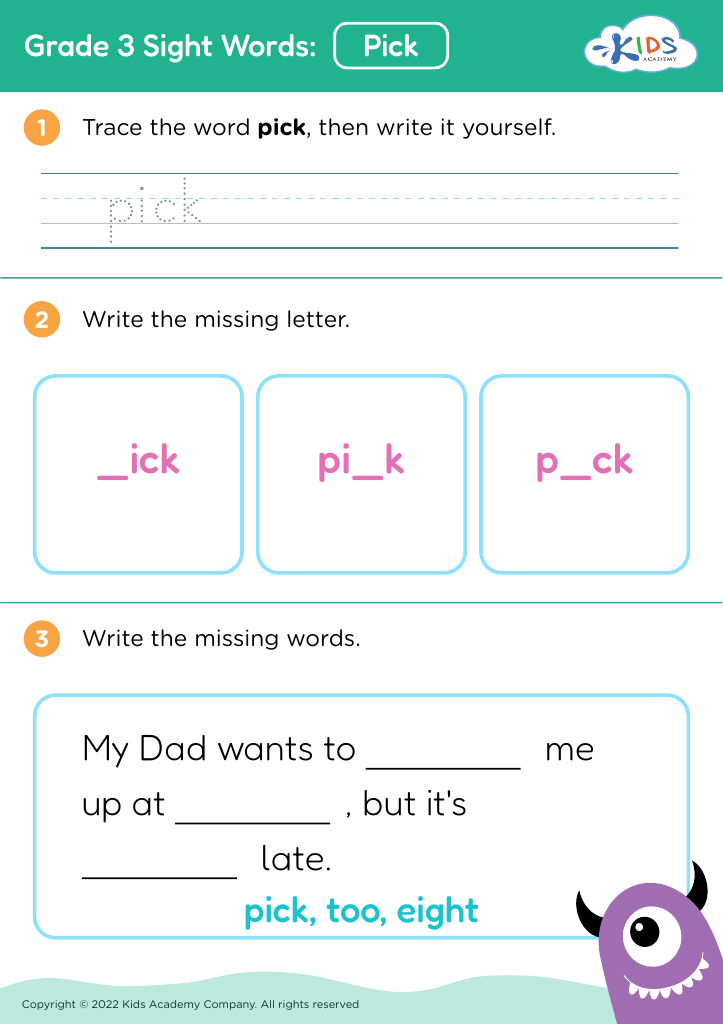








Visual discrimination skills are essential for children aged 3-8 as they form the foundation for various learning processes. These skills enable children to notice, compare, and contrast different shapes, colors, sizes, and patterns. Proficient visual discrimination supports reading development, allowing children to differentiate between letters and words. For instance, distinguishing between similar-looking letters such as 'b' and 'd' can significantly impact their reading fluency and comprehension.
Moreover, visual discrimination aids in math skills, helping children recognize different numerical symbols and understand spatial relationships, which are crucial for problem-solving. In everyday life, these skills enhance children's ability to organize their thoughts, follow instructions, and engage effectively with their environment, fostering independence and confidence.
Parents and teachers play a vital role in nurturing these skills through targeted activities like puzzles, matching games, and sorting exercises. By prioritizing visual discrimination, they help build a strong base for academic success and lifelong learning. Furthermore, as children refine these skills, they boost their observation and analytical abilities, which are important traits for future challenges. Encouraging visual discrimination ultimately leads to a well-rounded education, making it a worthy focus for early childhood development.








