Visual perception Worksheets for Ages 3-8 - Page 3
63 filtered results
-
From - To
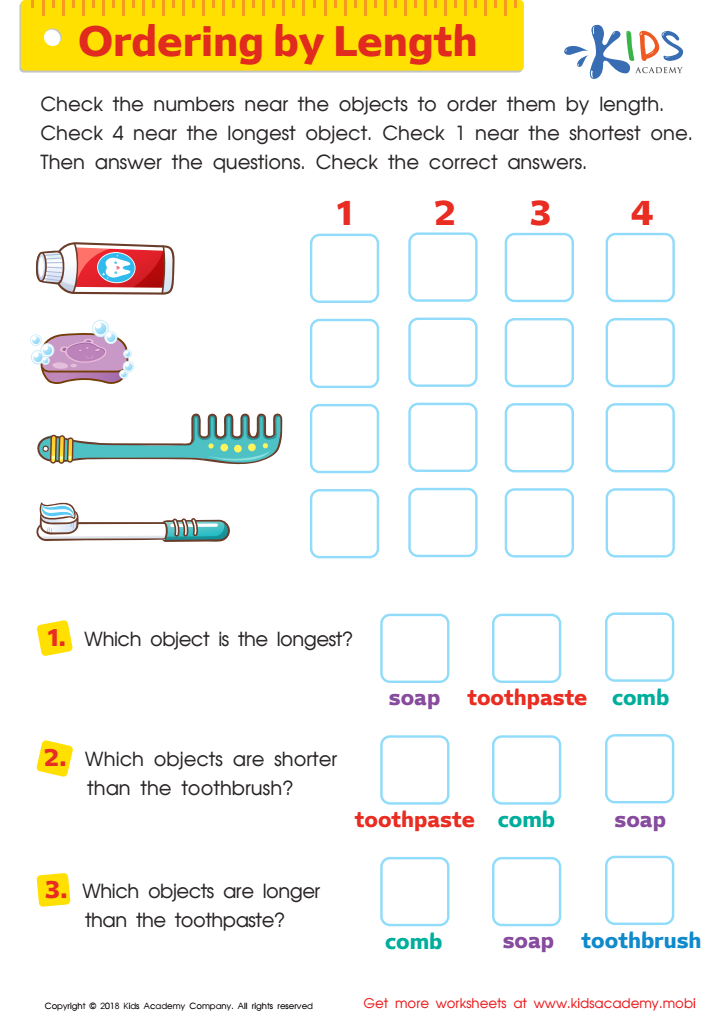
Ordering by Length Worksheet
 Assign to My Students
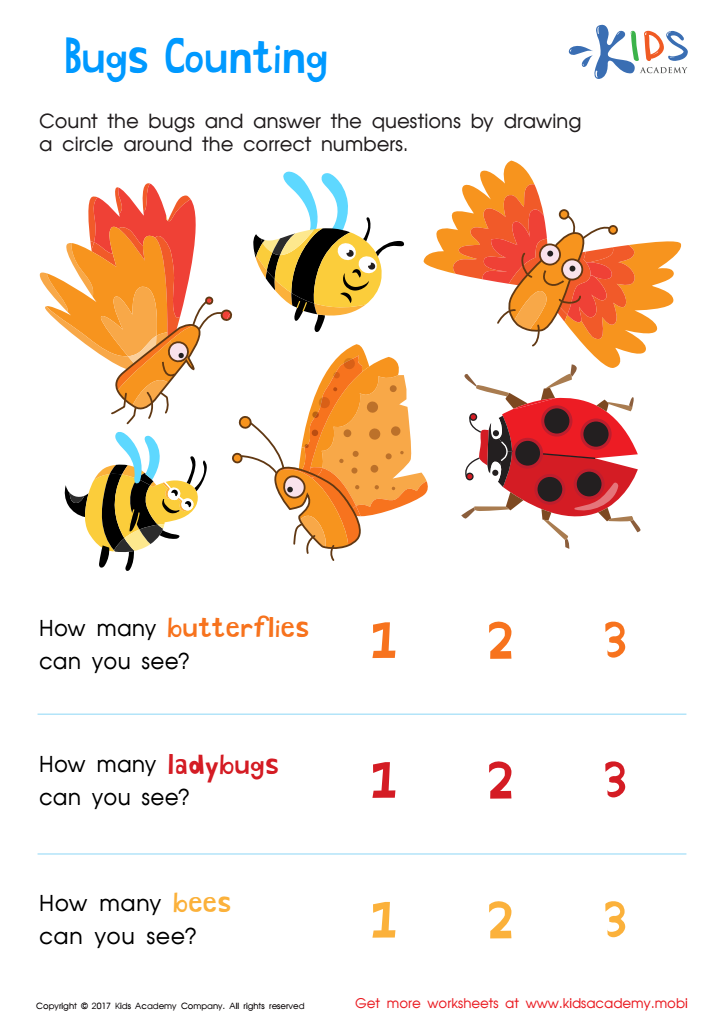
Bugs Counting Worksheet
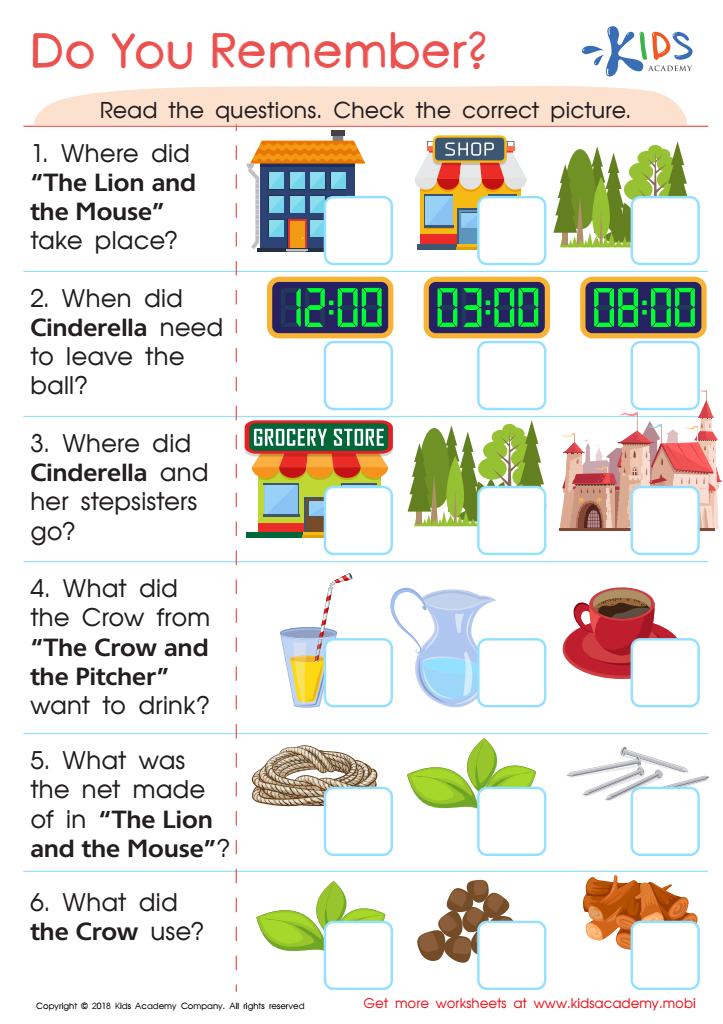
Do You Remember? Worksheet
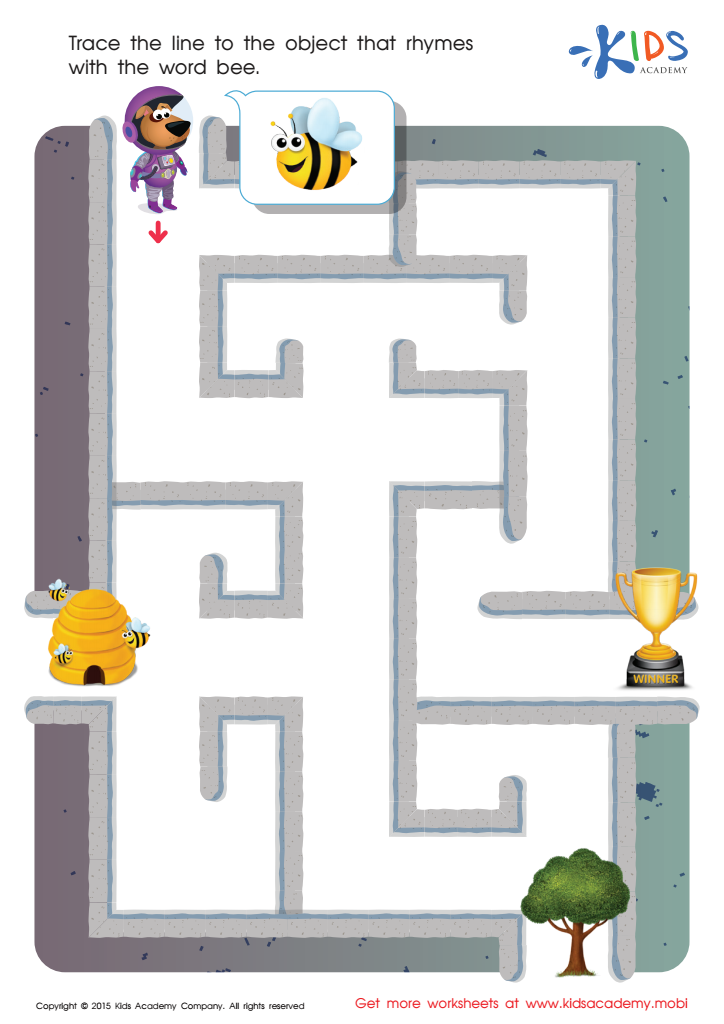
Bee Rhyming Words Worksheet
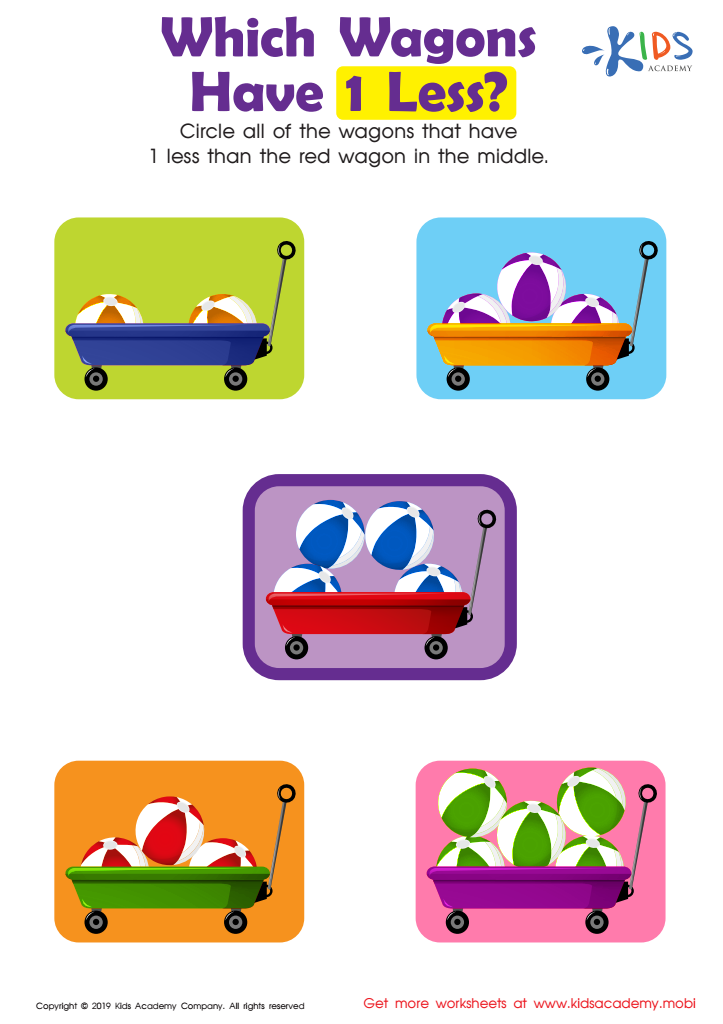
Which Wagons Have 1 Less? Worksheet
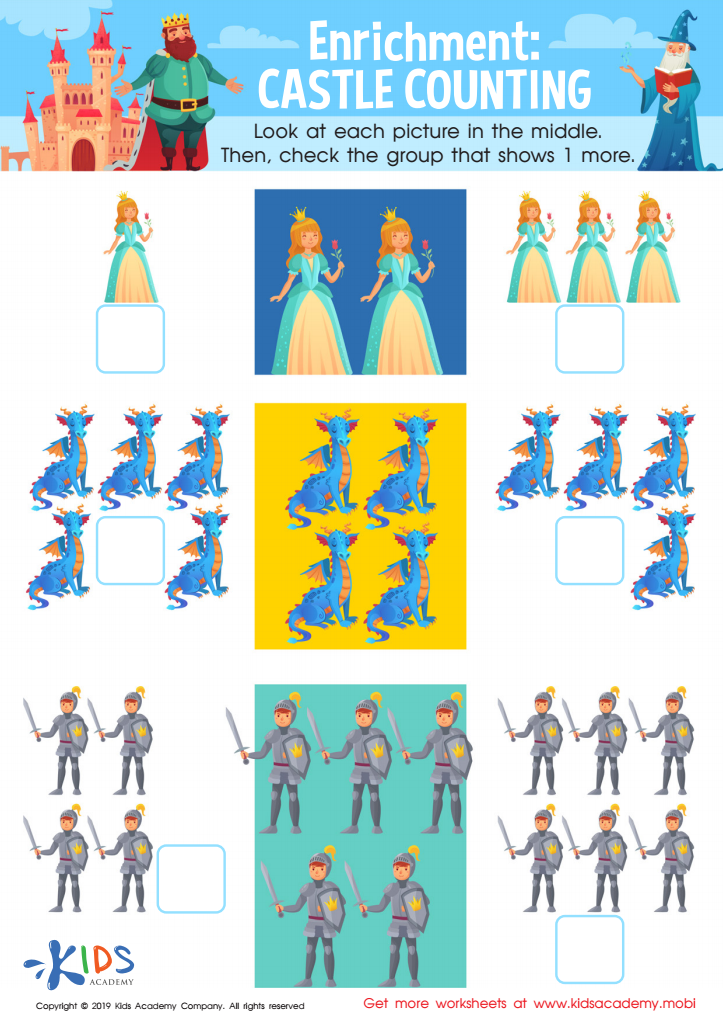
Enrichment: Castle Counting Worksheet
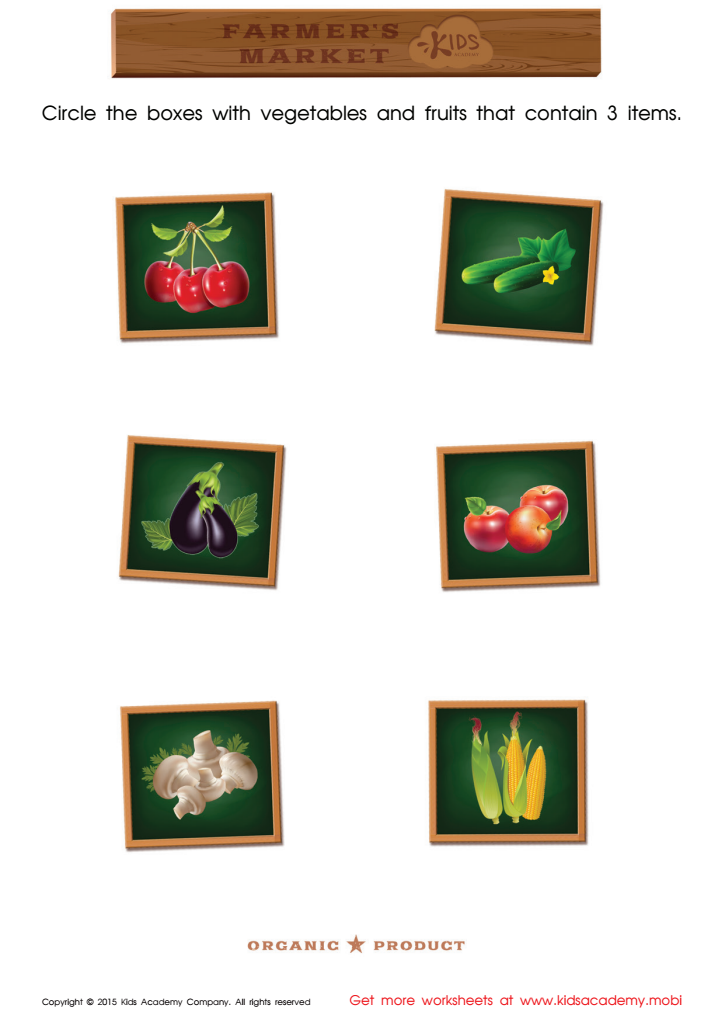
Count and Match Vegetables 1 – 5 Math Worksheet
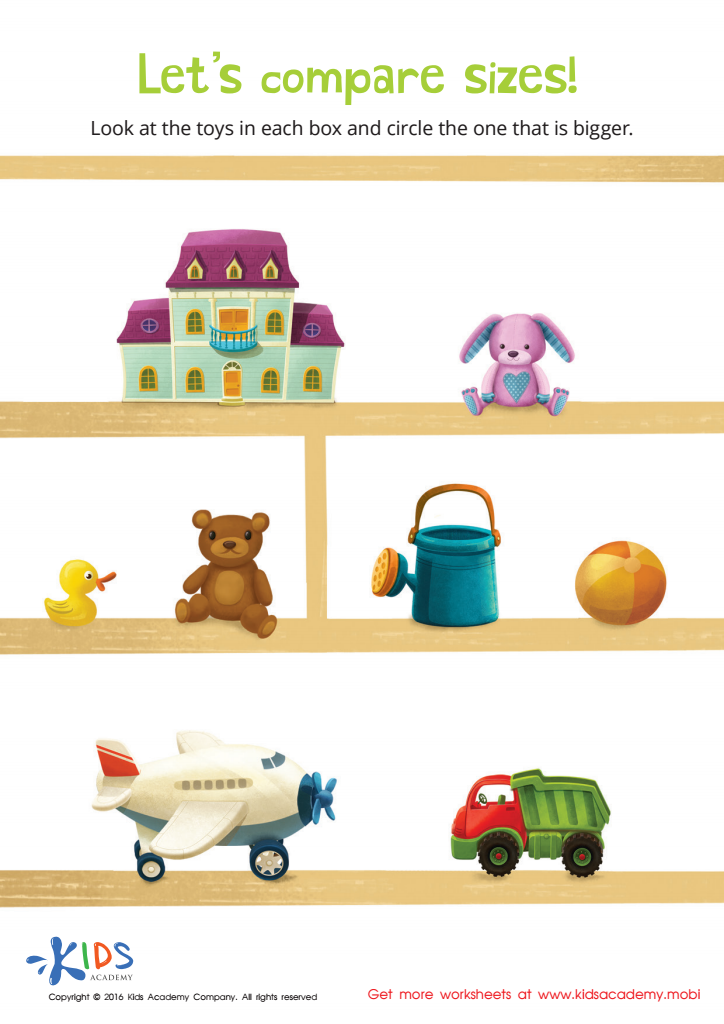
Classifying by Size Sorting Worksheet
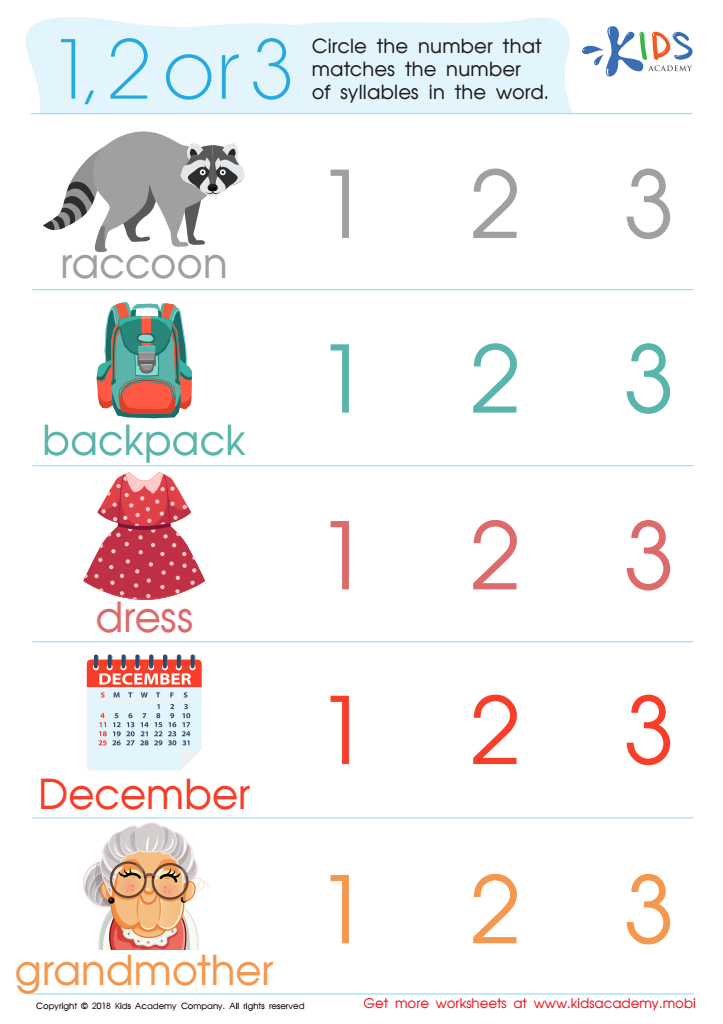
1, 2 or 3? Worksheet
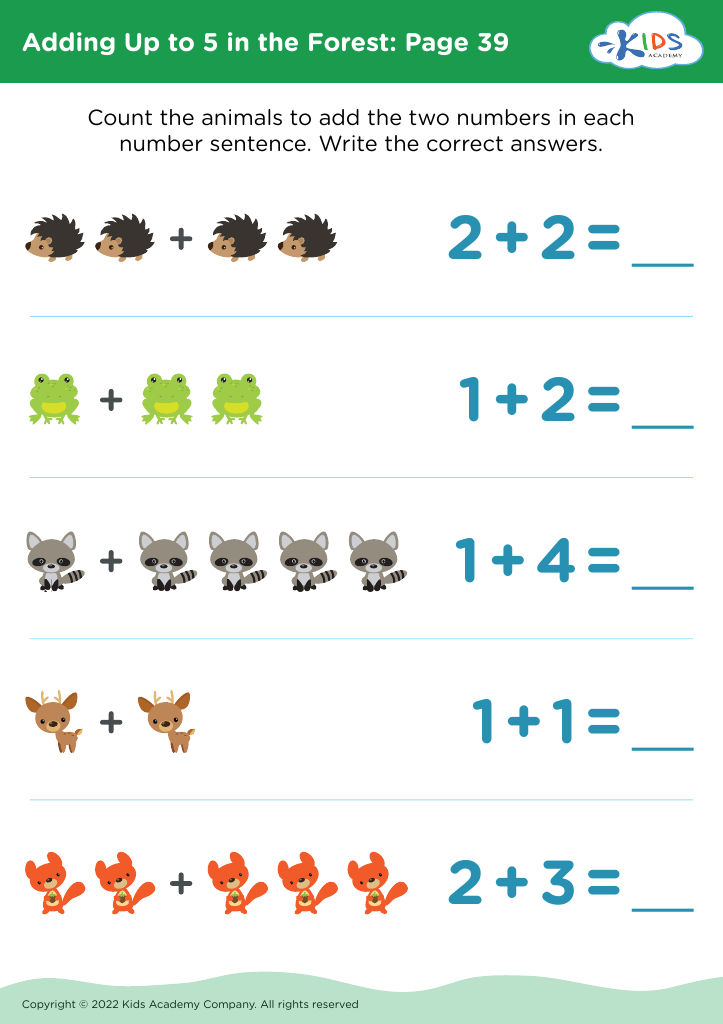
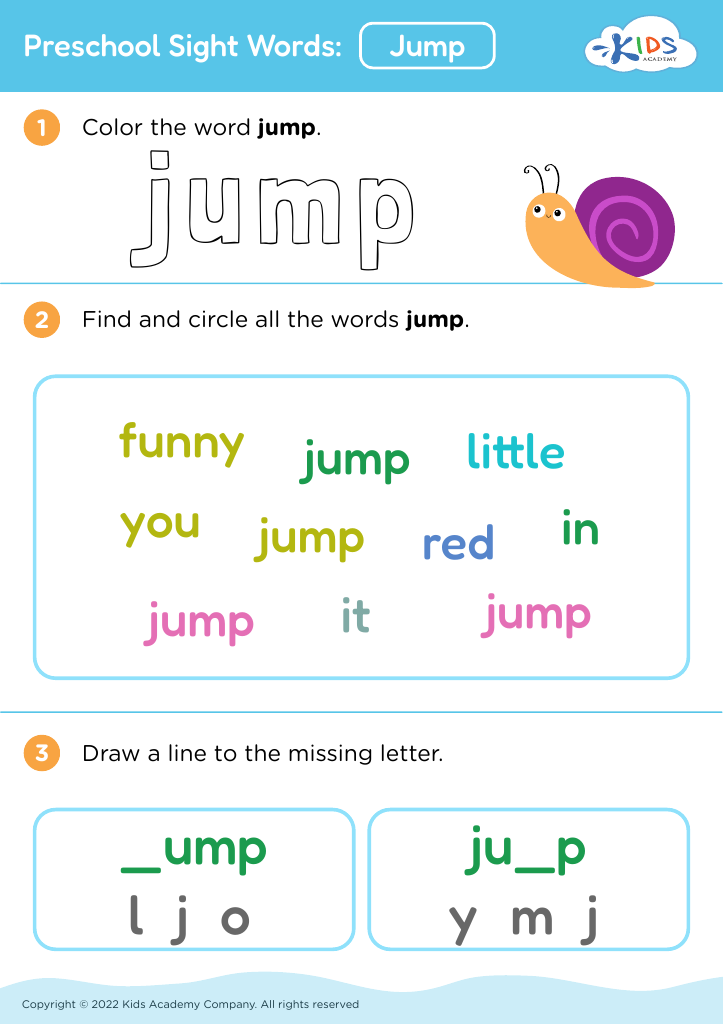
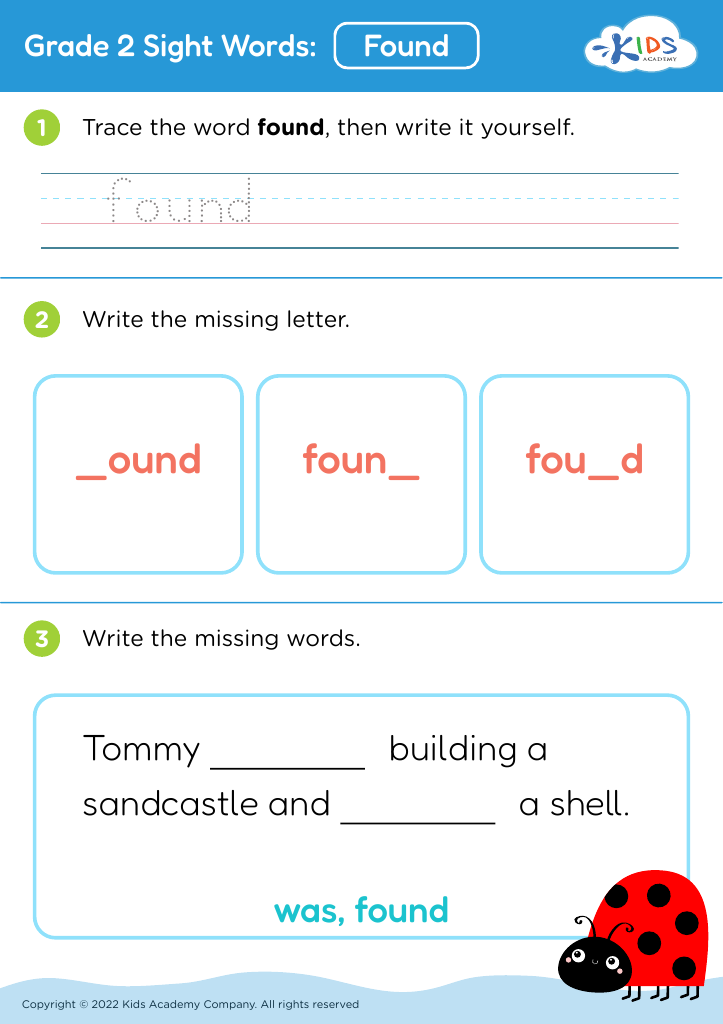







Visual perception is a crucial skill for children aged 3-8, as it impacts their overall development, learning, and daily functioning. Parents and teachers should care about visual perception because it encompasses the ability to interpret and make sense of what they see, leading to essential capabilities in both academic and social contexts.
For instance, strong visual perception skills aid in reading, where children must recognize letters, words, and understand the spatial relationships between them. Similarly, these skills are vital for mathematics, where children interpret numbers and shapes. Beyond academics, visual perception supports everyday activities such as puzzles, drawing, and sports, enhancing children’s fine motor skills and coordination.
Additionally, children with underdeveloped visual perception may experience challenges in classroom behavior and peer interactions. They might struggle with tasks that require attention to detail or become frustrated during activities involving visual elements. Thus, enhancing these skills can improve confidence, reduce frustration, and foster a love for learning.
Early detection and intervention can significantly help in addressing visual perception difficulties, making it essential for parents and teachers to engage in activities that promote these skills, creating a strong foundational framework for children’s continued growth and success.








