Visual Learning Adding at the Zoo Worksheets for Ages 3-8
9 filtered results
-
From - To
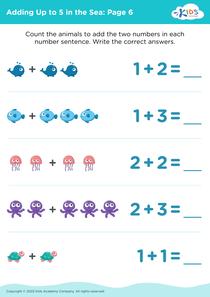
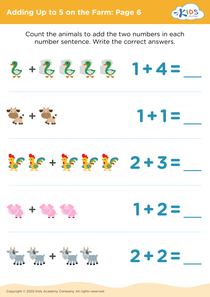
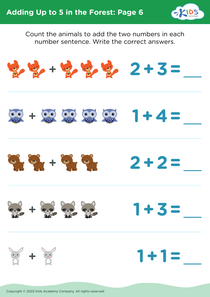
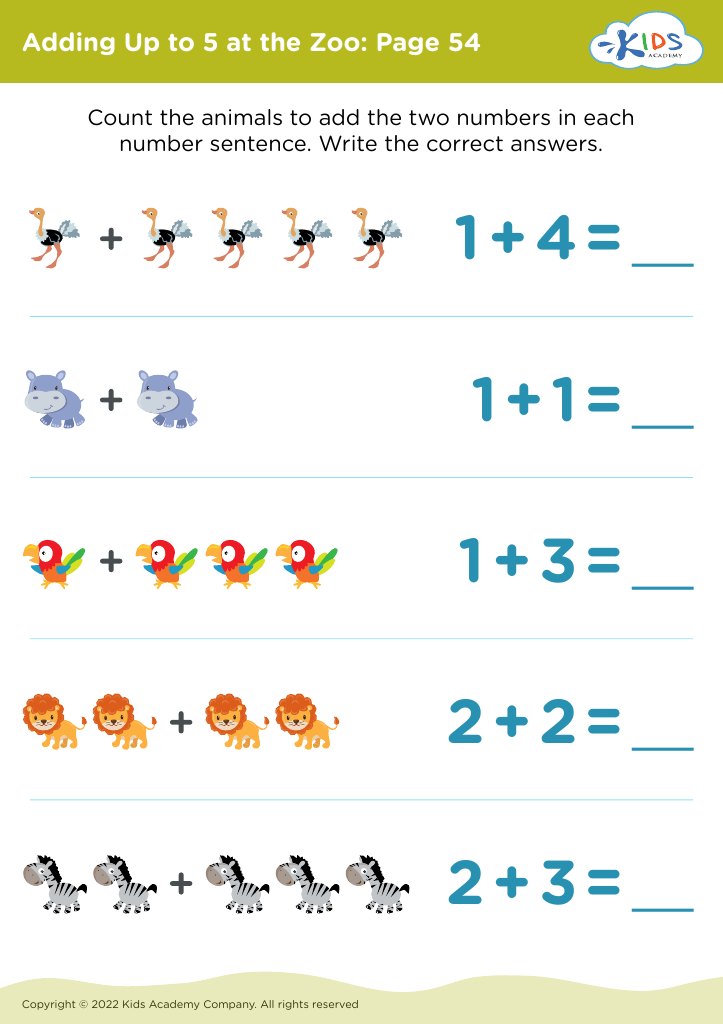
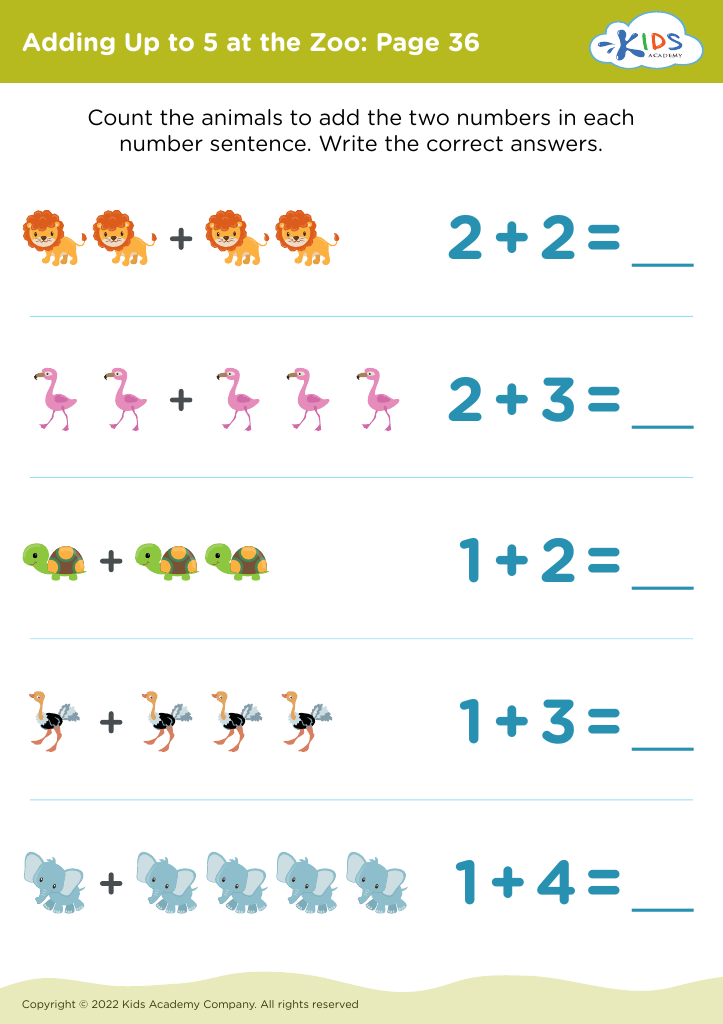
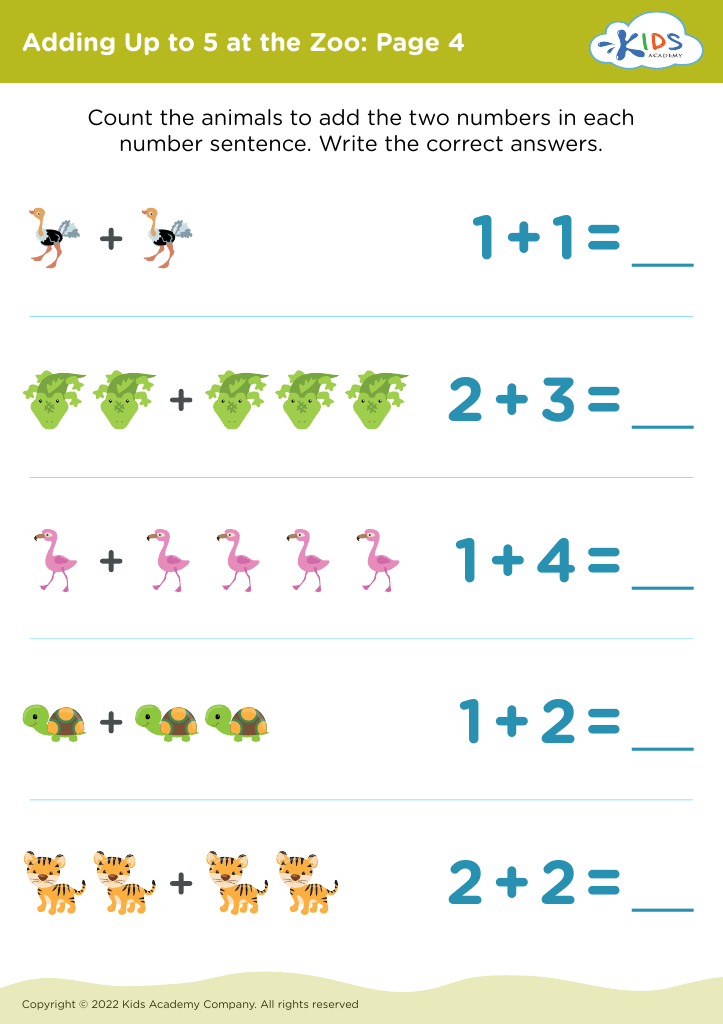
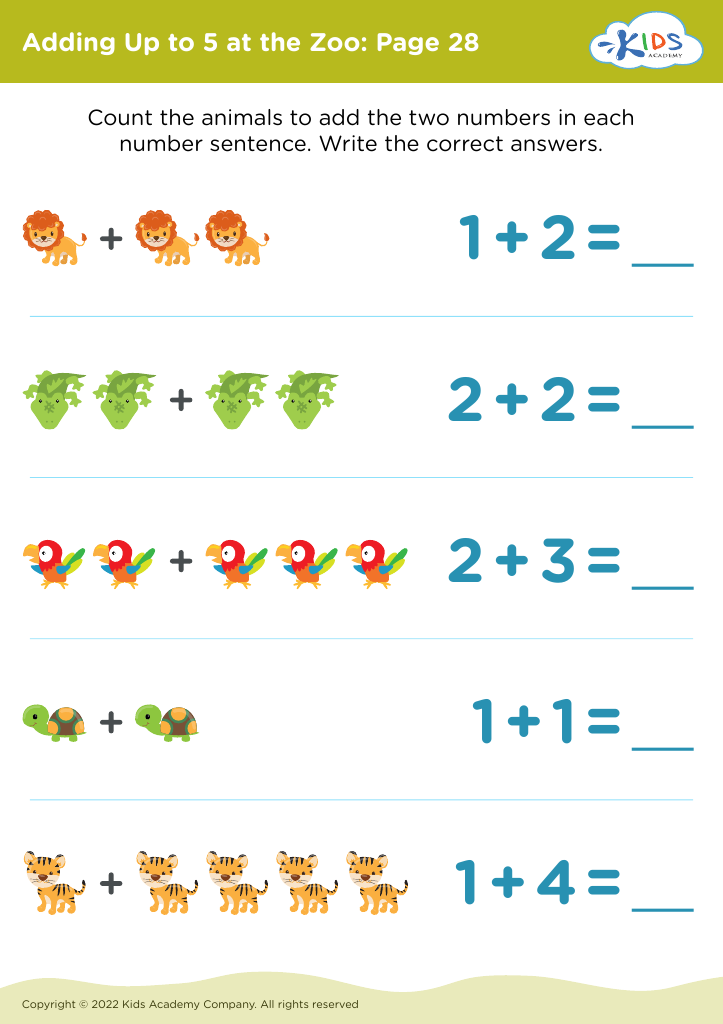
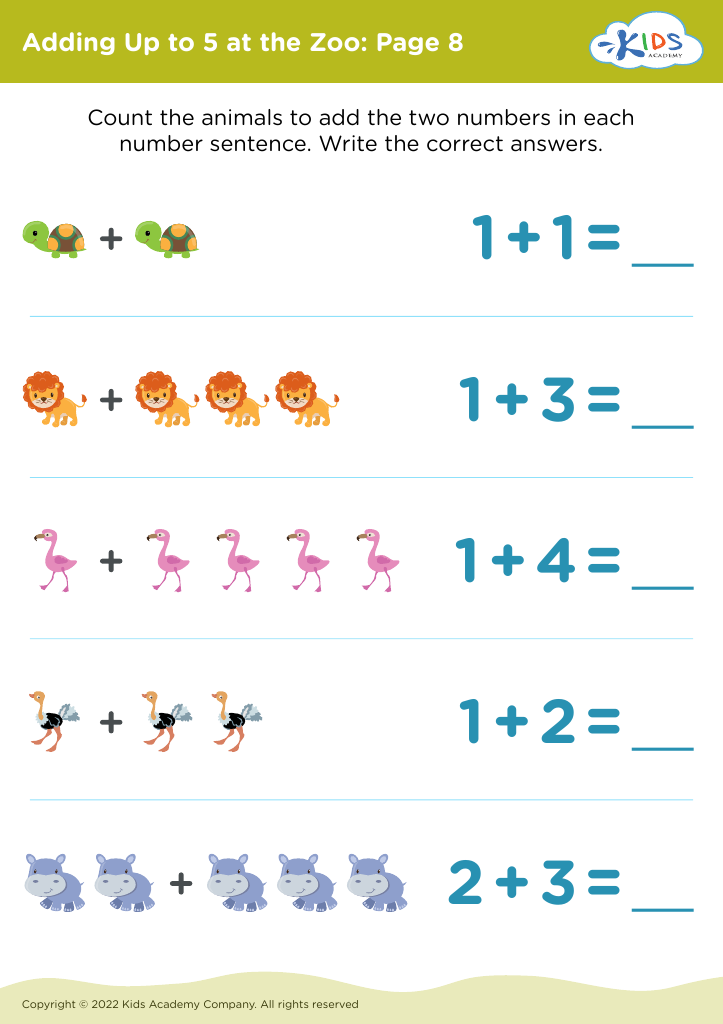
Discover the fun of visual learning with our "Adding at the Zoo" worksheets, specially designed for children aged 3-8! These engaging worksheets combine captivating zoo imagery with essential math skills, helping young learners grasp basic addition concepts in an interactive way. Kids can explore colorful illustrations of their favorite animals while practicing counting and improving their number recognition. Perfect for parents and educators alike, our resources foster a love for math through playful, hands-on activities. Enhance your child's learning experience and make math exciting with our printable worksheets that bring the zoo to life! Explore today and watch learning take flight!
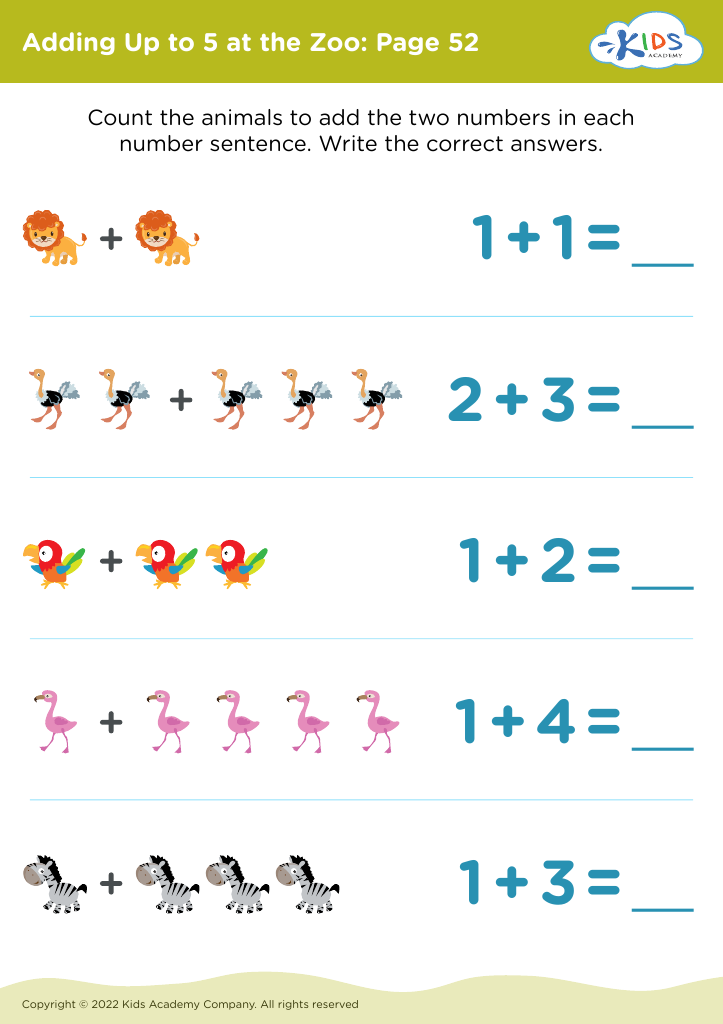
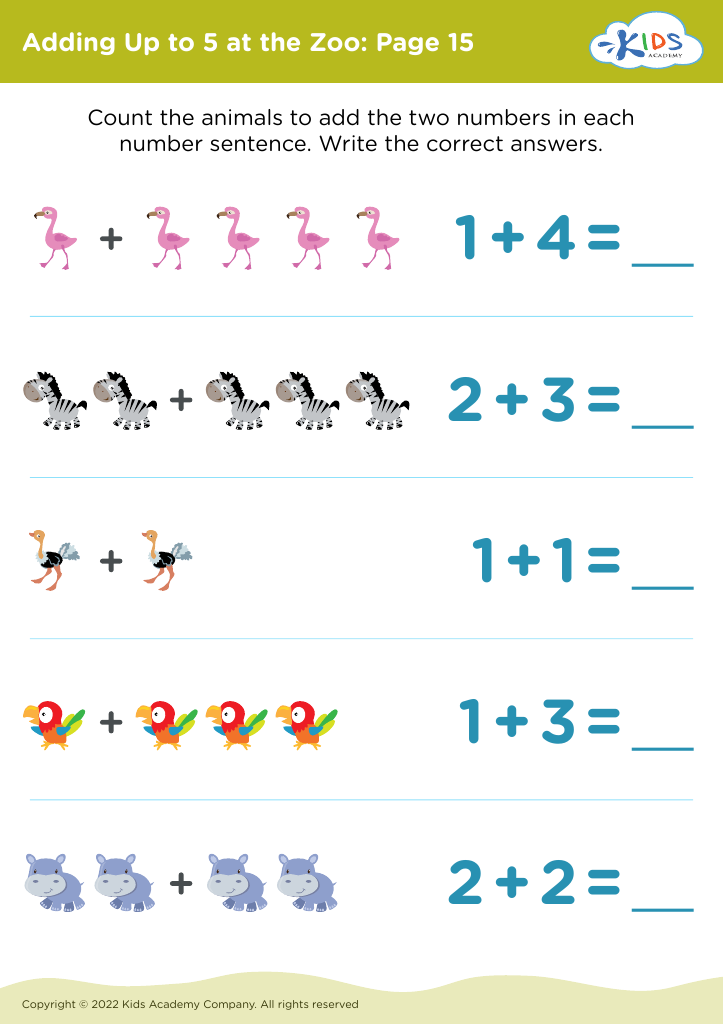
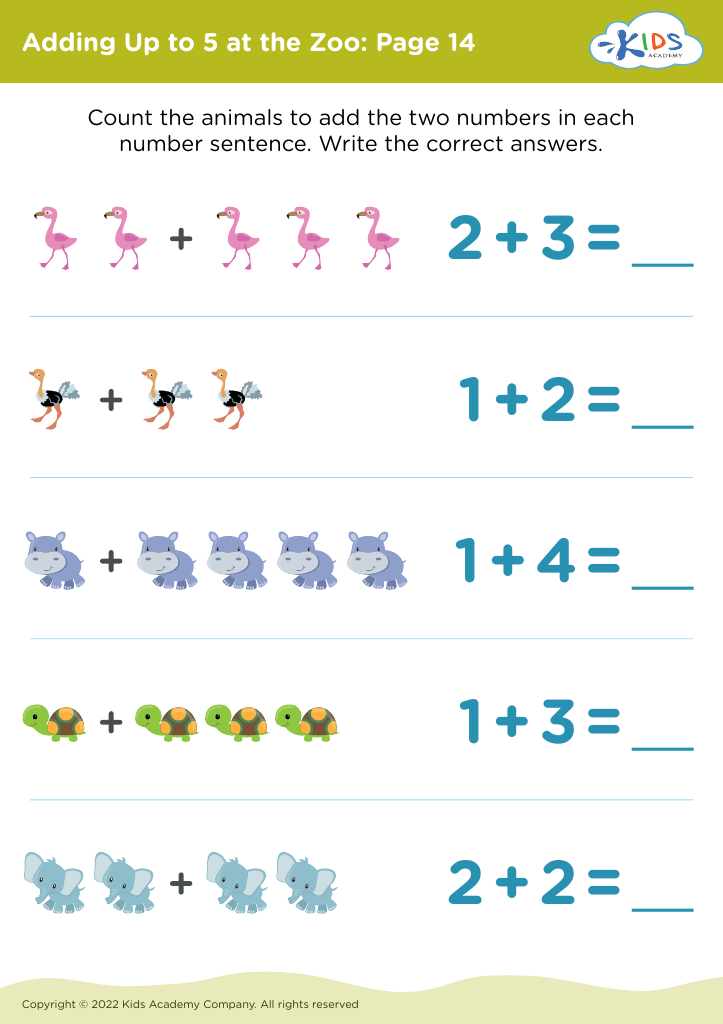
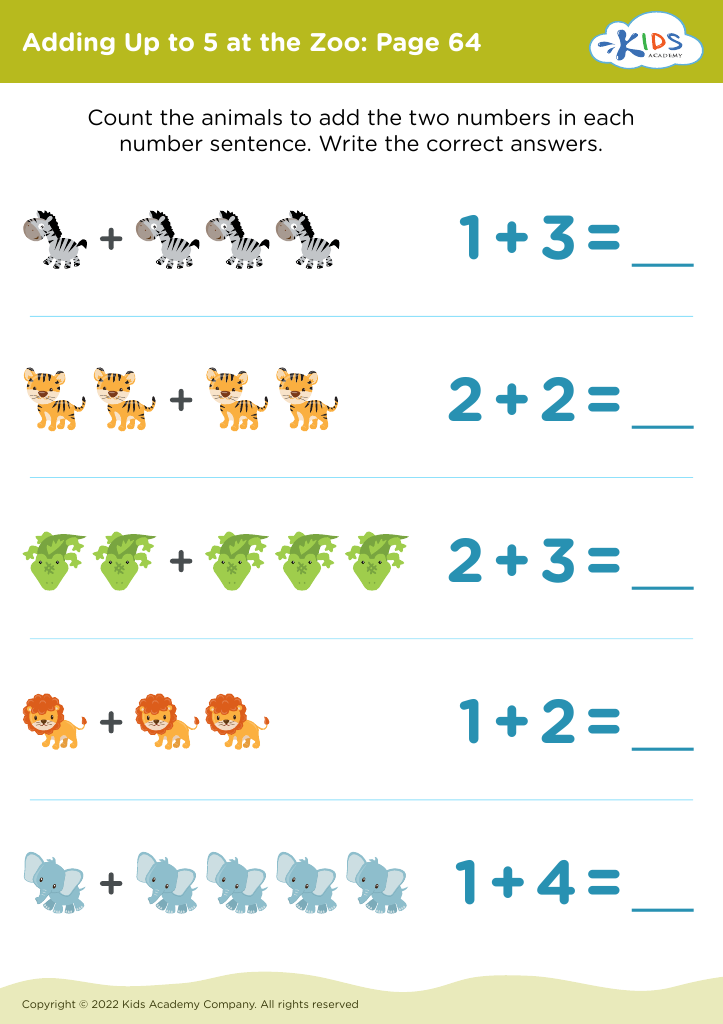



Visual Learning is essential for young children, especially in dynamic environments like a zoo. For ages 3-8, children's cognitive and emotional development is closely tied to visual experiences. Engaging with visual learning at the zoo enhances their observational skills as they explore different animals and habitats.
Parents and teachers should care about incorporating visual learning because it caters to diverse learning styles. Many young children are visual learners, meaning they process information more effectively through sight. Zoo visits can stimulate curiosity and foster a love for nature and wildlife. Interactive visual experiences, such as observation games or picture-based scavenger hunts, can make learning fun and memorable.
Moreover, exposure to visual stimuli in a real-world setting reinforces concepts taught in classrooms, such as biology and conservation. This helps build foundational knowledge while encouraging critical thinking and problem-solving skills.
Lastly, involving parents and teachers in this process strengthens the educational experience. When children share their zoo experiences and visuals with adults, it fosters discussions that deepen understanding and retention of information. By prioritizing visual learning at the zoo, adults can promote active engagement, lasting memories, and a profound appreciation for the natural world among young children.