Fraction comparison Adding up to 100 Worksheets for Ages 3-8
6 filtered results
-
From - To
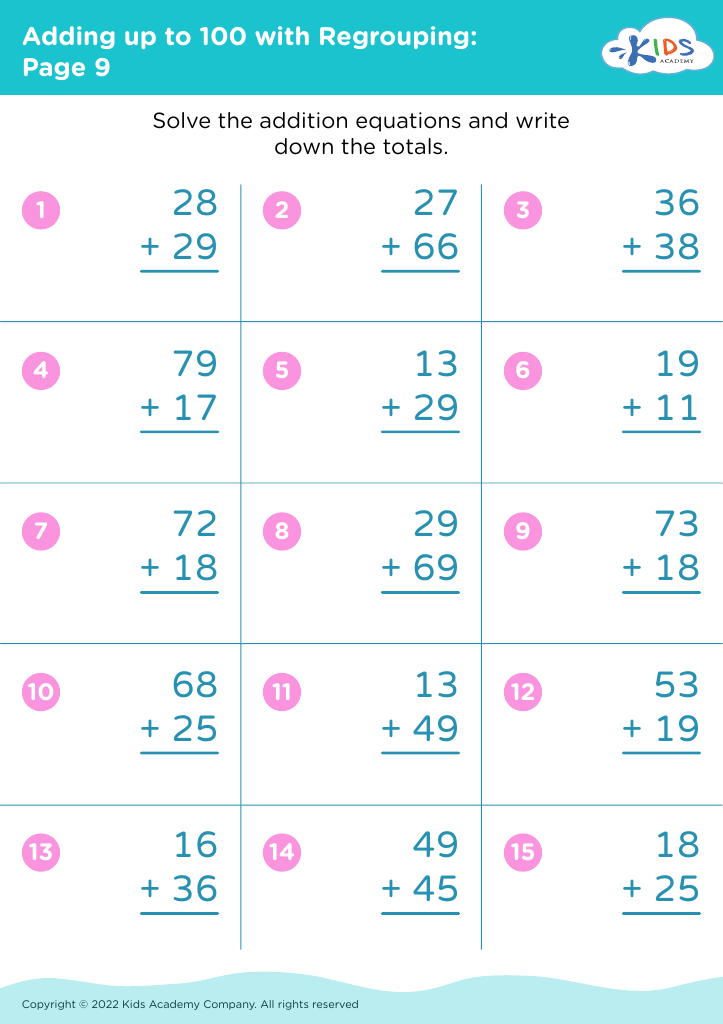
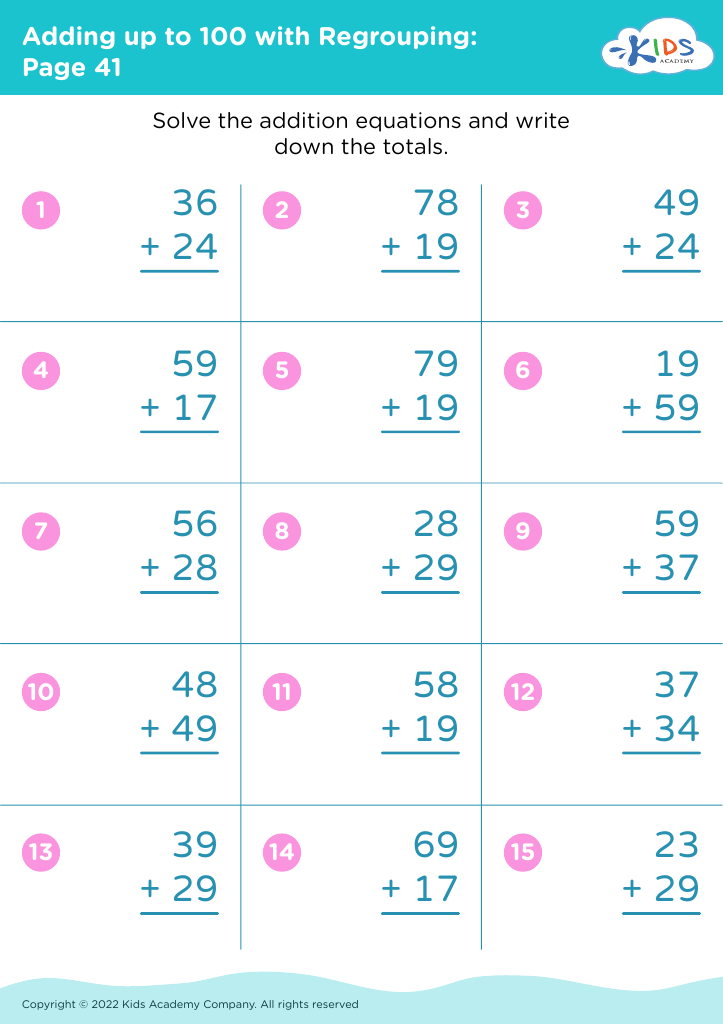
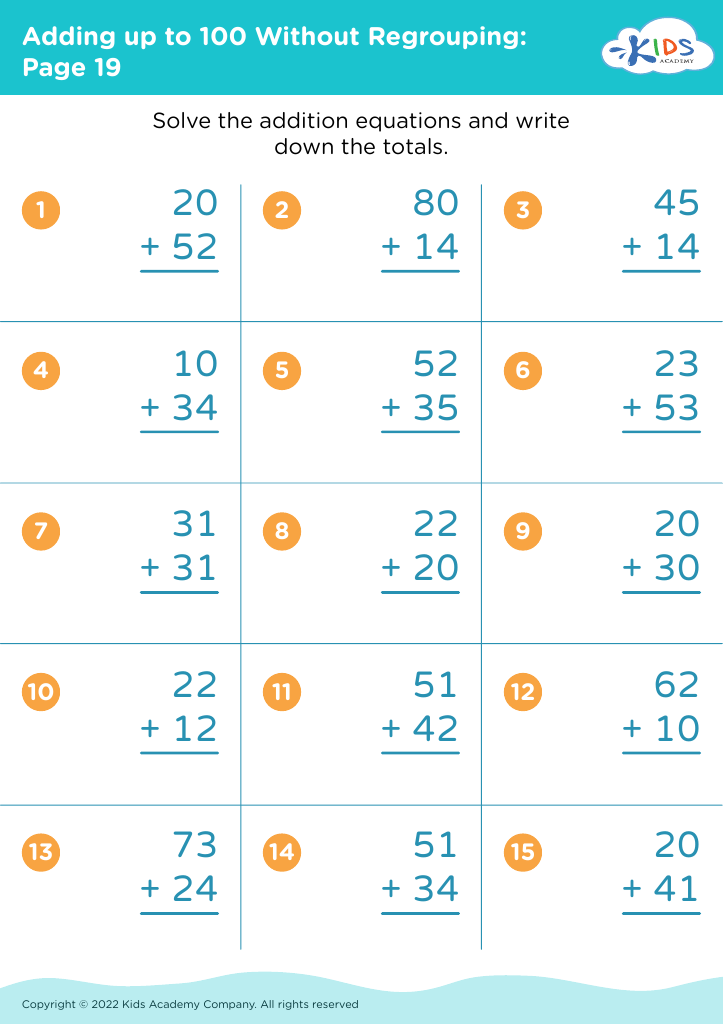
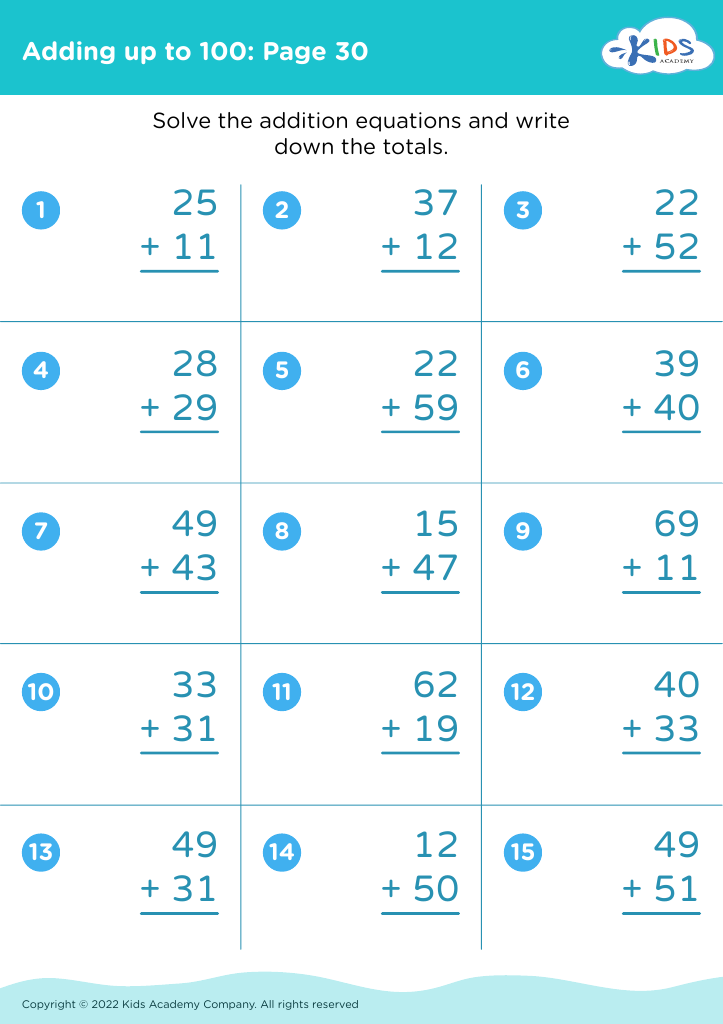
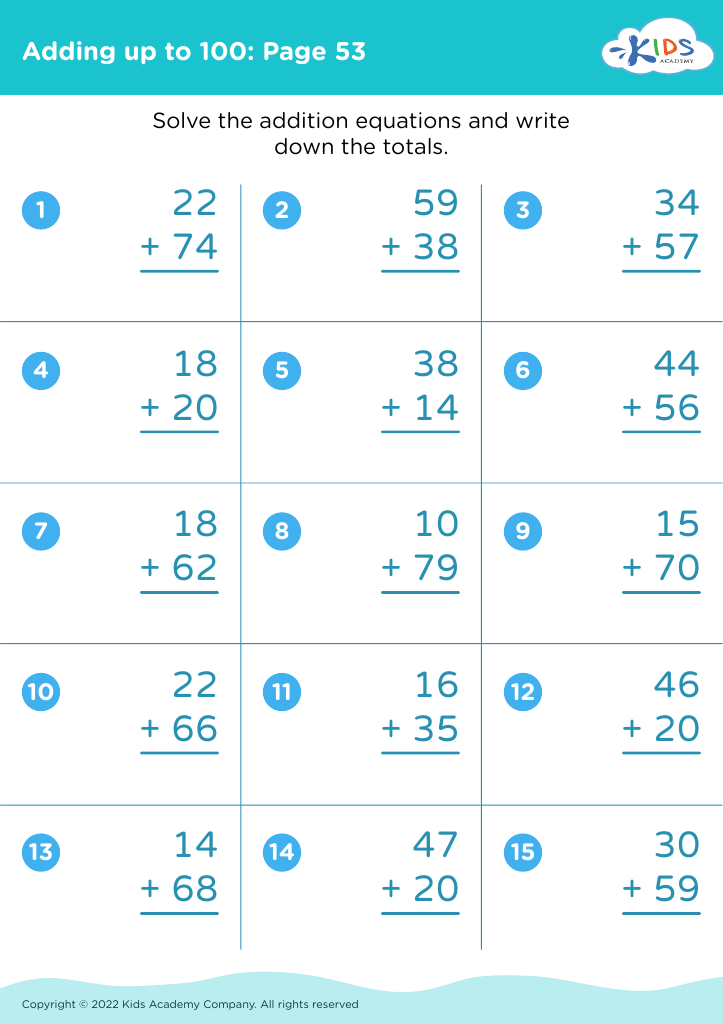
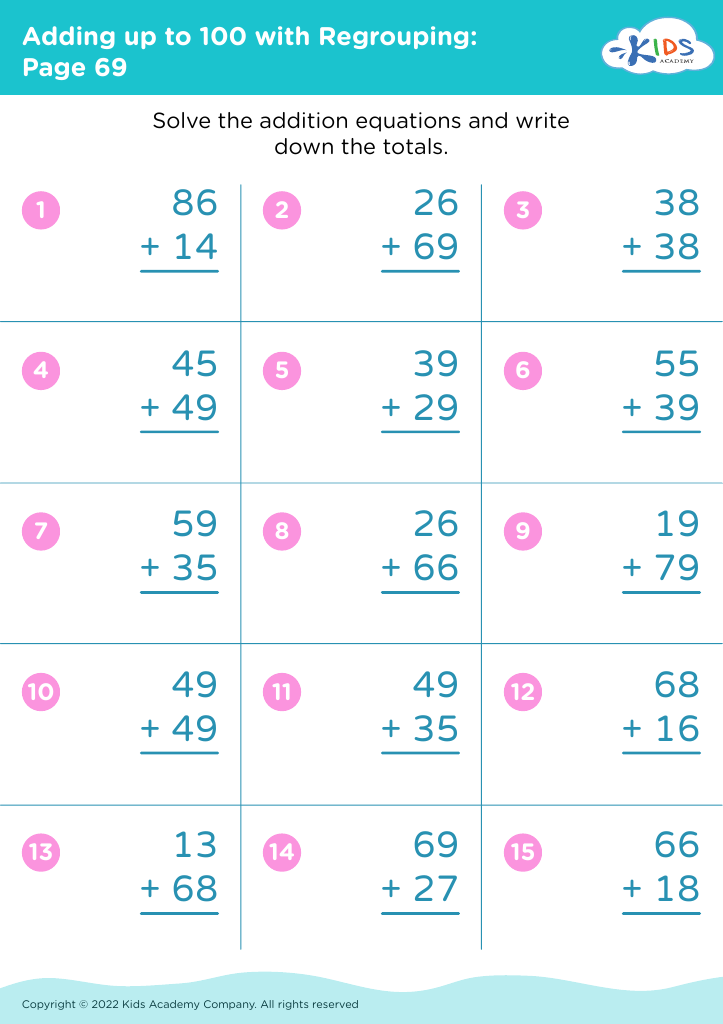
Welcome to our engaging Fraction Comparison Adding up to 100 worksheets, designed for children aged 3-8! These interactive activities help young learners grasp the concept of fractions while building foundational math skills. With colorful visuals and fun exercises, children will explore comparing fractions in a playful way. Each worksheet aims to enhance problem-solving abilities and reinforce understanding of how different fractions relate to one another within the context of adding up to 100. Perfect for home or classroom use, these resources make math playful and impactful. Empower your child's learning journey today with our thoughtfully crafted fraction worksheets!





%20(1).jpg)

Understanding fraction comparison is crucial for children aged 3-8 because it lays the groundwork for their mathematical development. During these formative years, children learn to grasp fundamental concepts such as parts of a whole and quantity relationships. Comparing fractions helps them to make sense of how different portions relate to one another, an essential skill for later topics like addition, subtraction, and more complex fractions.
Teaching fraction comparison, particularly in terms of adding up to 100, reinforces skills such as critical thinking and problem-solving. It fosters a foundation for recognizing percentages, proportions, and ratios in future mathematics. Moreover, it enhances children's cognitive abilities by developing their spatial awareness and reasoning skills.
Equipping young learners with the ability to compare fractions not only boosts their mathematical proficiency but also instills confidence. As they engage in hands-on activities involving real-life scenarios—such as sharing pizza or dividing treats—they can visualize the concepts more effectively. For parents and teachers, focusing on fraction comparison offers a meaningful way to promote engagement and curiosity in mathematics, nurturing a lifelong love for learning and fostering persistence in challenging subjects. Engaging children early ensures they welcome complex concepts in the future rather than shy away from them.








