Improve reading skills Adding up to 100 Worksheets for Ages 3-8
5 filtered results
-
From - To
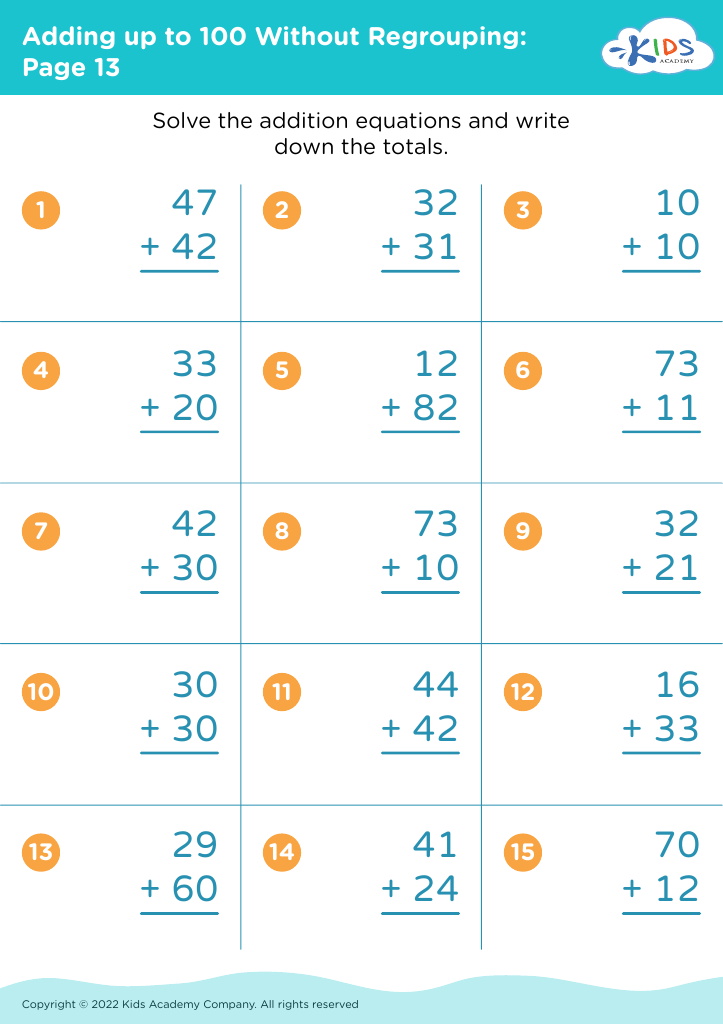
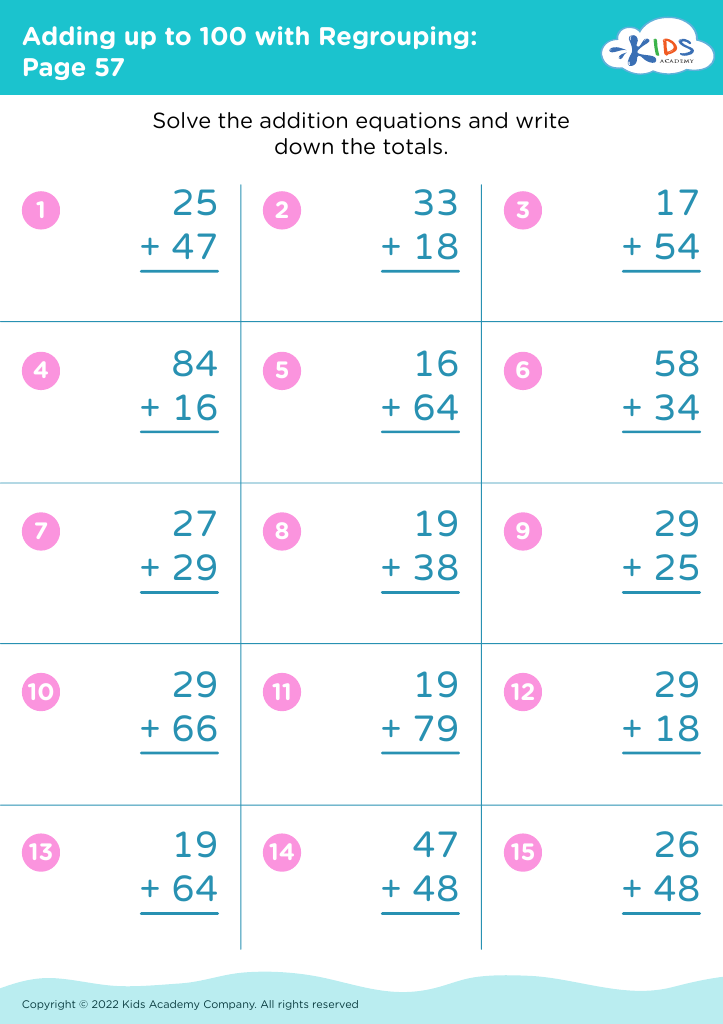
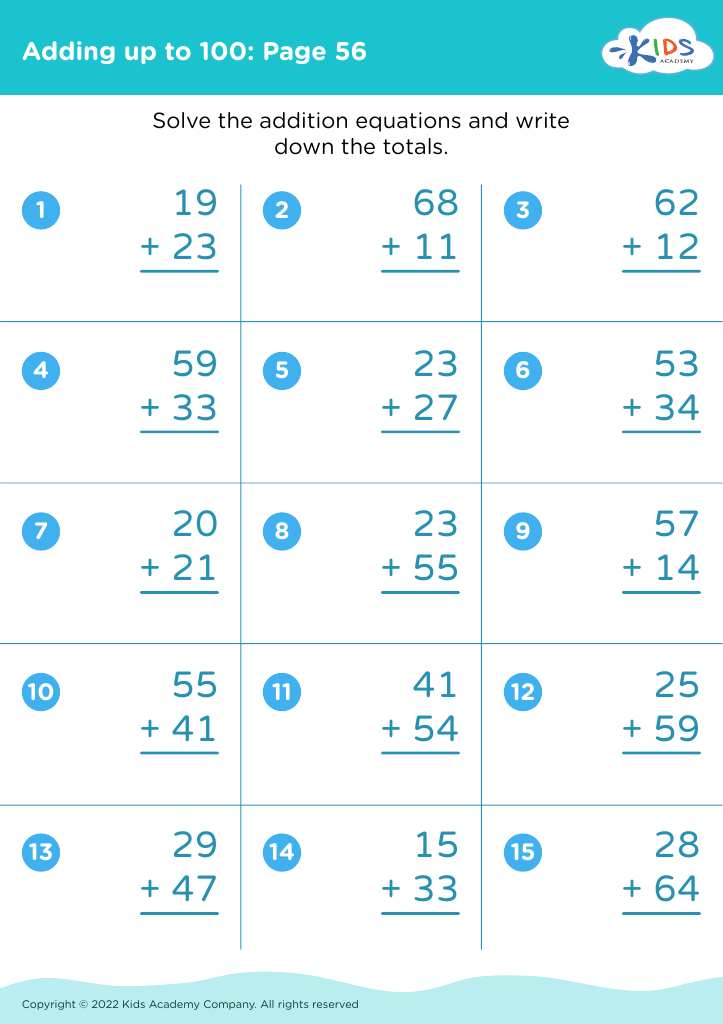
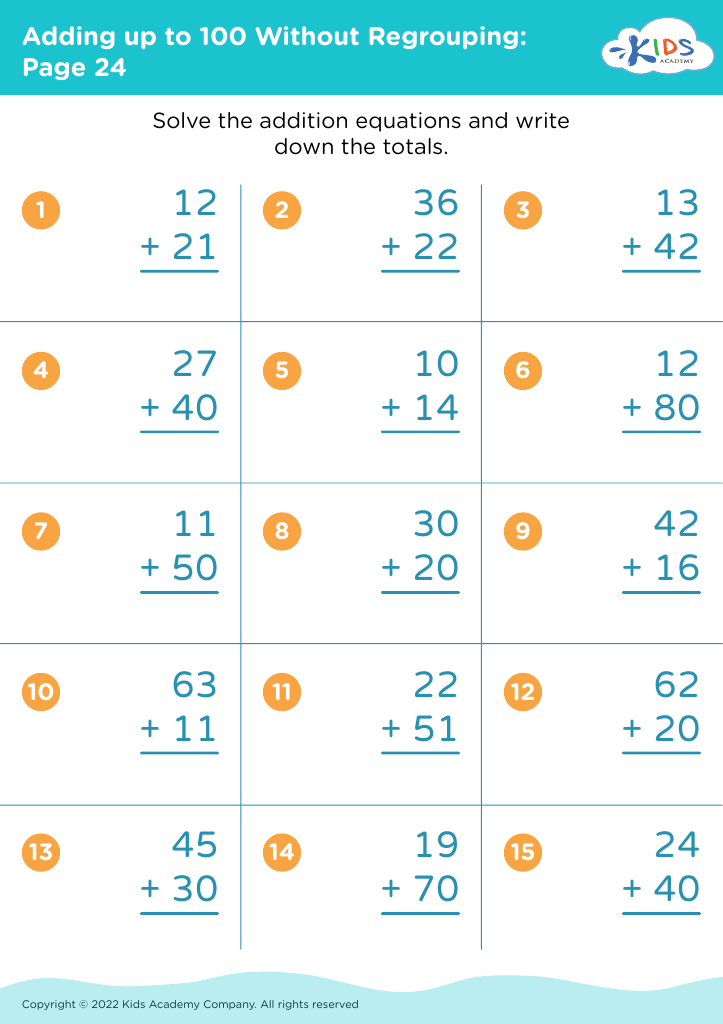
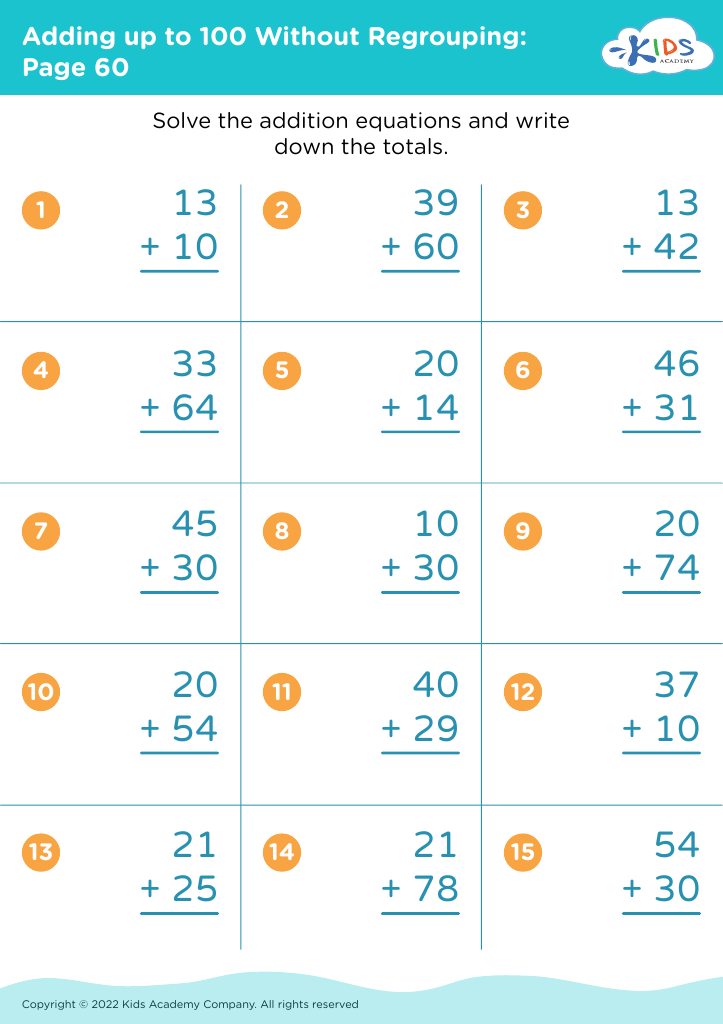
Enhance your child's reading abilities with our "Improve Reading Skills: Adding Up to 100 Worksheets" specifically designed for ages 3-8. Our engaging worksheets seamlessly integrate fun math concepts while boosting literacy skills through interactive activities. Children will enjoy exploring various reading exercises that promote comprehension and vocabulary development alongside their early math lessons. Each worksheet is crafted to encourage critical thinking and make learning enjoyable, ensuring that your little one not only masters addition but also becomes a confident reader. Give your child the head start they deserve with over 100 diverse worksheets that promote a well-rounded educational experience!






%20(1).jpg)
Improving reading skills in children aged 3 to 8 is crucial for their overall development and future successes. In these formative years, children develop foundational language and literacy skills that significantly impact their academic journey. Effective reading skills enhance comprehension, vocabulary, and critical thinking abilities. When children understand text, they can engage more fully in their learning, leading to better performance in school.
Moreover, reading skills are linked to socialization and emotional development. Children who read confidently often express their thoughts and emotions better, leading to enhanced communication skills and stronger relationships with peers. Furthermore, engaging with stories stimulates imagination and creativity, fostering a love for learning that can last a lifetime.
For parents and teachers, supporting reading skills means creating a nurturing environment that encourages exploration and curiosity. By prioritizing reading and making it a shared activity, they can cultivate children’s enthusiasm for learning. Additionally, children who struggle with reading are at a higher risk for academic challenges as they progress. Addressing these skills early can mitigate future difficulties and set children on a path to success, significantly improving their ability to access and enjoy educational opportunities as they continue to grow.








