Improve reading skills Adding up to 1000 Worksheets for Ages 3-8
13 filtered results
-
From - To
Boost your child's reading skills with our collection of 1,000 engaging worksheets designed specifically for ages 3-8. These printable activities provide a fun and interactive way for young learners to develop their reading abilities through a variety of exercises, including sounding out words, matching, comprehension, and vocabulary building. Tailored to align with developmental milestones, our worksheets cater to various learning styles, ensuring every child can thrive. With appealing visuals and age-appropriate content, you'll find the perfect tools to foster a love for reading while enhancing literacy skills. Explore our resources today and set the foundation for your child's reading success!
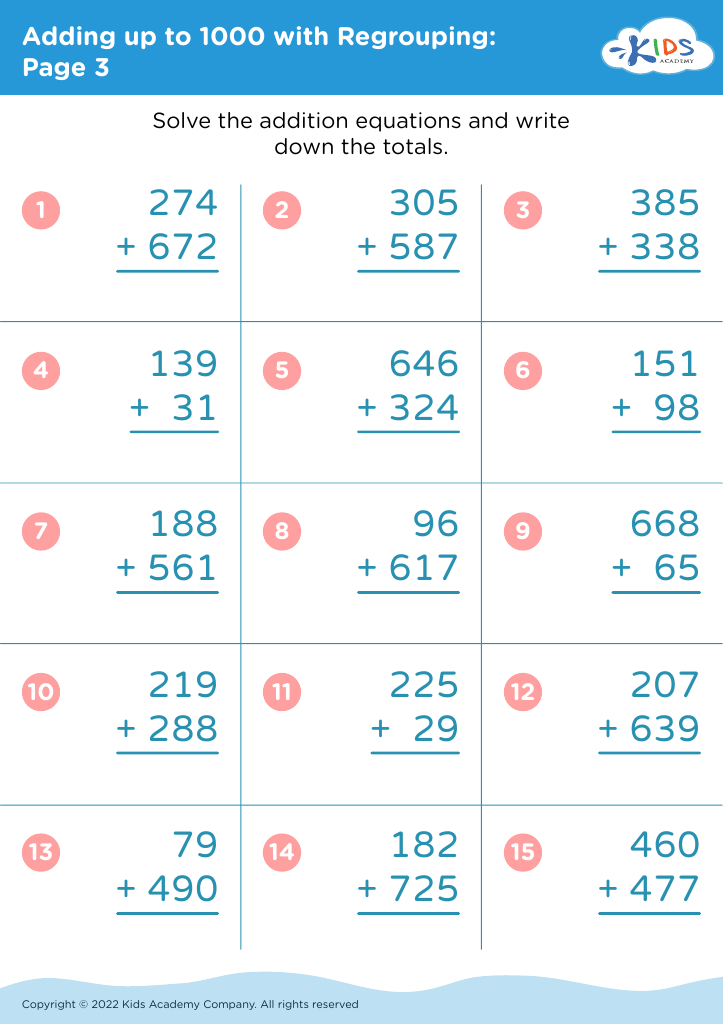
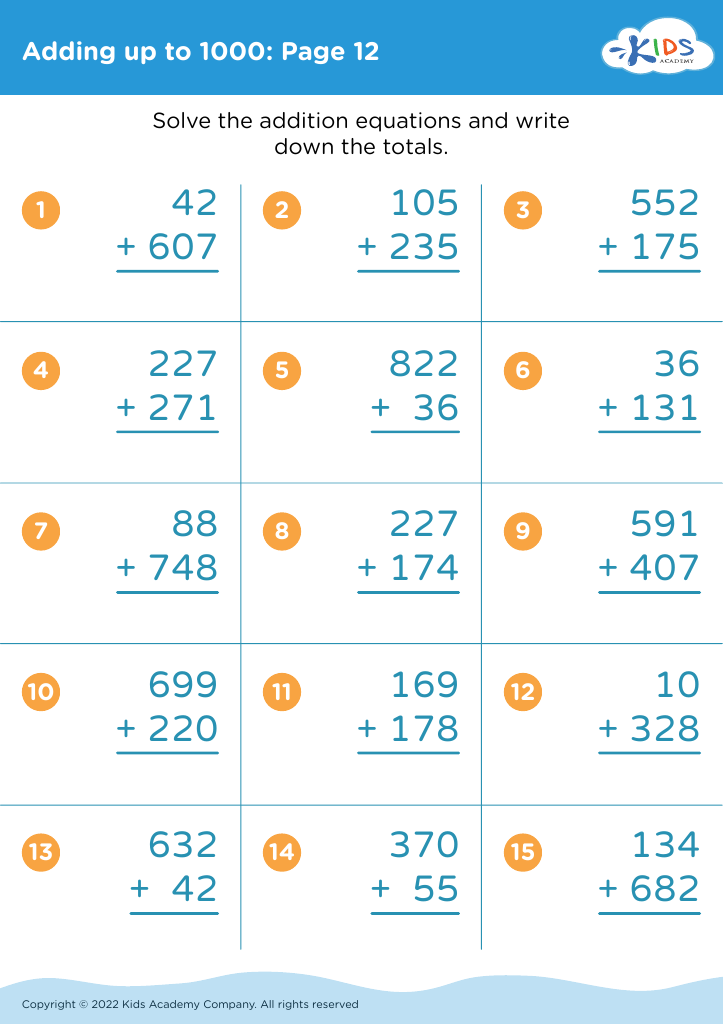
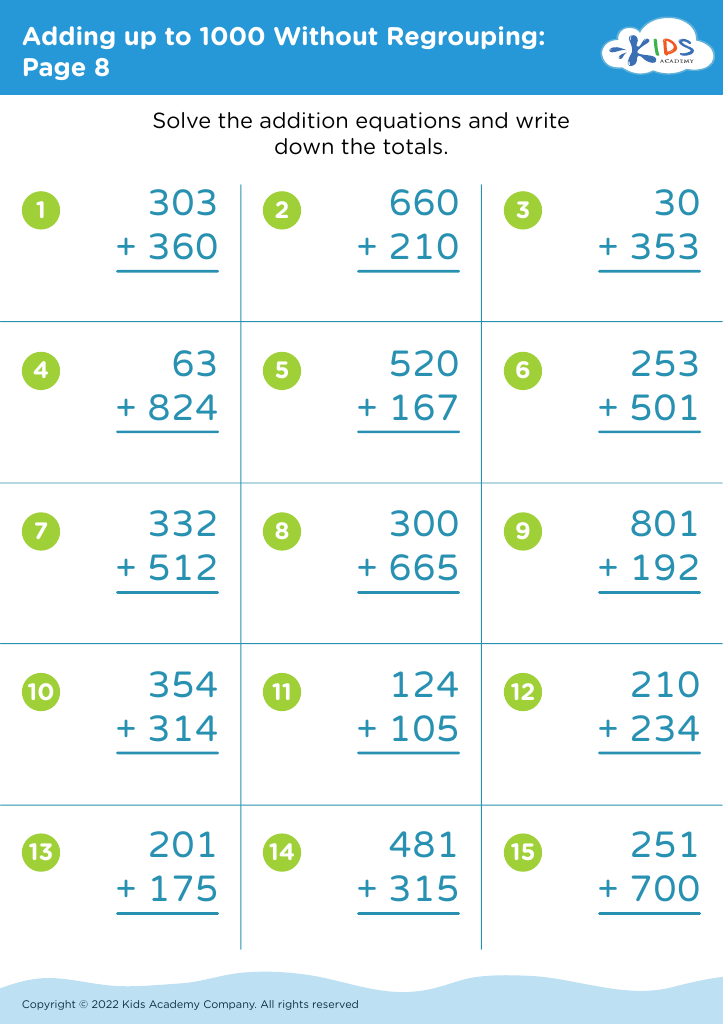
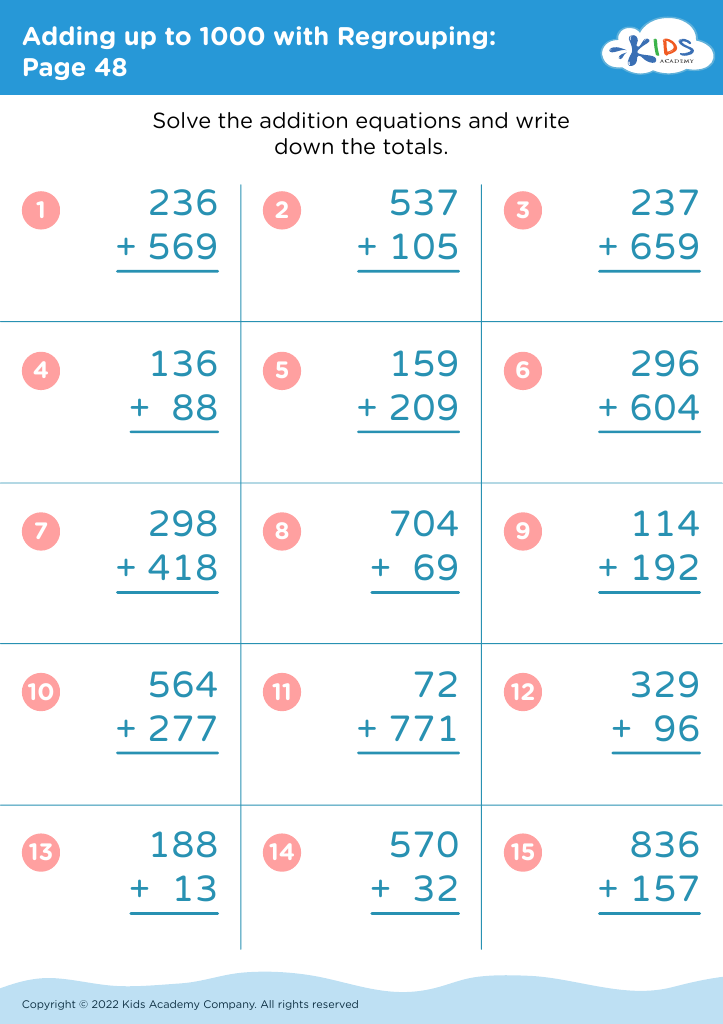



Improving reading skills in young children aged 3-8 is crucial for their overall development and future academic success. Early reading proficiency lays the foundation for language development, fostering vocabulary growth and comprehension skills. When children can read effectively, they are more likely to engage with learning materials, leading to enhanced educational outcomes in all subjects.
For parents and teachers, prioritizing reading skills also fosters a love for literature and curiosity about the world, qualities that can drive lifelong learning. Engaging children through age-appropriate, enriching reading experiences supports social and emotional development; storytelling can help children express their feelings, relate to others, and explore different perspectives.
Additionally, evidence indicates that children who struggle with reading in early childhood may face ongoing challenges throughout their academic careers, often leading to lower self-esteem and limited career opportunities later on. By investing time and resources into improving reading skills at an early age, parents and teachers can mitigate these risk factors and help ensure that each child develops the confidence and skills necessary for success.
Ultimately, nurturing strong reading skills in young children not only empowers them academically but also cultivates imaginative thinkers and engaged citizens, making it a worthwhile priority for all involved in their education.








