


%20(1).jpg)




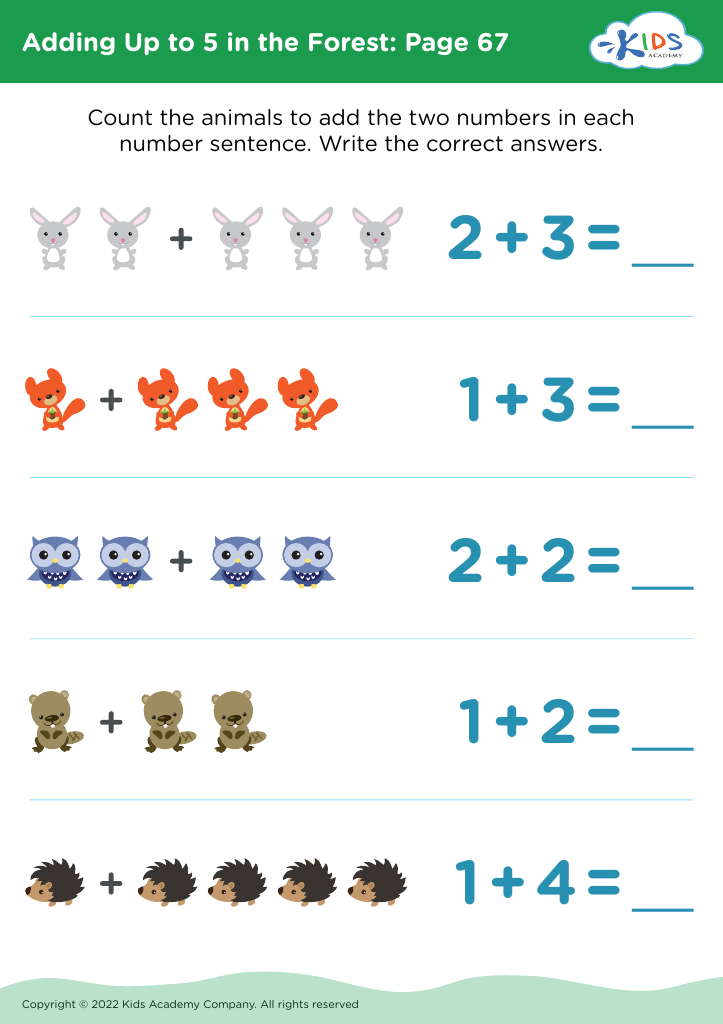
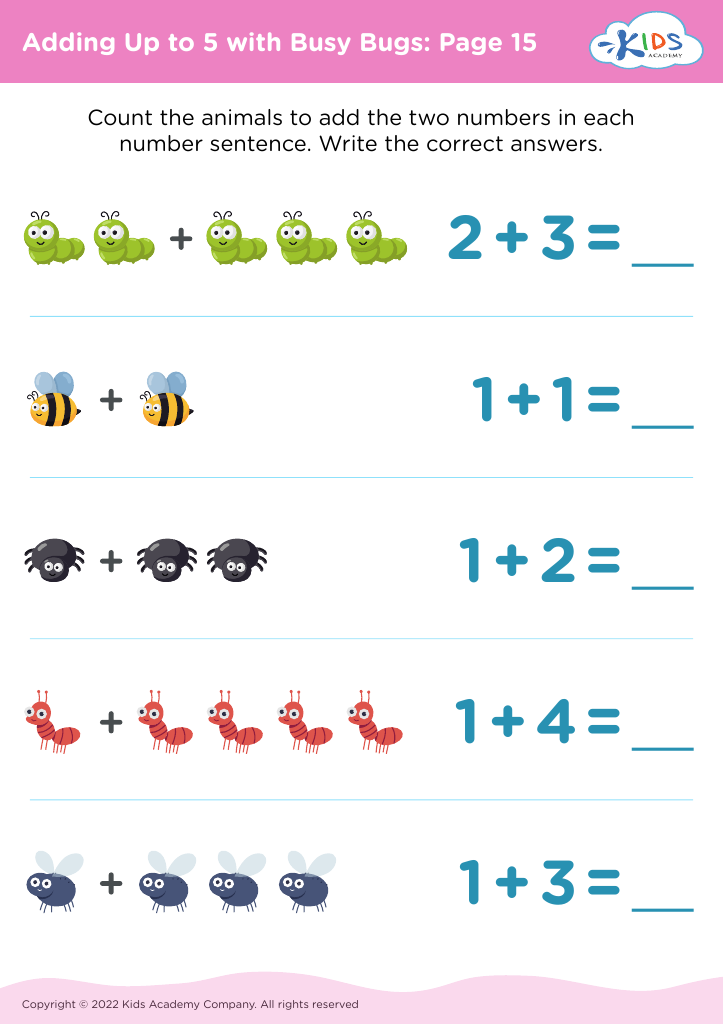
Fostering early math skills, like addition up to 5, during ages 3-8 lays a critical foundation for future academic success and cognitive development. At this formative stage, children are naturally curious and receptive to learning new concepts. Introducing them to basic addition not only enhances their numeracy but also improves problem-solving abilities, logical thinking, and memory retention.
By mastering addition up to 5, children gain confidence and fluency in handling more complex mathematical operations as they advance in their education. It also aligns with key educational standards, preparing them for the systematic mathematical instruction they will encounter in higher grades. Moreover, early math skills are predictive of future academic achievement, including in reading and writing.
Involving both parents and teachers in this process creates a supportive learning environment that extends beyond the classroom. Engaging activities, games, and interactive exercises can make learning addition enjoyable and more effective. Parental involvement in practicing these skills at home reinforces the lessons taught at school, constructing a cohesive learning experience.
Overall, concentrating on addition practice for young children nurtures a positive attitude towards math, minimizes the anxiety often associated with the subject, and scaffolds their overall academic journey.








