Improve reading skills Adding up to 50 Worksheets for Ages 3-8
7 filtered results
-
From - To
Boost your child's reading skills with our "Improve Reading Skills" worksheet collection, specifically designed for ages 3-8. Featuring 50 engaging worksheets, this resource aligns with fun themes and educational content to help young learners build vocabulary, comprehension, and phonemic awareness. Each activity encourages critical thinking while reinforcing essential reading concepts through interactive exercises and reading practice. Perfect for parents and educators, our worksheets seamlessly integrate into daily learning routines to support literacy development. Give your child the gift of reading confidence and creativity, setting a strong foundation for their future educational journey with our enriching worksheet selections.
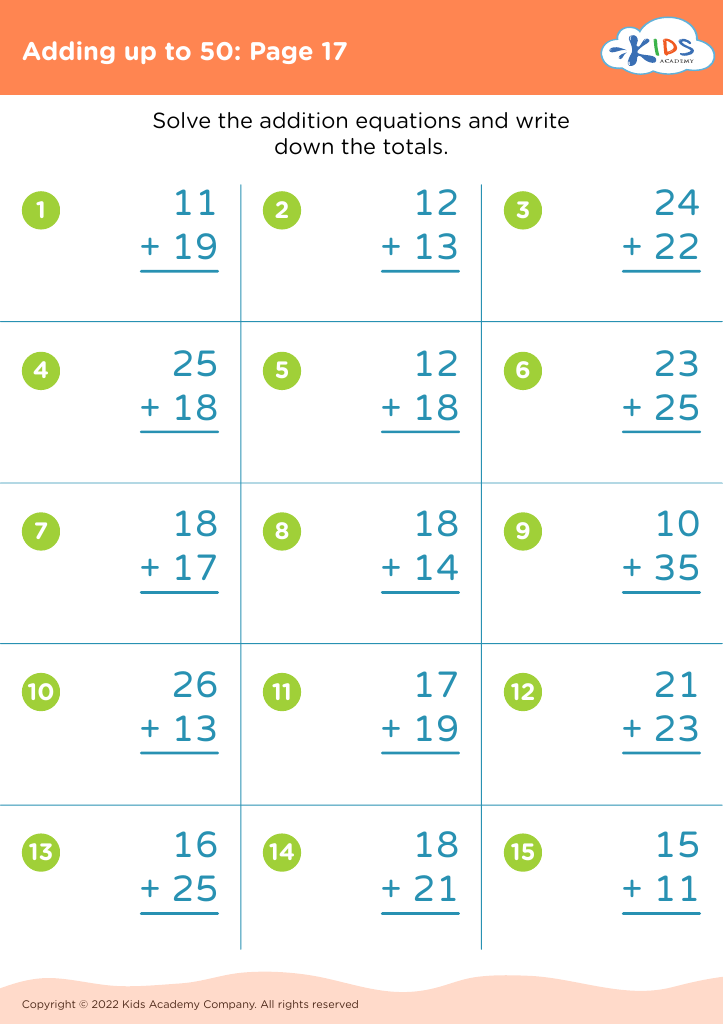
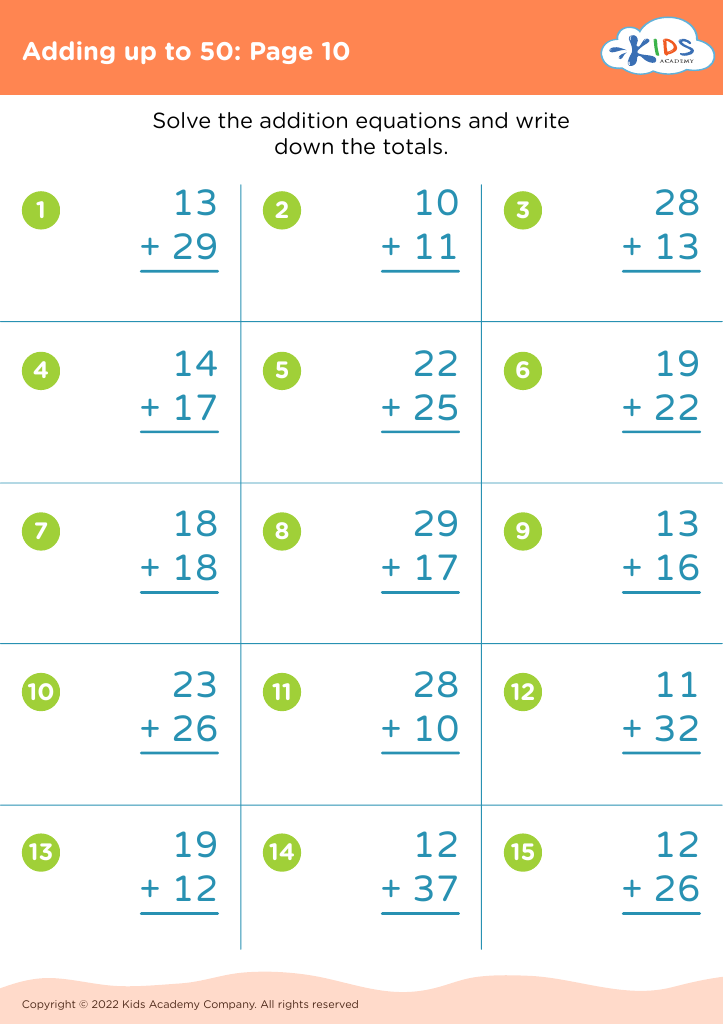
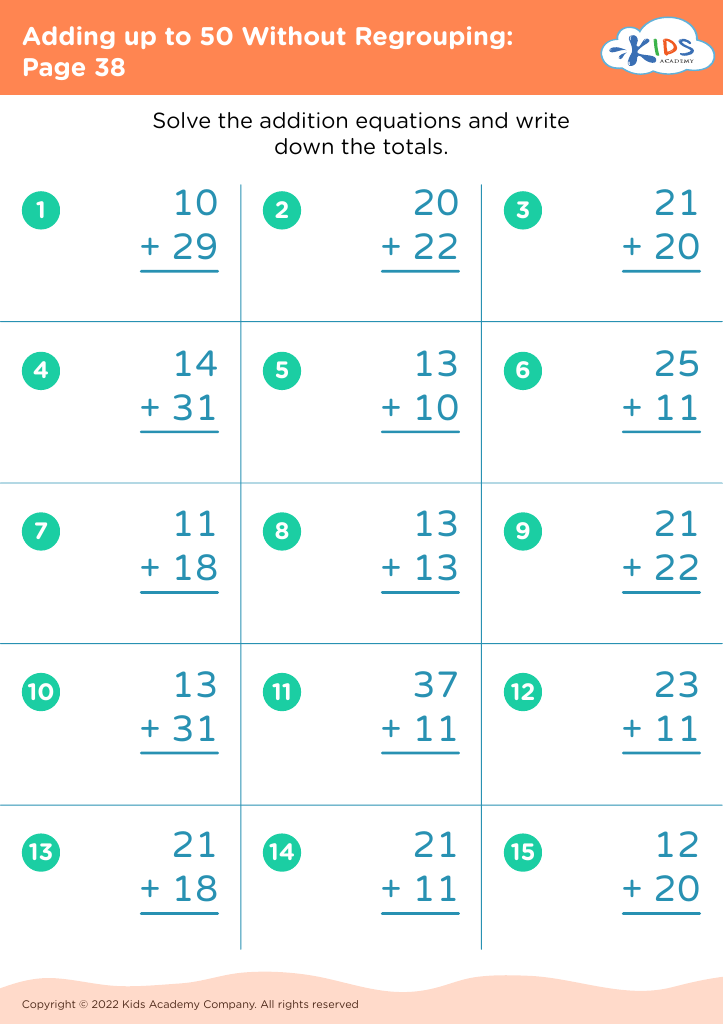




Improving reading skills in children aged 3-8 is crucial for their overall development and academic success. Early literacy is foundational; children who develop strong reading abilities during these formative years are more likely to excel in school and have a greater love for learning.
Firstly, reading enhances language acquisition and communication skills. Children who engage with books and parents or teachers who read with them tend to have a broader vocabulary, improved comprehension, and better critical thinking skills. These skills serve them well not just in reading but across all subjects.
Furthermore, strong reading skills boost students' confidence and self-esteem. When children can read fluently, they feel more engaged in classroom discussions and activities, leading to a positive learning environment.
In terms of social-emotional development, reading fosters empathy as children encounter diverse characters and scenarios, helping them understand different perspectives.
Lastly, parents and teachers play pivotal roles in creating a stimulating environment that encourages regular reading habits, making learning feel exciting rather than a chore. By prioritizing reading from ages 3-8, they are contributing to a robust foundation for a child's lifelong learning journey, ultimately shaping well-rounded, capable individuals.








