Addition skills Addition & Subtraction Worksheets for Ages 3-8 - Page 3
128 filtered results
-
From - To
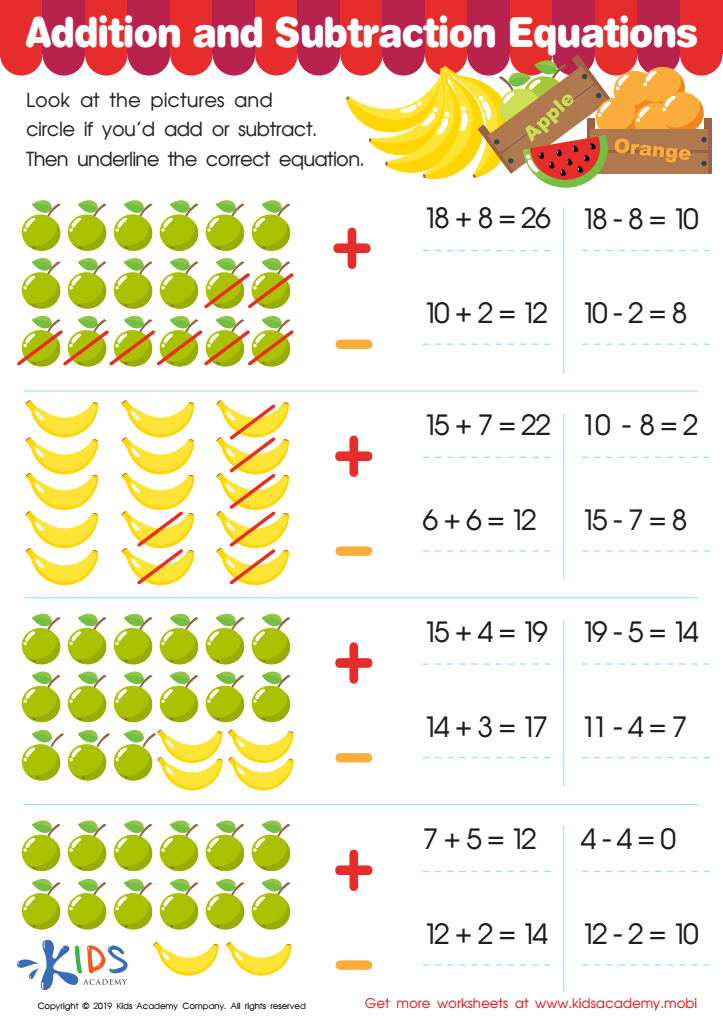
Addition and Subtraction: Equations Worksheet
 Assign to My Students
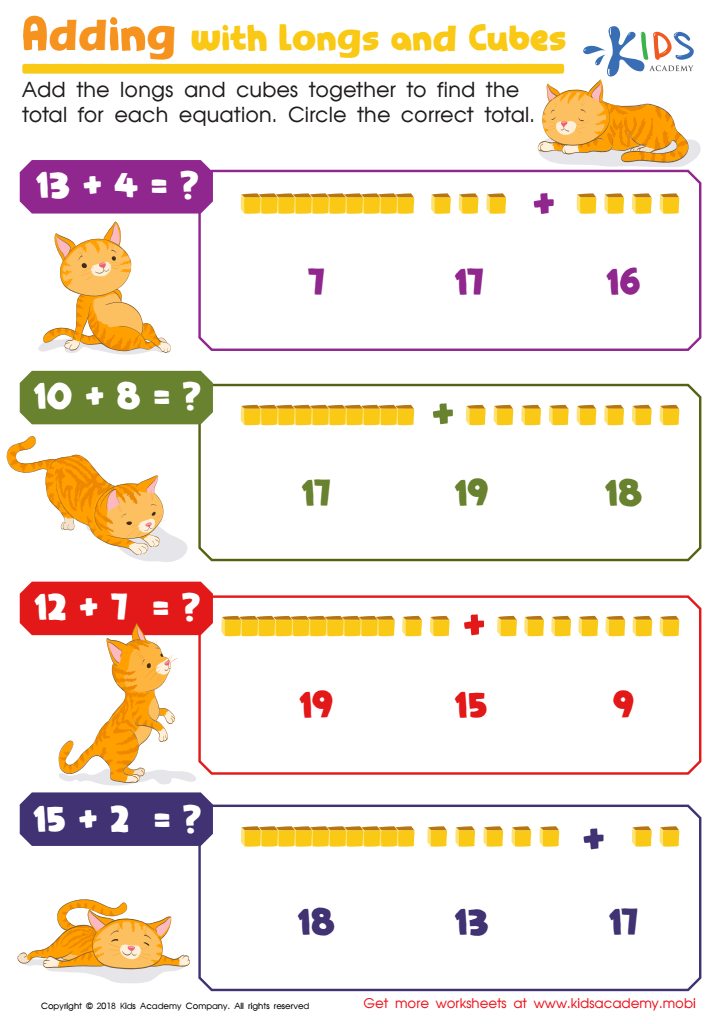
Adding With Longs and Cubes Worksheet
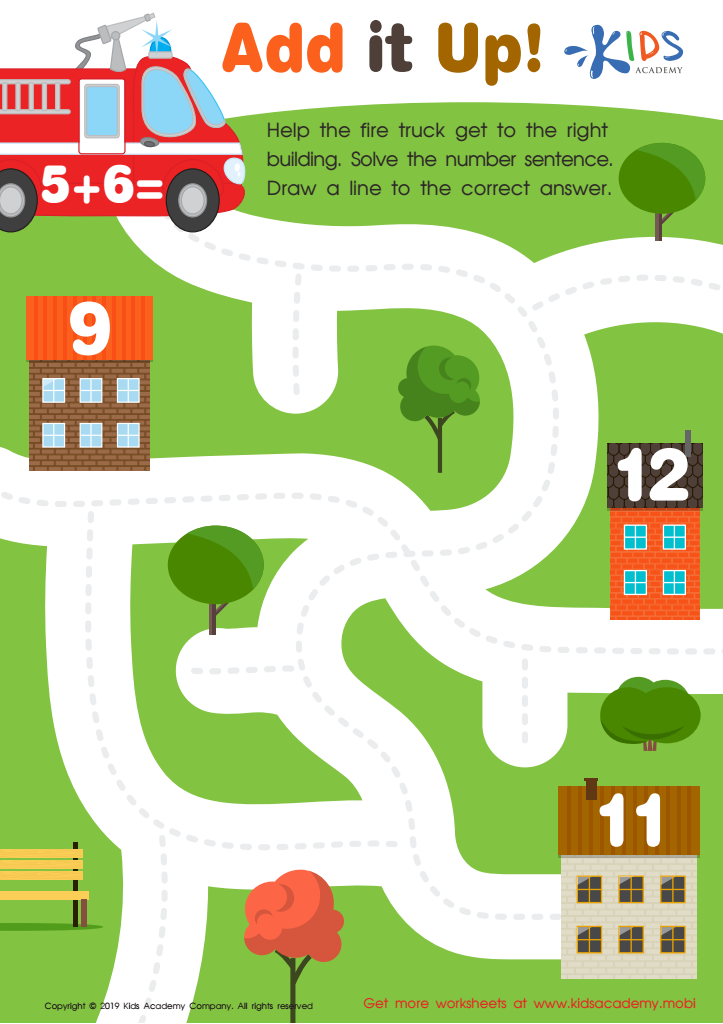
Add it Up Worksheet
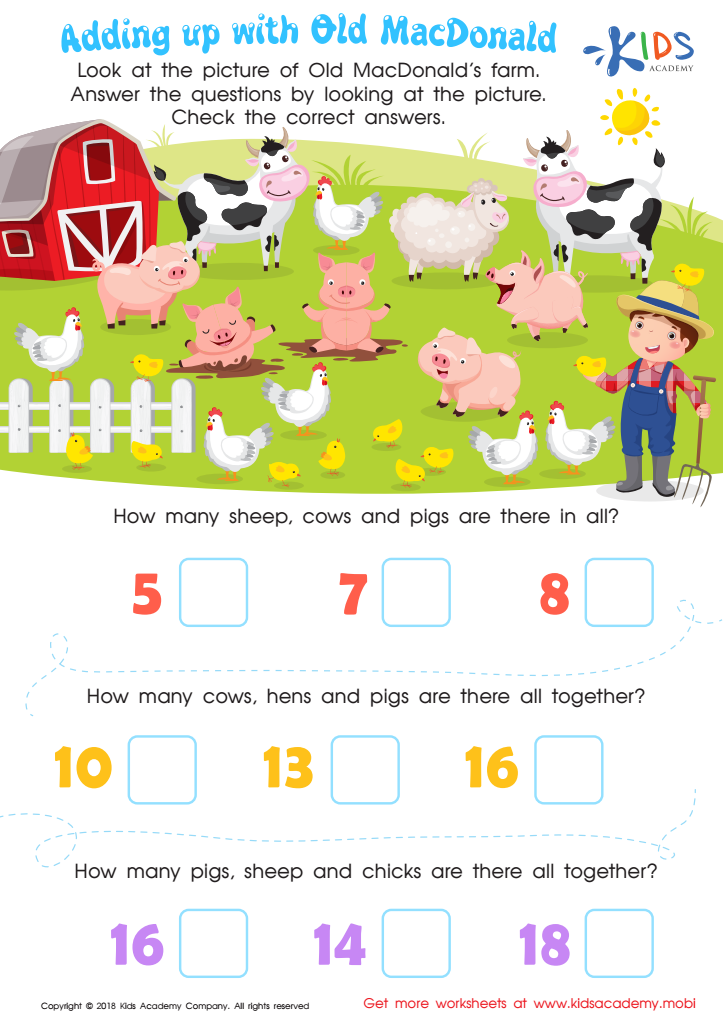
Adding Up with Old MacDonald Worksheet
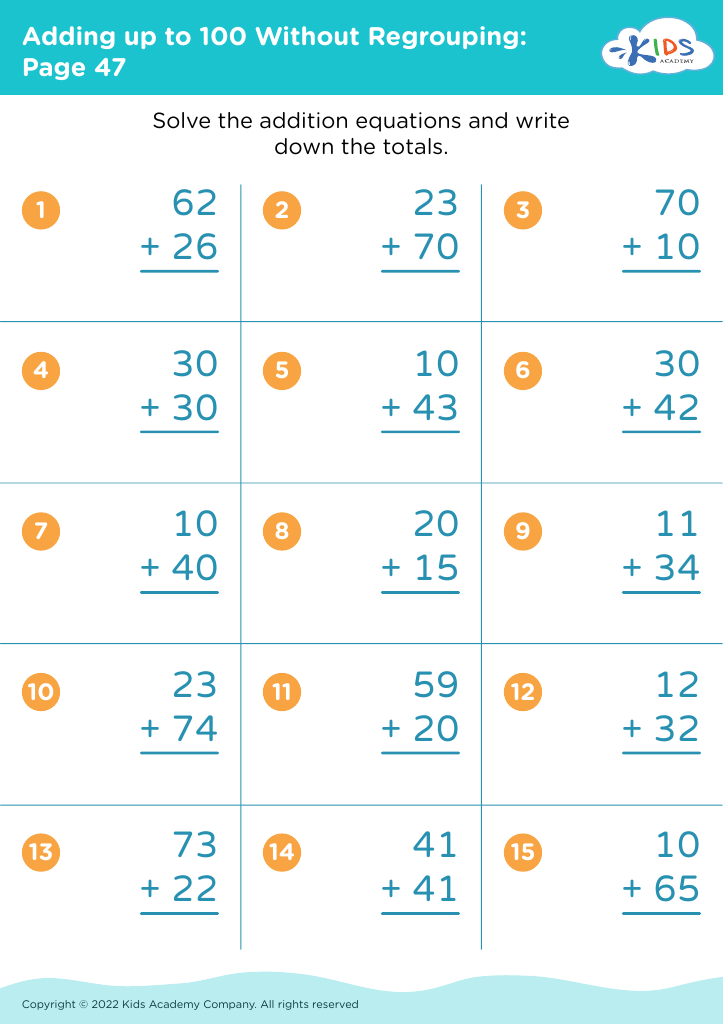
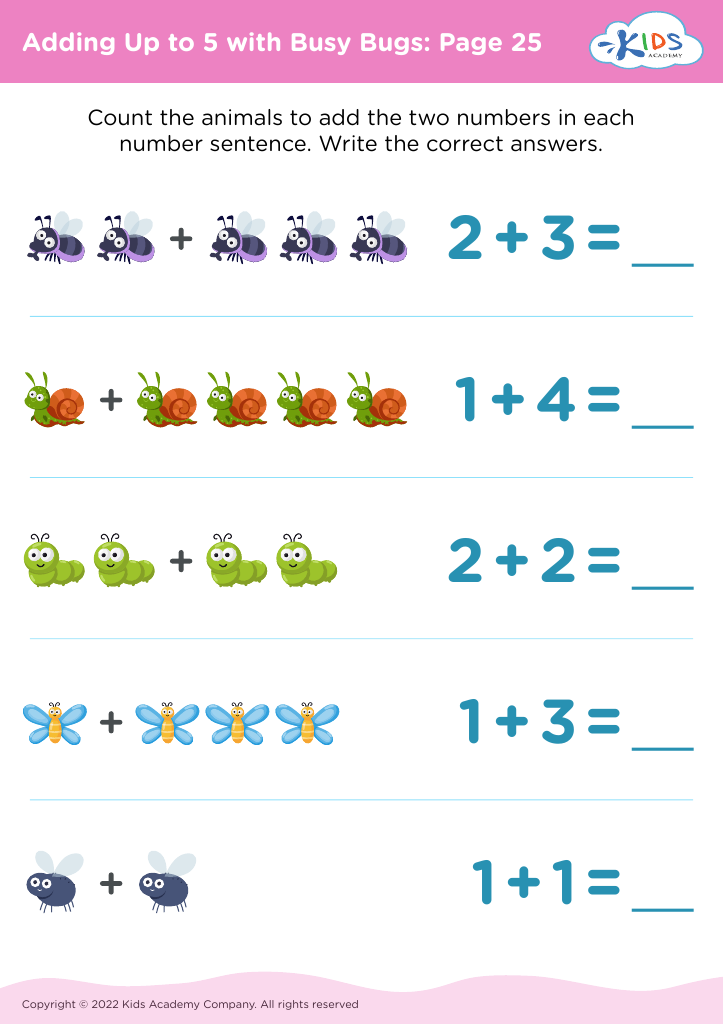
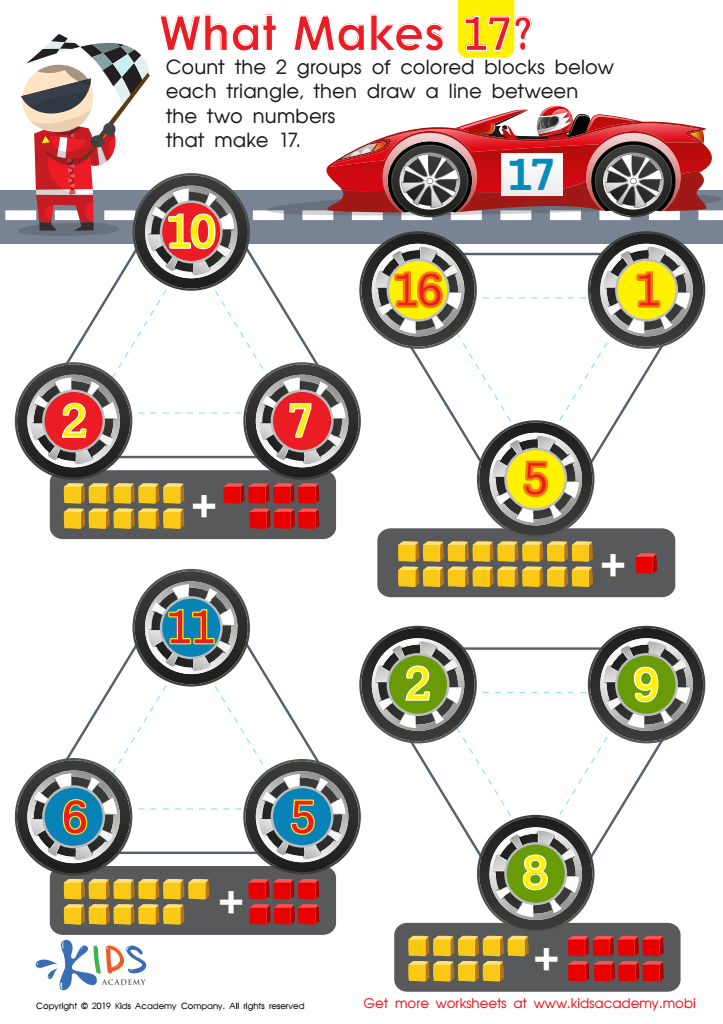
What Makes 17 Worksheet
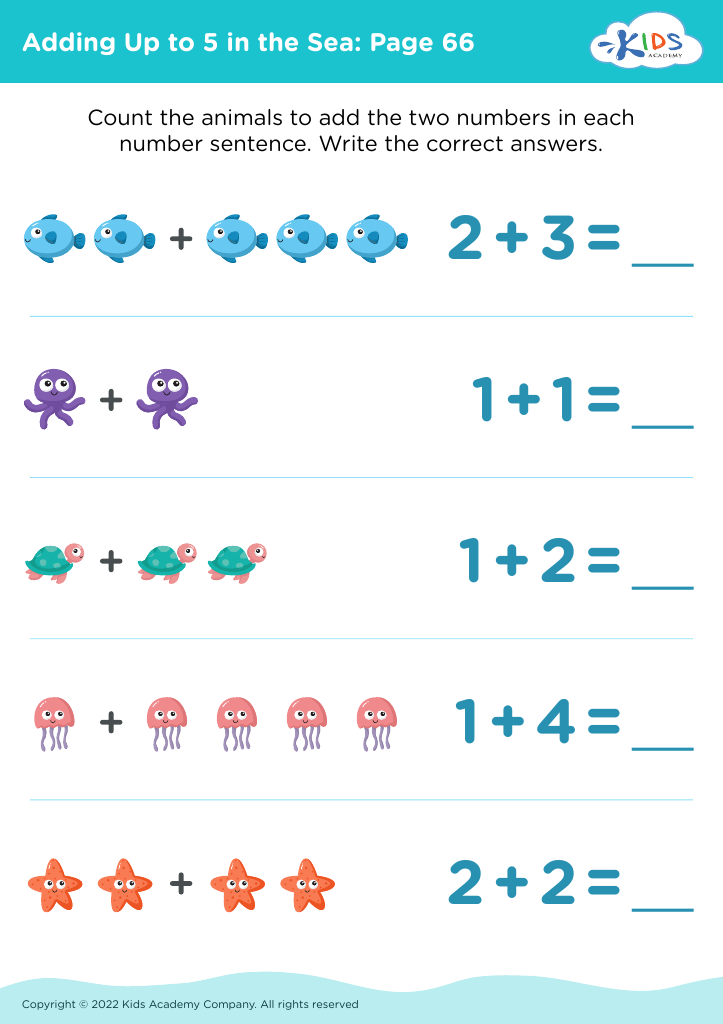
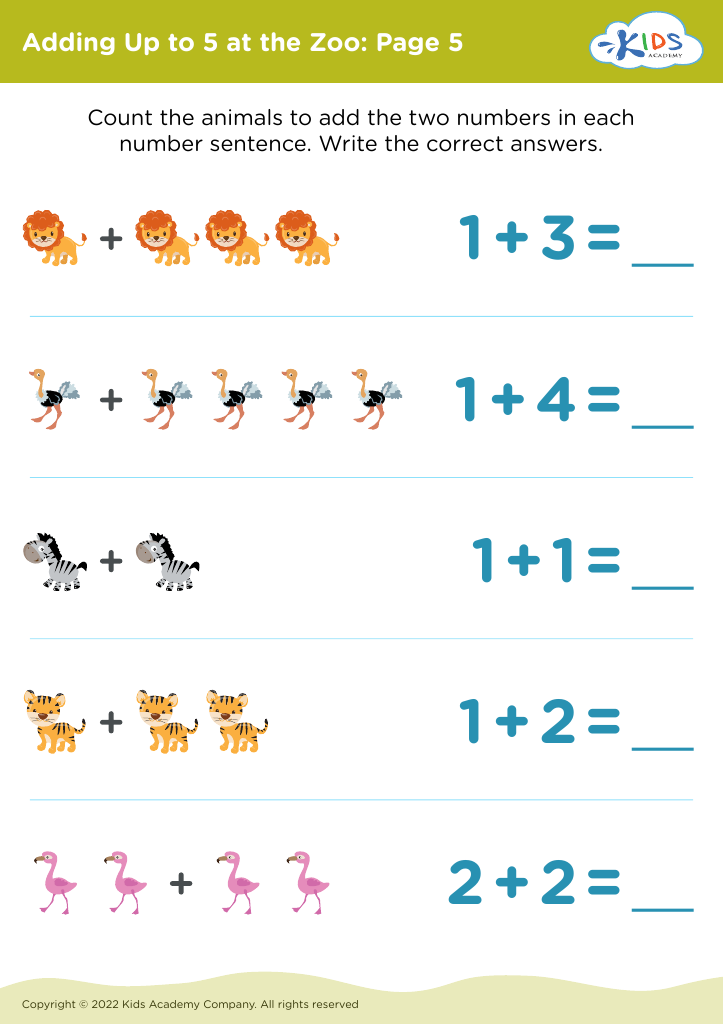
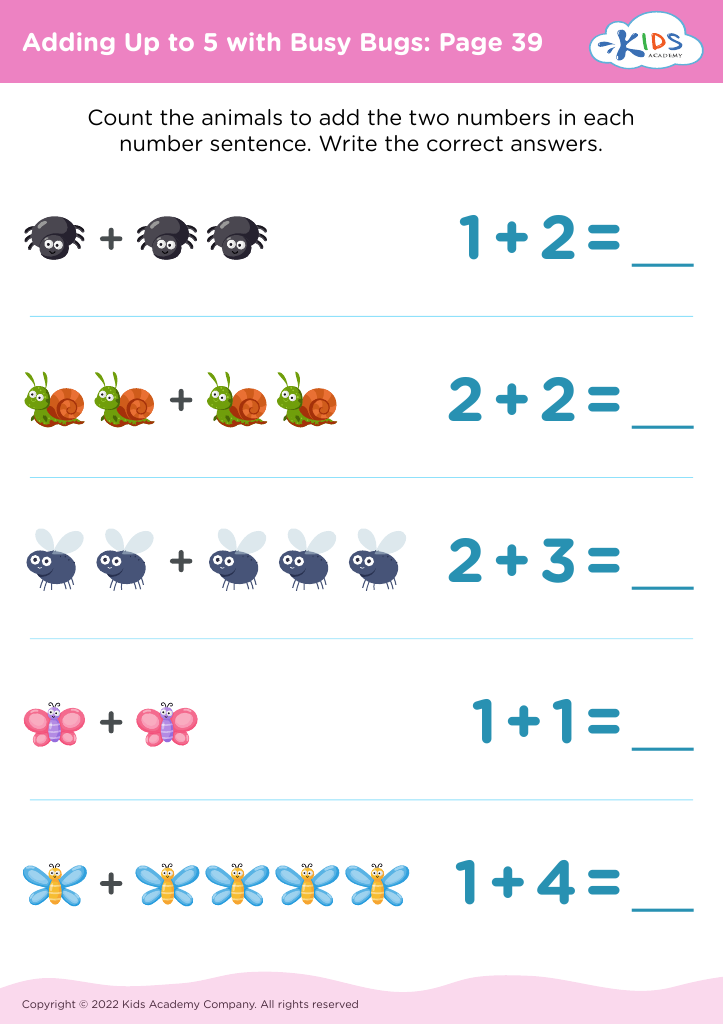
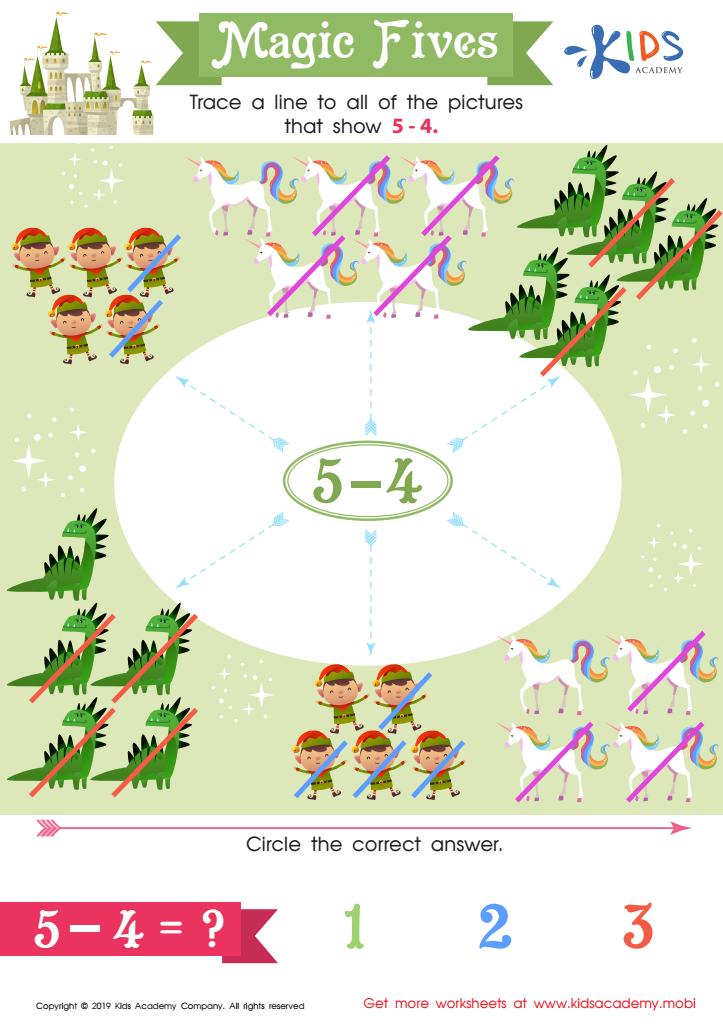
Magic Fives Worksheet
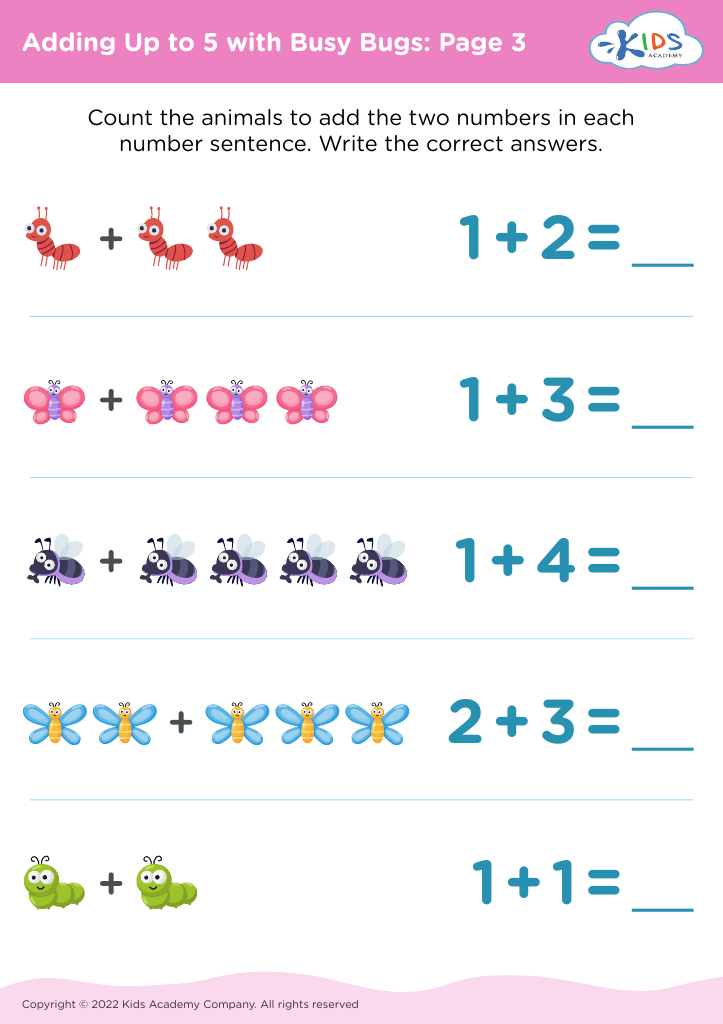
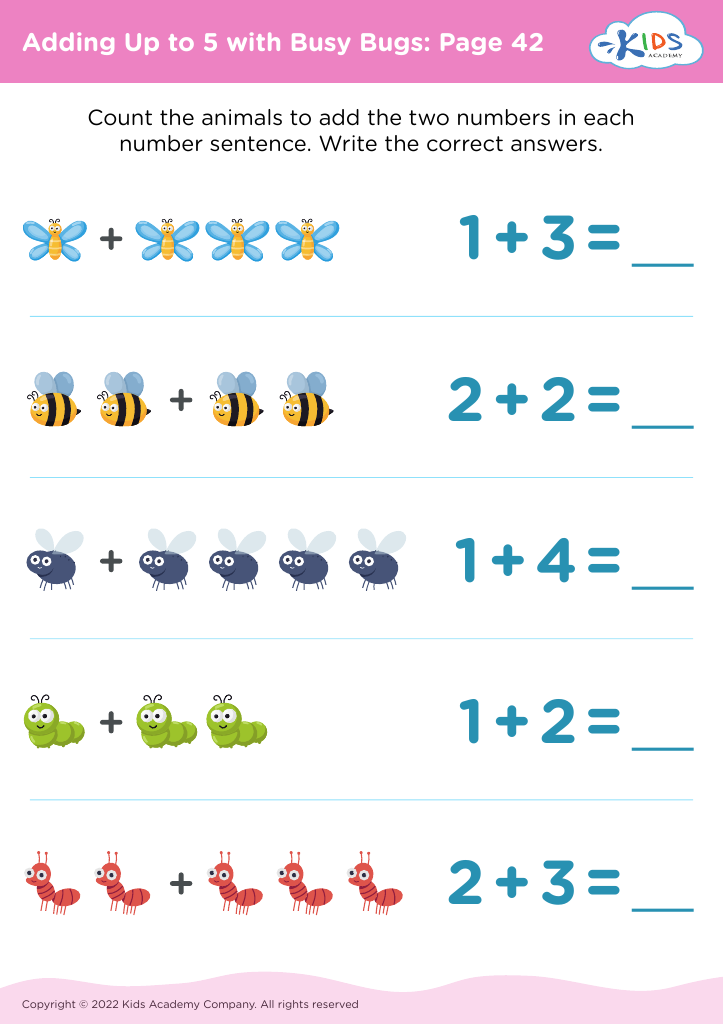
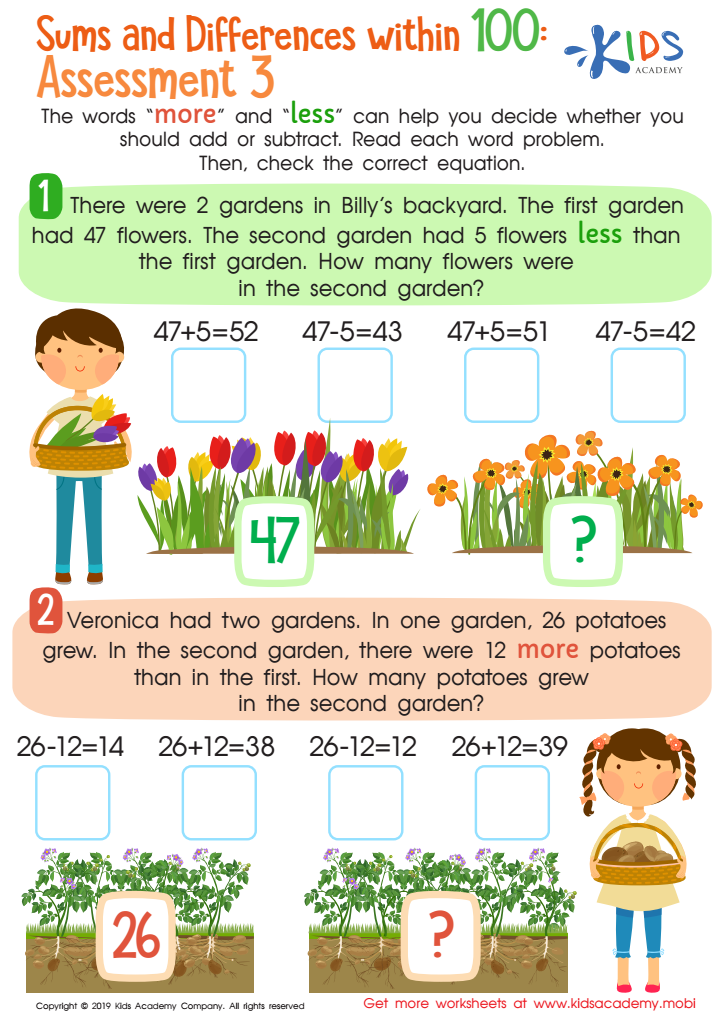
Sums and Differences Within 1 - Assessment 3 Worksheet
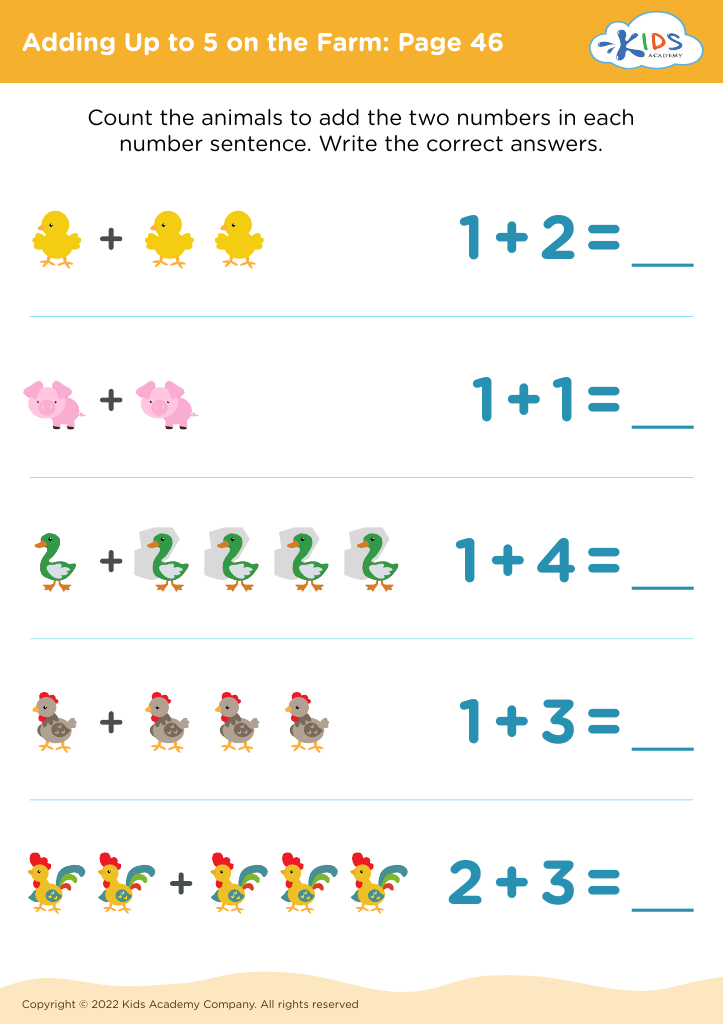
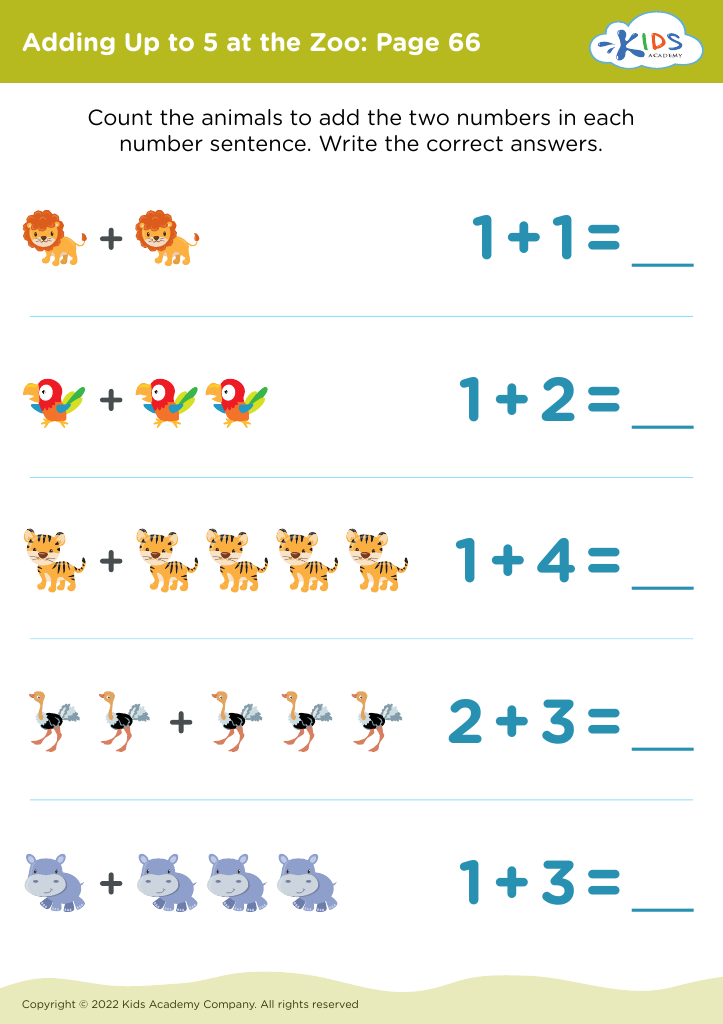
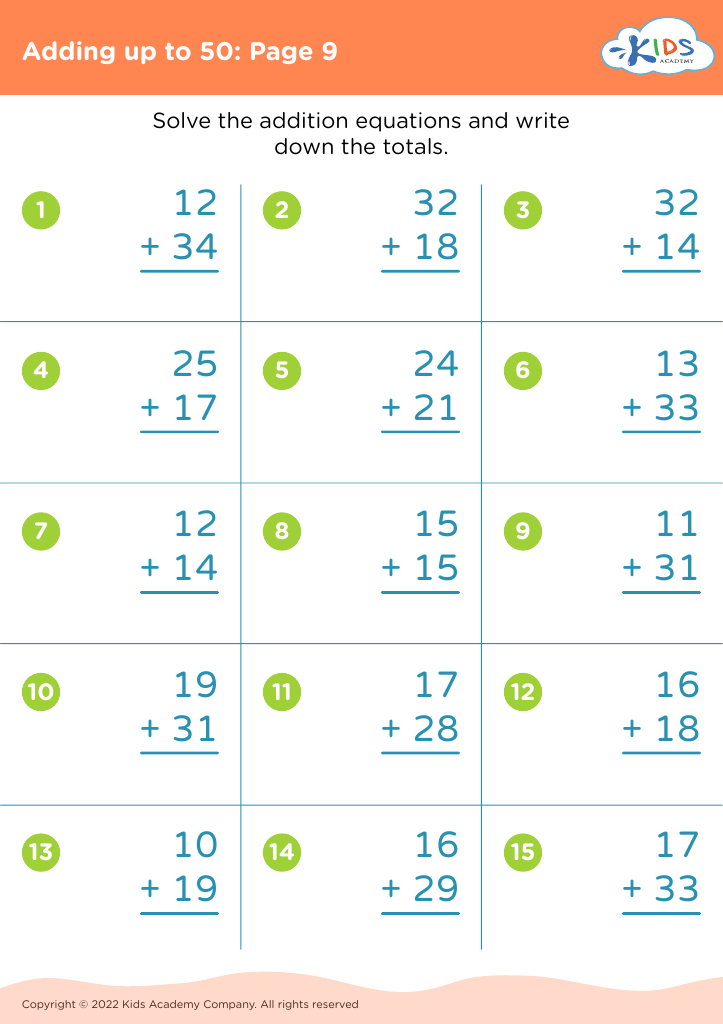
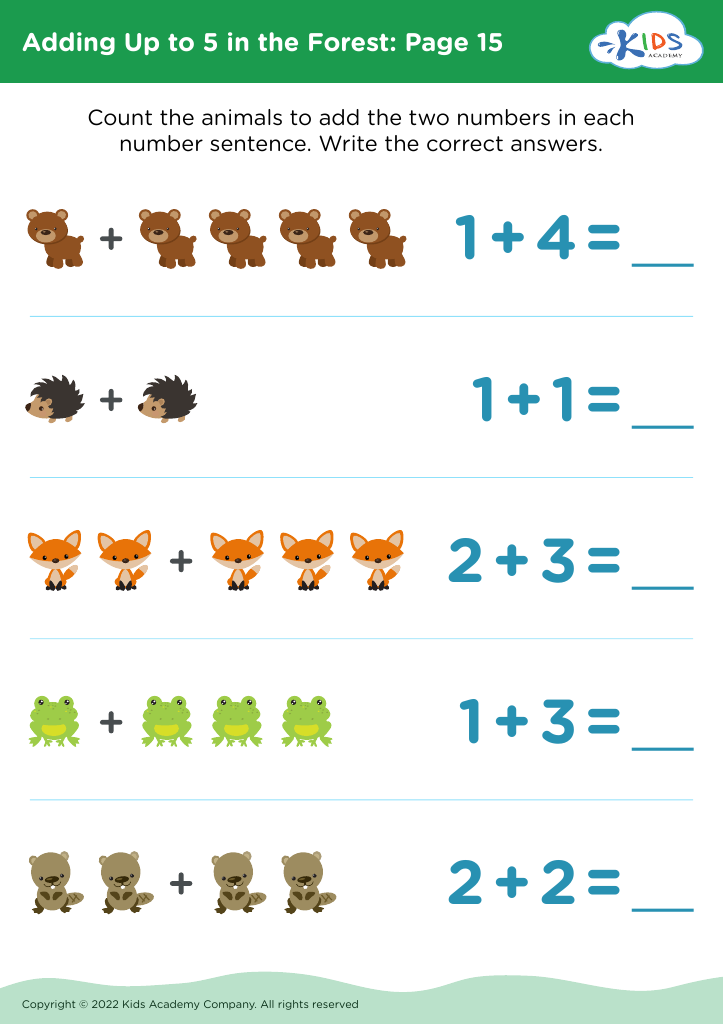
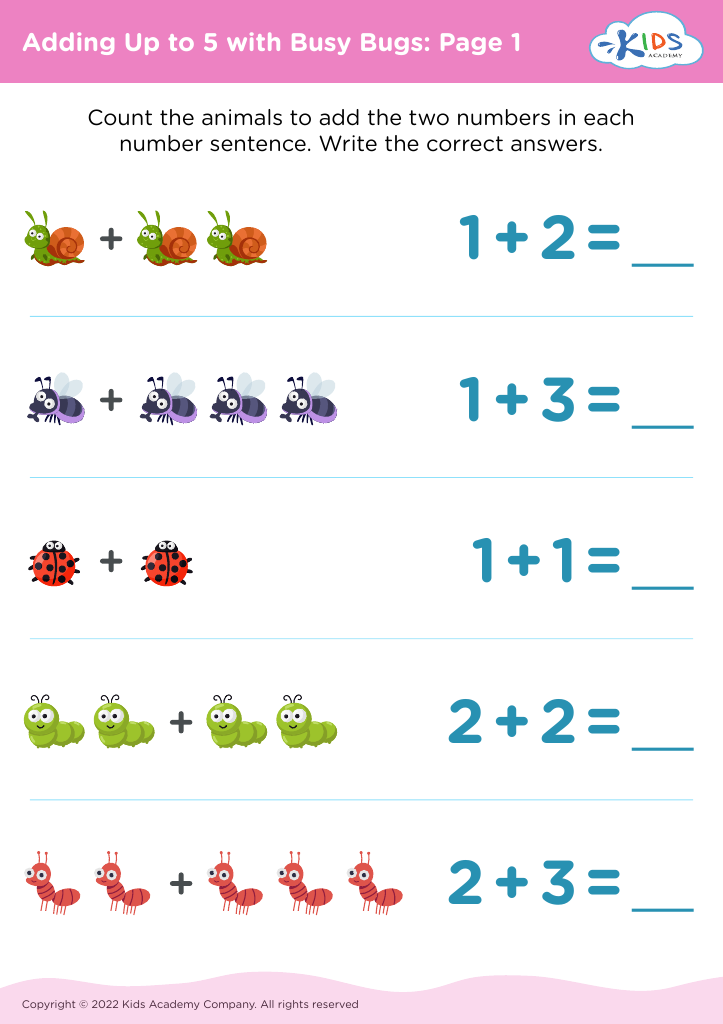








Fostering addition and subtraction skills in children aged 3-8 is fundamental for their cognitive and academic development. These foundational mathematical concepts form the basis for understanding more complex arithmetic and problem-solving in the future.
Firstly, addition and subtraction enhance critical thinking and logical reasoning. By engaging in these activities, children learn to approach problems systematically, break them down into manageable parts, and work towards a solution. This kind of structured thinking is invaluable, not just in math but across all subjects and daily life challenges.
Secondly, early math skills are strongly correlated with later academic success. Numerous studies have shown that children who grasp basic arithmetic concepts early on are better positioned to excel in advanced math and science courses. Early proficiency in math also boosts their confidence, creating a positive feedback loop that encourages ongoing learning and curiosity.
Furthermore, understanding addition and subtraction strengthens a child’s number sense, which is the ability to recognize, relate, and manipulate numbers. This skill is crucial for everyday tasks such as handling money, telling time, and measuring ingredients while cooking.
Parents and teachers, therefore, play an essential role in introducing these concepts in engaging, age-appropriate ways. By integrating math into play and daily activities, adults can help children see the relevance of these skills, making learning both fun and meaningful.








