Developing Concentration Addition & Subtraction Worksheets for Ages 3-8
6 filtered results
-
From - To
Discover our "Developing Concentration Addition & Subtraction Worksheets" designed for children aged 3-8. These engaging, age-appropriate activities enhance both concentration and mathematical skills through colorful visuals and interactive tasks. Each worksheet is carefully crafted to make learning fun and effective, ensuring young learners remain focused and excited. Ideal for homeschooling and classroom settings, our resources cater to different learning styles while promoting a deeper understanding of addition and subtraction. Empower your child with tools that build a solid math foundation and boost their attention span. Start today and watch your child’s confidence and abilities soar!
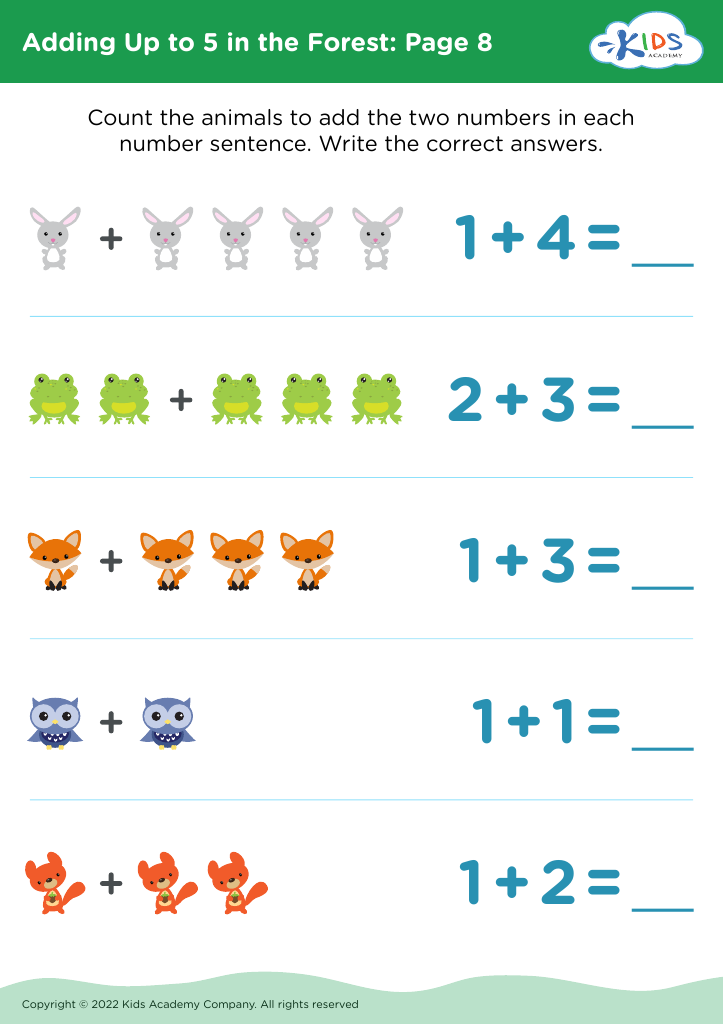
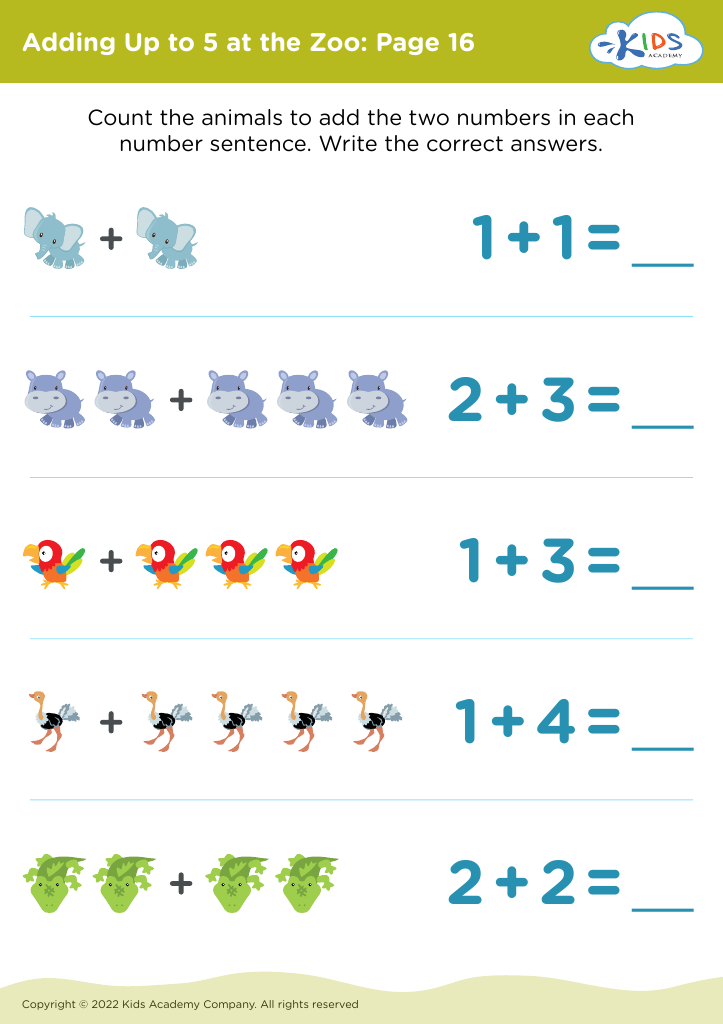
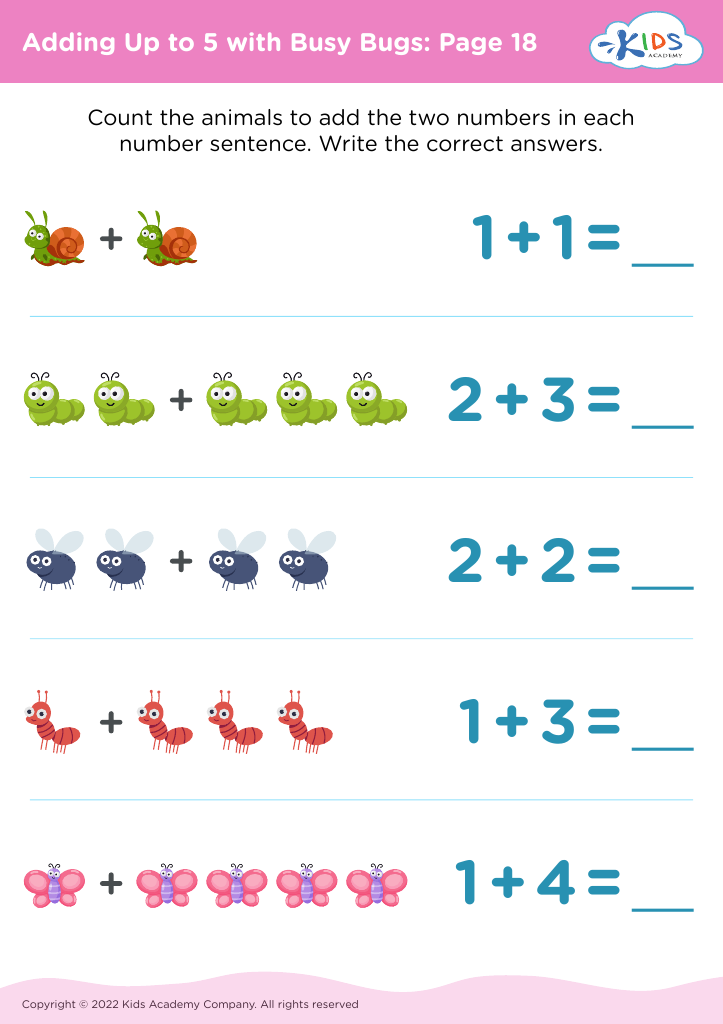
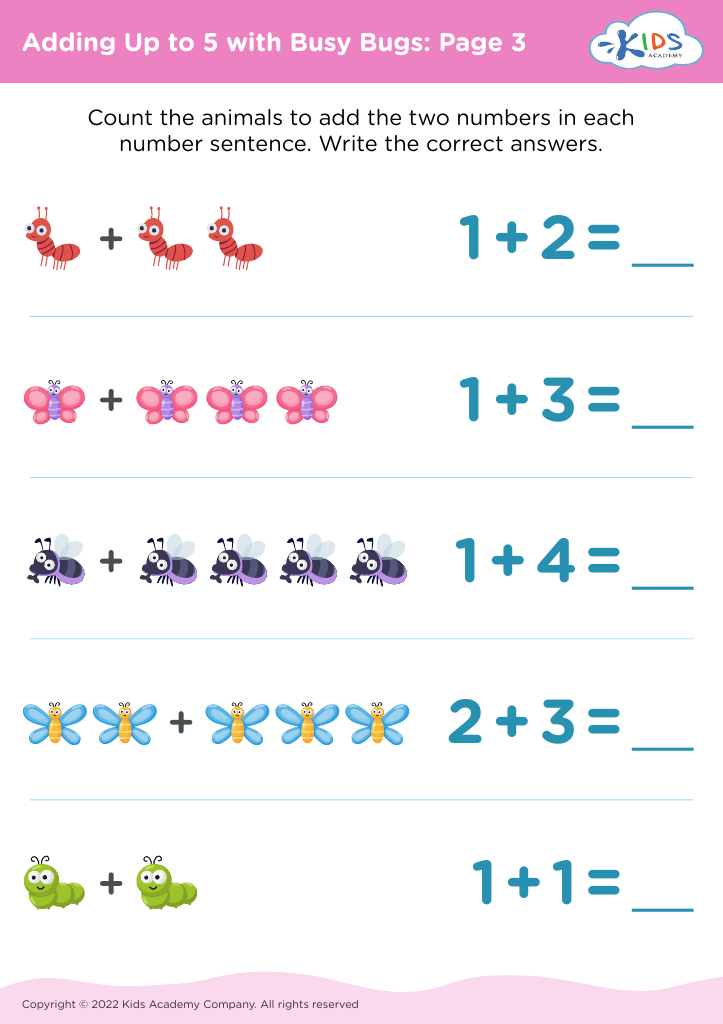
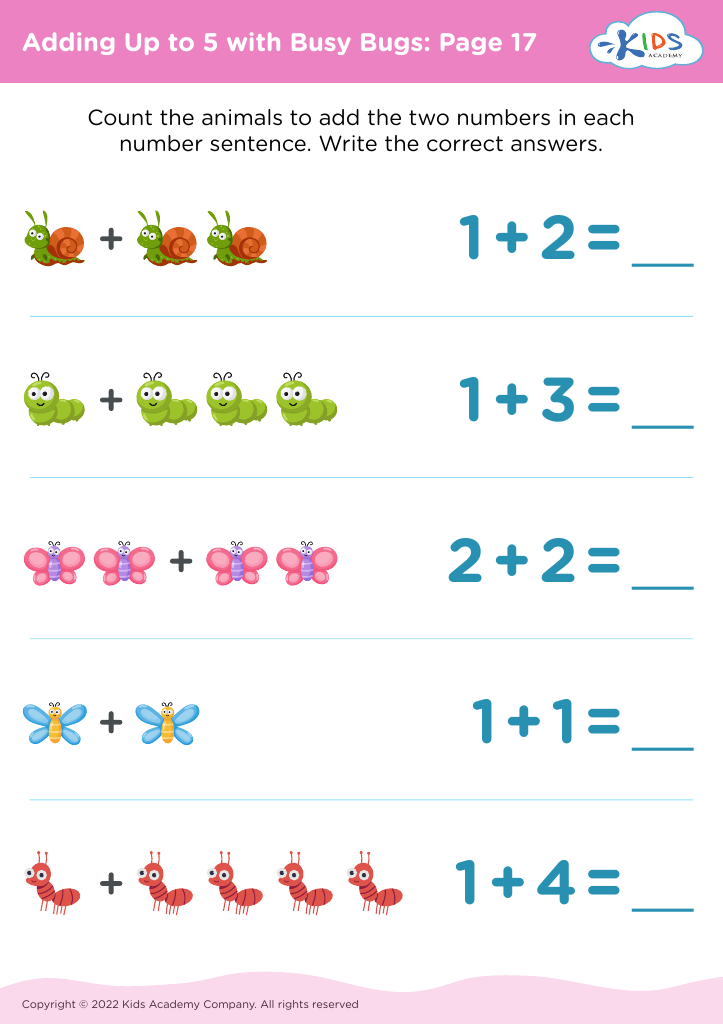
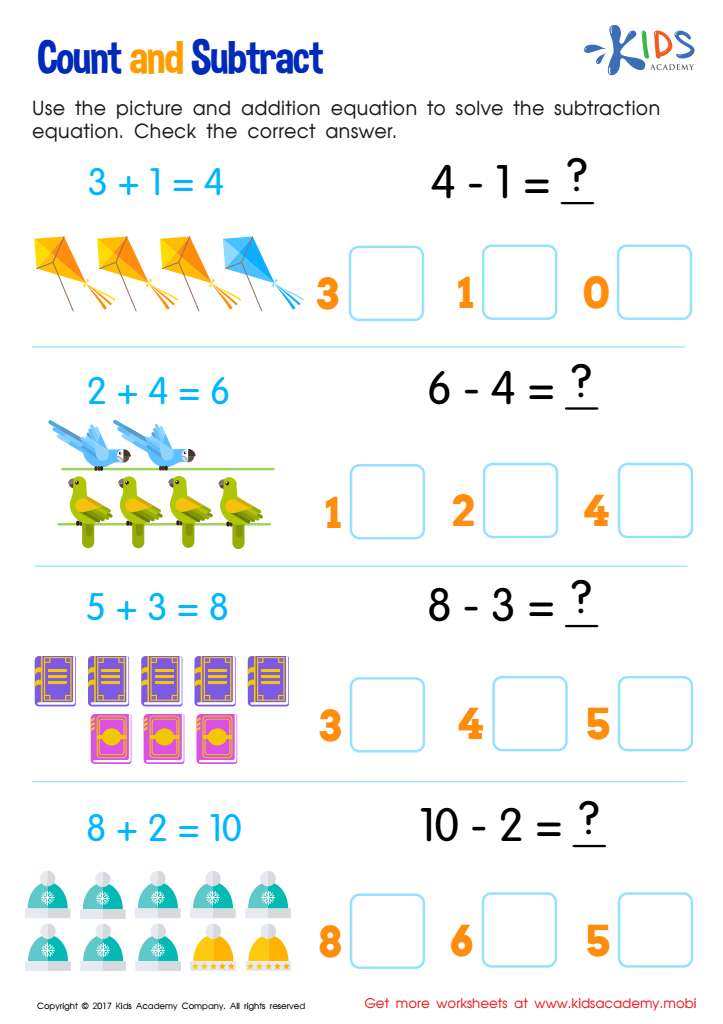
Count and Subtract Worksheet
 Assign to My Students








Developing concentration in addition and subtraction for children aged 3-8 is crucial for several reasons: 1. Foundation for Future Learning: Mastering these basic math skills early on builds a strong foundation for more complex mathematical concepts that children will encounter in later years.
-
Cognitive Development: At this age, children's brains are highly receptive and developing rapidly. Focusing on addition and subtraction helps strengthen neural pathways associated with problem-solving, critical thinking, and logical reasoning.
-
Enhanced Focus and Attention: Concentration in any subject nurtures a child’s ability to focus and pay attention, which is a transferable skill vital not just for academics but for everyday tasks and future learning.
-
Confidence Building: Success with these fundamental skills builds confidence. When children understand math problems and find solutions themselves, they feel a sense of accomplishment, motivating them to tackle more challenging tasks.
-
Practical Life Skills: Addition and subtraction are not only academic tasks but also practical life skills. Knowing how to handle numbers is essential for everyday life, from counting money to measuring ingredients in a recipe.
-
Encouraging a Positive Attitude Toward Learning: Early positive experiences with math can lead to a lifelong interest and positive attitude towards the subject, reducing math anxiety and fostering a love for learning.
Overall, prioritizing these skills at an early age sets a strong academic and life-skills foundation, promoting overall development and success.








