Enhance Vocabulary Addition & Subtraction Worksheets for Ages 3-8
4 filtered results
-
From - To
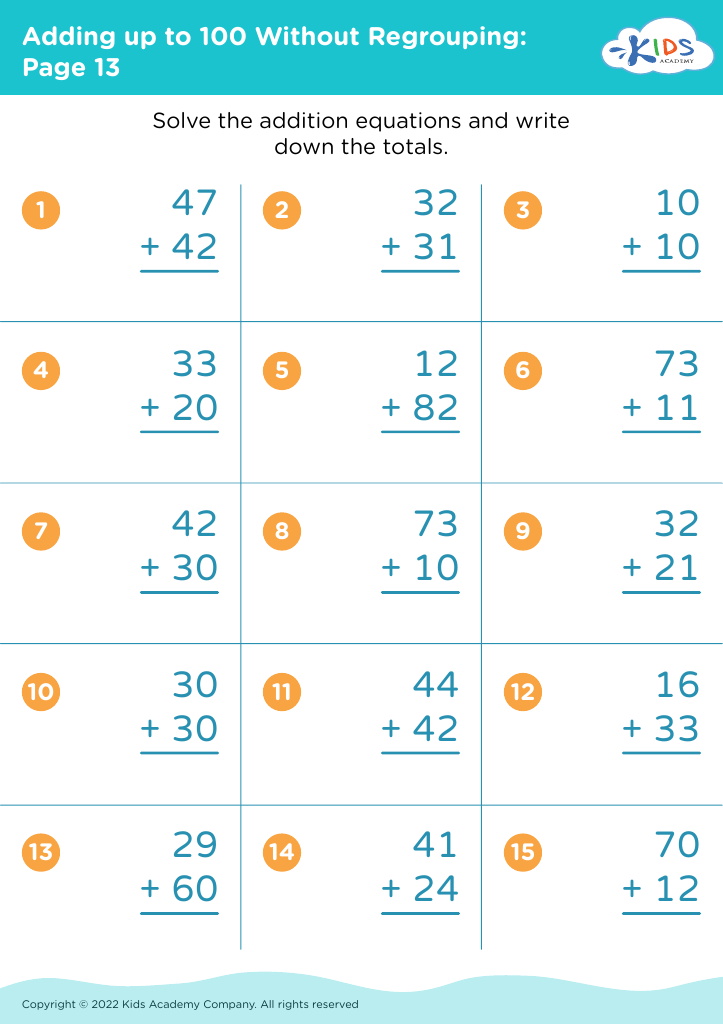
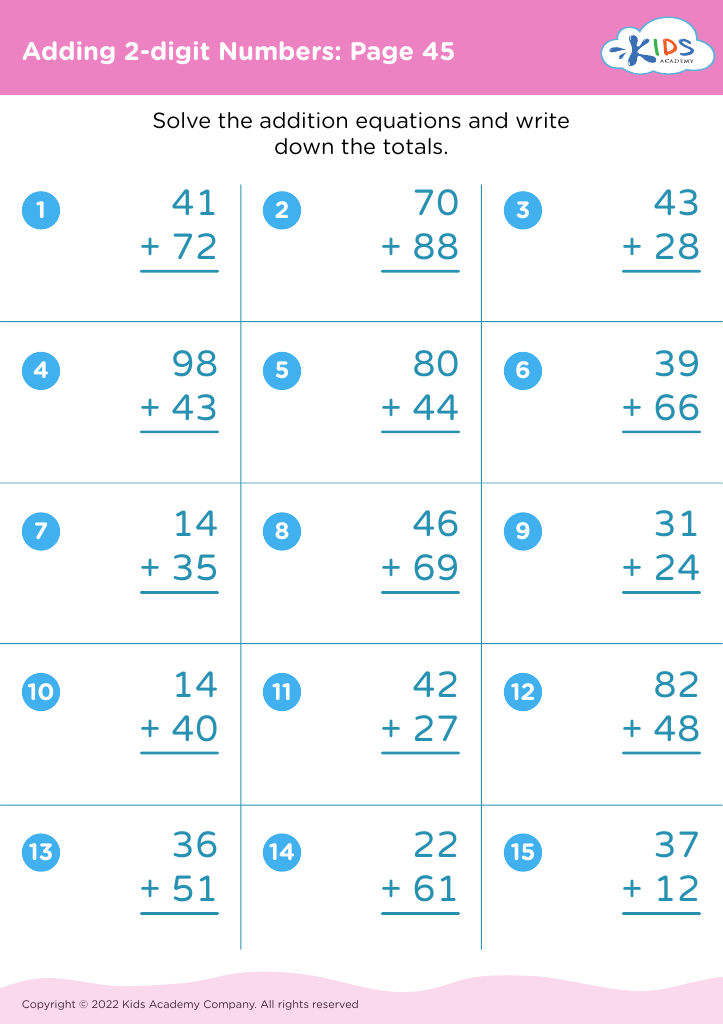
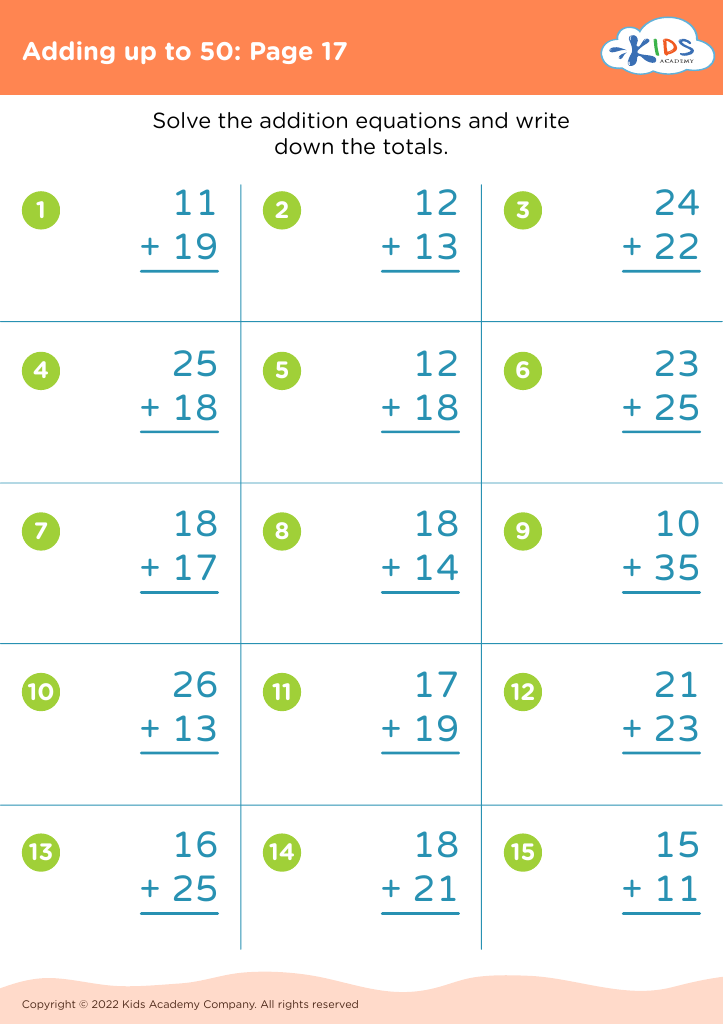
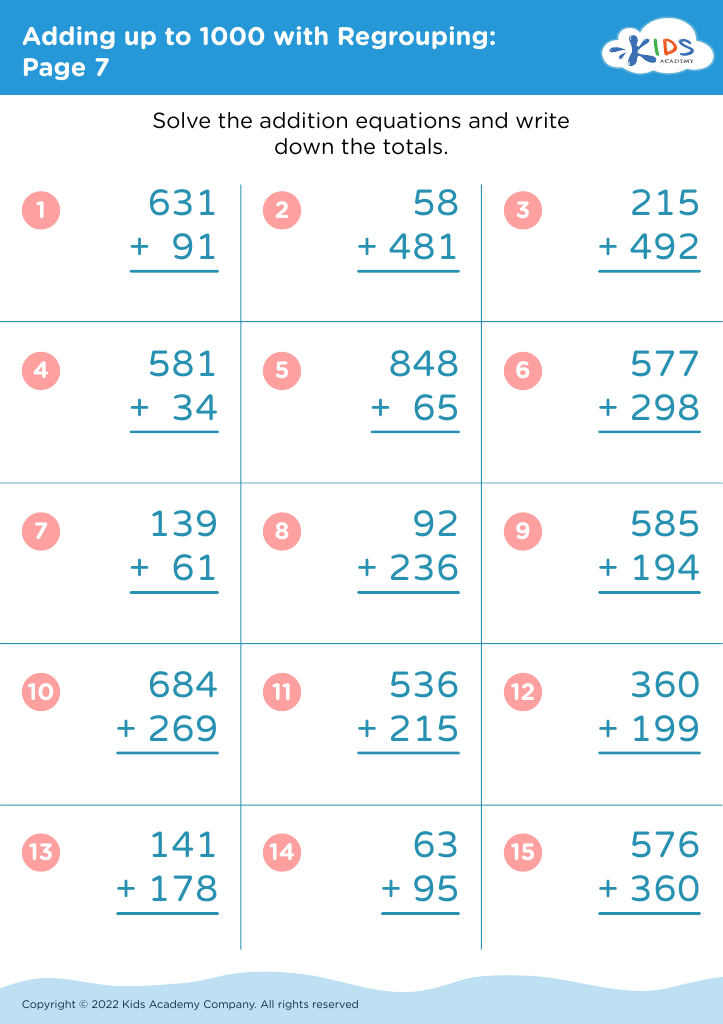
Boost your child’s math and language skills with our Enhance Vocabulary Addition & Subtraction Worksheets tailored for ages 3-8. These engaging worksheets combine essential additions and subtractions with vocabulary enrichment, helping young learners build a robust mathematical foundation while enhancing their word bank. Filled with vibrant illustrations and relatable themes, each activity encourages children to explore mathematical concepts through fun challenges, making learning exciting! Perfect for homeschooling or classroom use, these worksheets promote critical thinking and comprehension. Support your child's educational growth by making math and vocabulary practice enjoyable and effective. Discover the joy of learning today!








Enhancing vocabulary in the context of addition and subtraction for children aged 3-8 is crucial for their cognitive and linguistic development. As children learn mathematical concepts, they simultaneously expand their vocabulary, which is foundational for effective communication and comprehension. Engaging with numbers and operations promotes critical thinking skills while developing language proficiency.
Moreover, understanding mathematical vocabulary—such as "sum," "difference," "more," "less," and "total"—aids children in following instructions, solving problems, and expressing their thoughts clearly. When children can articulate their reasoning and understanding, they gain confidence in both math and communication skills.
Additionally, early exposure to these concepts through playful activities strengthens their cognitive connections, making future learning more intuitive and enjoyable. Parents and teachers play crucial roles in this process by using relatable, age-appropriate language and providing an encouraging environment that fosters curiosity and exploration.
Ensuring children perceive math as enjoyable rather than challenging will lead to lifelong positive attitudes towards the subject, ultimately setting the foundation for academic success. Therefore, prioritizing vocabulary enhancement in early math education is beneficial for constructing a holistic learning experience that supports children's overall growth.








