Enhancing problem-solving skills Addition & Subtraction Worksheets for Ages 3-8
9 filtered results
-
From - To
Unlock your child's potential with our "Enhancing Problem-Solving Skills: Addition & Subtraction Worksheets," designed for ages 3-8. These engaging, kid-friendly activities provide a solid foundation in basic math concepts while promoting critical thinking and problem-solving abilities. Through colorful illustrations and fun scenarios, young learners will tackle addition and subtraction challenges that capture their curiosity and encourage creativity. Perfect for parents, educators, or homeschooling, our worksheets are tailored to facilitate a love for math—from simple sums to more complex puzzles. Discover a variety of exercises that nurture mental agility and foster confidence in young mathematicians while making learning an enjoyable adventure!
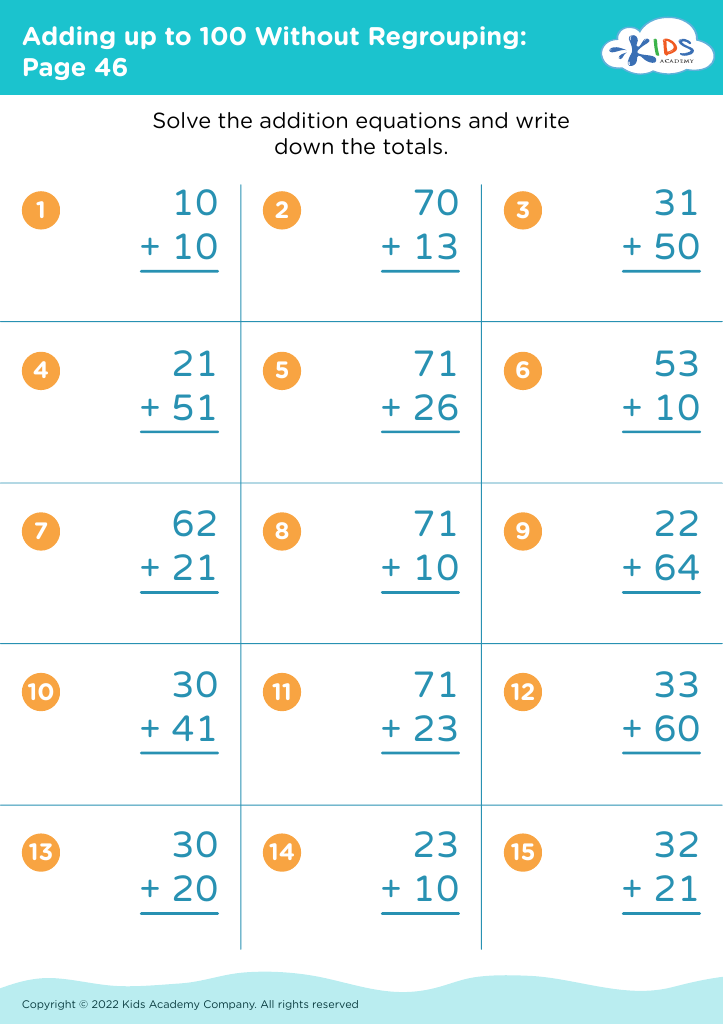
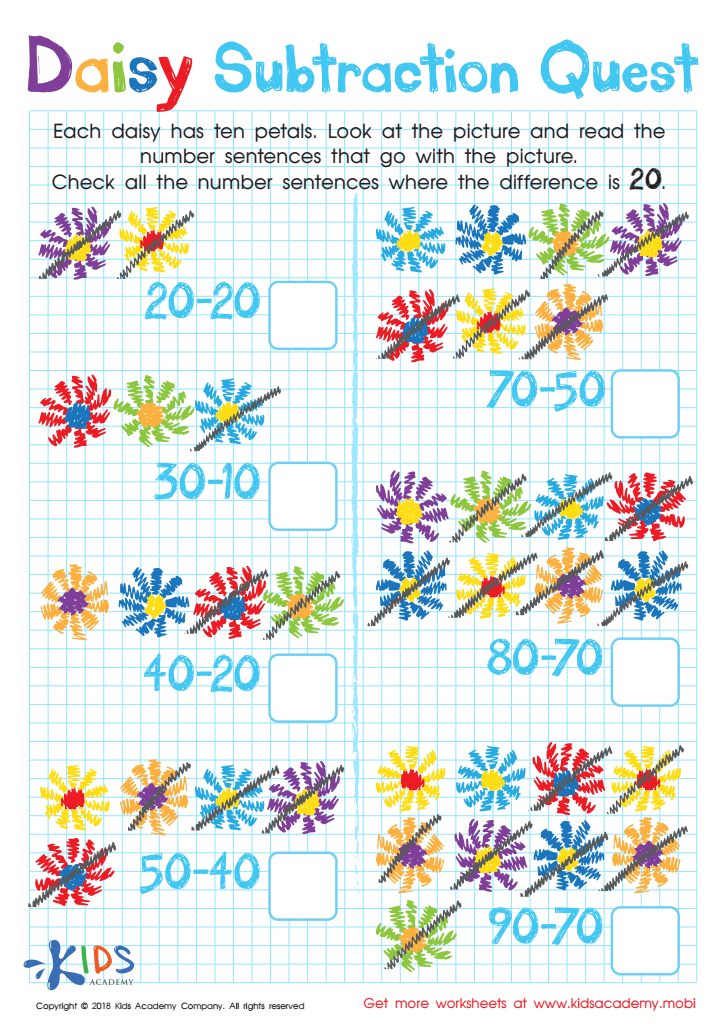
Daisy Subtraction Quest Worksheet
 Assign to My Students
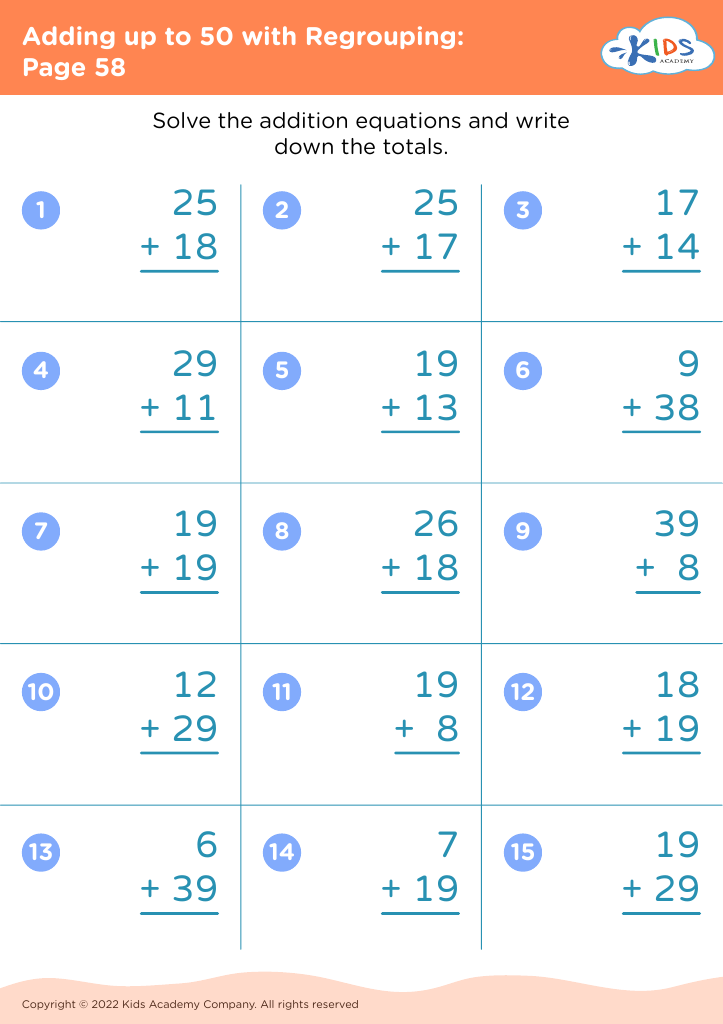
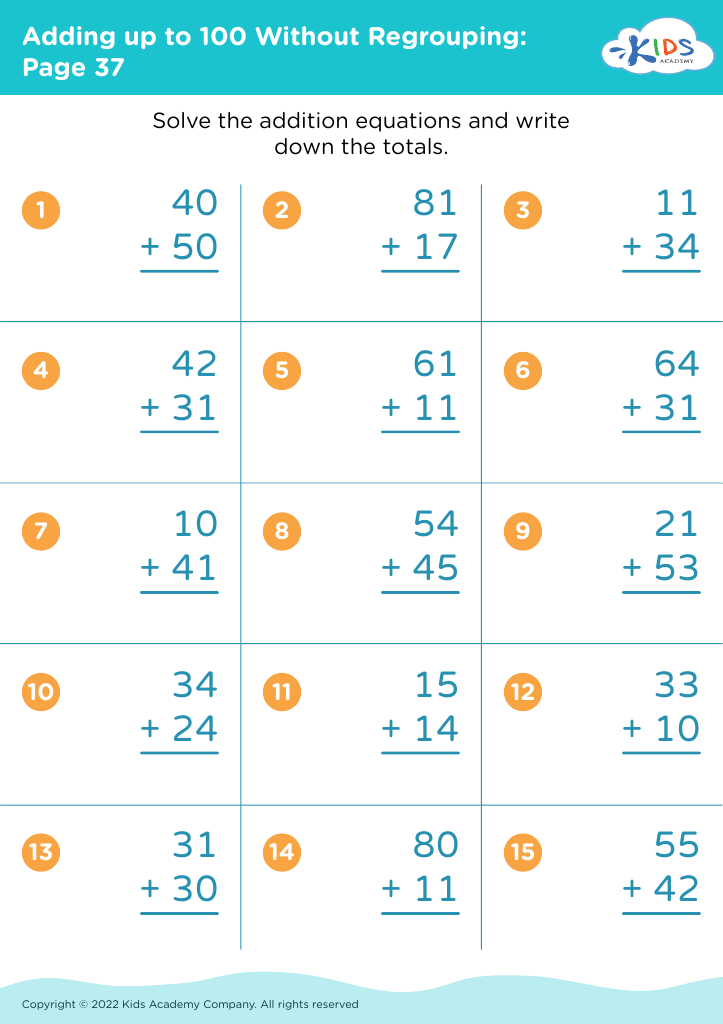
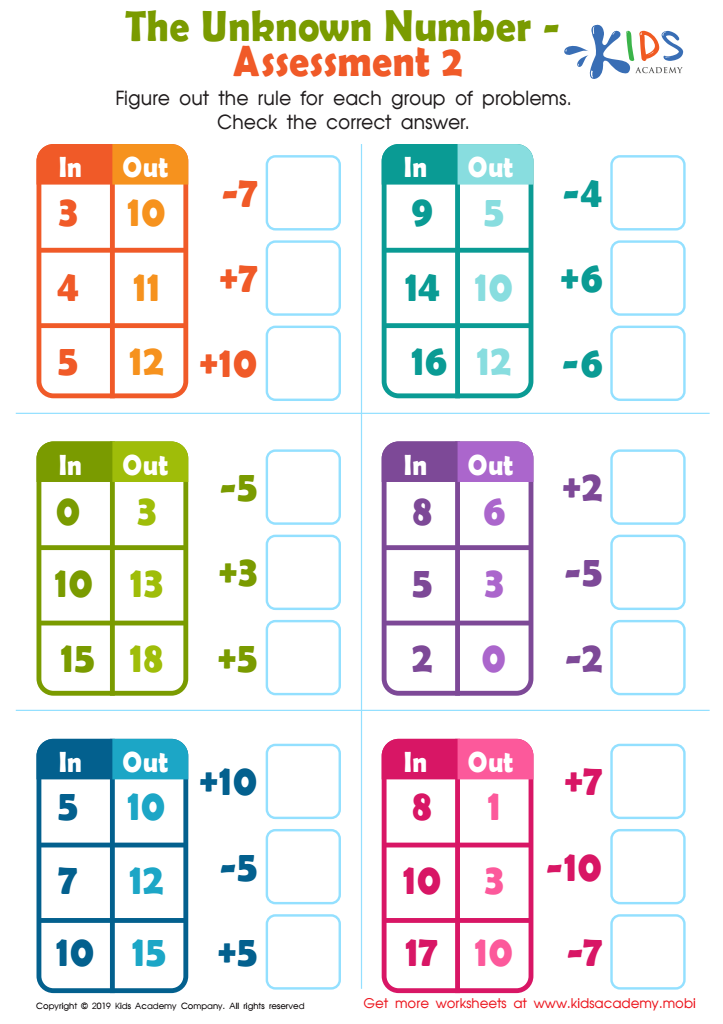
The Unknown Number - Assessment 2 Worksheet
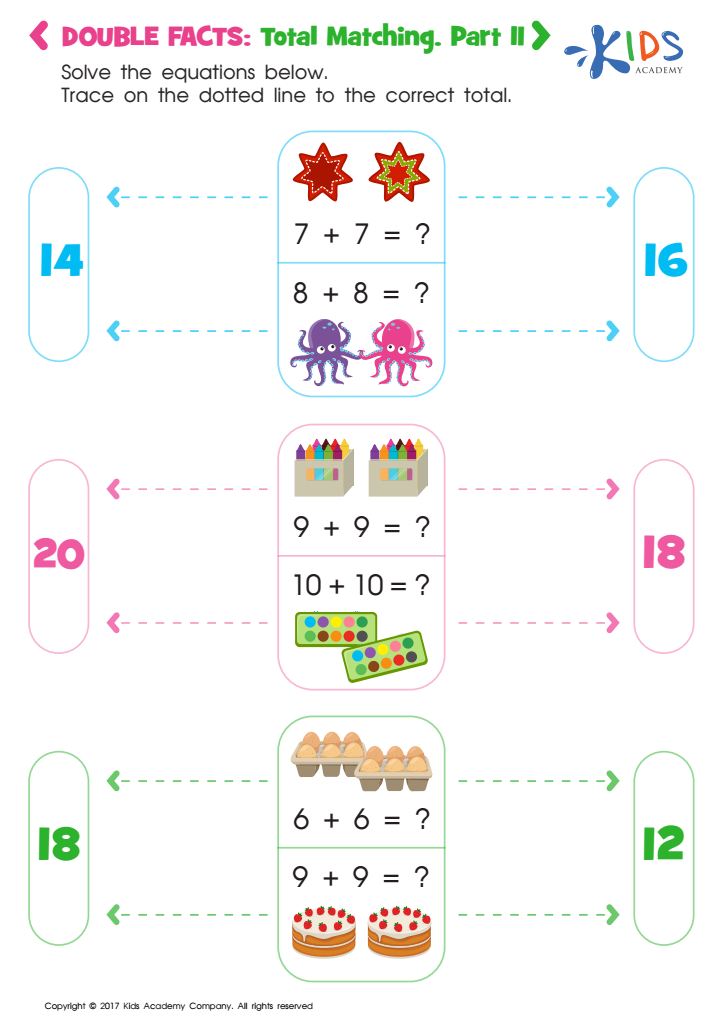
Double Facts: Total Matching 2 Worksheet
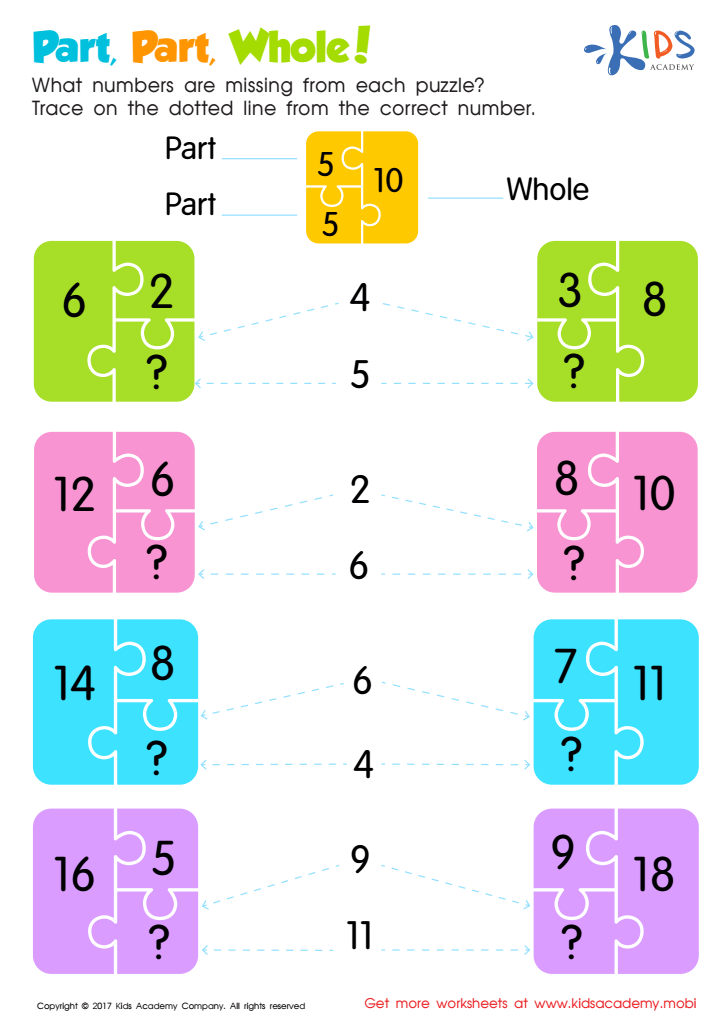
Part, Part, Whole Worksheet
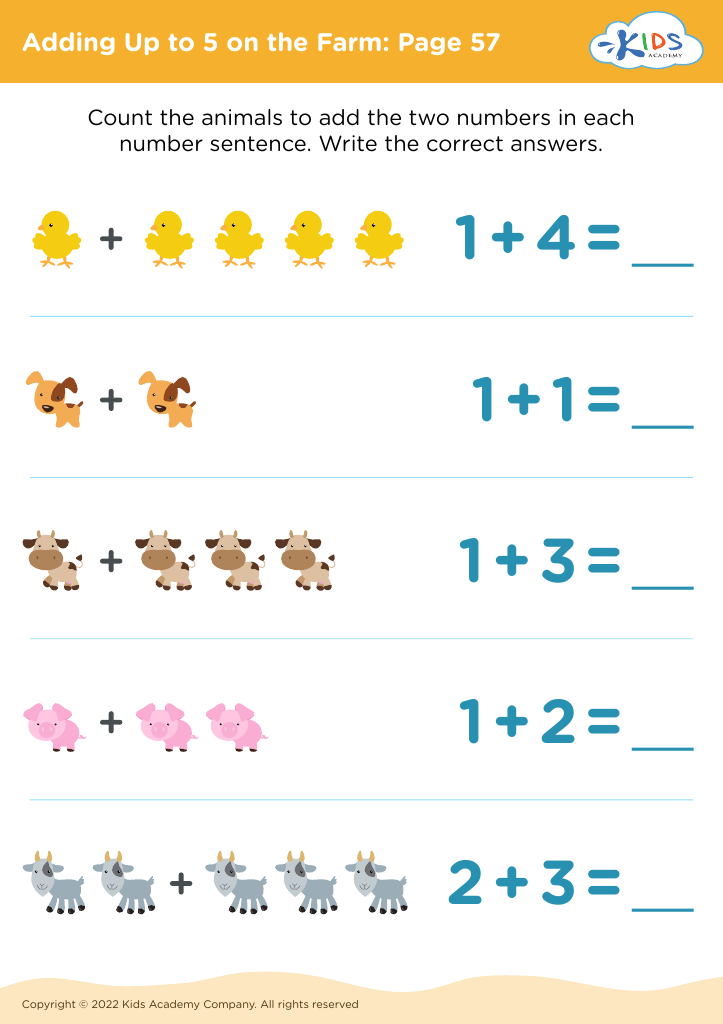








Enhancing problem-solving skills in young children, particularly in addition and subtraction, is crucial for their cognitive development and academic success. Mastering these basic mathematical concepts lays the foundation for more complex mathematical reasoning later on. When children learn to solve problems, they develop critical thinking and analytical abilities that extend beyond math, influencing their abilities in various subjects.
For ages 3-8, this skill enhancement comes primarily through playful learning experiences. Engaging children with hands-on activities and real-world contexts fosters an intuitive understanding of numbers and their relationships. It also boosts their confidence in tackling challenges, an essential mindset for lifelong learning.
Moreover, developing these skills nurtures perseverance as children learn to approach problems systematically and explore different strategies. This is not limited to math; it cultivates a holistic approach to challenges they may face later in life.
Lastly, parents and teachers play a significant role in creating supportive environments. By promoting problem-solving games and interactive activities, adults can inspire curiosity and love for learning, ensuring children are not only proficient in addition and subtraction but also equipped with the skills to navigate an ever-changing world.








