
Fraction Addition Addition & Subtraction Worksheets for Ages 3-8
14 filtered results
Difficulty Level
Grade
Age
-
From - To
Subject
Activity
Standards
Explore our engaging Fraction Addition & Subtraction Worksheets designed for kids ages 3-8! These captivating activities simplify the concepts of fraction addition and subtraction, making learning fun and effective. Our worksheets are crafted to enhance young learners' math skills, build confidence, and foster a love for math at an early age. Each worksheet includes colorful visuals, interactive problems, and step-by-step instructions to ensure comprehensive understanding. Perfect for classroom use or at-home practice, these resources are ideal for educators and parents looking to advance their children's fraction skills through play and exploration. Visit Kids Academy to boost your child's math success!
Favorites
With answer key
Interactive
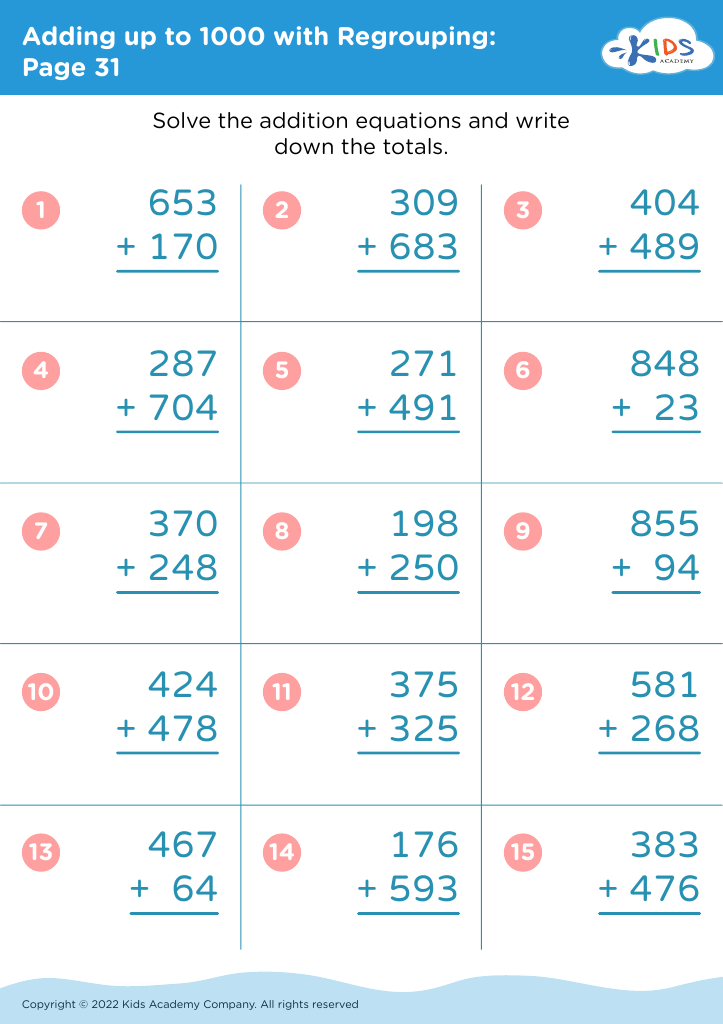
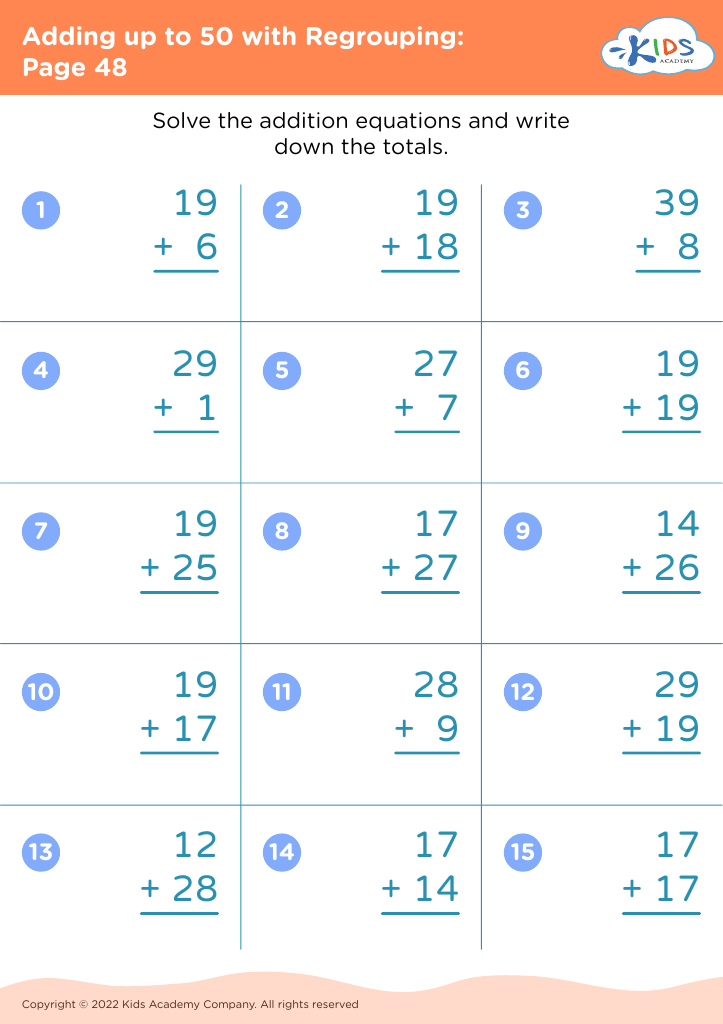
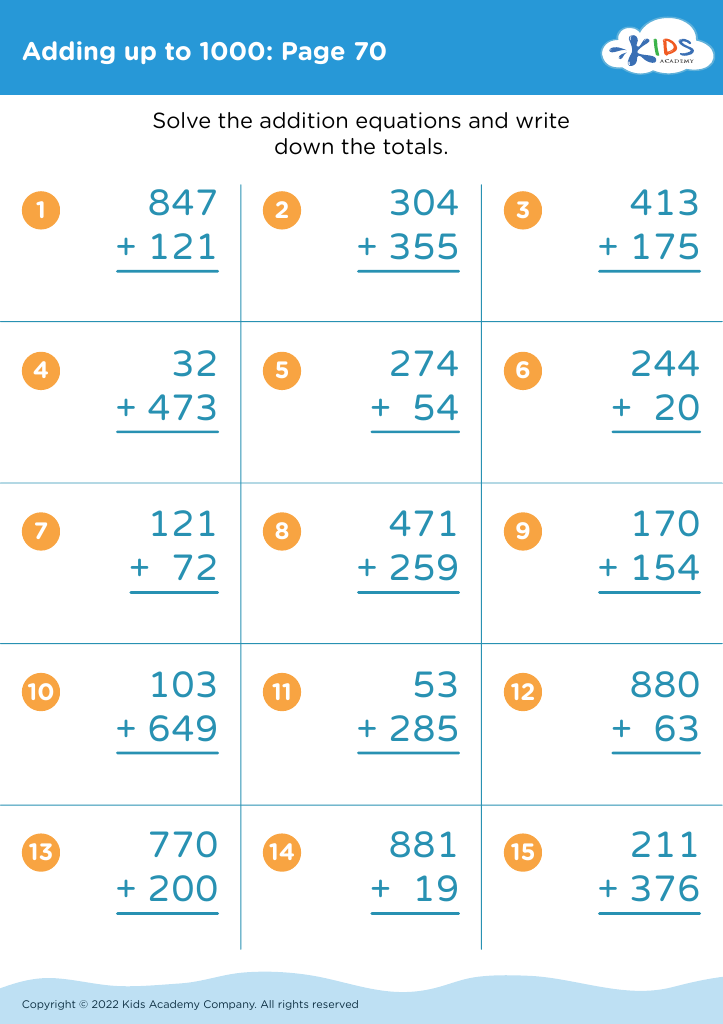
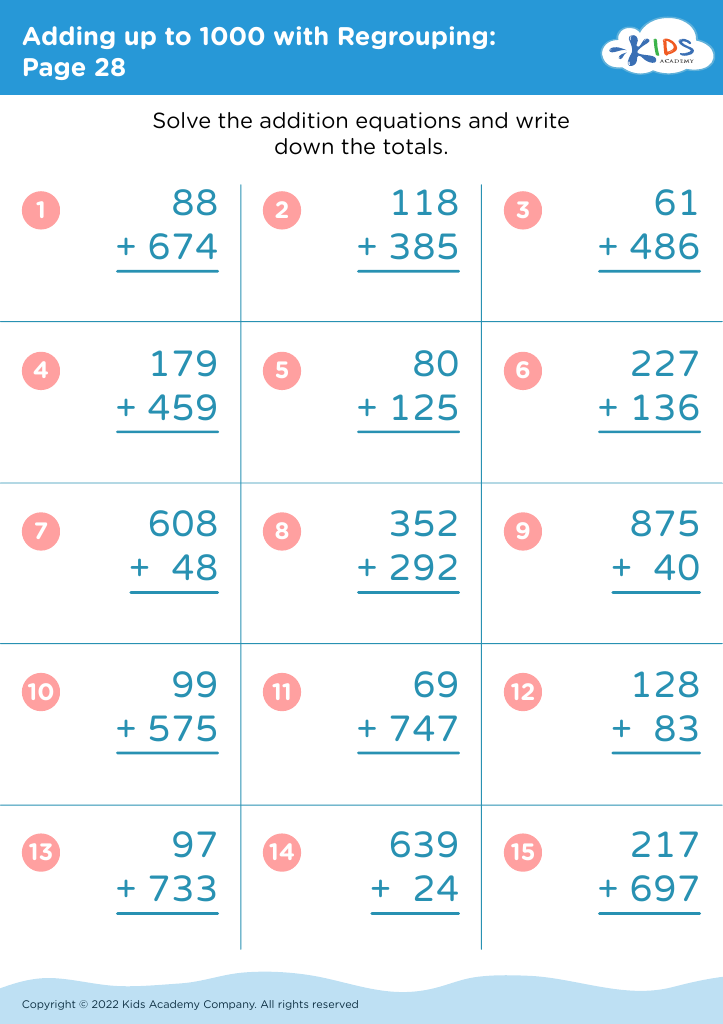
Join Kids Academy for Free
Who is primarily going to use this learning content?








Understanding fraction addition and subtraction at an early age is crucial for several key reasons. Firstly, it lays a foundational mathematical skill set that students will build upon as they advance in their academic journey. A solid grasp of fractions is essential for future topics like algebra, geometry, and even real-world applications such as cooking or handling money.
Engaging children aged 3-8 in fraction addition and subtraction encourages the development of critical thinking and problem-solving skills. Young minds learn to visualize and manipulate parts of wholes, which enhances cognitive processes such as recognizing patterns and making connections between concepts.
Furthermore, early exposure helps demystify fractions, making them less intimidating as children grow. Many students struggle with fractions at later stages simply because they missed this crucial foundational exposure.
From a psychological perspective, early mastery contributes to a child's confidence in mathematics, fostering a positive attitude towards the subject. When children experience success and understand mathematical concepts at an early age, they are more likely to persevere and overcome challenges in the future.
Lastly, integrating these concepts into learning can make lessons more engaging and fun. Through games, visual aids, and hands-on activities, fraction addition and subtraction can be introduced in a manner that feels like play rather than work, capturing the child's natural curiosity and enthusiasm for learning.








