Fraction identification Addition & Subtraction Worksheets for Ages 3-8
5 filtered results
-
From - To
Discover our engaging Fraction Identification Addition and Subtraction Worksheets designed specifically for children aged 3-8! These interactive worksheets help young learners grasp the fundamentals of fractions while enhancing their addition and subtraction skills. Crafted with colorful visuals and age-appropriate problems, these worksheets make learning fun and accessible. As kids explore identifying fractions, they strengthen their math abilities and build confidence. Perfect for classroom use or at-home learning, our worksheets cater to various learning styles and ensure a comprehensive understanding of fractions. Start your child's math journey today with our easy-to-use resources! Explore now for a delightful learning experience!
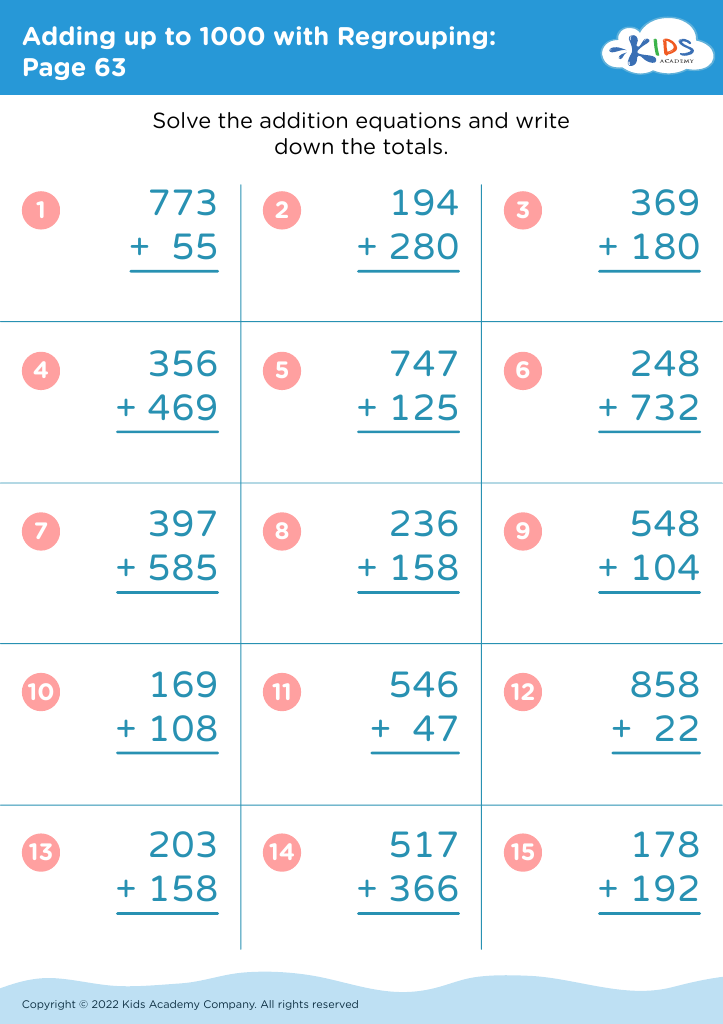
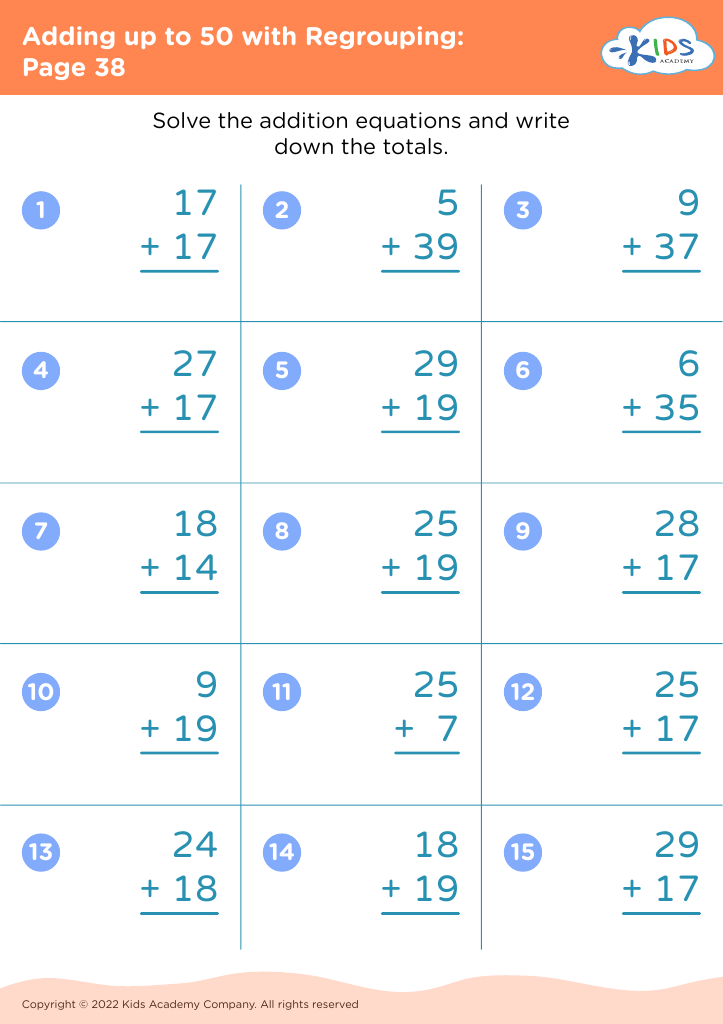
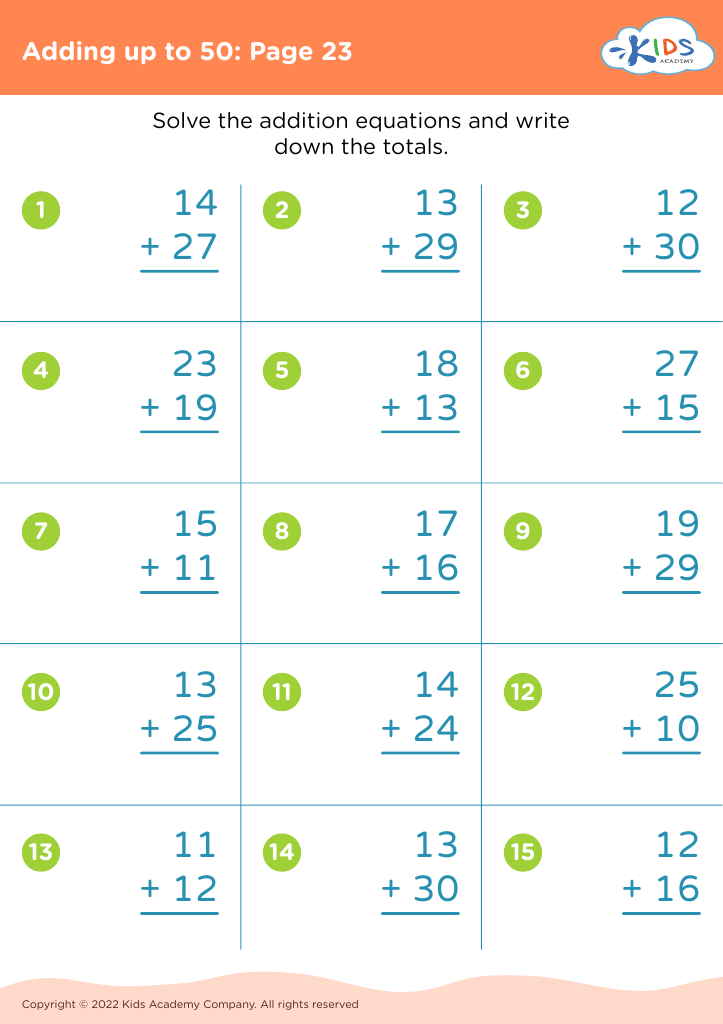
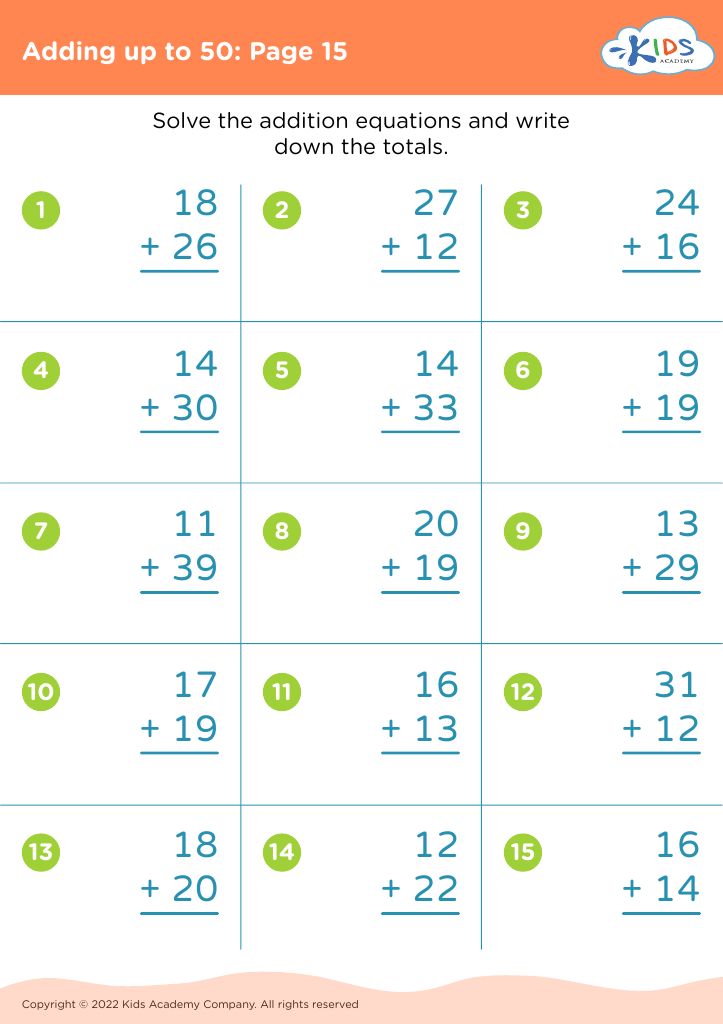
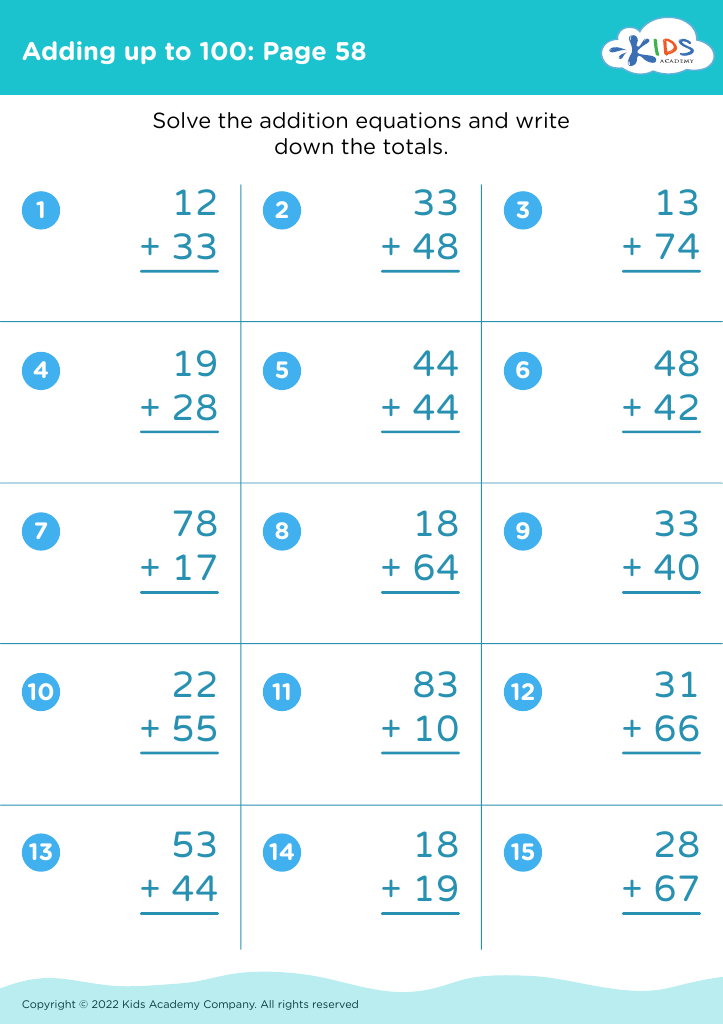








Fraction identification, addition, and subtraction are foundational math skills that play a crucial role in a child’s educational development, especially for ages 3-8. Understanding fractions introduces young learners to basic mathematical concepts such as division, ratio, and part-whole relationships, which are essential as they progress to more complex topics.
For parents and teachers, fostering an understanding of fractions helps cultivate critical thinking and problem-solving skills. Children who grasp these concepts early on are better equipped to tackle challenges in math and related subjects later in their education. Moreover, the ability to identify and manipulate fractions builds the groundwork for more advanced topics like decimals, percentages, and algebra, minimizing future learning gaps.
Engaging with fractions can also enhance a child’s real-life skills. For instance, when cooking, children can learn the concept of halves and quarters, aiding in their practical understanding of measurement and proportions. Further, collaborating on fraction activities encourages discussions about sharing and fairness, instilling social and emotional learning.
In summary, caretakers should prioritize fraction education as it develops cognitive skills, prepares children for academic success, and enhances practical life competencies, making math a more interactive and enjoyable experience.








