Identifying Animals Addition & Subtraction Worksheets for Ages 3-8
5 filtered results
-
From - To
Discover our engaging "Identifying Animals Addition & Subtraction Worksheets" designed for children ages 3-8! These worksheets provide a fun and interactive way for young learners to practice essential math skills while exploring the fascinating world of animals. Each worksheet features vibrant illustrations, enhancing both learning and engagement. Kids will enjoy solving addition and subtraction problems by counting different animals, promoting both mathematical understanding and animal identification skills. Perfect for home or classroom use, these worksheets help reinforce foundational concepts in a playful manner. Start your child’s educational journey with our delightful and educational resources today!
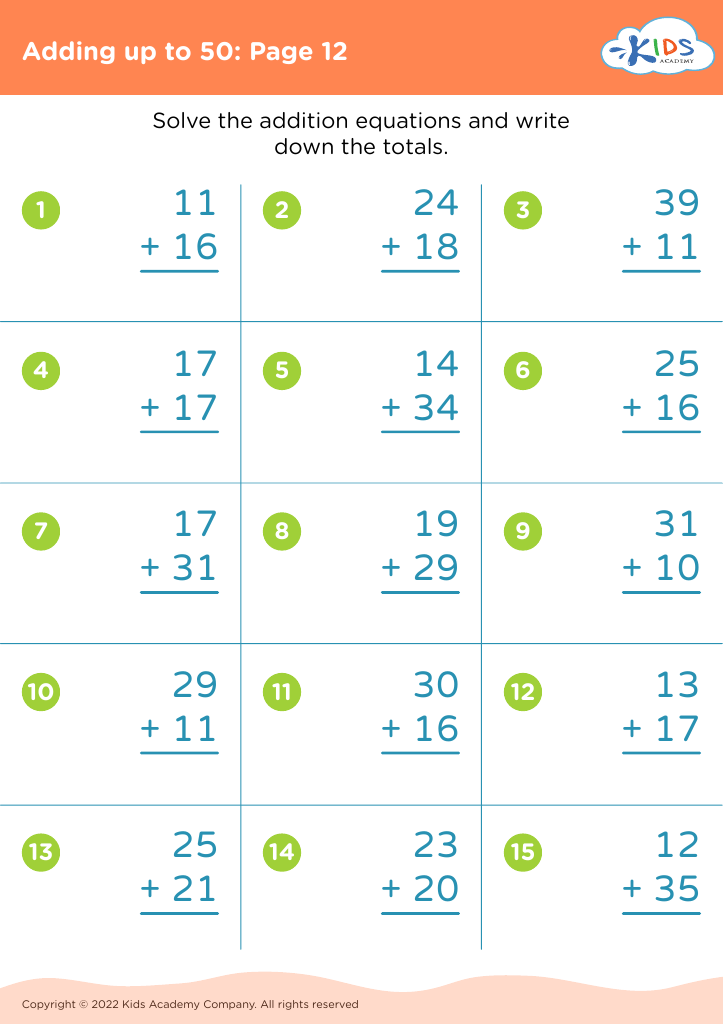
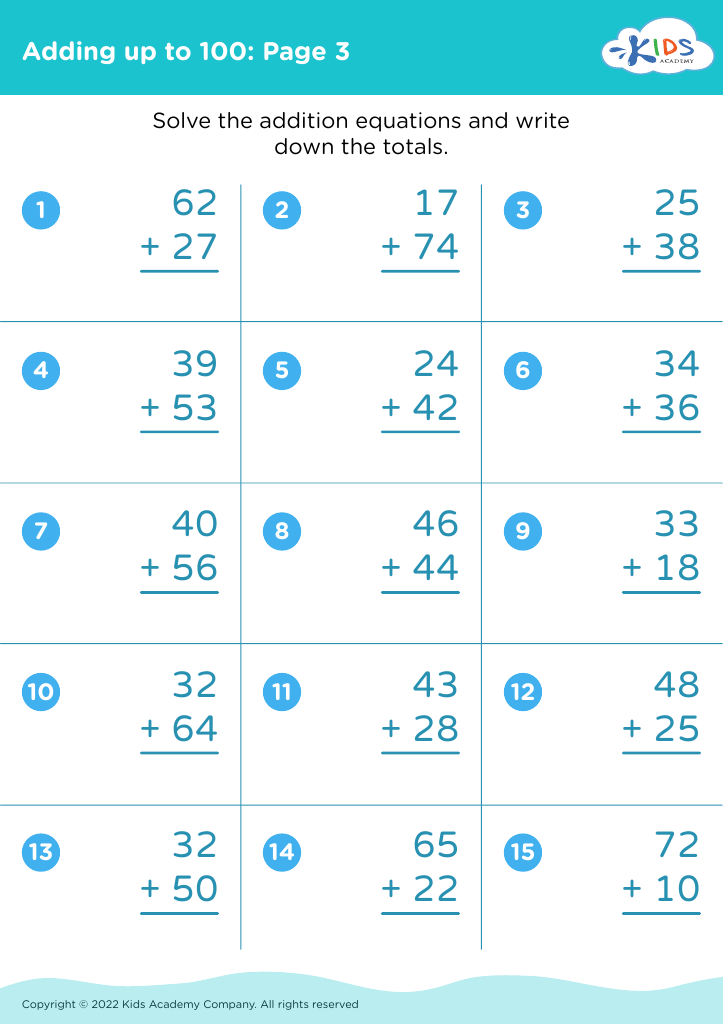
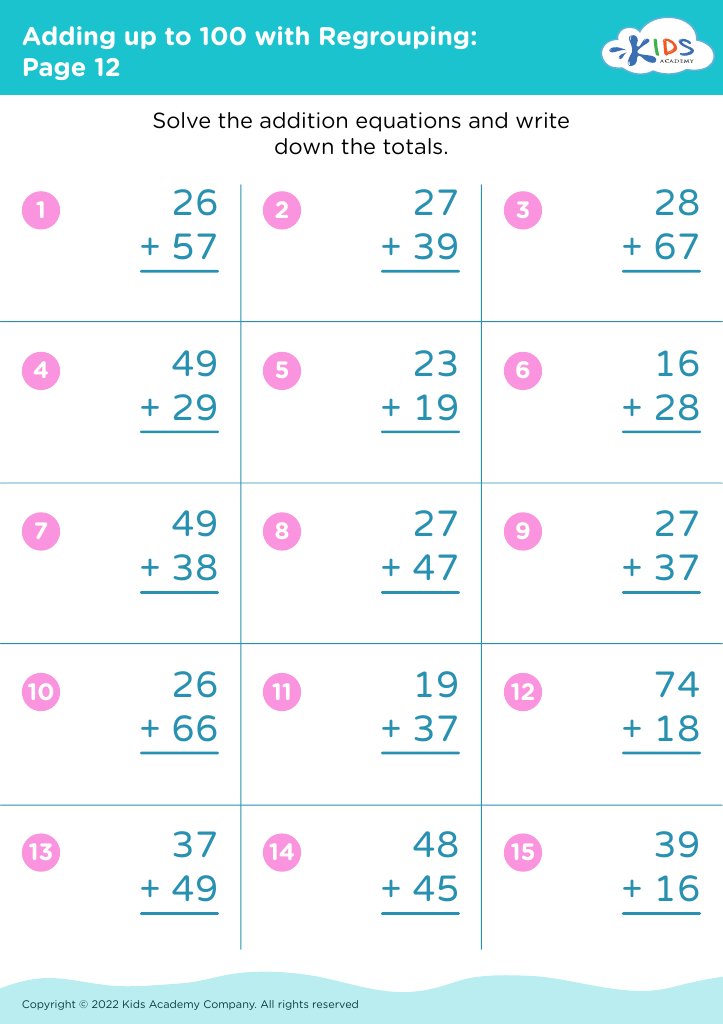
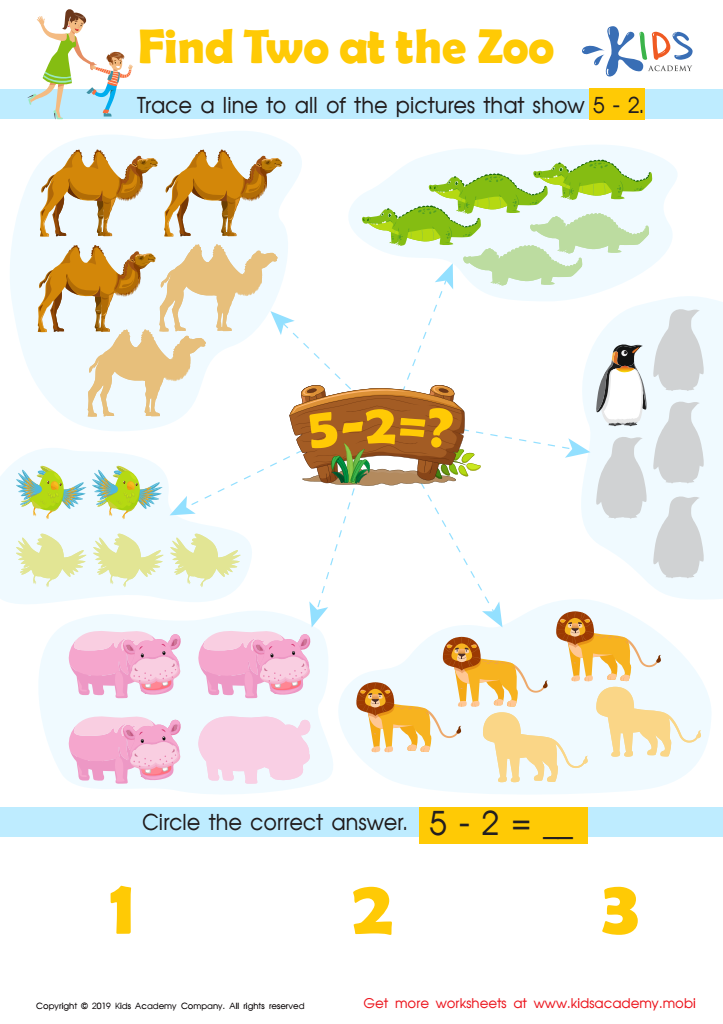
Find Two at the Zoo Worksheet
 Assign to My Students
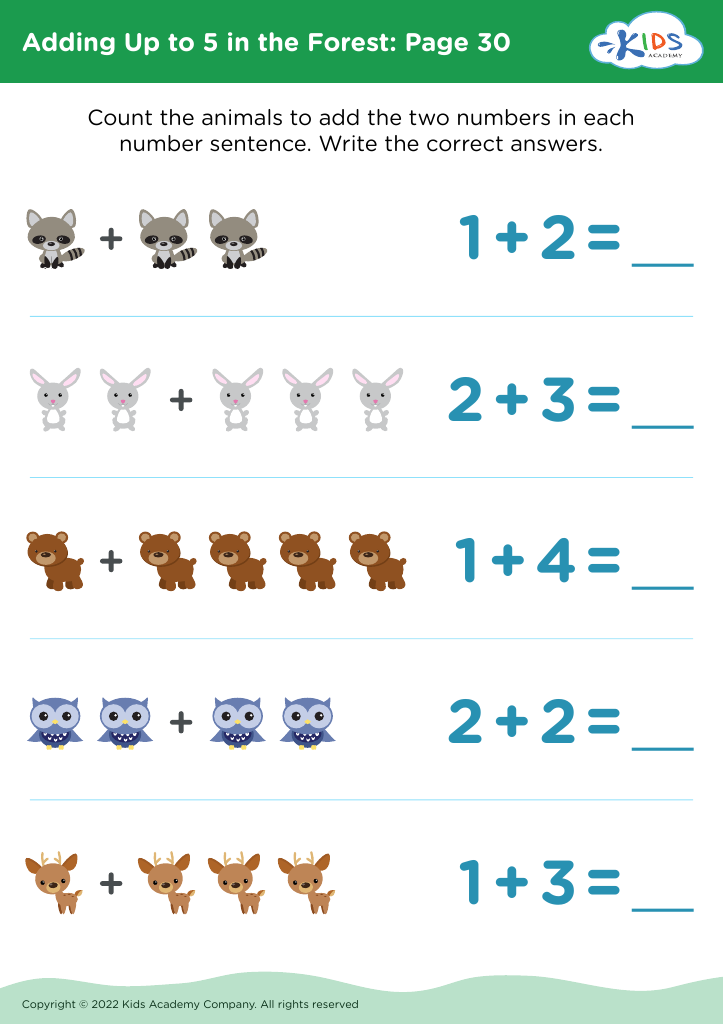








Identifying Animals Addition & Subtraction is a crucial educational activity for children ages 3-8, as it combines foundational math skills with engaging, thematic learning. For parents and teachers, incorporating animals into early math education not only makes the learning process fun but also promotes cognitive development and fosters a natural curiosity about the world.
At this age, children are still developing their numerical understanding, and using identifiable and relatable subjects—like animals—helps them grasp necessary concepts more easily. Visual aids, such as animal pictures, can enhance their ability to recognize quantities while becoming acquainted with addition and subtraction through enjoyable narratives, songs, or games.
Furthermore, this approach encourages creativity and critical thinking, allowing children to engage in problem-solving through relatable scenarios. Parents and teachers can also instill vocabulary growth associated with animals as they discuss characteristics, habitats, and behaviors, enhancing their comprehension skills.
Ultimately, by focusing on Identifying Animals Addition & Subtraction, we nurture a love for learning that aligns with early math proficiency. This sets a formative foundation for more complex mathematical concepts, shaping well-rounded, competent learners ready for future academic challenges.








