Improving reading skills Addition & Subtraction Worksheets for Ages 3-8
4 filtered results
-
From - To
Discover our "Improving Reading Skills Addition & Subtraction Worksheets" designed specifically for children ages 3-8. These engaging resources combine essential math skills with reading comprehension, fostering a love for learning. Our colorful, interactive worksheets introduce young learners to the basics of addition and subtraction while enhancing vocabulary and reading fluency through fun illustrations and kid-friendly themes. Perfect for both classroom and home use, these valuable tools not only reinforce mathematical concepts but also support literacy development. Watch your child thrive as they sharpen their skills in a playful, supportive environment! Explore and make learning an enjoyable adventure today.
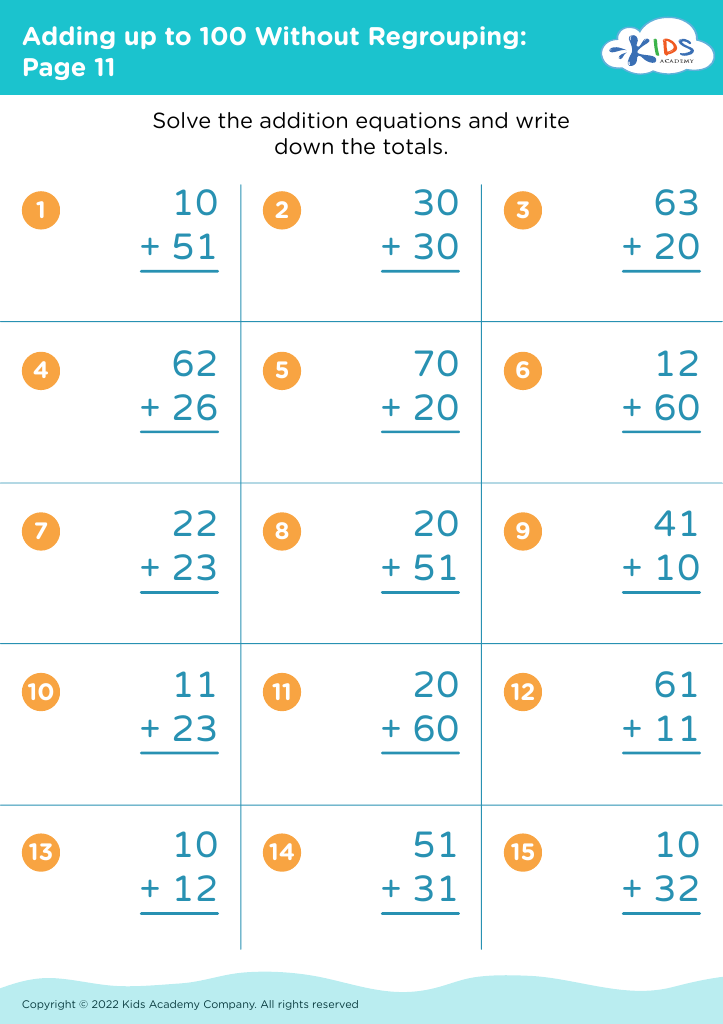
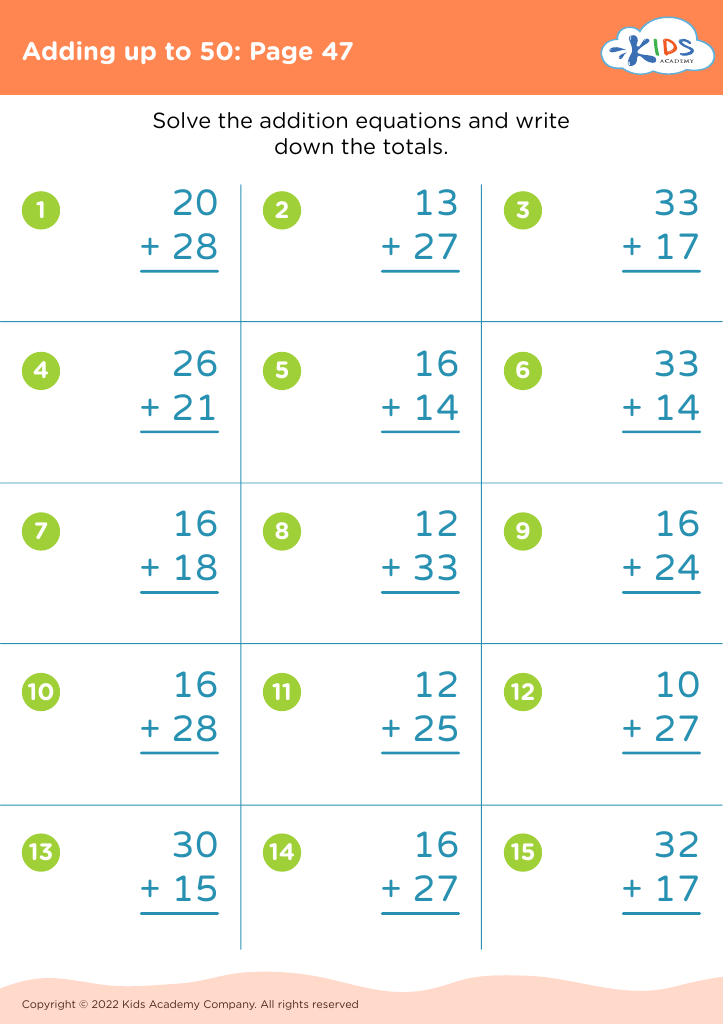
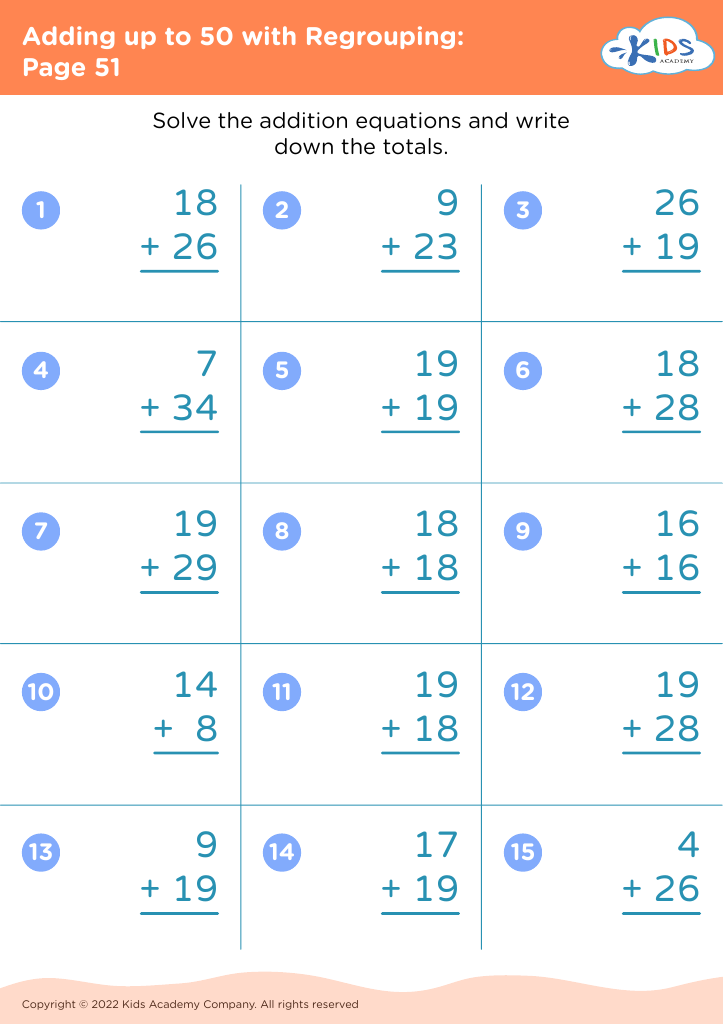
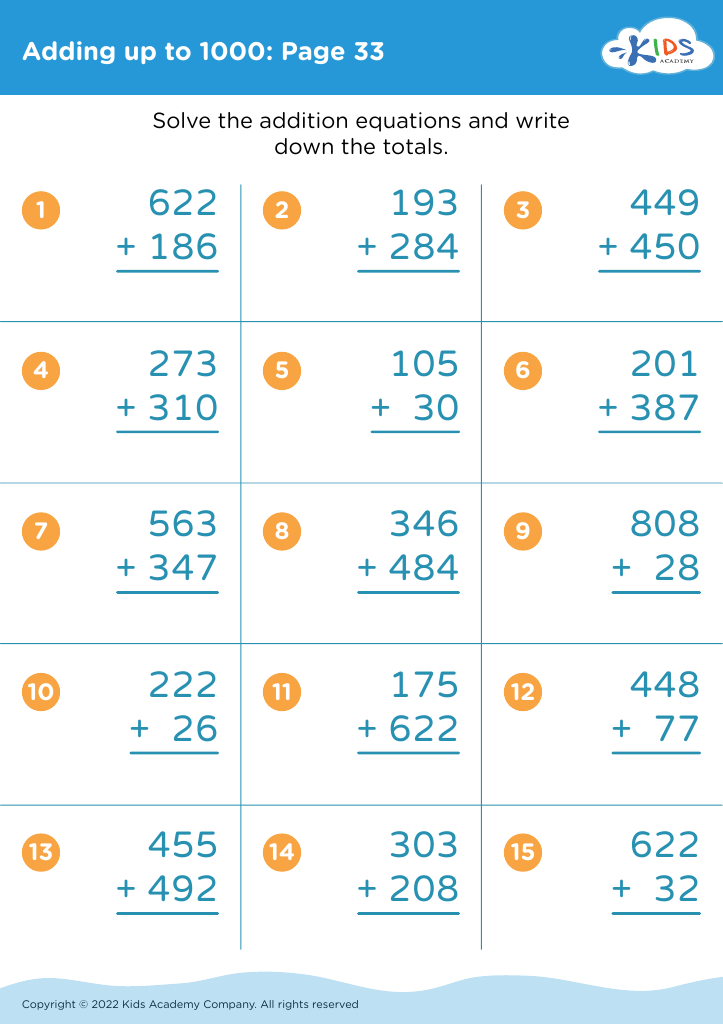








Improving reading skills and mastery of addition and subtraction are critical for children ages 3-8. During these foundational years, cognitive development is at its peak, and children are eager to explore language and numbers. Strong reading skills enhance comprehension, allowing children to follow instructions and engage with a variety of texts—from storybooks to early academic materials. Additionally, reading nurtures vocabulary and critical thinking, crucial for their overall academic success.
Simultaneously, mastering basic addition and subtraction equips children with essential mathematical skills. These foundational math concepts promote problem-solving abilities and logical reasoning. As children develop numeric literacy, they become more confident in their abilities to tackle complex math problems as they progress through school.
Moreover, integrating reading with math can foster a love for learning. Using stories that incorporate mathematical concepts makes learning engaging and relatable, helping children see the importance of these skills in everyday life. For both parents and teachers, investing time and resources into enhancing reading and math abilities in young learners lays the groundwork for lifelong learning, fostering not only academic achievements but also critical life skills. This dual focus ultimately cultivates well-rounded, self-assured individuals ready to meet future challenges.








