
Number identification Addition & Subtraction Worksheets for Ages 3-8
5 filtered results
Difficulty Level
Grade
Age
-
From - To
Subject
Activity
Standards
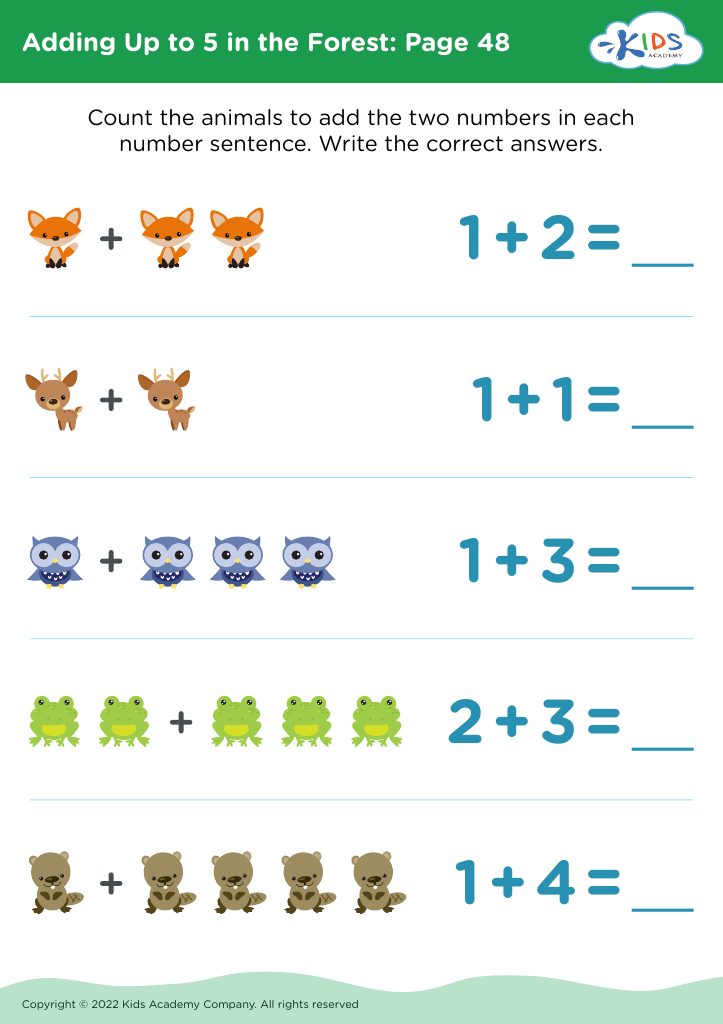
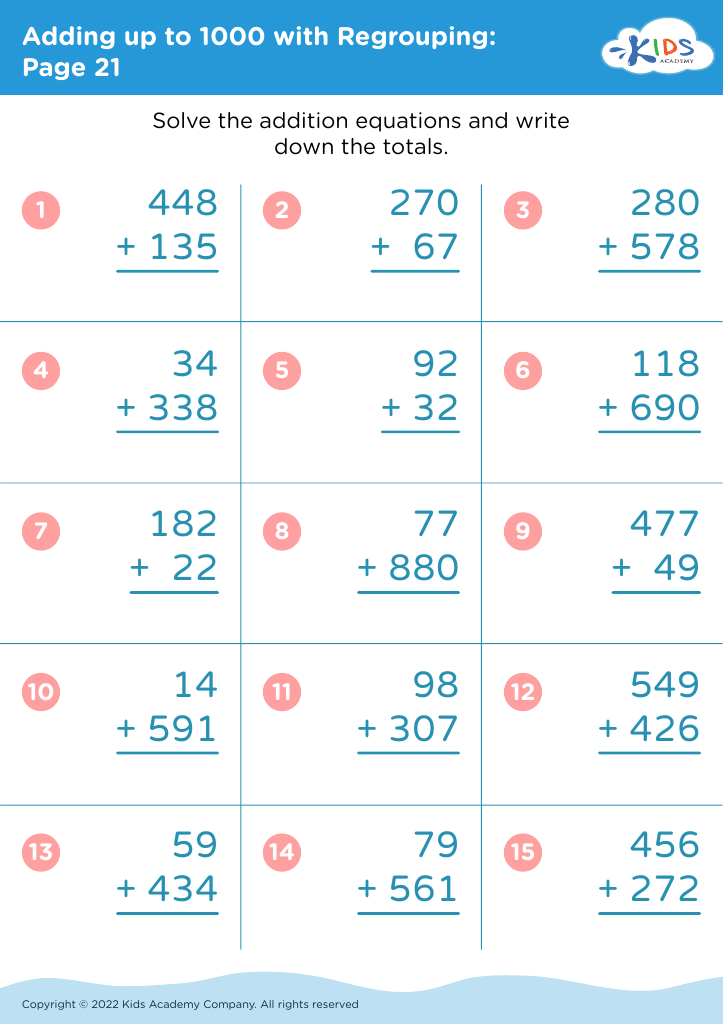
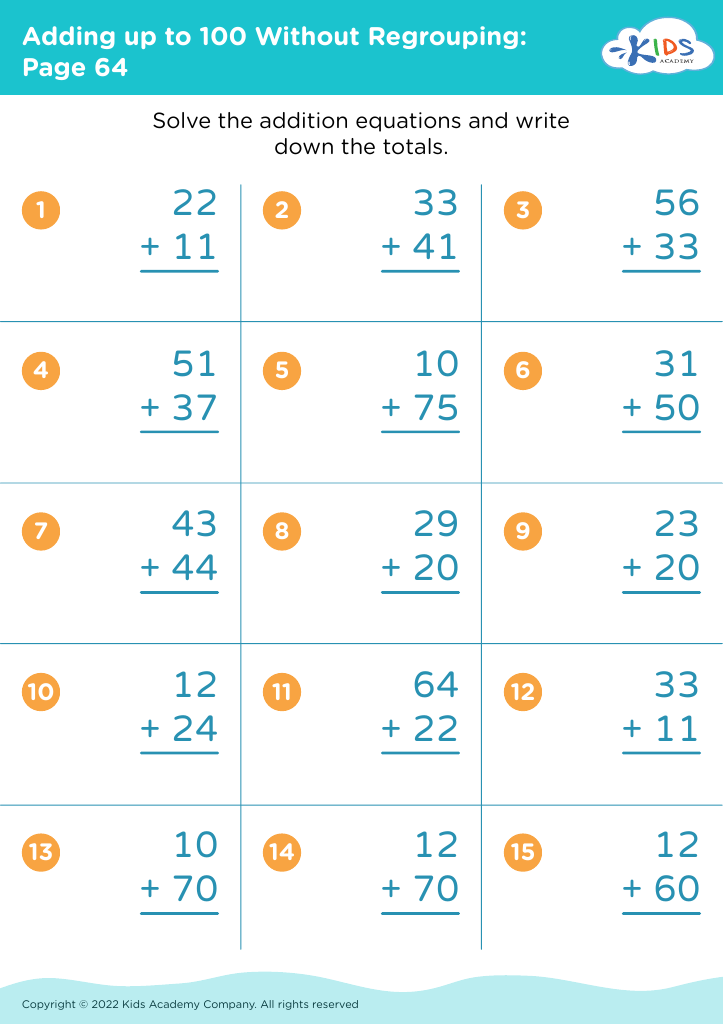
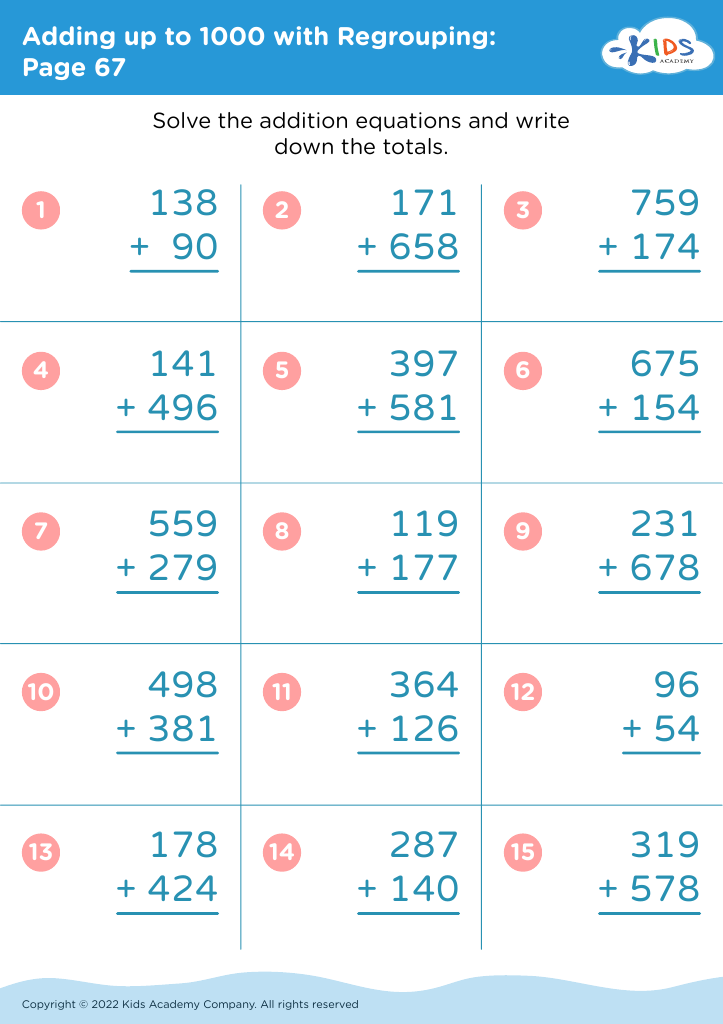
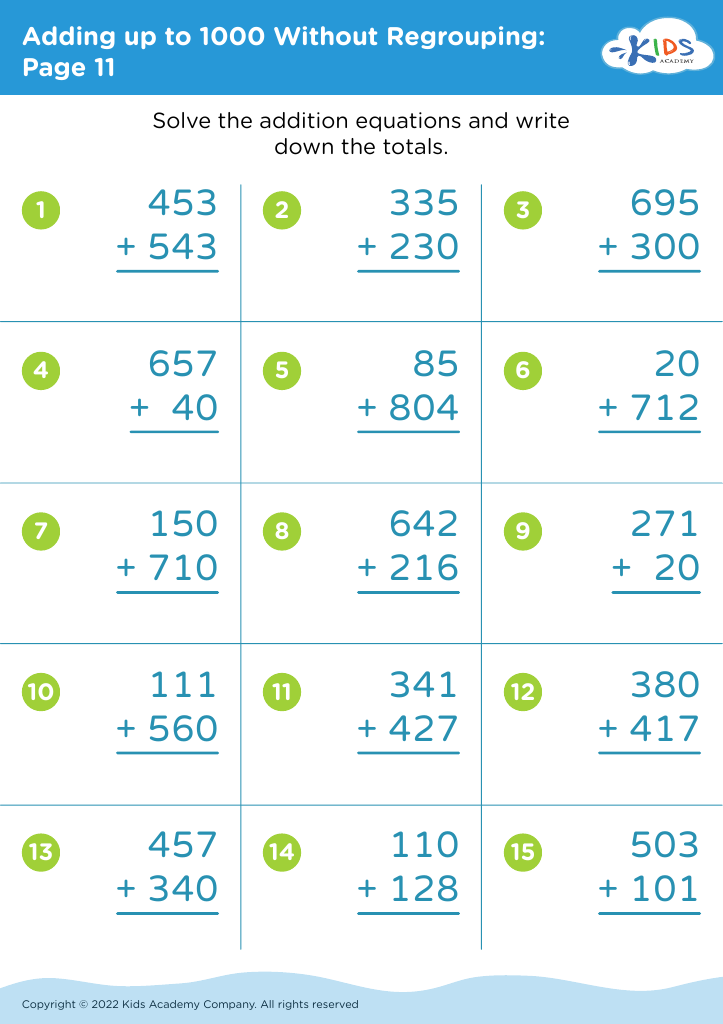
Discover our engaging Number Identification, Addition, and Subtraction Worksheets designed for children ages 3 to 8! These printable resources help young learners develop essential math skills, ensuring a solid foundation in number recognition and basic arithmetic. With fun, colorful activities tailored to various learning levels, children can confidently practice identifying numbers while enhancing their addition and subtraction abilities. Our worksheets are perfect for parents and educators alike, fostering interactive learning that keeps kids excited about math. Dive into a world of numbers today and watch your child's confidence and mathematical skills grow! Perfect for home or classroom use!
Favorites
With answer key
Interactive
Join Kids Academy for Free
Who is primarily going to use this learning content?








Parents and teachers should prioritize number identification, addition, and subtraction for children ages 3-8 because these foundational skills are essential for early mathematical development and overall cognitive growth. Mastering these concepts enhances children’s ability to recognize numbers and understand basic numerical relationships, which are critical building blocks for more advanced math skills.
Number identification helps children develop confidence and fluency in recognizing and using numbers, paving the way for effective problem solving in everyday life. Addition and subtraction introduce essential operations that foster critical thinking, logic, and reasoning skills. These early experiences with math not only prepare children for future academic success but also help them enjoy learning and feeling competent in their abilities.
Additionally, understanding basic math concepts during these formative years supports vital life skills, such as budgeting, telling time, and measuring, making math relevant in practical contexts. Promoting a positive attitude toward mathematics can diminish anxiety often associated with the subject, encouraging a lifelong appreciation and curiosity for learning. Engaging children with interactive activities, games, and practical applications will foster a joyful learning environment. Ultimately, a strong foundation in number identification and basic operations is crucial for children’s future achievements in both academics and life.








