Practice division Addition & Subtraction Worksheets for Ages 3-8
3 filtered results
-
From - To
Welcome to our collection of engaging addition, subtraction, and division worksheets designed for children ages 3-8! Our practice worksheets help young learners master foundational math skills through fun and interactive exercises. Each worksheet is thoughtfully crafted to develop confidence and proficiency in division, while reinforcing addition and subtraction concepts. These worksheets promote critical thinking, enhance problem-solving abilities, and make learning enjoyable through colorful designs and varied activities. Perfect for both classroom settings and home practice, our resources are ideal for any young mathematician's journey. Dive into our themed worksheets today and watch your child flourish in their mathematical journey!
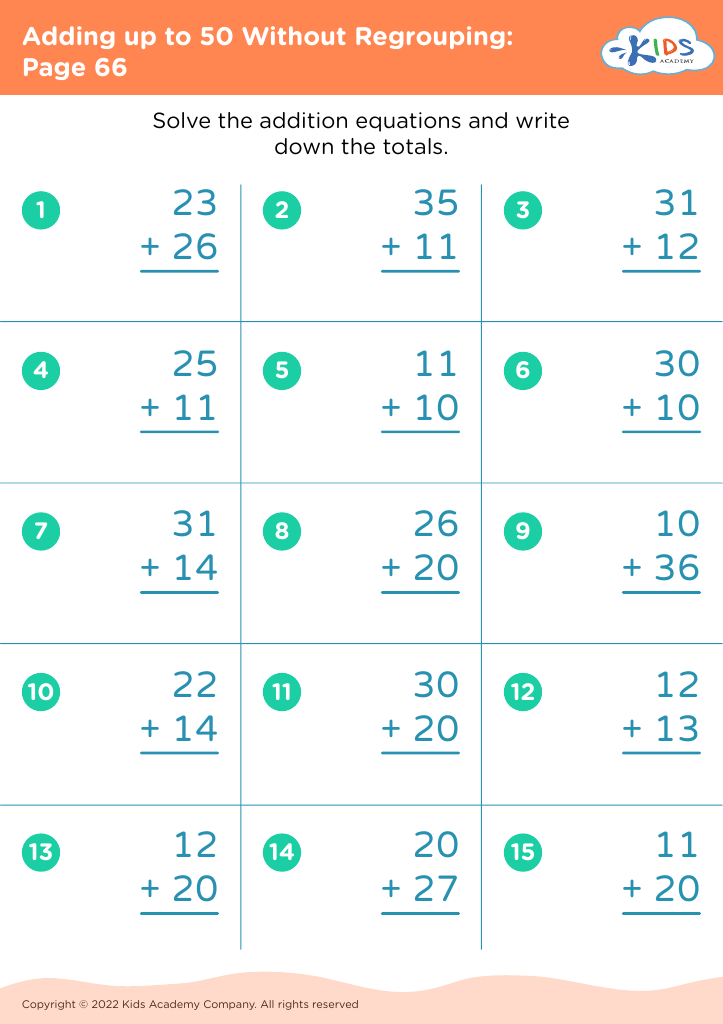
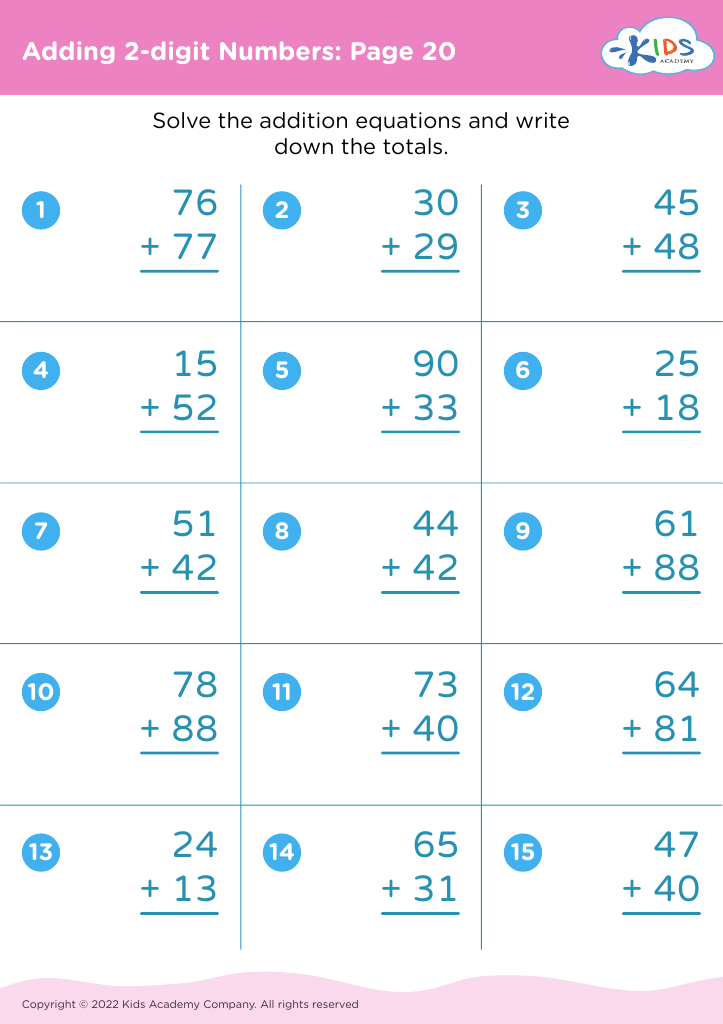
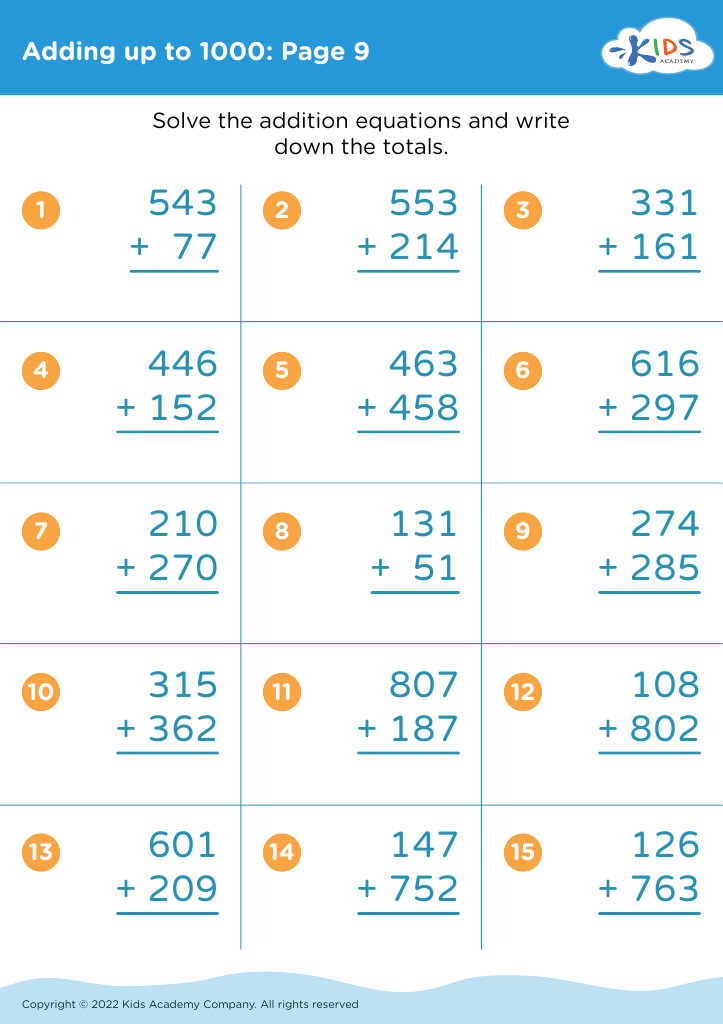








Practice division, addition, and subtraction skills is crucial for children ages 3-8 as it lays the foundation for their mathematical understanding and problem-solving abilities. During these formative years, kids develop critical cognitive skills that influence their learning trajectory not just in math, but across academic subjects.
At this age, children are naturally curious and eager to explore concepts. Engaging them in fun and interactive activities involving addition and subtraction nurtures their numerical fluency, boosts confidence, and enhances basic reasoning skills. Effective practice helps solidify the understanding of how numbers work, allowing students to grasp more complex math concepts in later grades.
Moreover, these skills emerge in everyday situations; recognizing numbers, counting objects, or sharing equally fosters essential life skills. Teachers and parents who prioritize this practice foster a positive and engaging learning environment that encourages exploration and growth.
Additionally, reinforcing these skills through games and hands-on activities can prevent math anxiety, promoting a lifelong affection for learning. By investing time and effort into practice division, addition, and subtraction, caregivers equip children with essential skills that will support their academic journey across all subjects in years to come.








