Reading analog clocks Addition & Subtraction Worksheets for Ages 3-8
4 filtered results
-
From - To
Introduce your little learner to the foundational skills of reading analog clocks while honing their addition and subtraction abilities with our engaging worksheets designed for ages 3-8. Our specially crafted sheets make mastering time-telling fun and easy, incorporating colorful and interactive elements to capture young minds. As children practice reading different times, they seamlessly incorporate essential math skills, ensuring a thorough understanding through hands-on exercises. Empower your child’s learning journey with these dynamic resources that make complex concepts easy, supporting both in-class learning and additional home practice. Transform time-telling challenges into victories with our focused and educational worksheets!
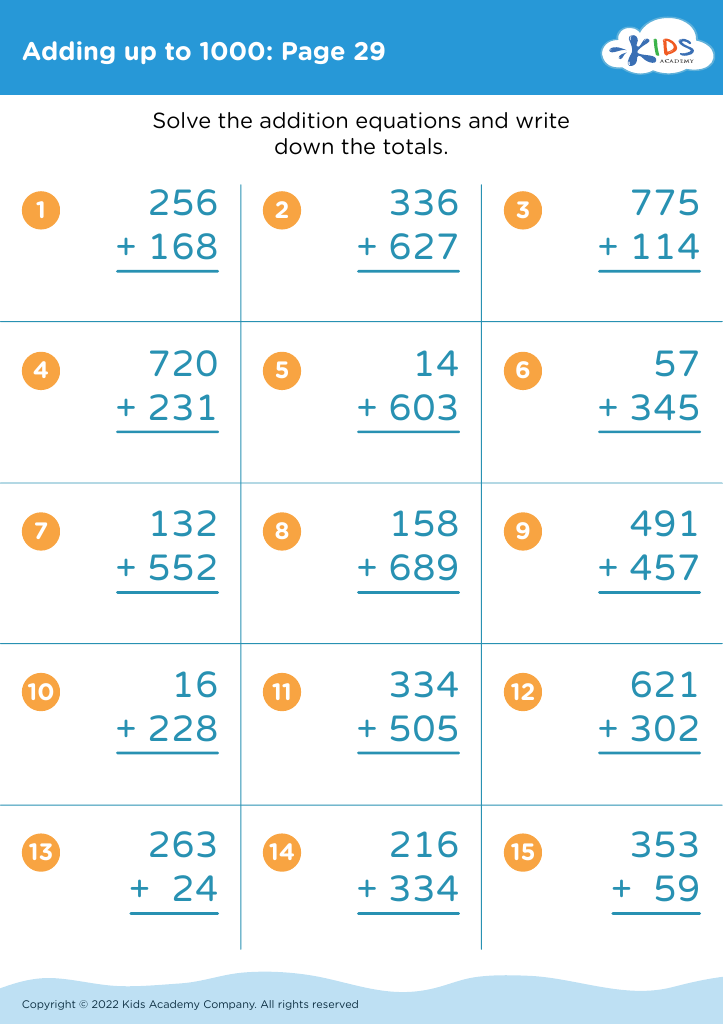
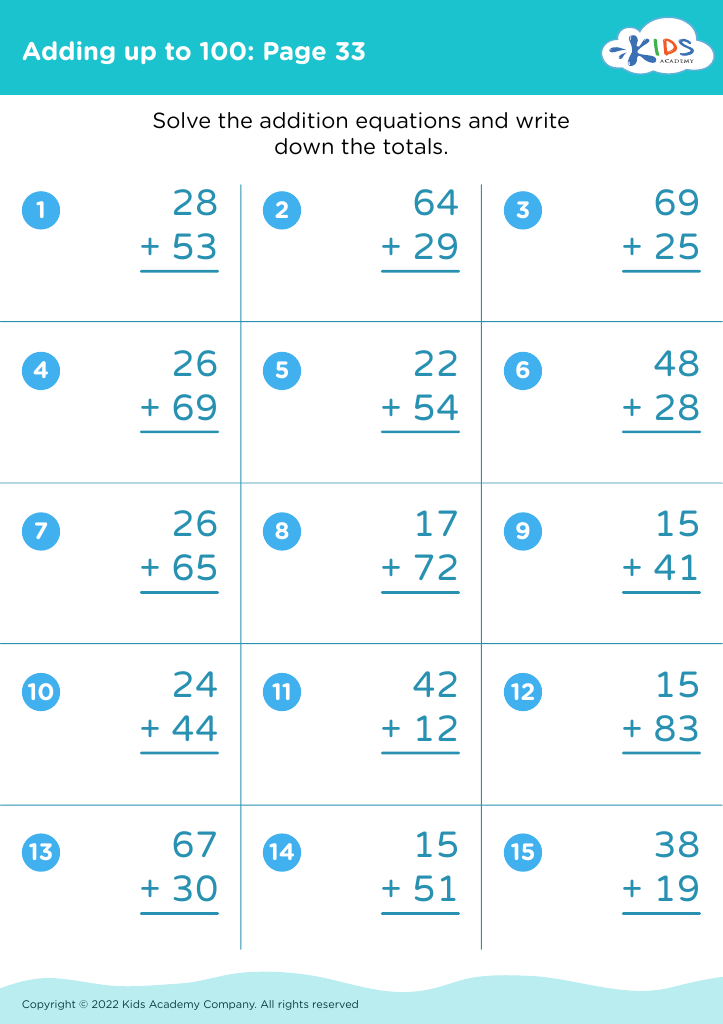
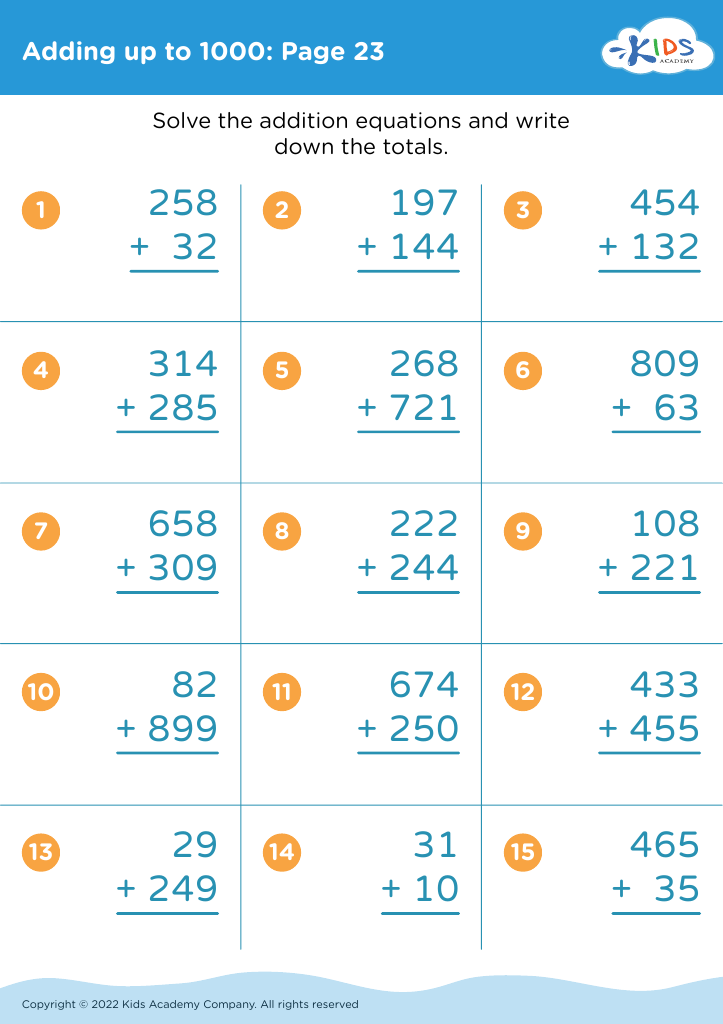
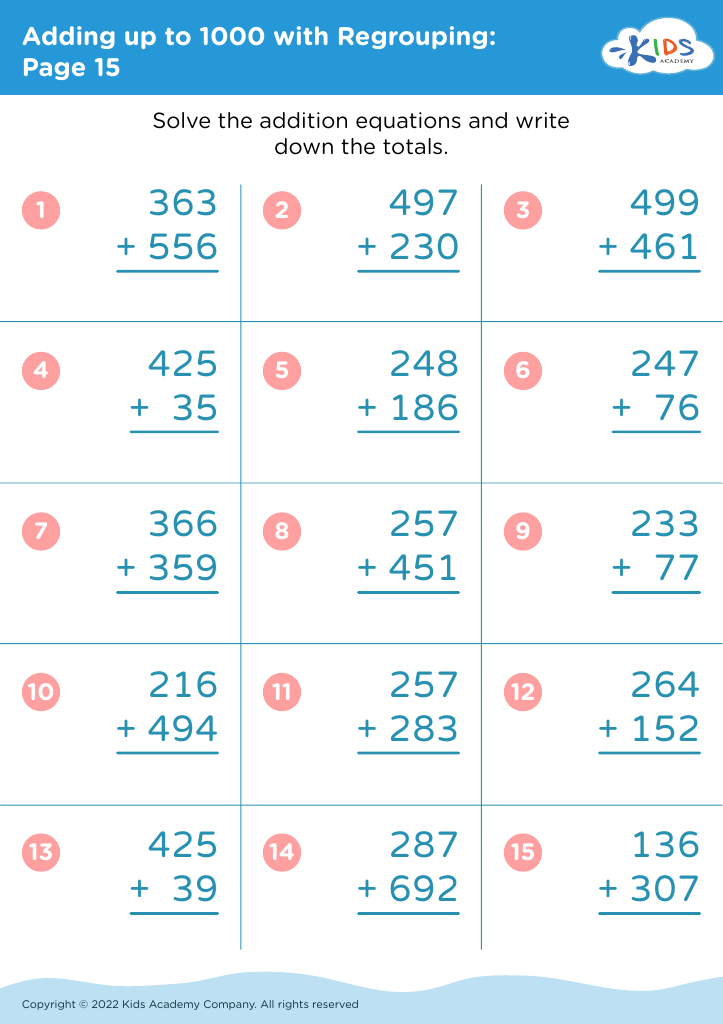








Ensuring children ages 3-8 learn to read analog clocks and perform basic addition and subtraction is crucial for their cognitive and practical development. These skills build a strong foundation for time management, critical thinking, and mathematical proficiency that will benefit them throughout their lives.
Learning to read analog clocks helps children understand the concept of time, an essential life skill that fosters responsibility and punctuality. It also aids in developing attention to detail and spatial reasoning. With digital clocks becoming more common, understanding analog time ensures that children grasp the traditional methods of telling time, which are still prevalent in daily life.
Addition and subtraction are fundamental arithmetic skills that are essential for problem-solving and logical thinking. Mastery of these basic operations enables children to tackle more complex math concepts with confidence as they progress in their education. Early practice with these skills also improves mental math capabilities and number sense, which are crucial for everyday tasks such as shopping, cooking, and planning.
Overall, prioritizing these foundational skills instills a sense of accomplishment and boosts self-confidence in young children, setting them up for future academic success. Moreover, it encourages a positive attitude towards learning, making them better prepared for more advanced subjects later on.








