Simplifying Fractions Addition & Subtraction Worksheets for Ages 3-8
18 filtered results
-
From - To
Discover an exciting collection of "Simplifying Fractions: Addition & Subtraction Worksheets" designed for kids aged 3-8! These engaging and educational worksheets are perfect for helping young learners grasp the basics of fractions, addition, and subtraction in a fun and interactive way. With colorful illustrations and easy-to-follow instructions, your child will master simplifying fractions through hands-on practice and guided exercises. Boost math confidence and build foundational skills, setting the stage for future success. Ideal for both classroom and home learning, these worksheets make math enjoyable and accessible for early learners. Download now and watch your child's math skills flourish!
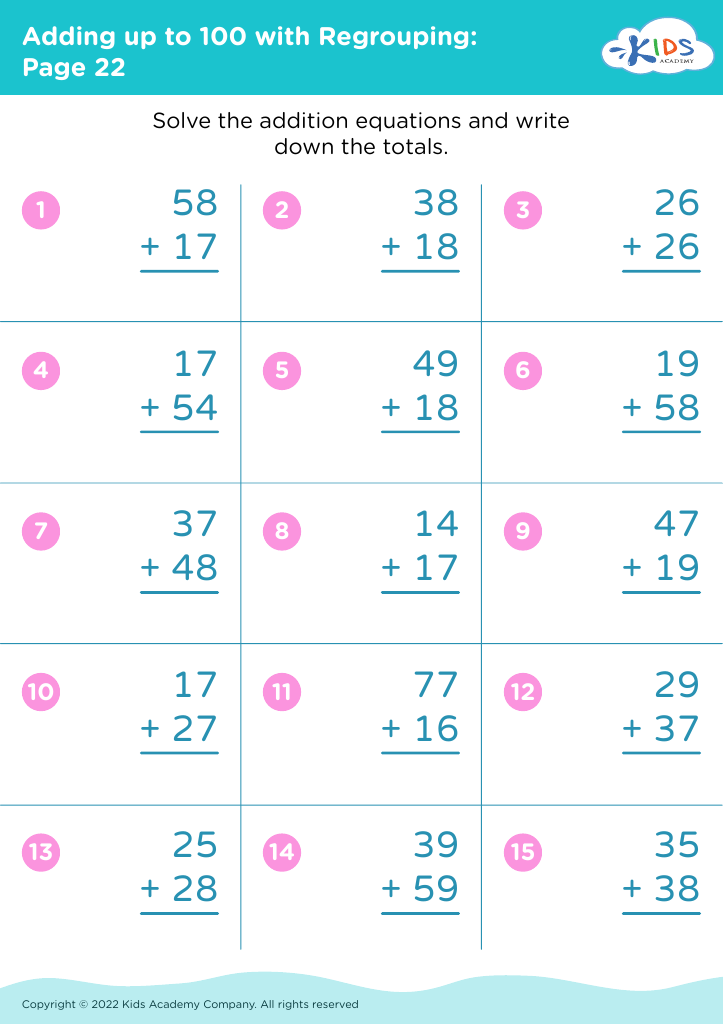
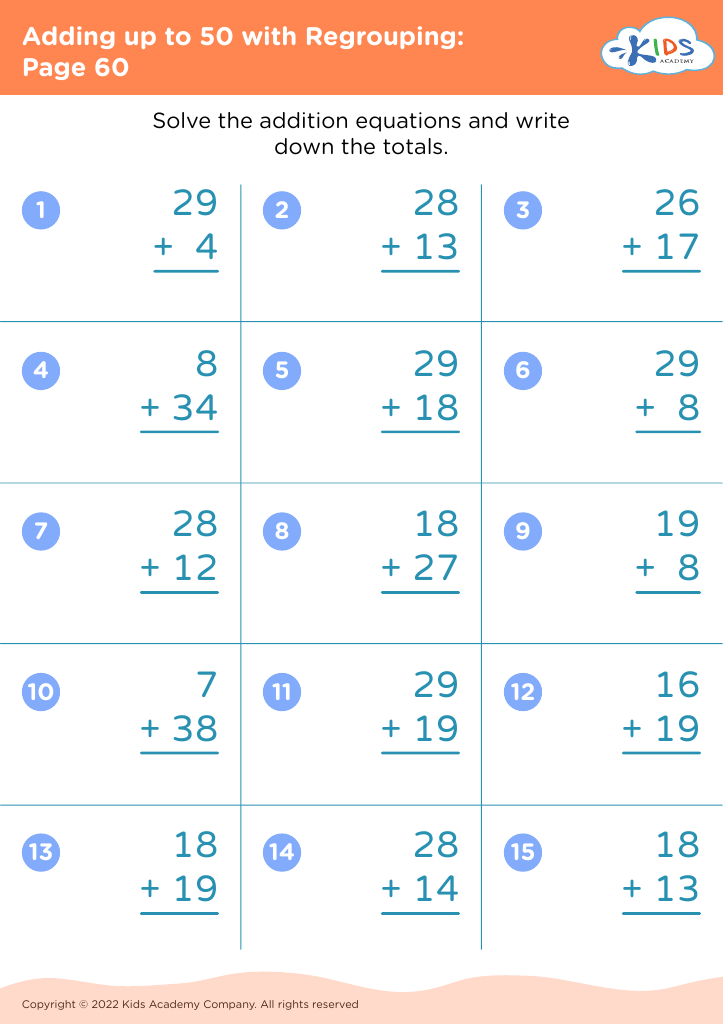
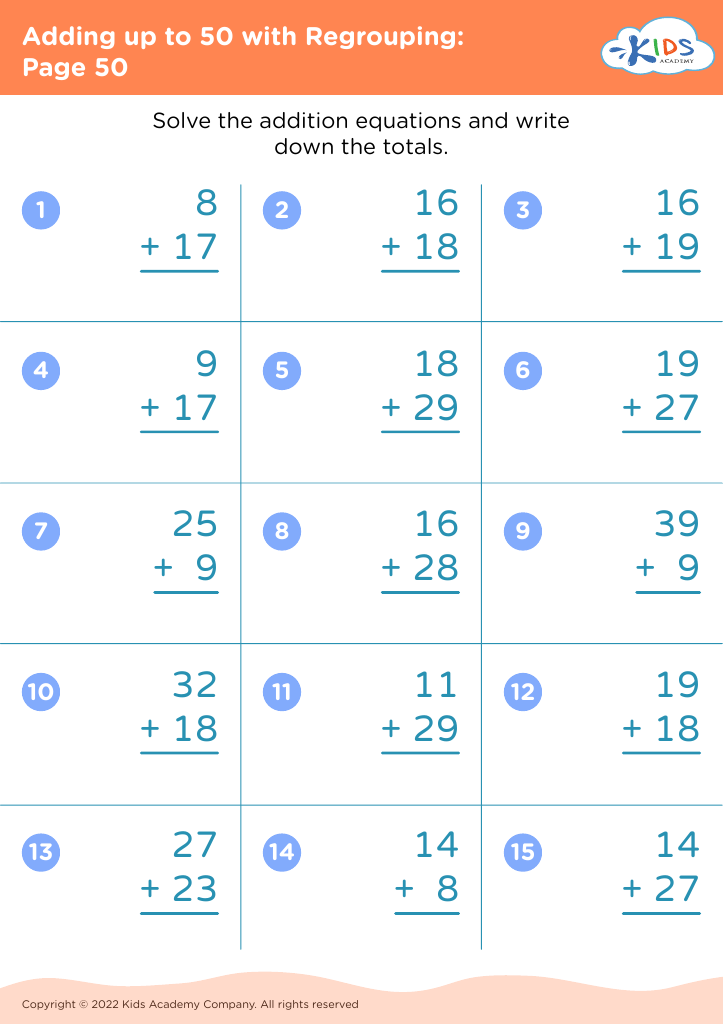
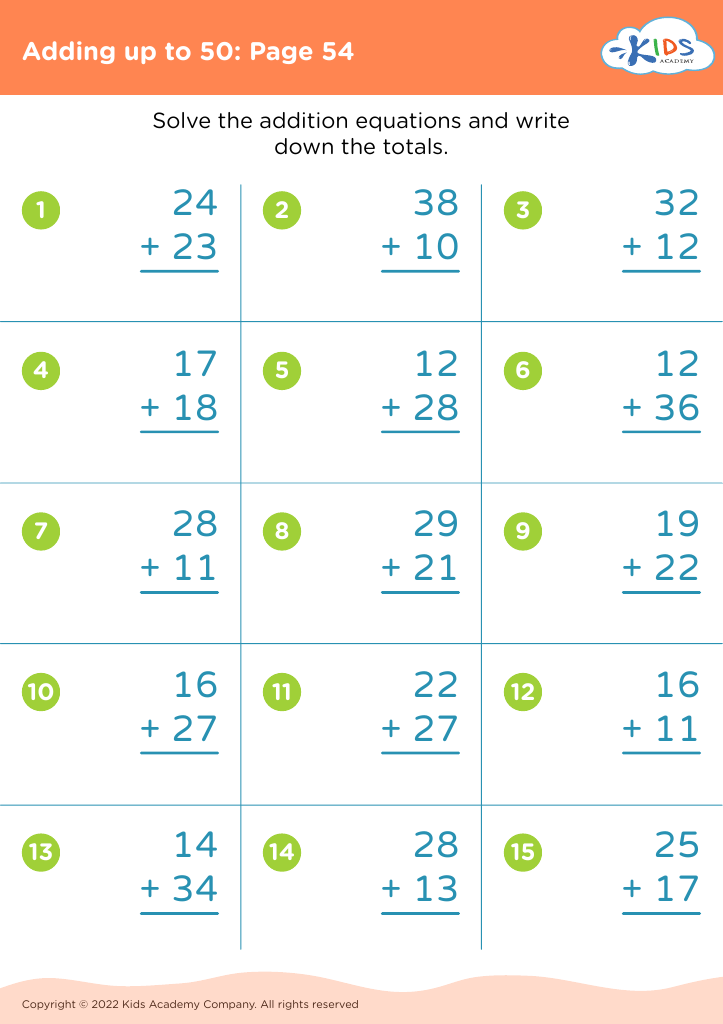
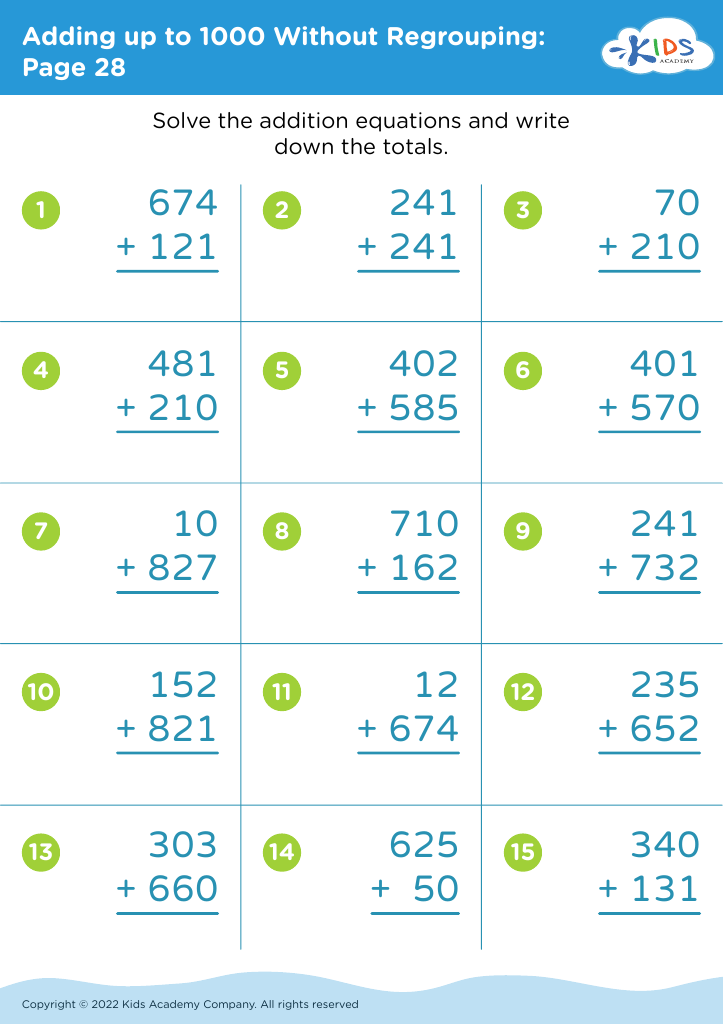
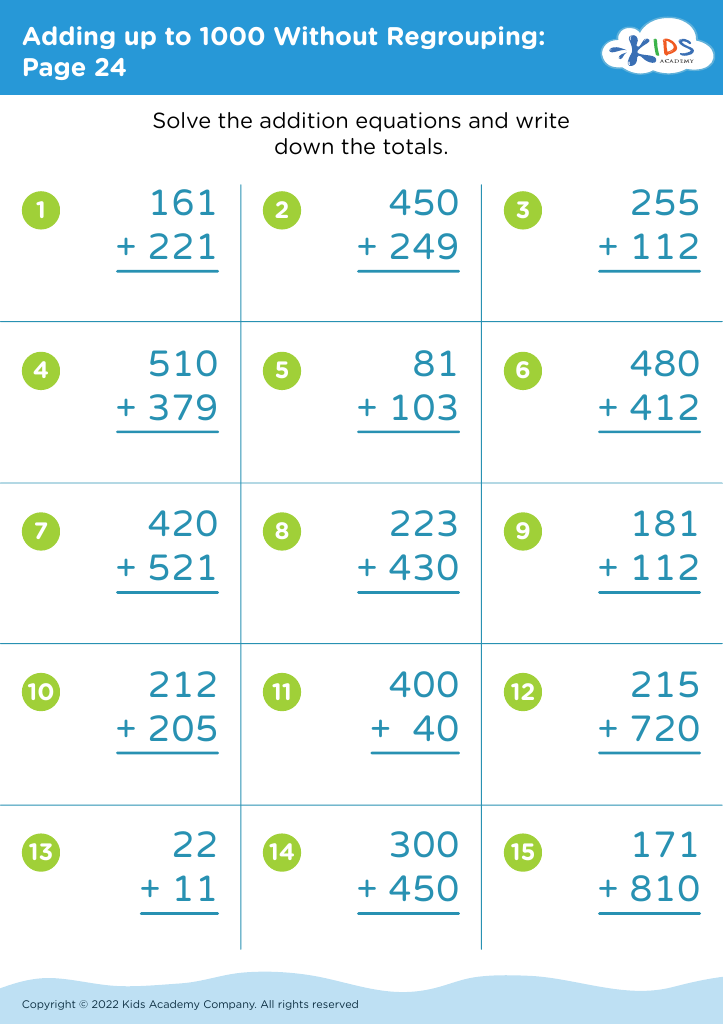








Simplifying fractions and understanding fraction addition and subtraction are foundational mathematical skills essential for young children aged 3-8. At this early stage, developing a strong grasp of fractions sets the stage for more advanced math concepts they will encounter in later grades. Parents and teachers play a crucial role in nurturing this understanding, ensuring that children do not face math anxiety or difficulties in the future.
Teaching fractions and arithmetic operations involving fractions helps children develop critical thinking and problem-solving skills. It encourages them to recognize and understand parts of a whole, which is a fundamental concept not only in math but also in everyday life. Simplifying fractions allows children to see patterns and make connections, thereby promoting higher-order thinking and improving their ability to process complex information.
Furthermore, fostering an early understanding of these concepts builds a child’s confidence in their math abilities, which is crucial during these formative years. Confident children are more likely to participate in math-related activities and take initiative in learning new concepts. Language incorporation like "one-half," "one-third," and visual representation using pie charts or fraction bars during play and conversation make these ideas more concrete and relatable for young minds.
Overall, by simplifying and teaching fractions, parents and teachers empower children with the skills needed to excel in math, set the groundwork for future academic success, and nurture a positive, lifelong attitude towards learning mathematics.








