Understanding division Addition & Subtraction Worksheets for Ages 3-8
5 filtered results
-
From - To
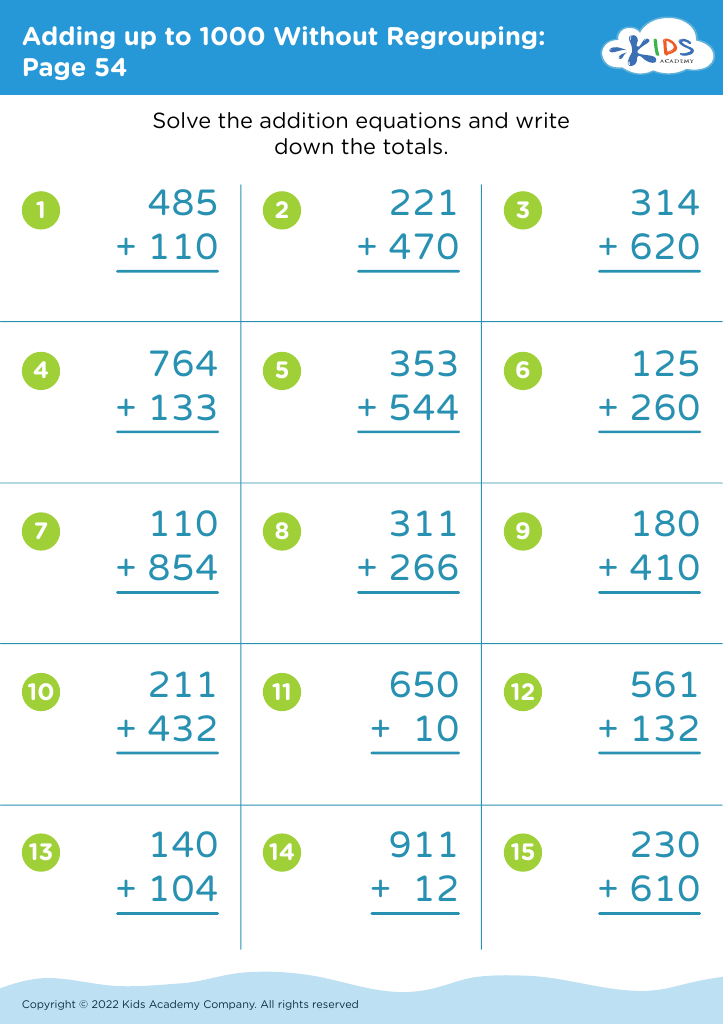
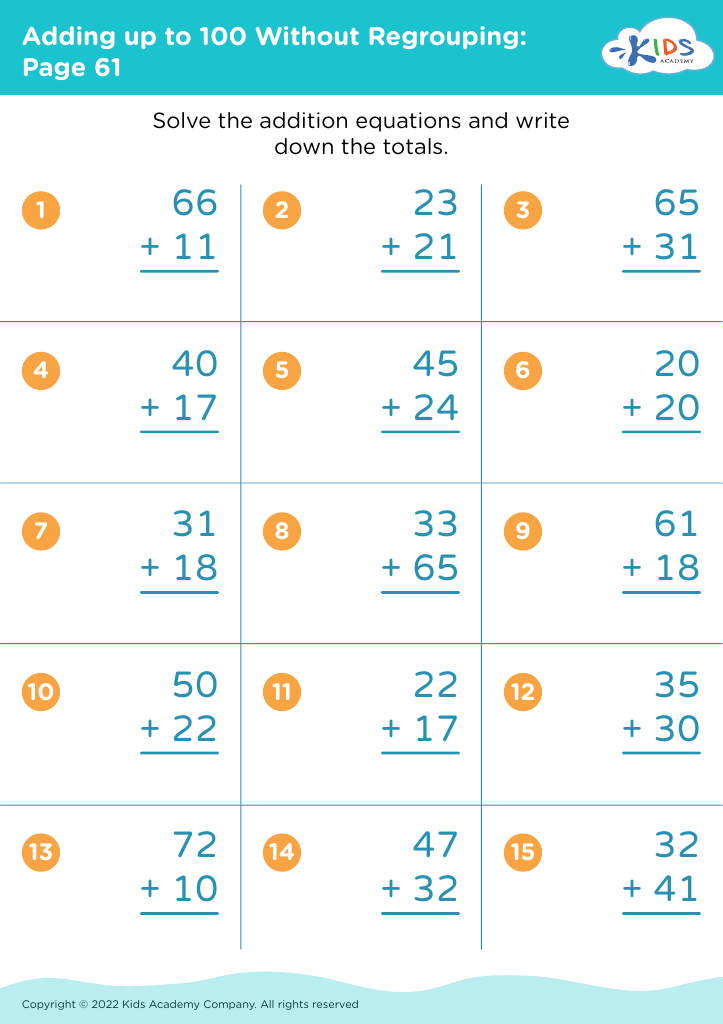
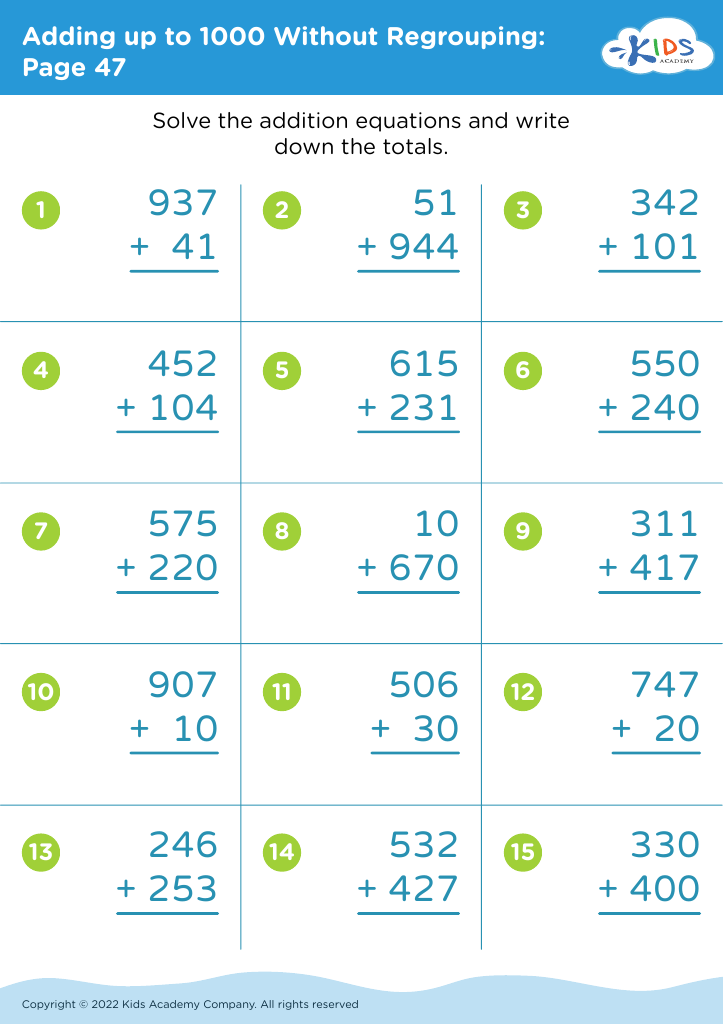
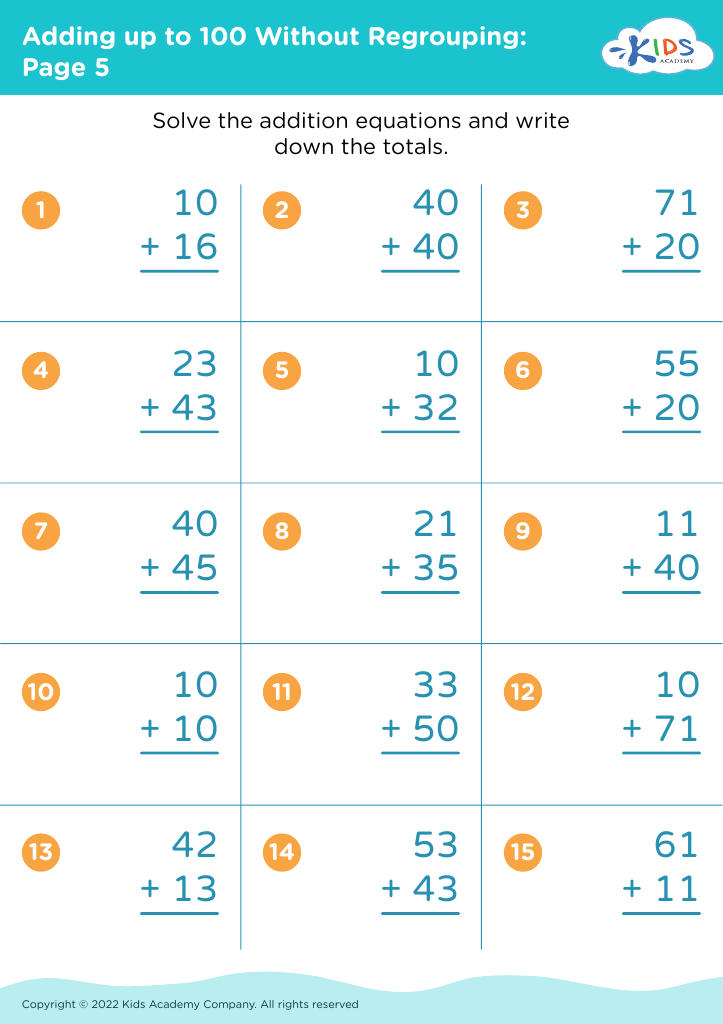
Unlock the world of math for your child with our "Understanding Division Addition & Subtraction Worksheets" designed specifically for ages 3-8. These engaging worksheets simplify complex concepts, helping young learners grasp the fundamentals of division while reinforcing addition and subtraction skills. Through colorful illustrations and interactive activities, children will develop a solid understanding of mathematical relationships. Each worksheet encourages critical thinking and problem-solving, making learning both fun and effective! Whether at home or in the classroom, these resources are perfect for supporting early learners on their mathematical journey. Dive into the joy of learning mathematics today!
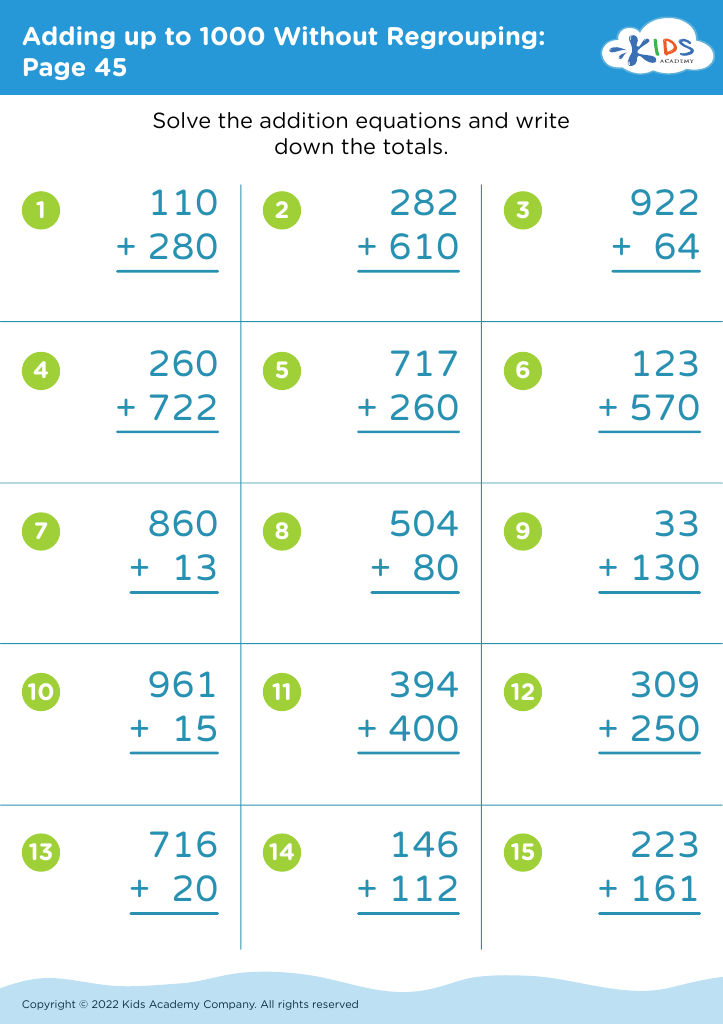








Understanding division, addition, and subtraction is fundamental for children ages 3-8, laying the groundwork for their future mathematical skills and critical thinking. Early exposure to these concepts enhances cognitive development, encourages problem-solving abilities, and fosters a positive attitude toward math. When parents and teachers prioritize foundational math skills, they help children develop number sense, which is crucial for everyday life and academic success.
Moreover, these early experiences with math support literacy skills, as children learn to interpret and manipulate numbers similarly to the way they work with letters and words. Engaging in activities that promote these mathematical operations through play further enriches the learning process and makes it enjoyable. For example, using physical objects for counting or group activities for sharing helps illustrate concepts like addition and division naturally.
Additionally, a solid understanding of these operations builds confidence and reduces math anxiety, a common issue as children progress through their educational journey. Collaborative efforts between parents and teachers in reinforcing these skills encourage consistency and enhance learning. Ultimately, caring about these foundational concepts is crucial for holistic development, setting children up for success in both mathematics and other areas of their education.








