
Basic subtraction Addition Worksheets for Ages 3-8
5 filtered results
Difficulty Level
Grade
Age
-
From - To
Subject
Activity
Standards
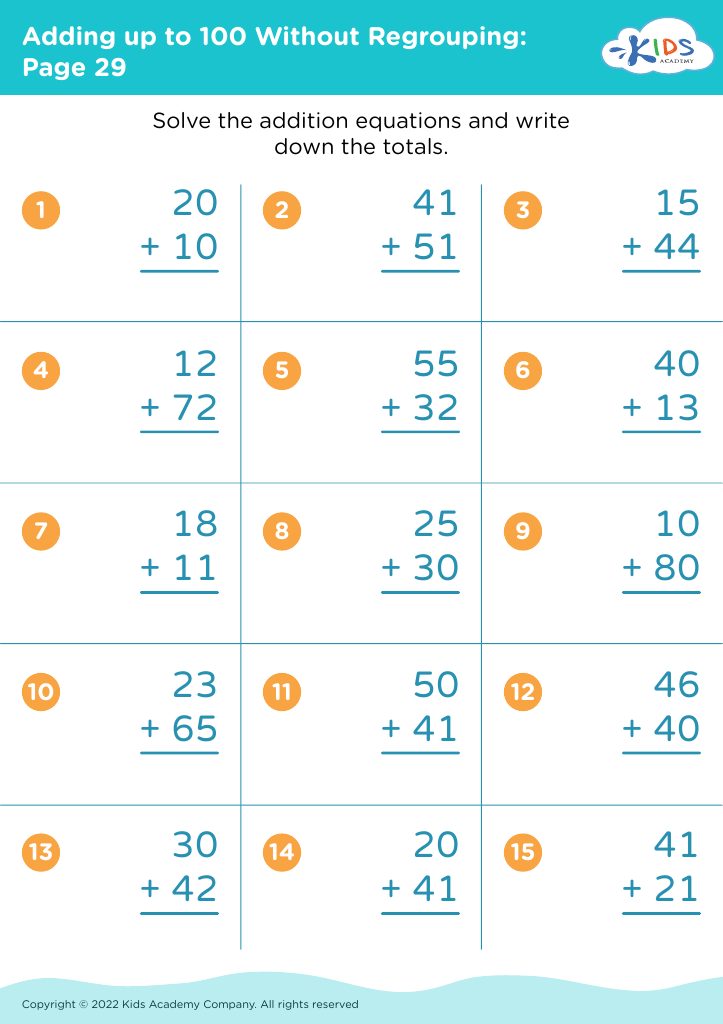
Discover a treasure trove of basic subtraction and addition worksheets designed for ages 3-8! These engaging and educational resources are perfect for young learners to build their foundational math skills. Each worksheet features vibrant illustrations and age-appropriate problems that make practicing subtraction and addition fun and interactive. Ideal for both classroom and home use, these worksheets encourage children to enhance their numerical understanding while developing critical thinking skills. Tailored to meet the developmental needs of young students, our simple yet effective exercises will boost confidence and foster a love for math. Start your child's math journey today with our exciting worksheets!
Favorites
With answer key
Interactive
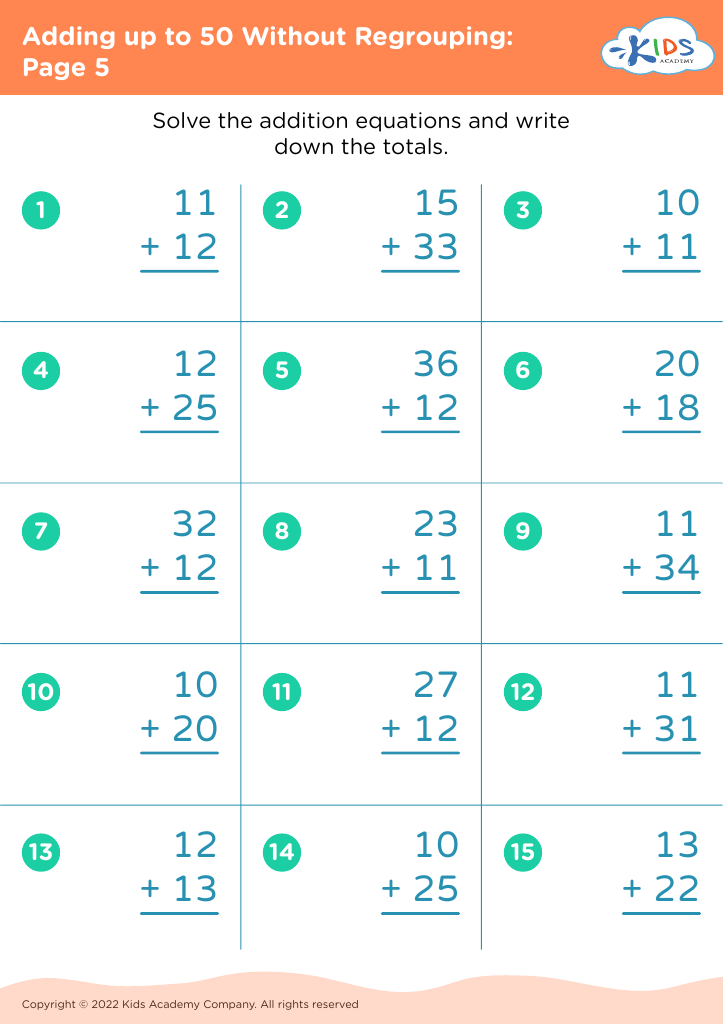
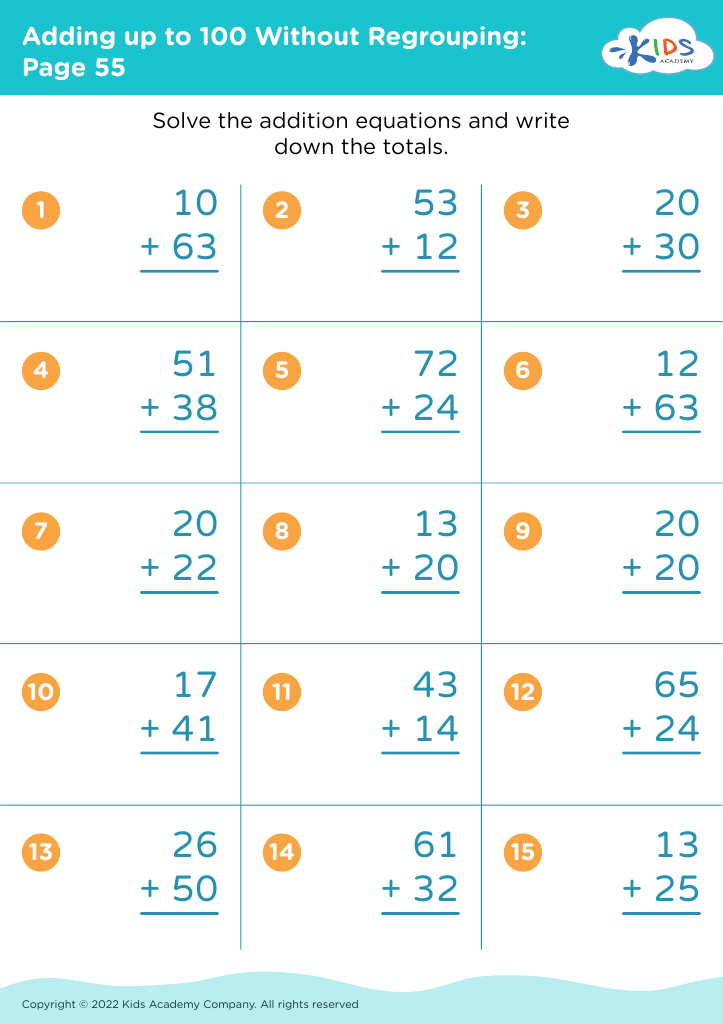
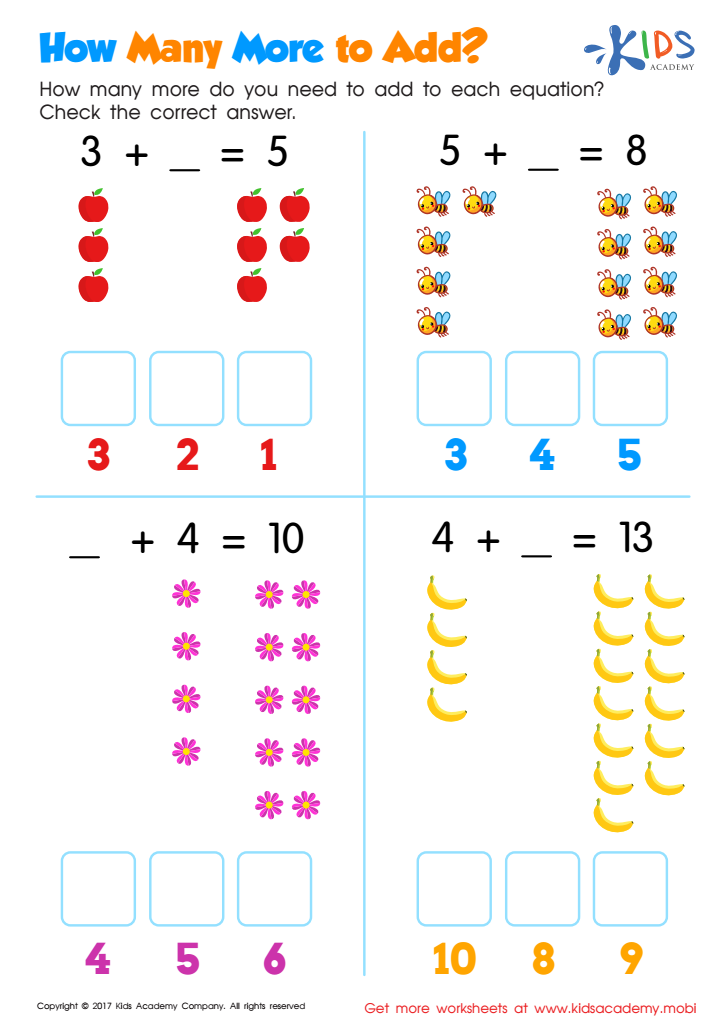
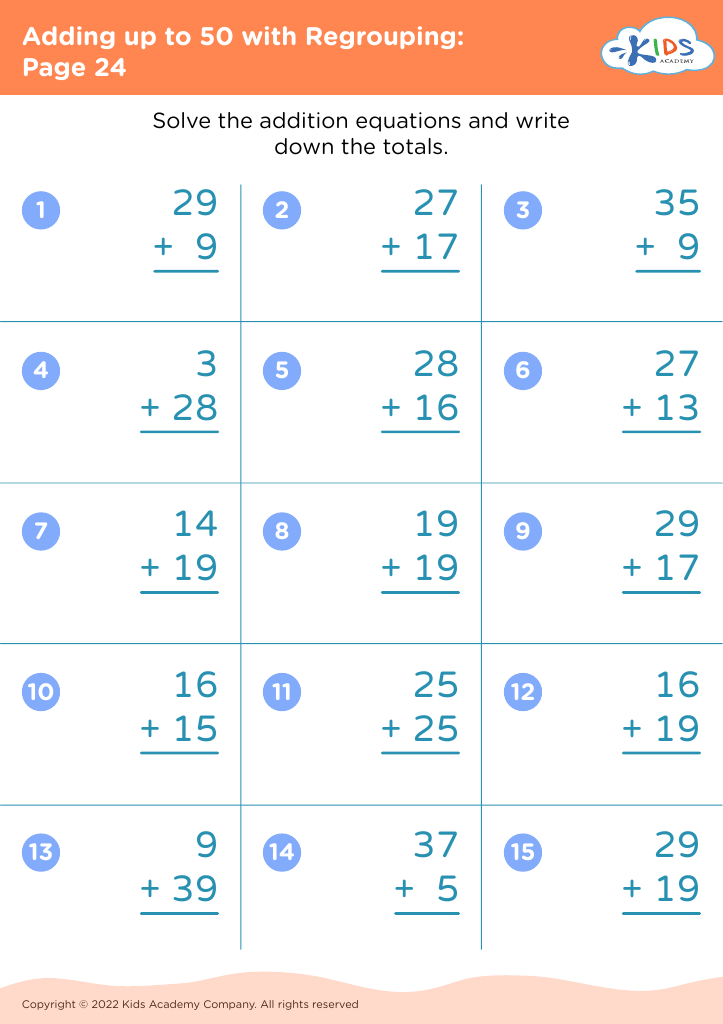
How Many More to Add Worksheet
Sharpen your child's math skills with this pdf worksheet. Help them figure out how many apples, bees, flowers and bananas are needed to reach the answer given. The possible answers are provided at the bottom of the boxes. Have some fun doing some addition and subtraction magic together and get those math skills sharpened!
 Assign to My Students
How Many More to Add Worksheet
Worksheet
Join Kids Academy for Free
Who is primarily going to use this learning content?



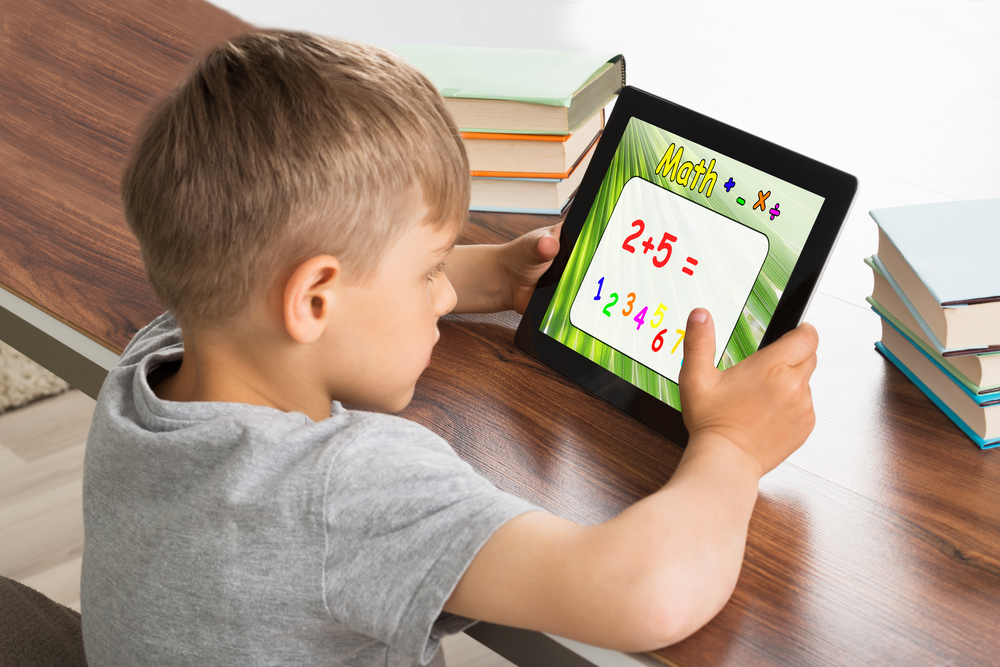




Basic addition and subtraction are foundational skills that significantly impact a child's overall cognitive development and future academic success. For children aged 3-8, mastering these concepts is crucial as they form the building blocks for more complex math skills and problem-solving abilities. Engaging with these operations helps young learners develop logical thinking, spatial understanding, and reasoning skills.
Parents and teachers should care about these skills because early exposure to addition and subtraction fosters number sense and confidence in mathematics. When children grasp basic math concepts, they are more likely to feel positive about their learning experiences and approach future math challenges with enthusiasm. Moreover, these skills are essential not only in academic settings but also in everyday situations—such as counting, budgeting, and understanding time.
Encouraging playful and interactive learning opportunities, like games and activities involving addition and subtraction, enhances engagement and retention. This early groundwork can also alleviate math anxiety later in life, as a strong early understanding supports a smooth transition to more advanced mathematical concepts. Ultimately, a solid foundation in basic math equips children with essential life skills and promotes overall academic achievement. Thus, recognizing the importance of early math education is vital for parents and educators alike.








