
Develop inference skills Addition Worksheets for Ages 3-8
3 filtered results
Difficulty Level
Grade
Age
-
From - To
Subject
Activity
Standards
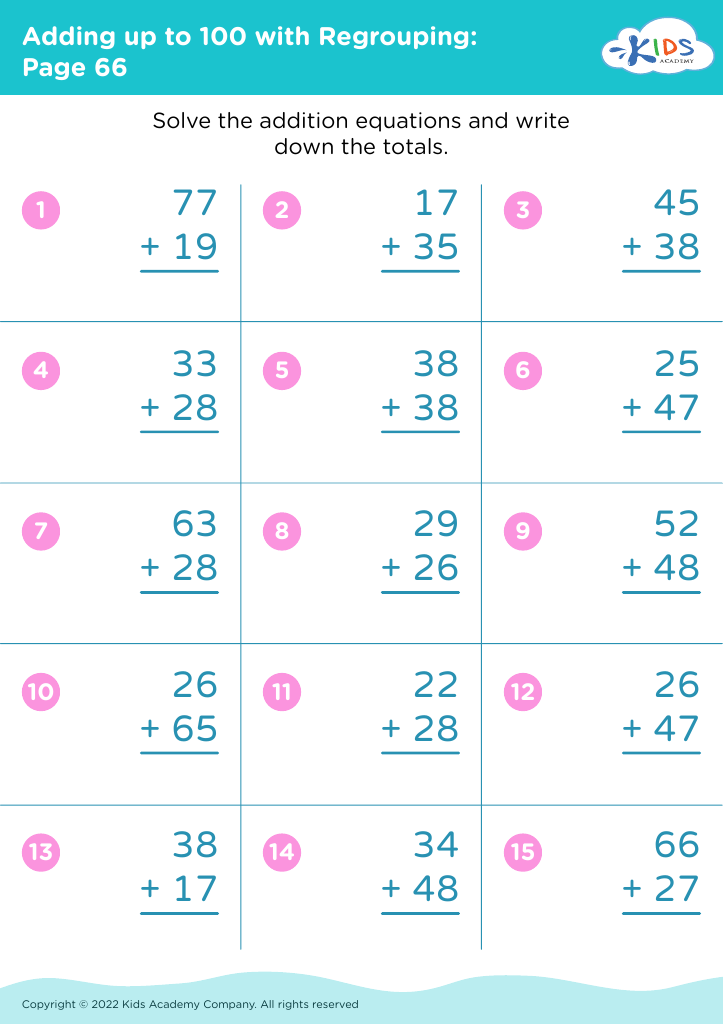
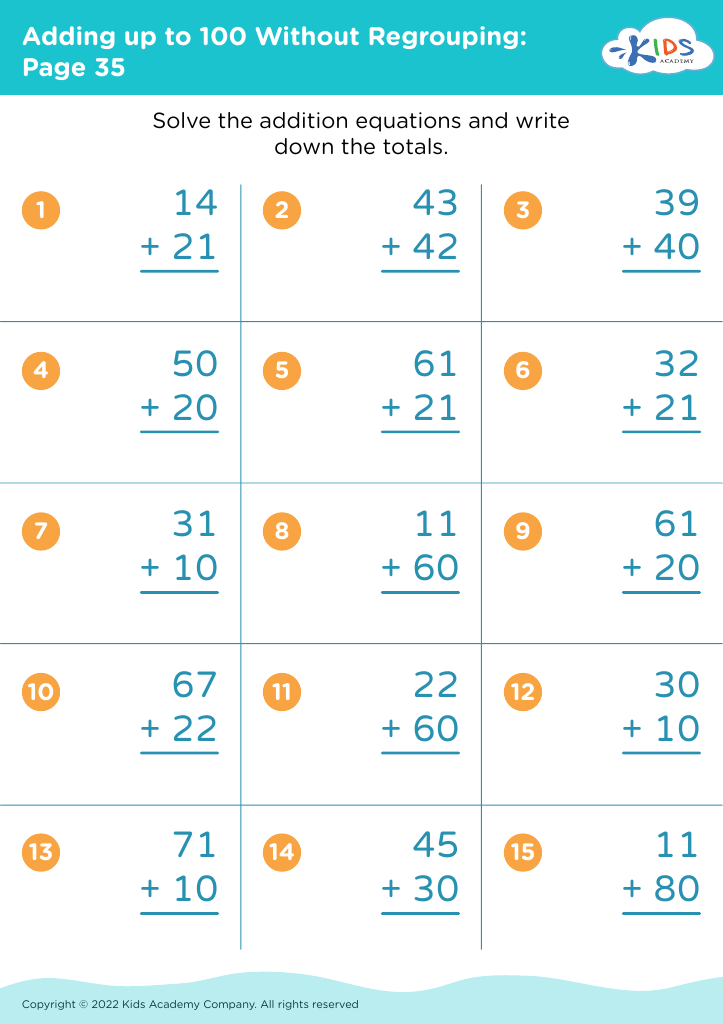
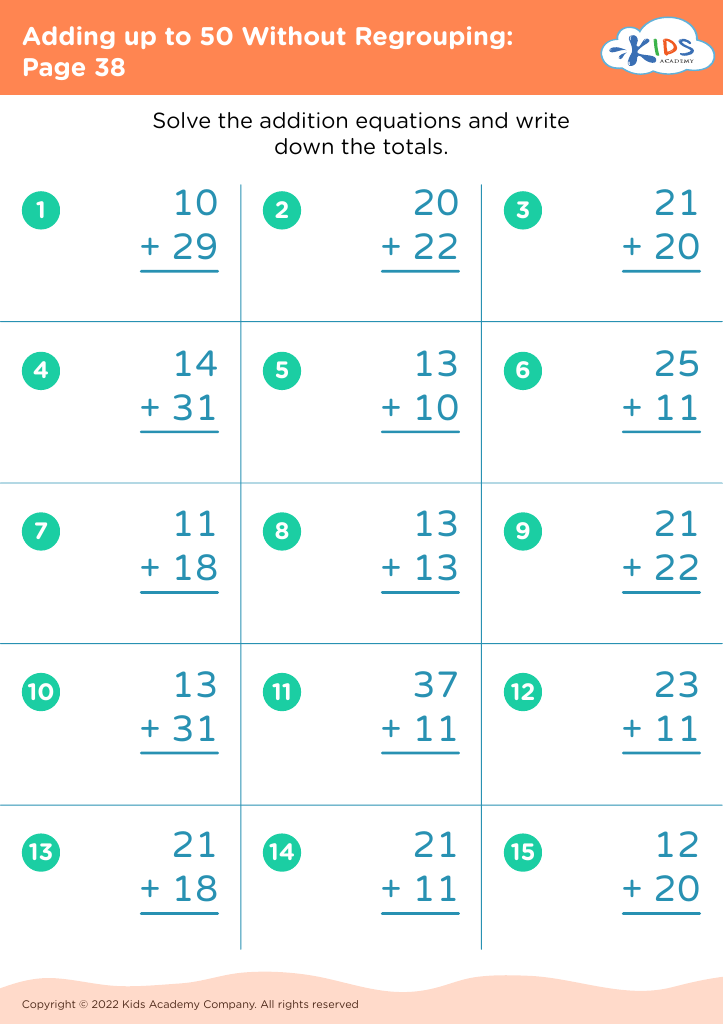
Boost your child's critical thinking and math abilities with our "Develop Inference Skills Addition Worksheets for Ages 3-8." These engaging worksheets combine fun addition exercises with activities that encourage kids to make logical inferences based on the given scenarios. Designed by education experts, each worksheet challenges young learners to solve problems while strengthening their reasoning and analytical skills. Perfect for preschool to second-grade students, our worksheets make learning addition both enjoyable and educational. Help your child develop a solid foundation in math and critical thinking with our expertly crafted resources. Download today and watch them thrive!
Favorites
With answer key
Interactive
Join Kids Academy for Free
Who is primarily going to use this learning content?








Developing inference skills in children aged 3-8 is crucial as it lays the foundation for higher-level thinking necessary for both academic success and real-life problem-solving. Inference skills involve making educated guesses based on available information, leading to better comprehension and decision-making.
Firstly, these skills enhance reading comprehension. Children learn to go beyond the text, understand implicit meanings, and draw conclusions, making reading a richer, more engaging activity. This ability helps them excel in subjects across the curriculum.
Secondly, inference skills empower critical thinking. Youngsters learn to assess situations, predict outcomes, and think independently. For example, when they infer why a character in a story feels a certain way, they're learning empathy and emotional intelligence.
Parents and teachers should care because these formative years offer a window of high neuroplasticity—children's brains are especially receptive to learning new skills. Integrating inference training into everyday activities, like reading or discussing simple scenarios, makes it a natural part of their cognitive development.
Lastly, inference skills encourage curiosity and lifelong learning. When kids are skilled at making inferences, they're more likely to be inquisitive, ask questions, and seek deeper understanding in new situations, whether academic or social.
In summary, nurturing inference skills from a young age equips children with essential tools for academic success and effective daily life navigation.








