Fine Motor Skills Addition Worksheets for Ages 3-8 - Page 2
69 filtered results
-
From - To
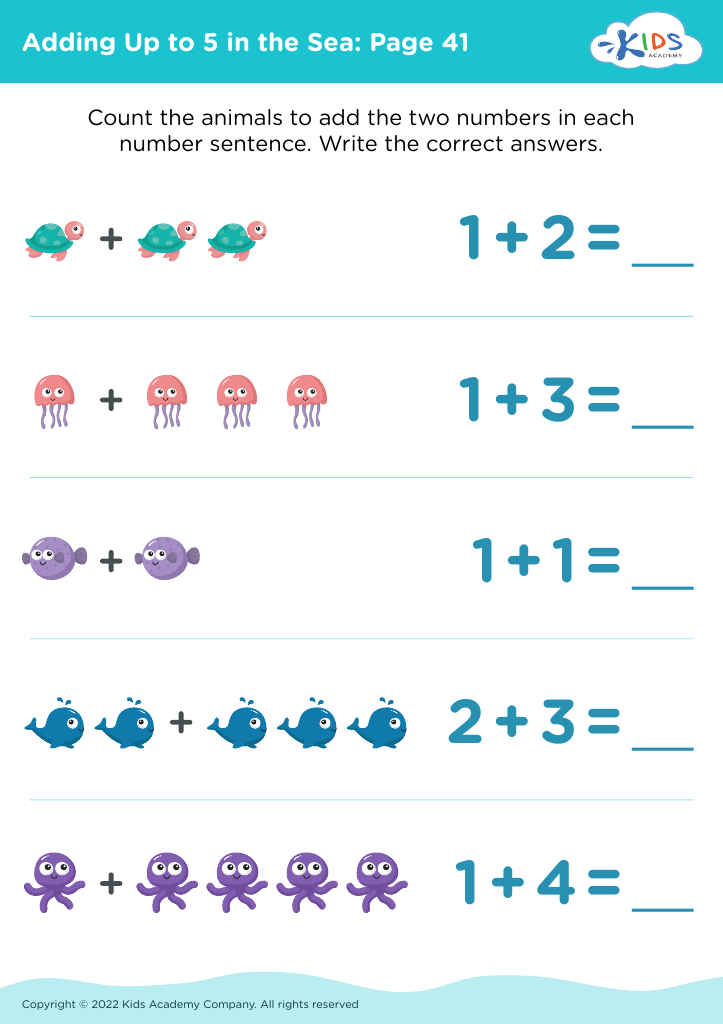
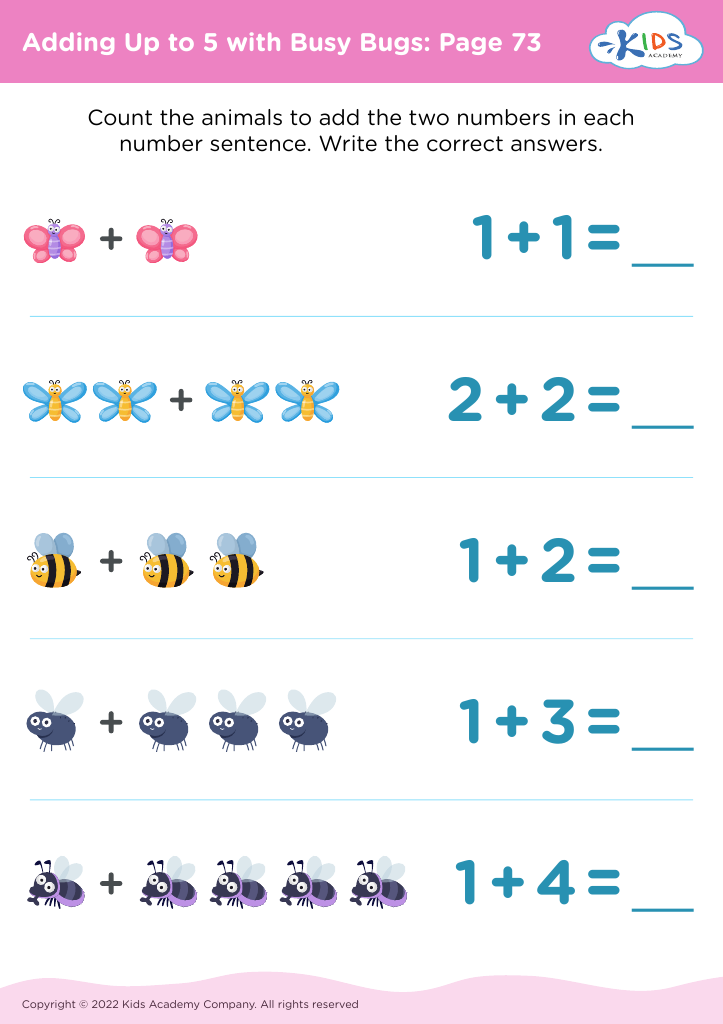
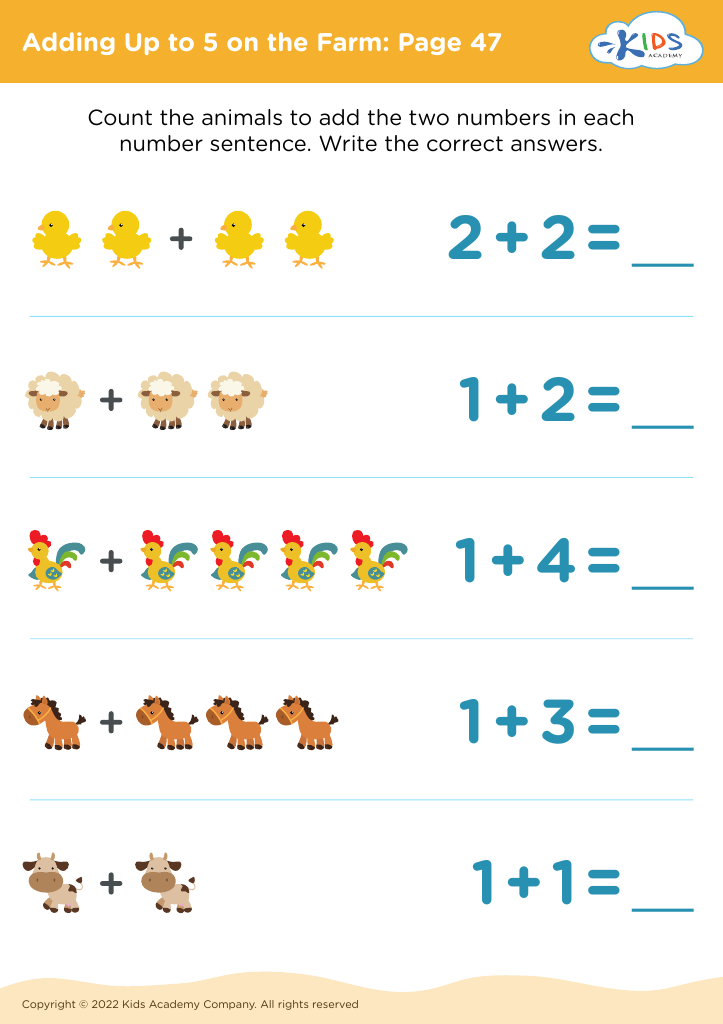
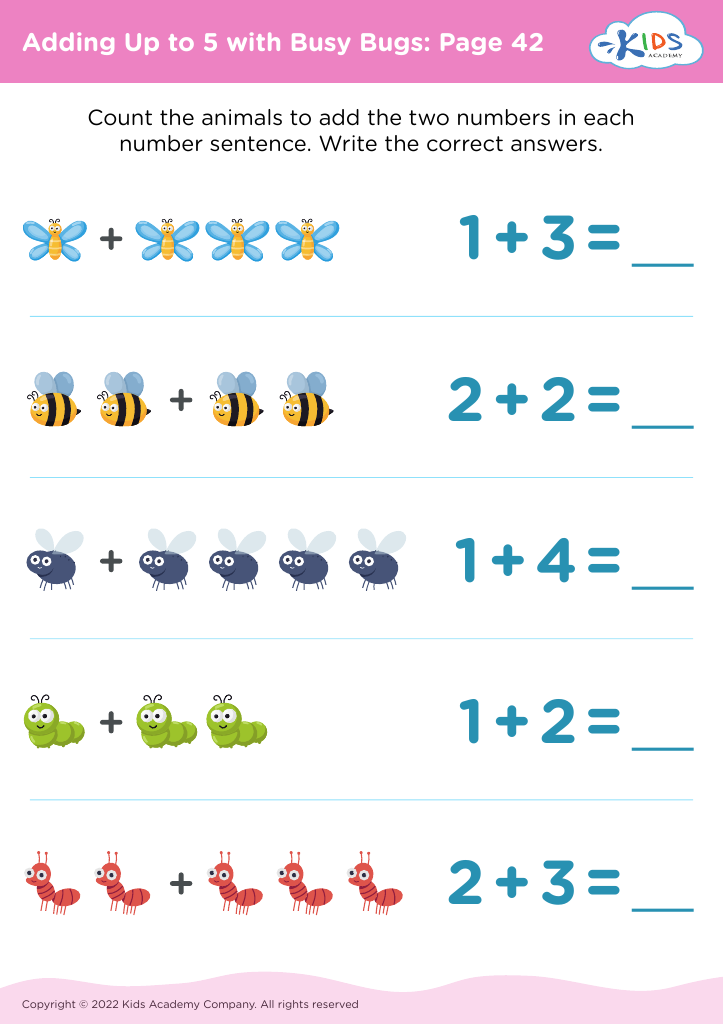
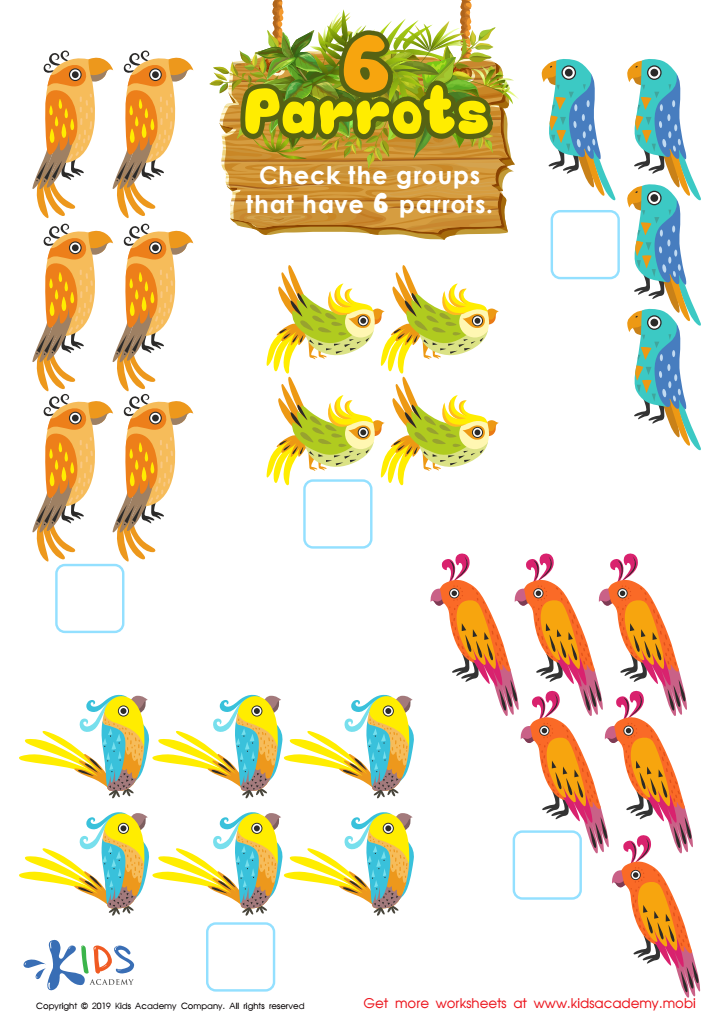
6 Parrots Worksheet
 Assign to My Students






.jpg)
Fine motor skills are crucial for children's overall development, especially for those aged 3-8. These skills involve the coordination of small muscles in the hands and fingers, which are essential for various everyday tasks such as writing, using utensils, and tying shoelaces. By focusing on fine motor skills, parents and teachers can help children build a strong foundation for academic tasks, promote independence, and enhance self-confidence.
Engaging in activities that promote fine motor development, such as drawing, cutting, or assembling puzzles, allows children to improve hand-eye coordination and dexterity. These skills are directly linked to later academic success, particularly in literacy and mathematics. Fine motor proficiency influences a child’s ability to hold a pencil correctly, which affects handwriting and overall task execution in the classroom.
Additionally, fine motor activities foster cognitive development as children learn to plan, problem-solve, and practice patience and perseverance. Furthermore, parents and teachers who prioritize fine motor skill development empower children to explore their creativity and build resilience through practice. Ultimately, nurturing fine motor skills contributes to holistic growth, setting children up for success in school and life beyond these formative years.








