Observational skills Addition Worksheets for Ages 3-8
5 filtered results
-
From - To
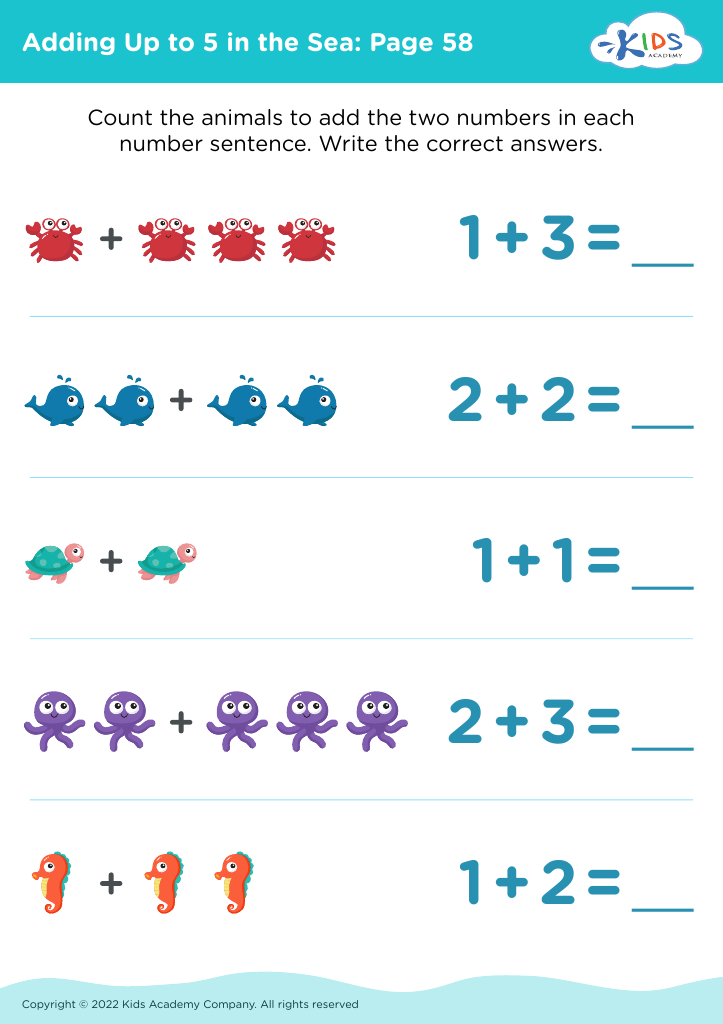
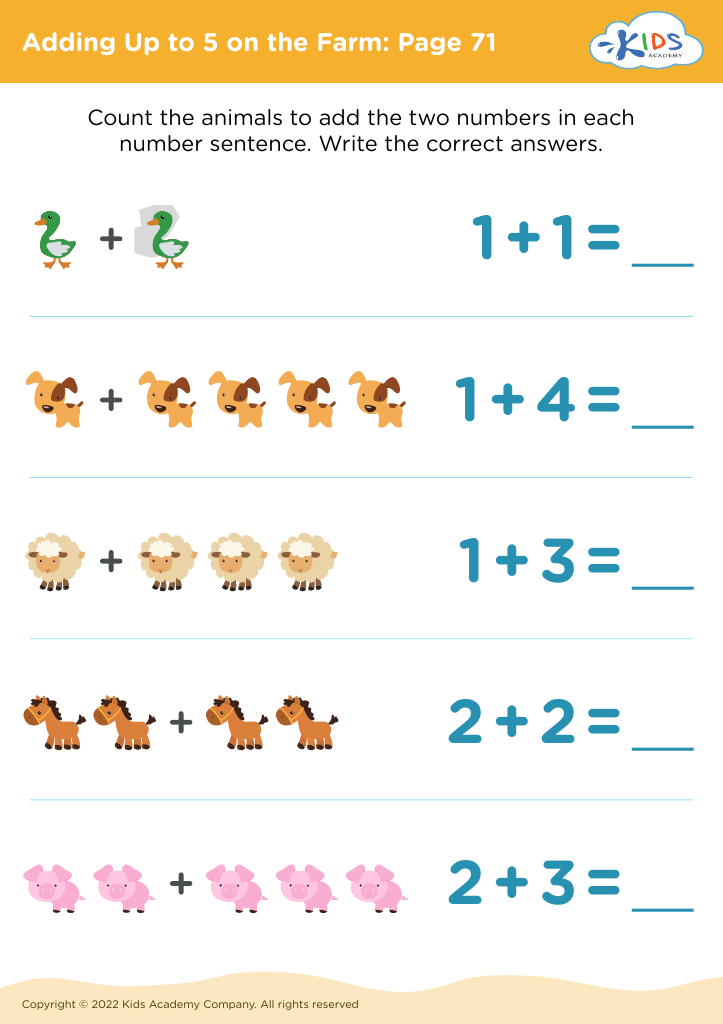
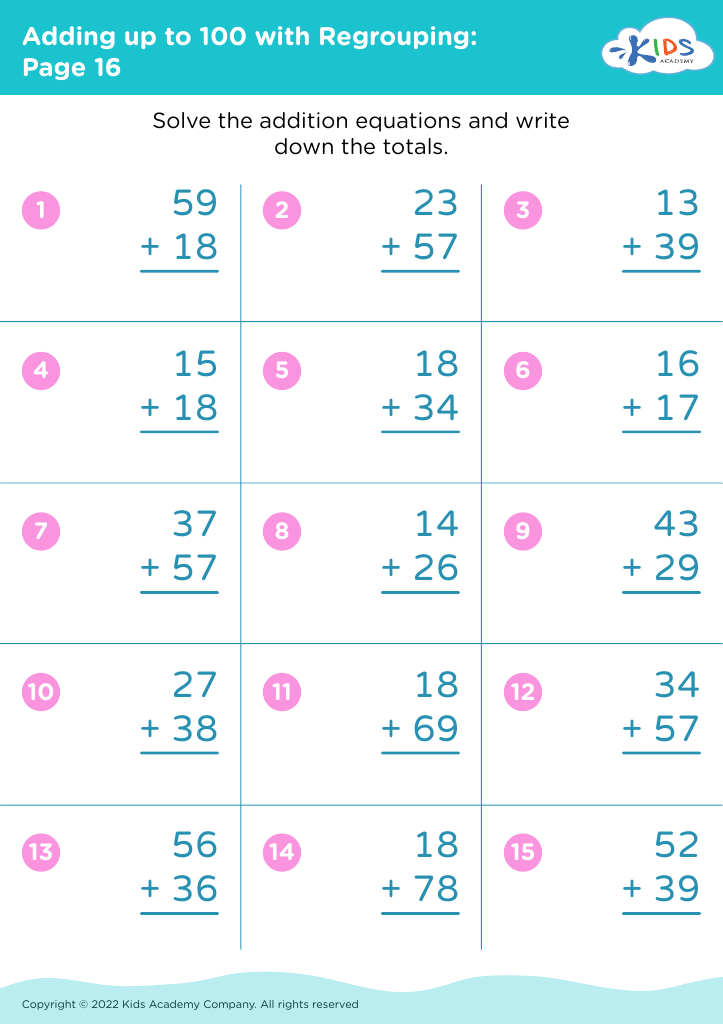
Unlock the potential in young minds with our "Observational Skills Addition Worksheets for Ages 3-8." Designed by expert educators, these worksheets blend fun and learning to develop essential observational skills and foundational math abilities. Children will engage in exciting activities that require spotting patterns, counting objects, and solving simple addition problems. Perfect for preschoolers through early elementary students, these worksheets help kids enhance their focus, build confidence, and foster a love for math. Ideal for classroom use or at-home practice, they are a fantastic resource to prepare your child for academic success. Engage, observe, and add with joy!
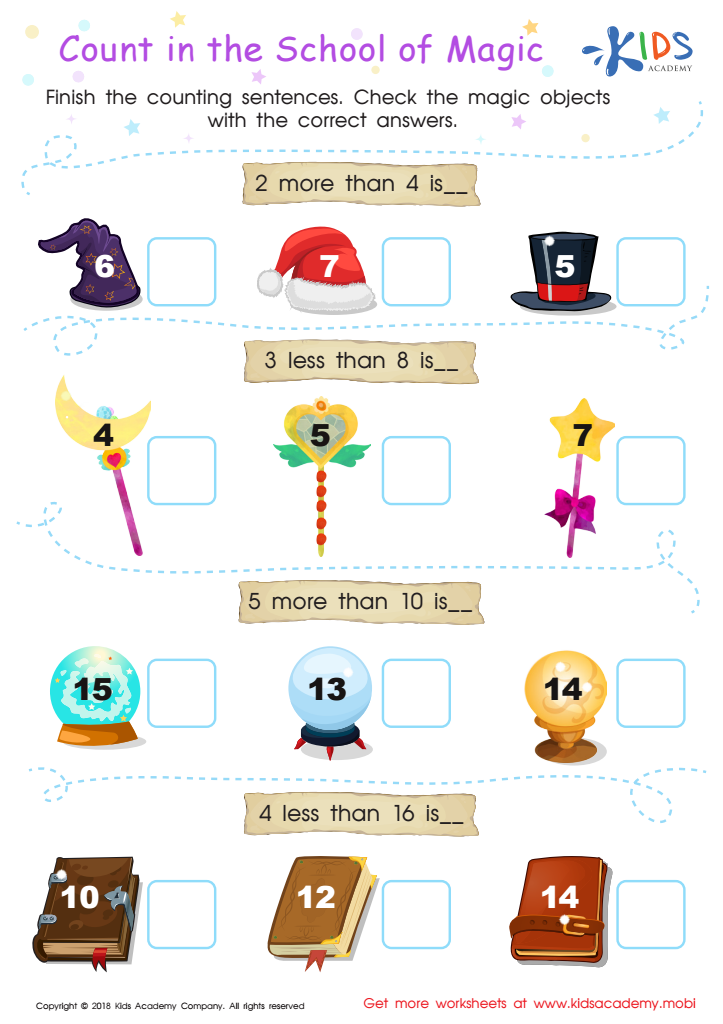
Count in the School of Magic Worksheet
 Assign to My Students








Observational skills are crucial for young children aged 3-8 because they form the foundation for learning and cognitive development. When parents and teachers emphasize the development of these skills, they set children up for academic success and overall life skills. Observational skills help children notice details, understand patterns, and analyze their environment, which are essential for problem-solving and critical thinking.
In the early grades, kids who can keenly observe tend to grasp new concepts more quickly and make connections between what they learn at school and the real world. For example, observing how plants grow can help them understand basic biological processes, while noting patterns in a story can improve their reading comprehension.
Furthermore, strong observational skills aid in emotional and social development. By watching and understanding the behaviors, expressions, and reactions of others, children learn empathy and effective communication skills. They become more adept at reading social cues, which improves their ability to form positive relationships.
Teachers can incorporate observational activities like nature walks, show-and-tell, and interactive storytelling to boost these skills. Parents can likewise engage children in daily activities like cooking, shopping, and family outings, where they can observe and discuss what they see. By nurturing observational skills early, caregivers provide children with tools vital for their future education and interpersonal success.








