Problem-Solving Skills Addition Worksheets for Ages 3-8 - Page 2
149 filtered results
-
From - To
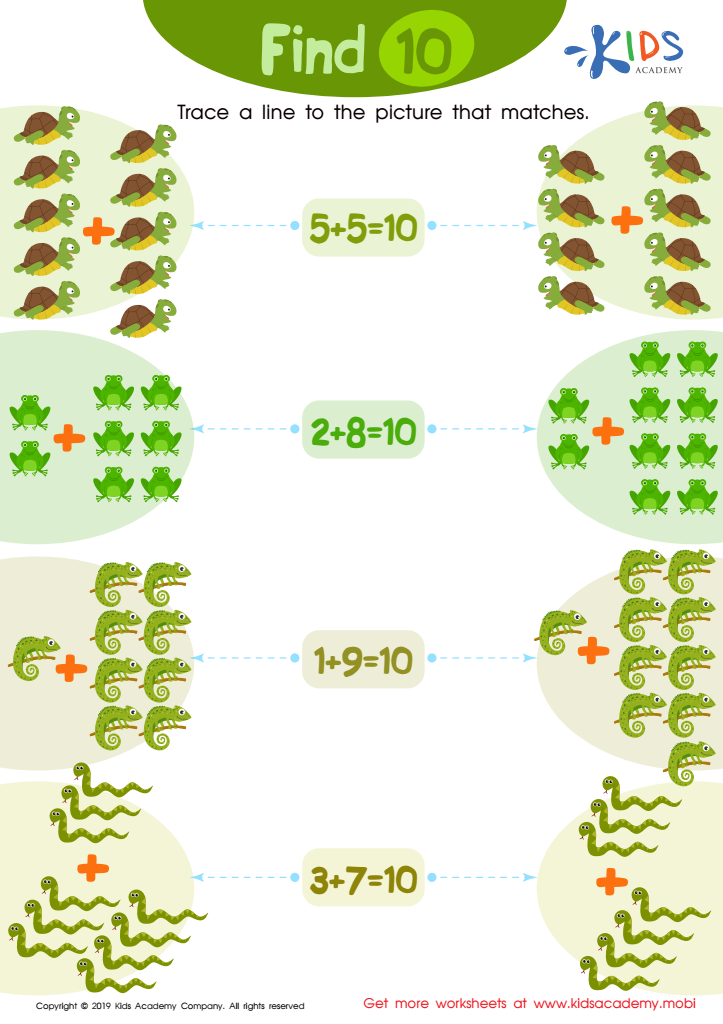
Find 10 Worksheet
 Assign to My Students
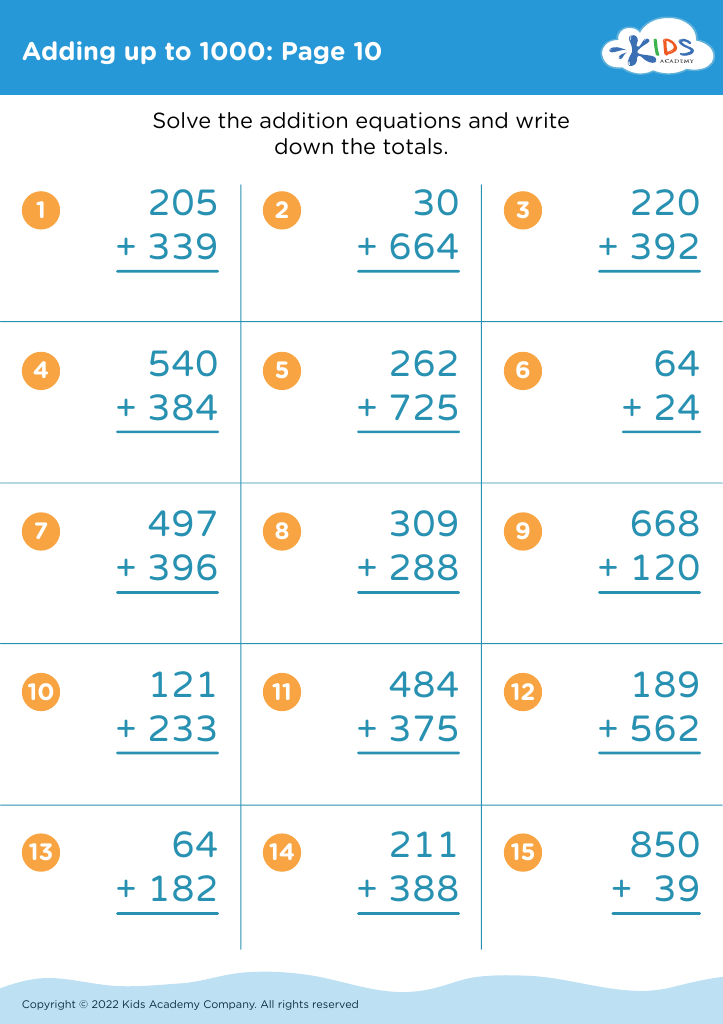
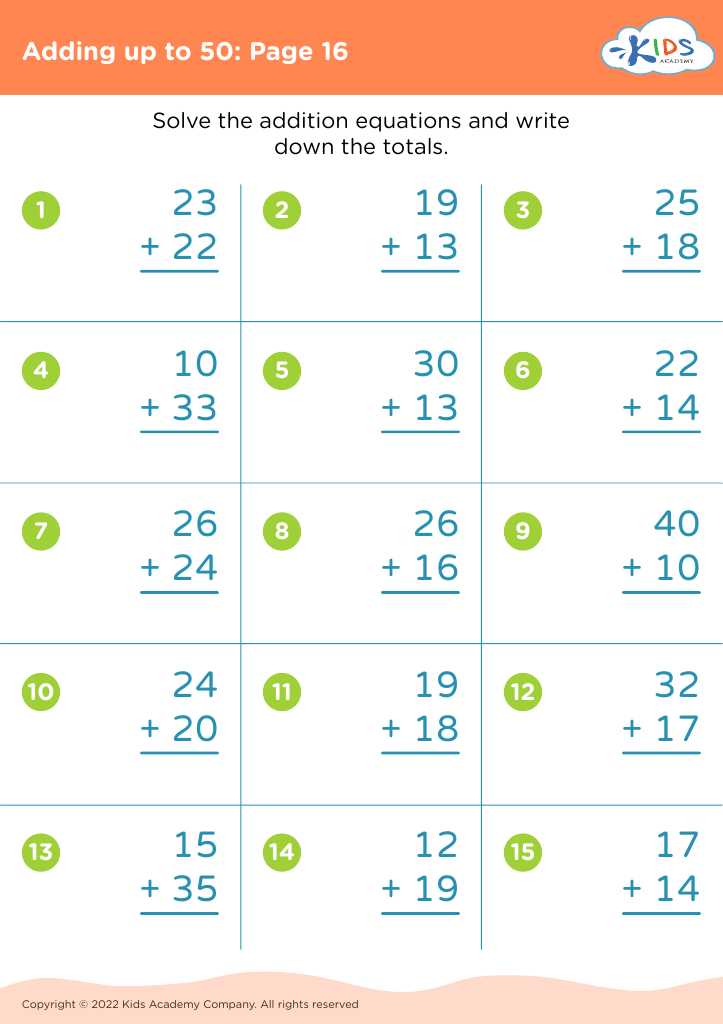
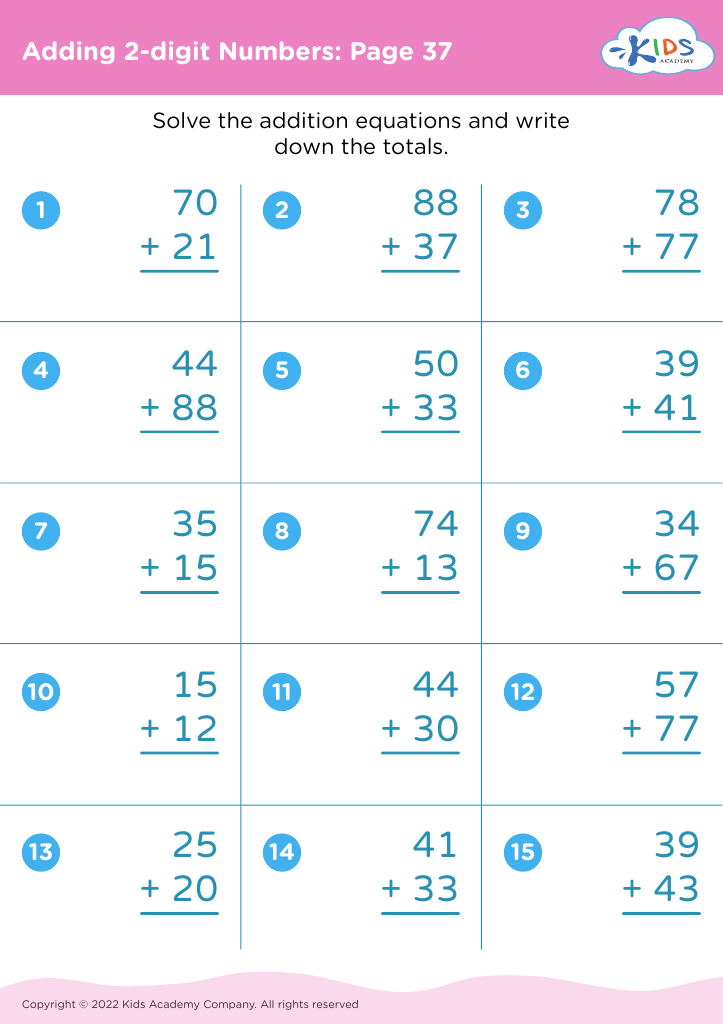
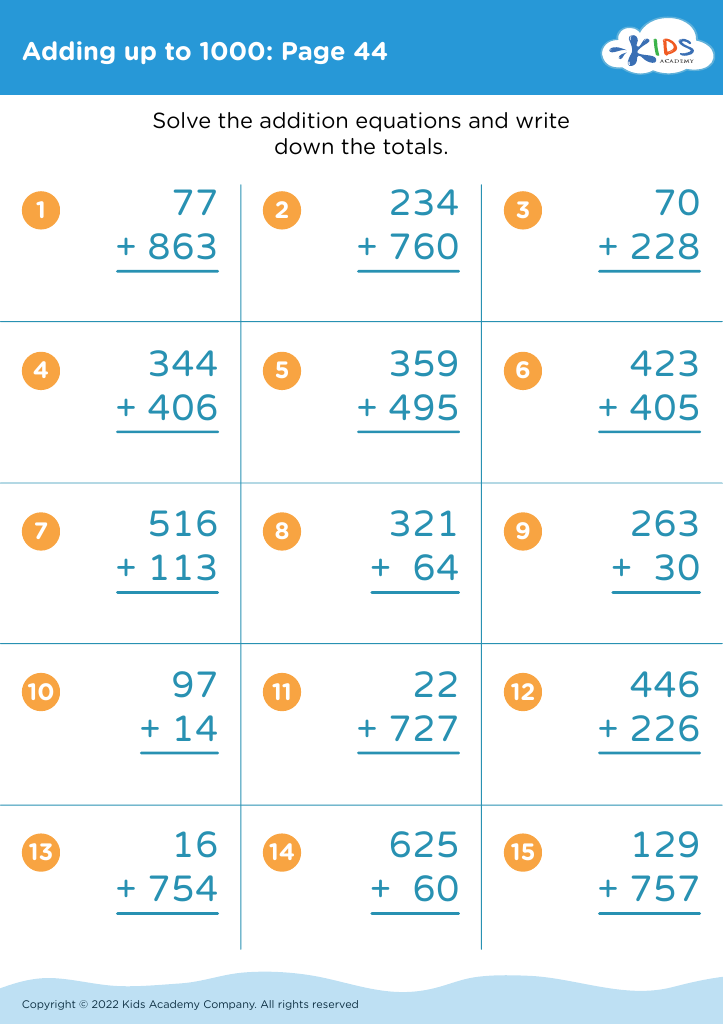
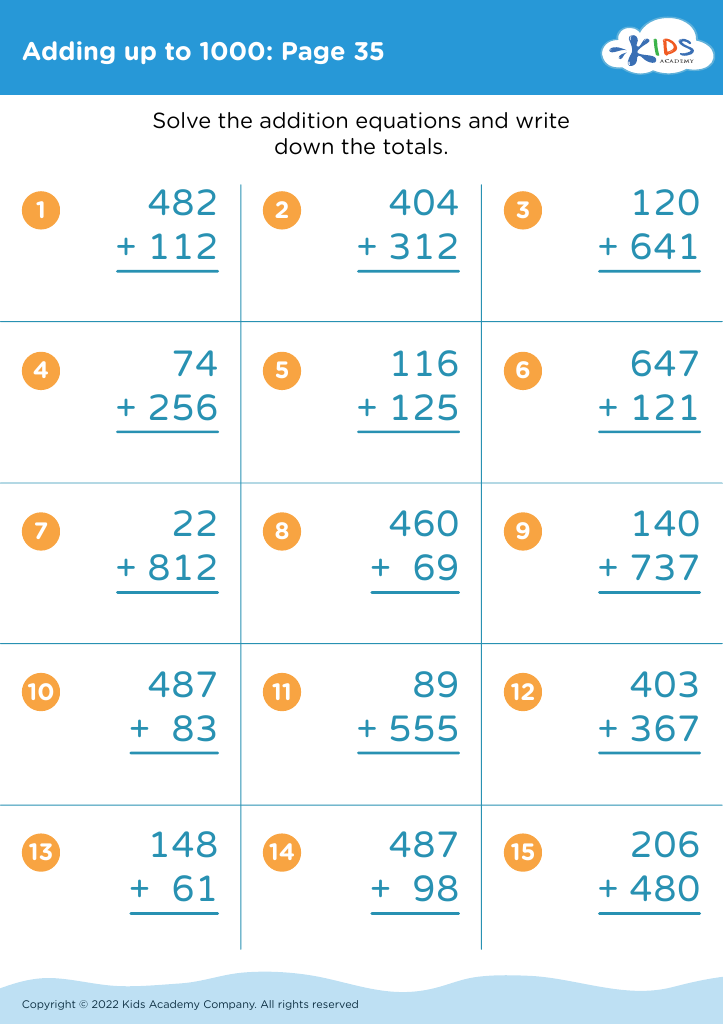
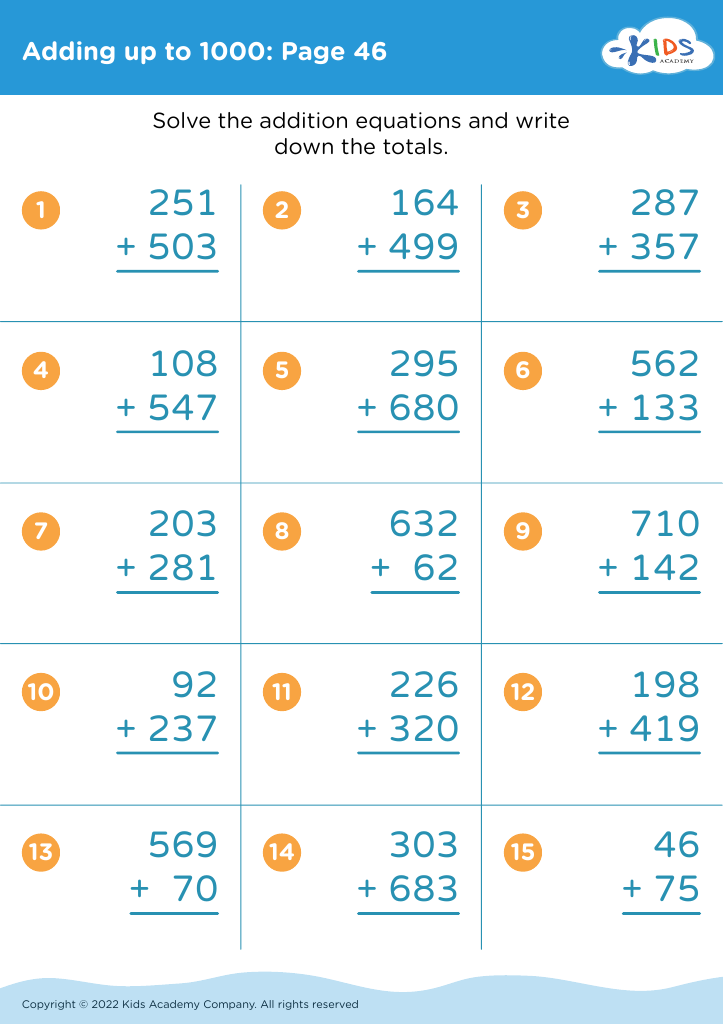
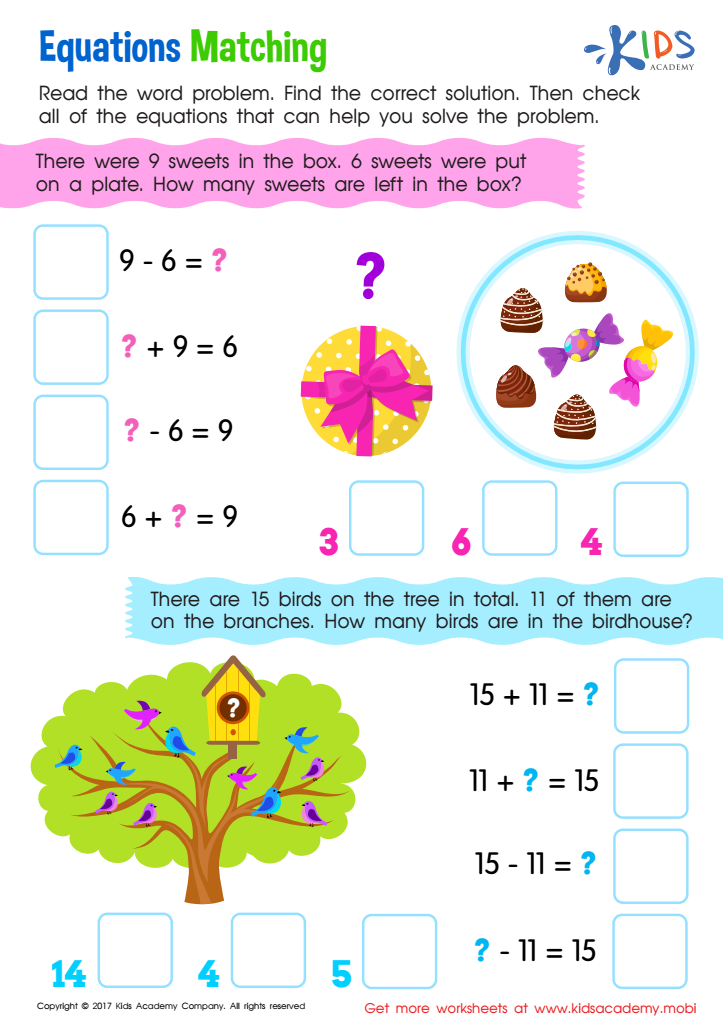
Equations Matching Word Problems Worksheet
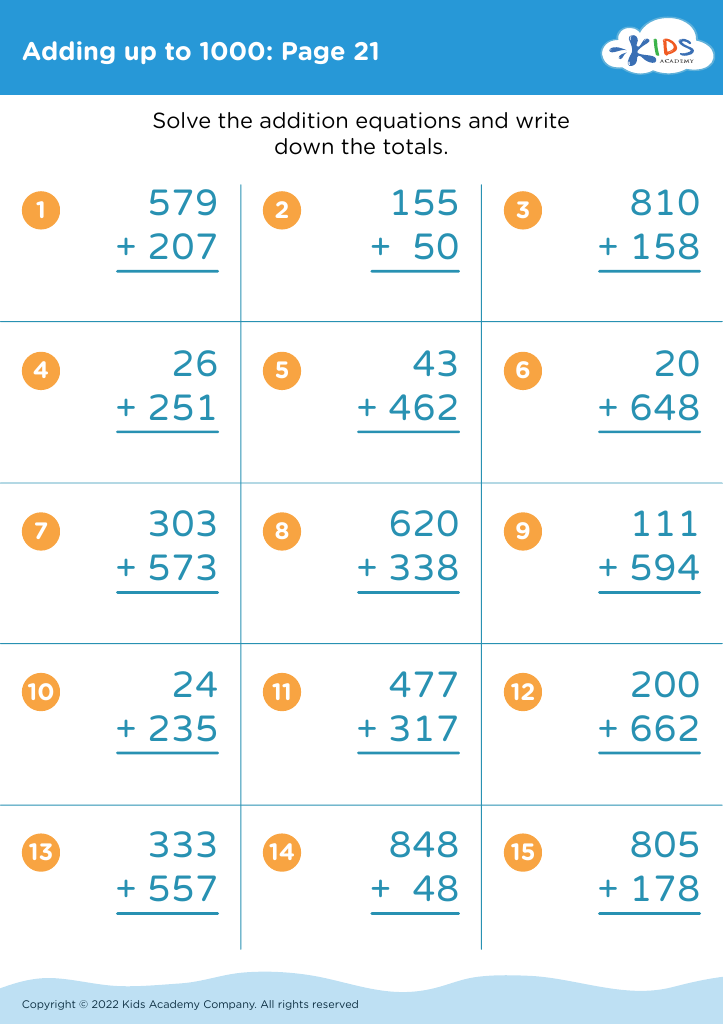
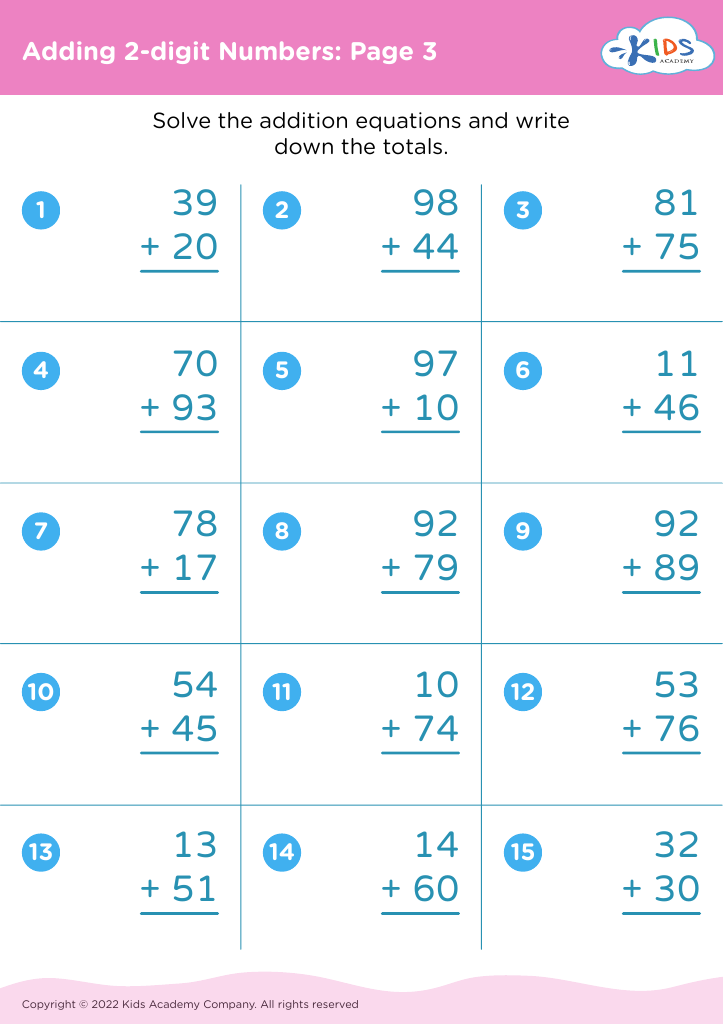
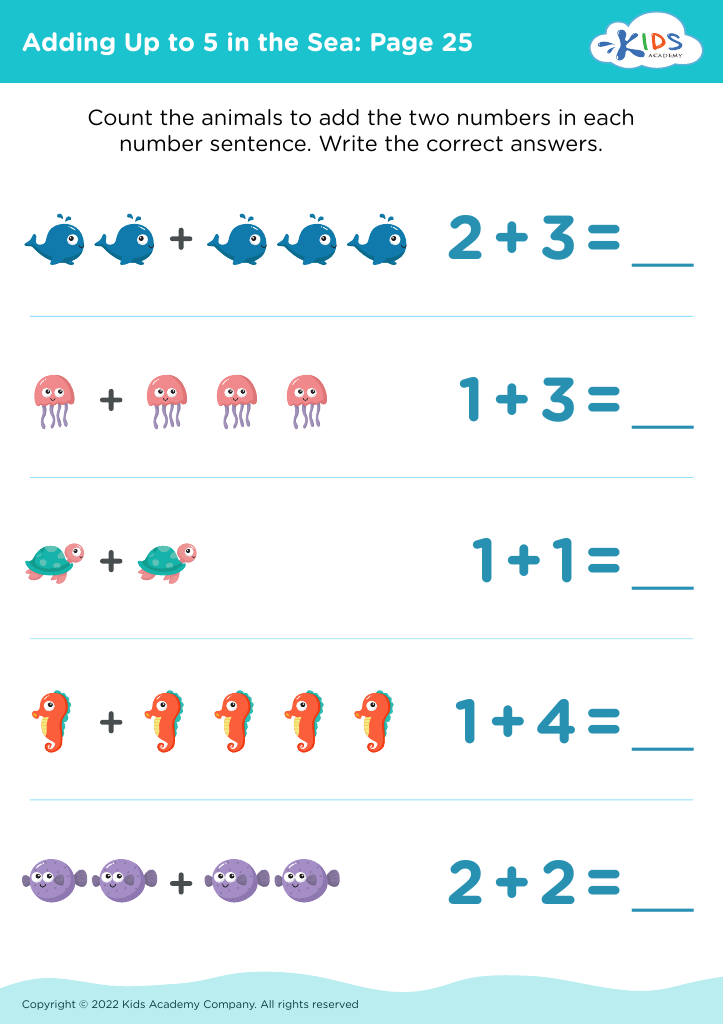
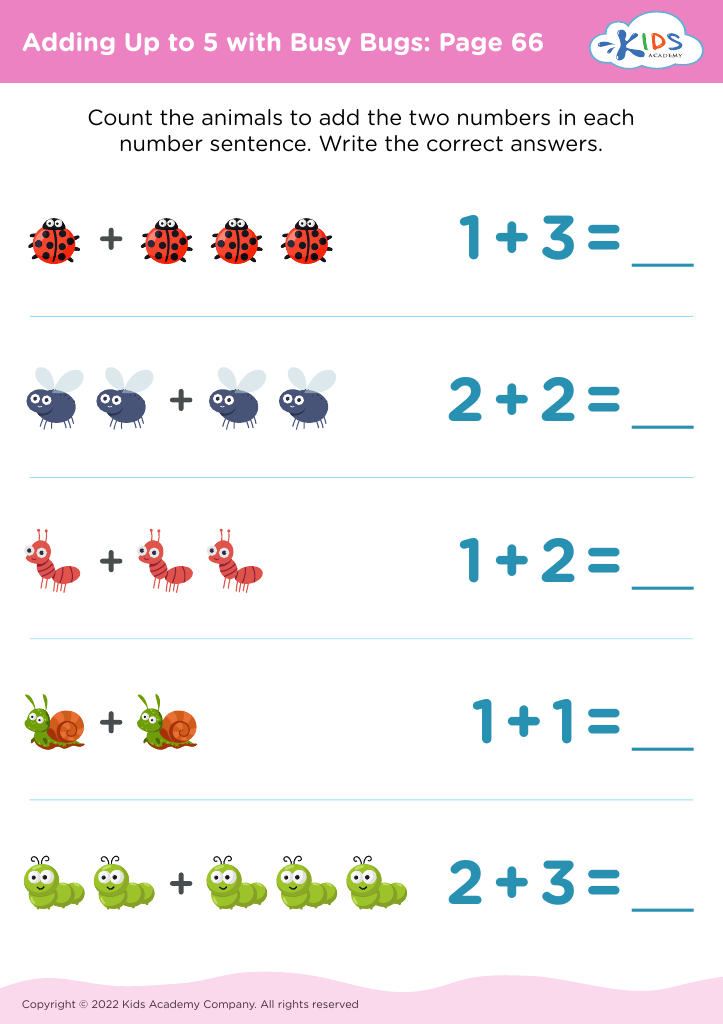
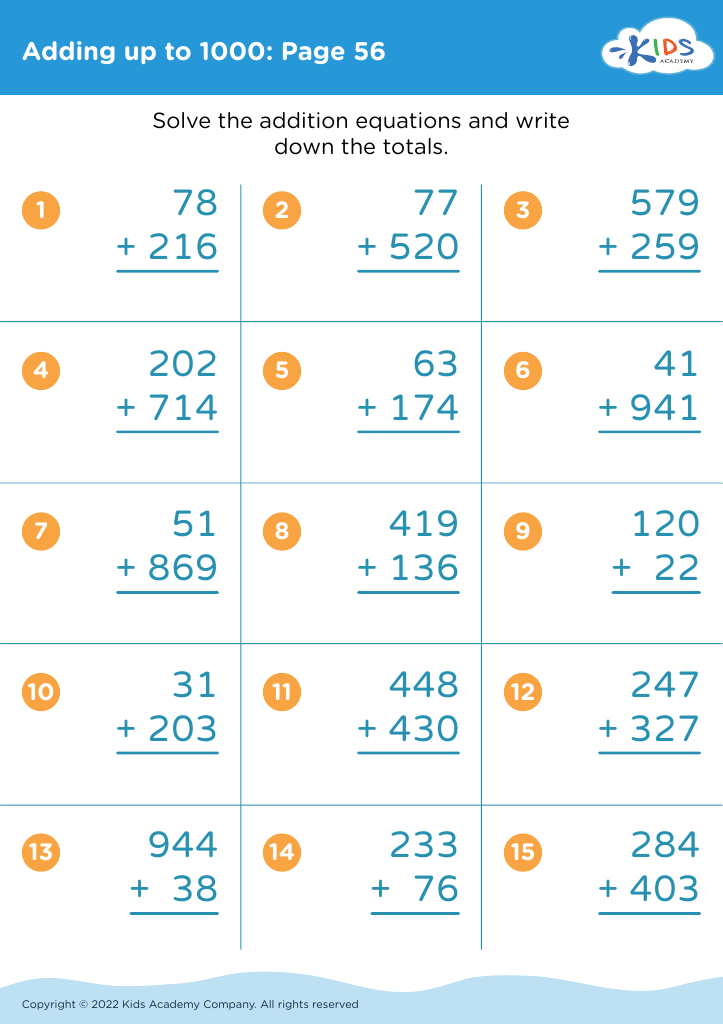
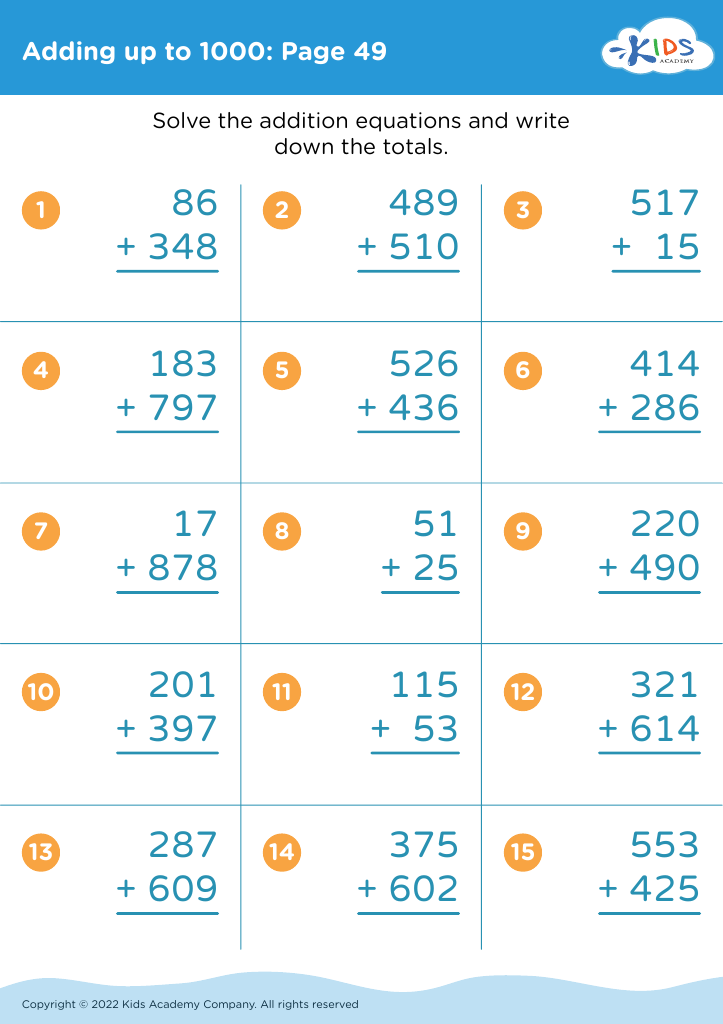
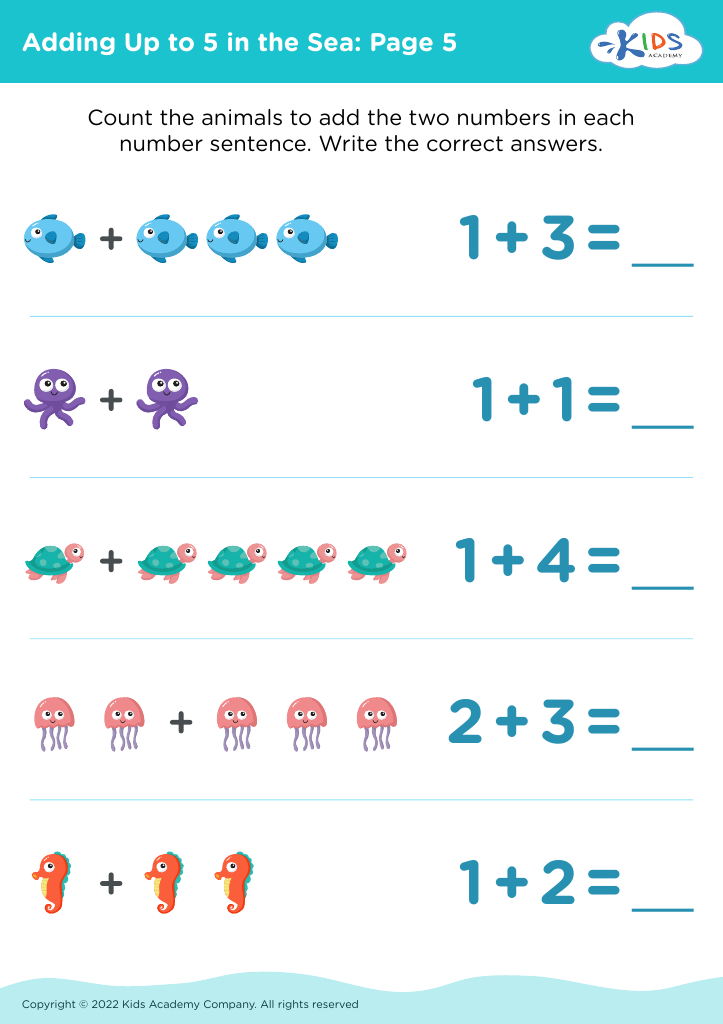
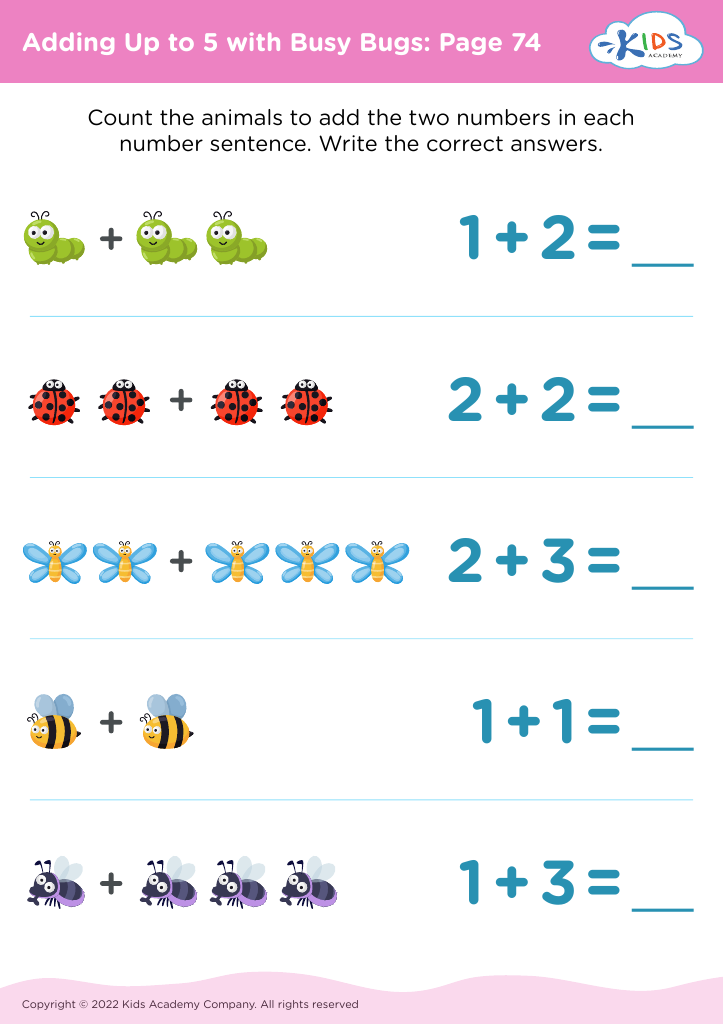
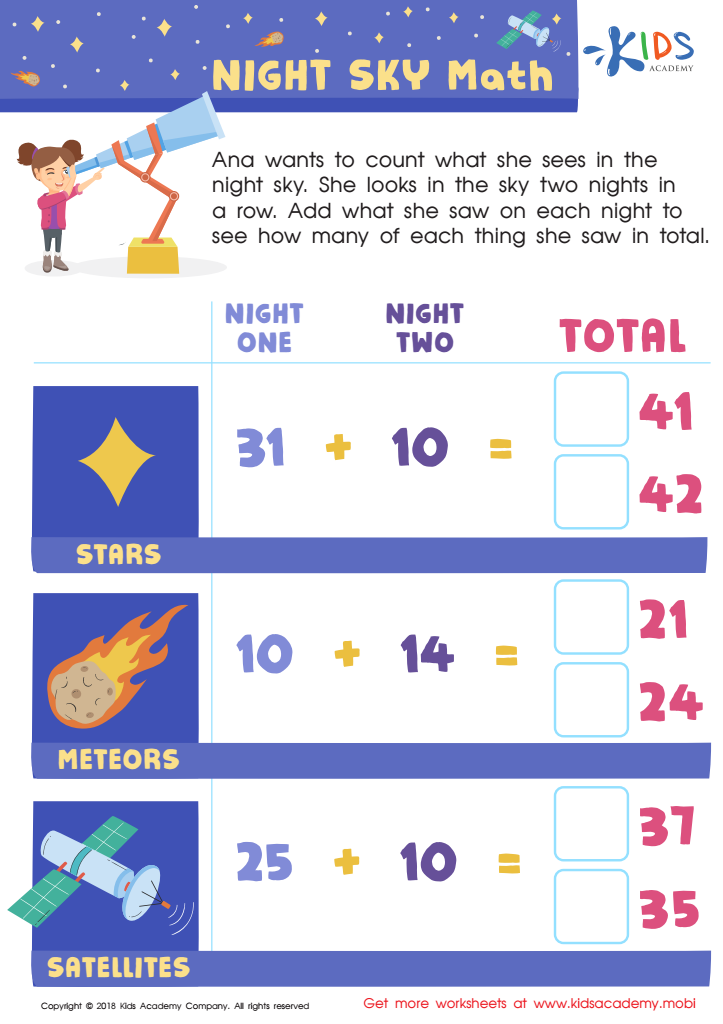
Night Sky Math Worksheet







Problem-solving skills are vital in early childhood because they lay the foundation for critical thinking, adaptability, and resilience. For ages 3-8, encompassing preschool through the early grades, these skills foster cognitive growth and independence. When children tackle problems, even as simple as a puzzle or figuring out how to share toys, they learn to assess situations, identify solutions, and make decisions.
For parents and teachers, focusing on problem-solving skills enhances learning across all subjects. When children are faced with academic challenges—whether in math, reading, or science—problem-solving abilities enable them to think logically and seek solutions rather than give up. This boosts their confidence and keeps them engaged.
Furthermore, problem-solving skills support social development. Children learn how to navigate friendships, manage conflicts, and communicate effectively. These soft skills are important indicators of emotional intelligence, which is just as critical as academic success.
Early emphasis on problem-solving equips children with lifelong skills. By encouraging curiosity, perseverance, and analytical thinking, parents and teachers help children to become autonomous learners and productive members of society. Modeling and guiding problem-solving at this formative stage establish a strong educational groundwork, unlocking children’s potential and preparing them for future challenges.








