
Visual perception improvement Addition Worksheets for Ages 3-8
7 filtered results
Difficulty Level
Grade
Age
-
From - To
Subject
Activity
Standards
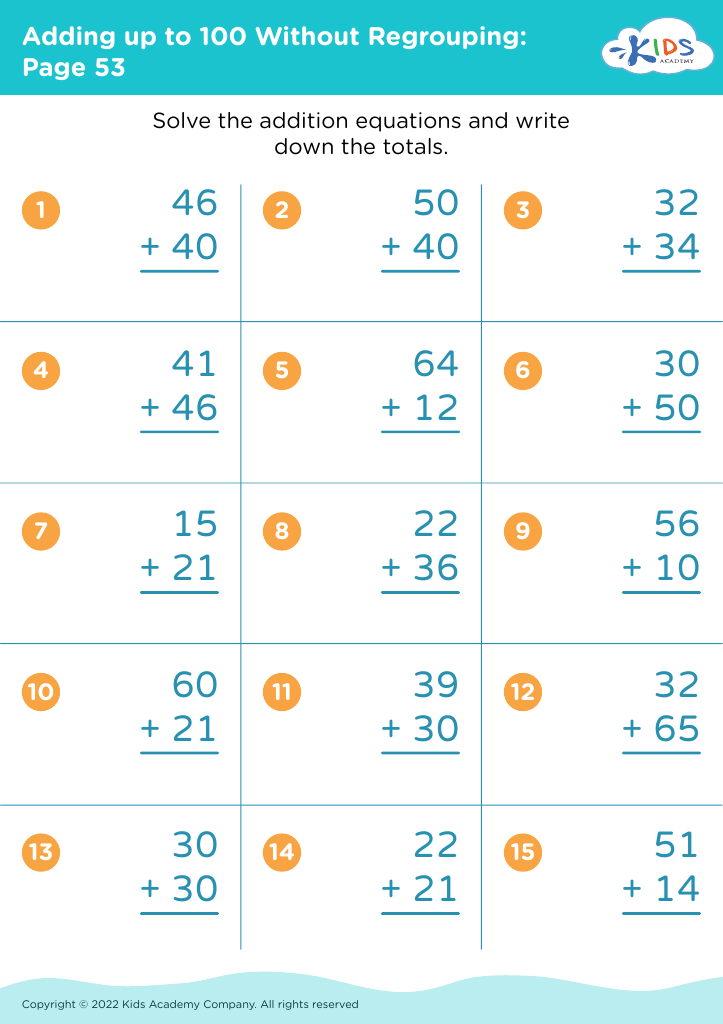
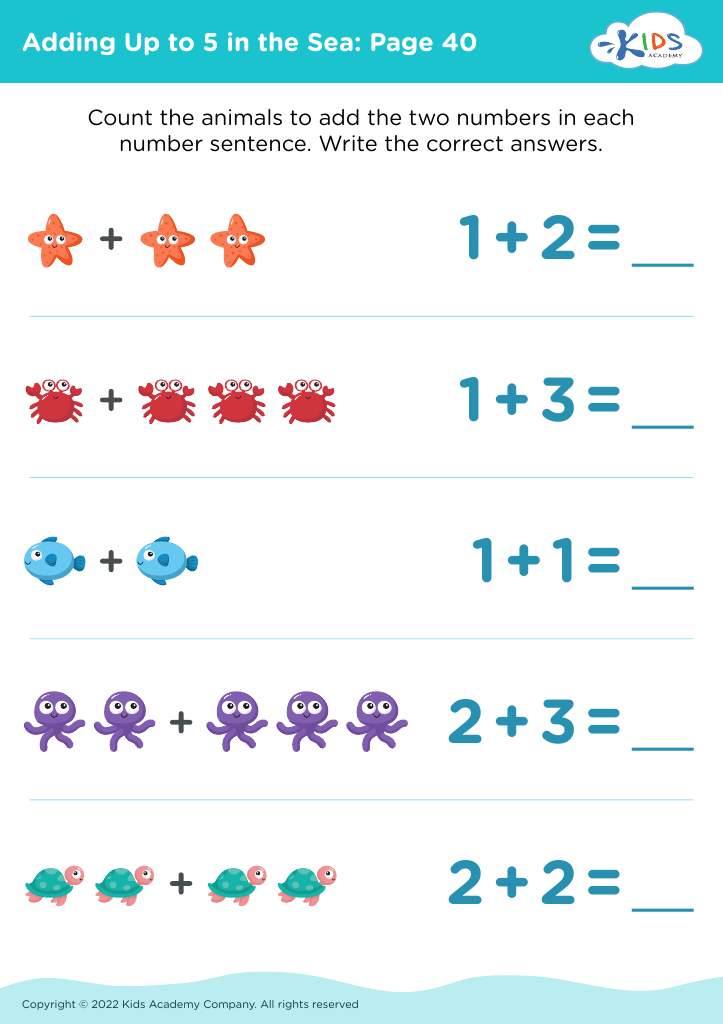
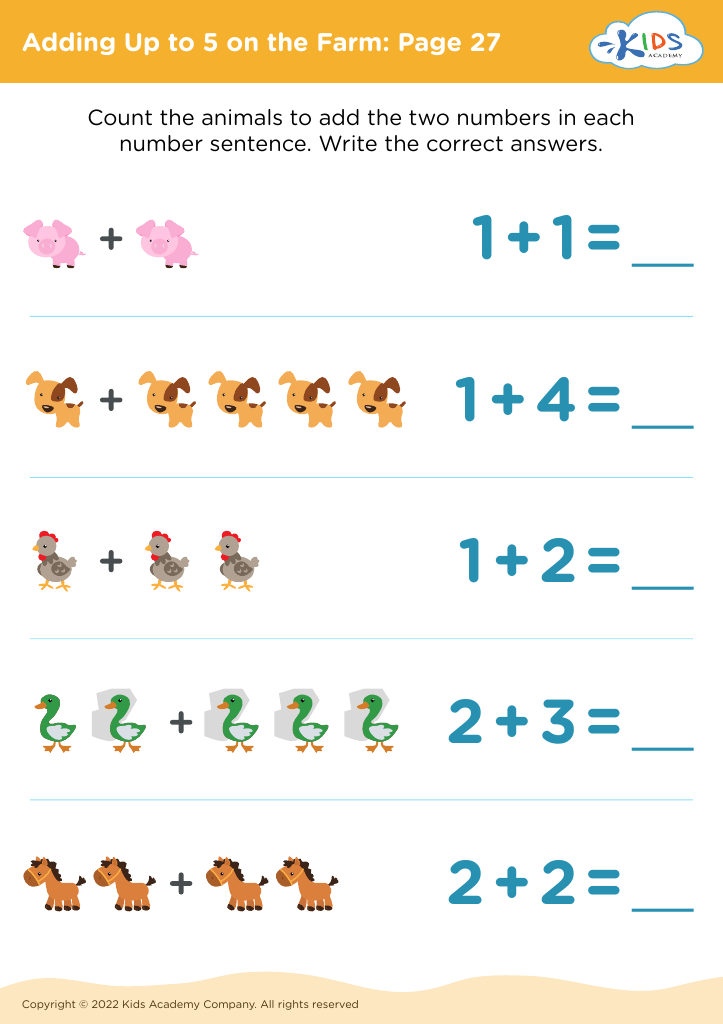
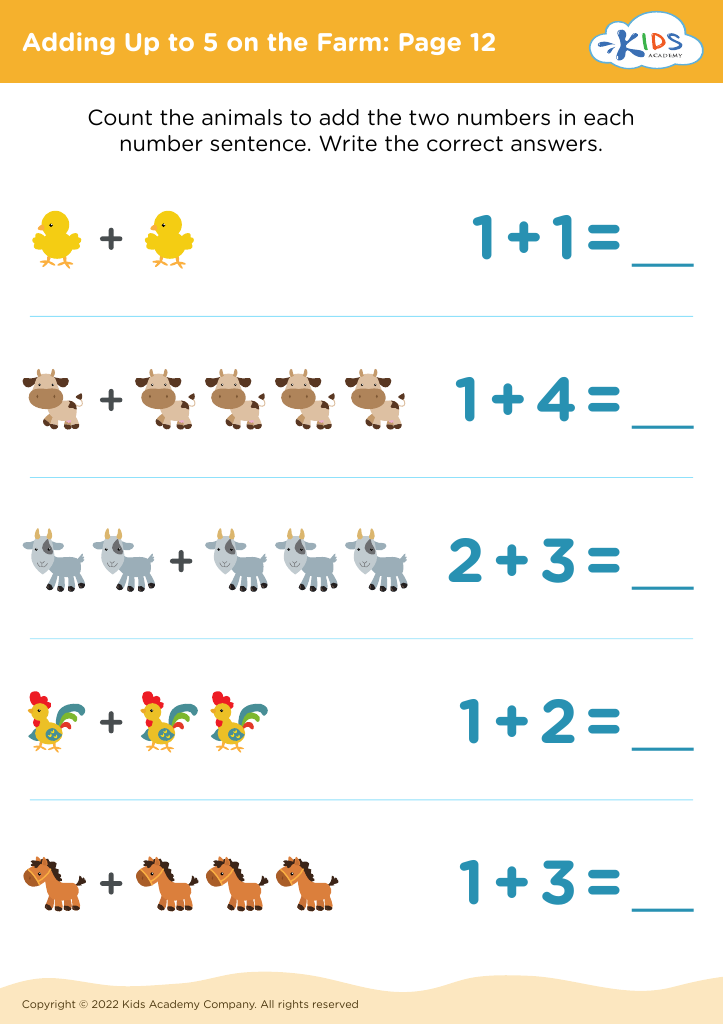
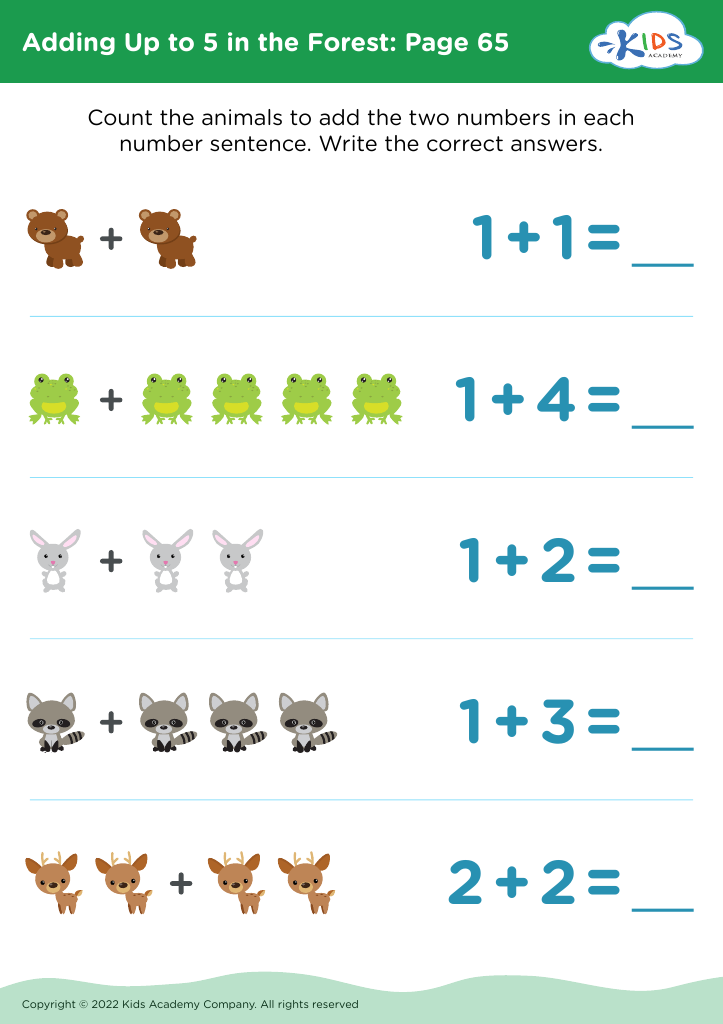
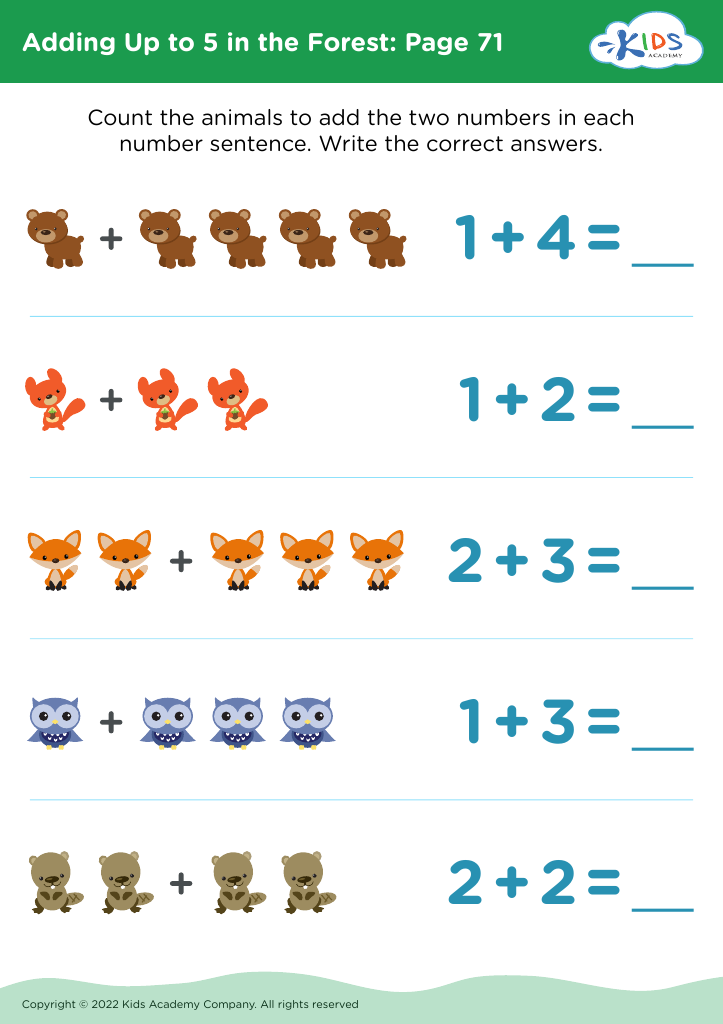
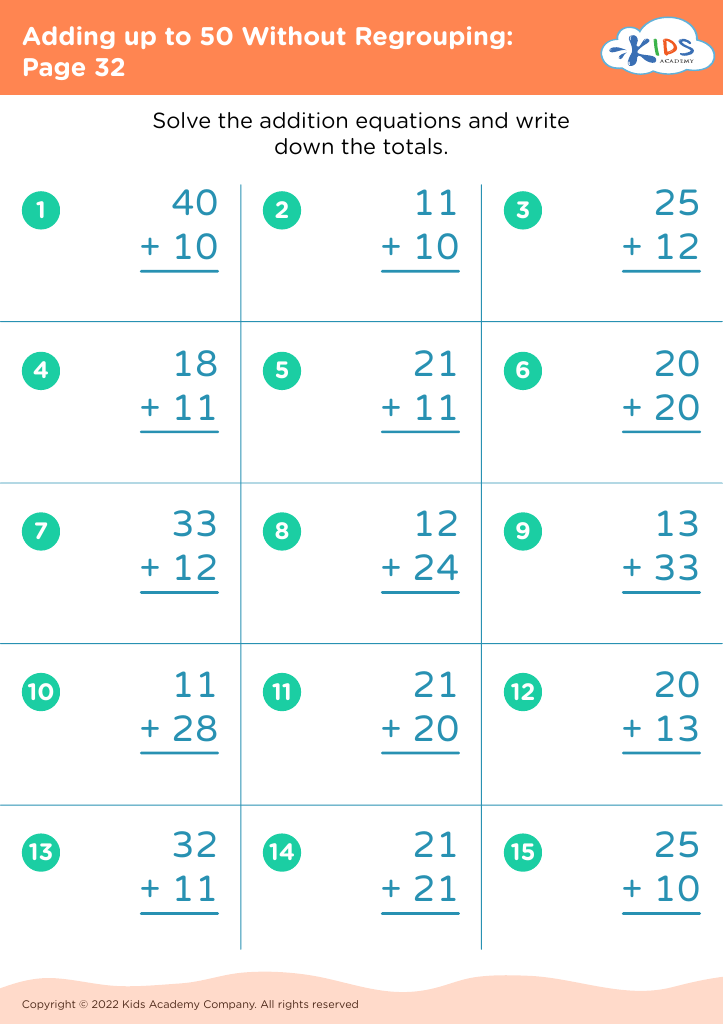
Boost your child's math skills and visual perception with our engaging addition worksheets specially designed for ages 3-8. Our worksheets make learning fun and interactive by combining colorful illustrations and age-appropriate addition problems. These exercises not only teach basic math but also enhance your child's visual perception abilities, critical for reading and writing development. Each worksheet is crafted to support cognitive growth, hand-eye coordination, and problem-solving skills. Perfect for both classroom and home use, our visual perception improvement addition worksheets lay a strong foundation for your child's academic success and lifelong learning.
Favorites
With answer key
Interactive
Join Kids Academy for Free
Who is primarily going to use this learning content?








Visual perception is a crucial cognitive skill that allows children to make sense of and interpret what they see in the world around them. For ages 3-8, this skill is particularly important as it lays the groundwork for more complex learning and developmental milestones.
Improving visual perception can enhance a child's ability to recognize shapes, letters, and numbers, which are fundamental for reading, writing, and arithmetic. These early academic skills are often interconnected; for instance, identifying letters helps with understanding the relationship between sounds and symbols, crucial for literacy.
Better visual perception aids children in interpreting visual information correctly and can improve hand-eye coordination. This is essential not only for academic tasks like writing and drawing but also for everyday activities such as tying shoes or playing sports.
Additionally, strong visual perception skills can boost a child's confidence and independence. As children become more adept at interpreting their visual environment, they can engage more fully and effectively in classroom activities and play.
Therefore, parents and teachers should care about enhancing visual perception abilities because it supports holistic child development, including academic achievement, motor skills, and social interaction. Investing time and resources into activities that strengthen visual perception, such as puzzles and drawing exercises, is invaluable for a child’s growth during their formative years.








