Analyzing data Graphs Worksheets for Ages 3-8
5 filtered results
-
From - To
Discover our engaging "Analyzing Data Graphs Worksheets" designed specifically for children ages 3-8. These interactive worksheets help young learners build essential math skills by exploring various graph types, including bar graphs, pictographs, and line plots. With colorful visuals and fun scenarios, kids will practice interpreting data, recognizing patterns, and drawing conclusions in an enjoyable way. Perfect for home or classroom use, our resources promote critical thinking and enhance data literacy. Encourage your child's mathematical intuition and confidence as they embark on this exciting learning journey. Start exploring the world of data with our thoughtfully crafted worksheets today!
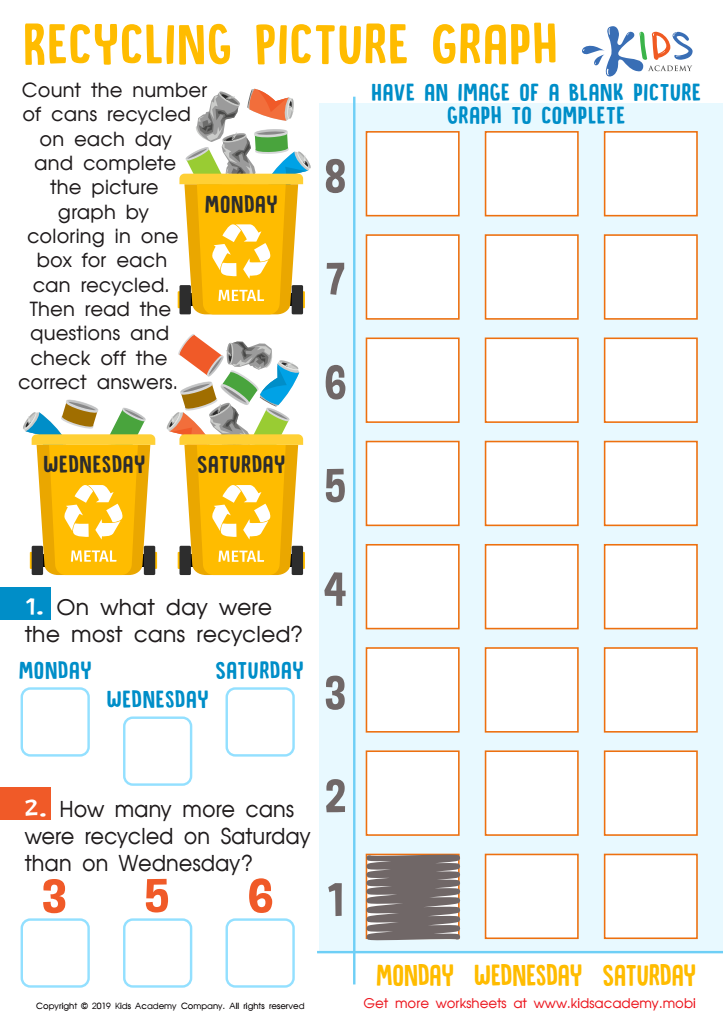
Recycling Picture Graph Worksheet
 Assign to My Students
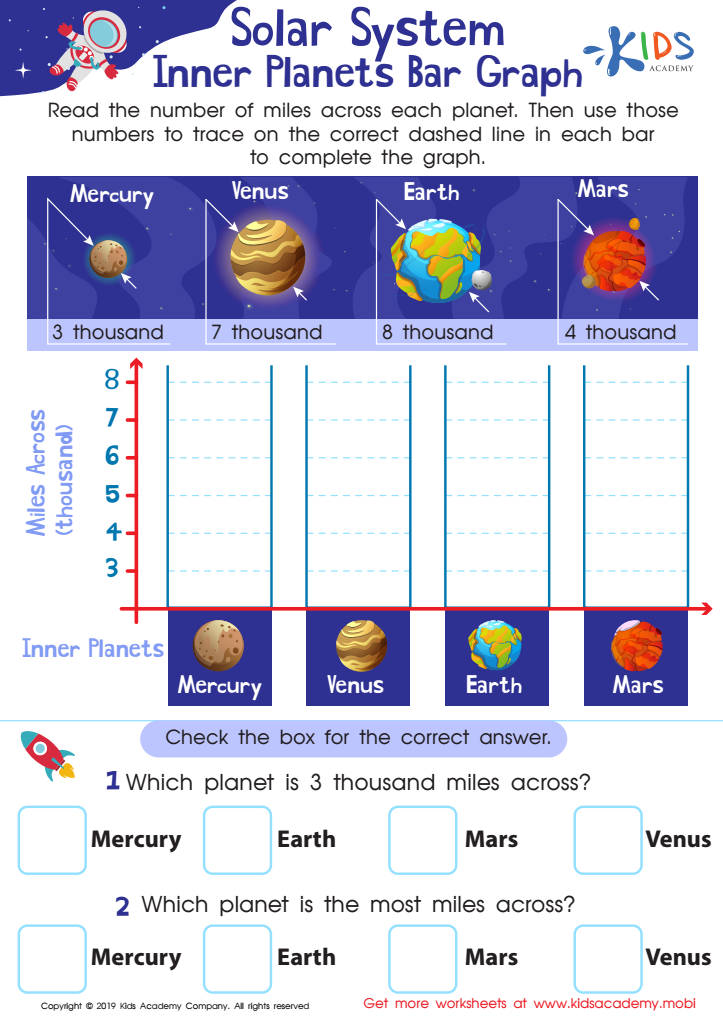
Planets Bar Graph Worksheet
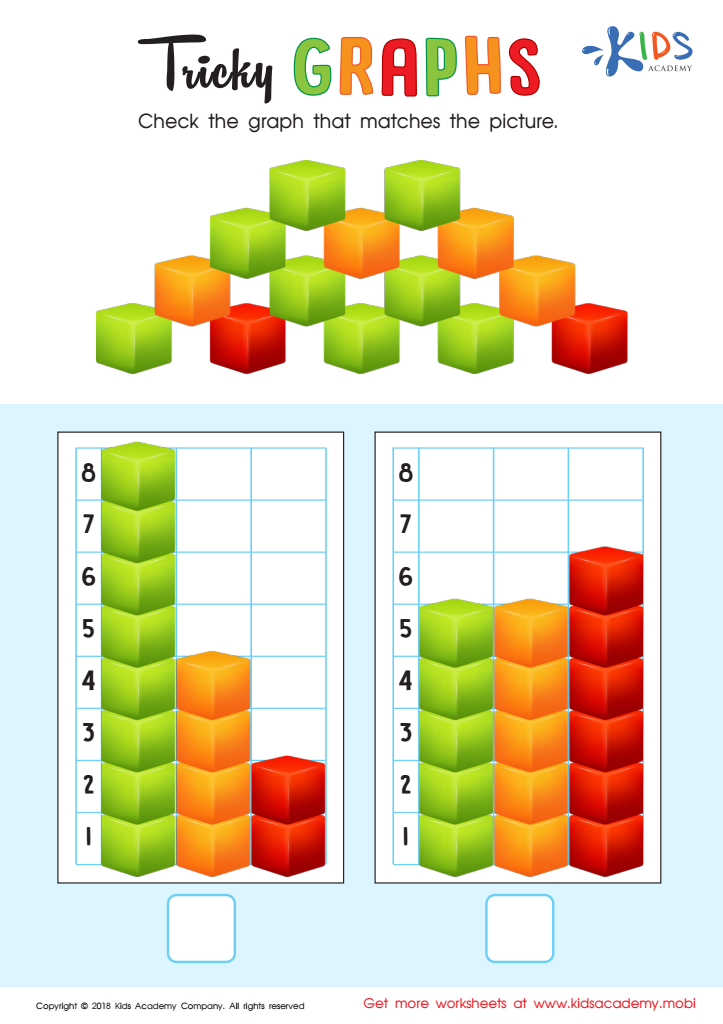
Tricky Graphs Worksheet
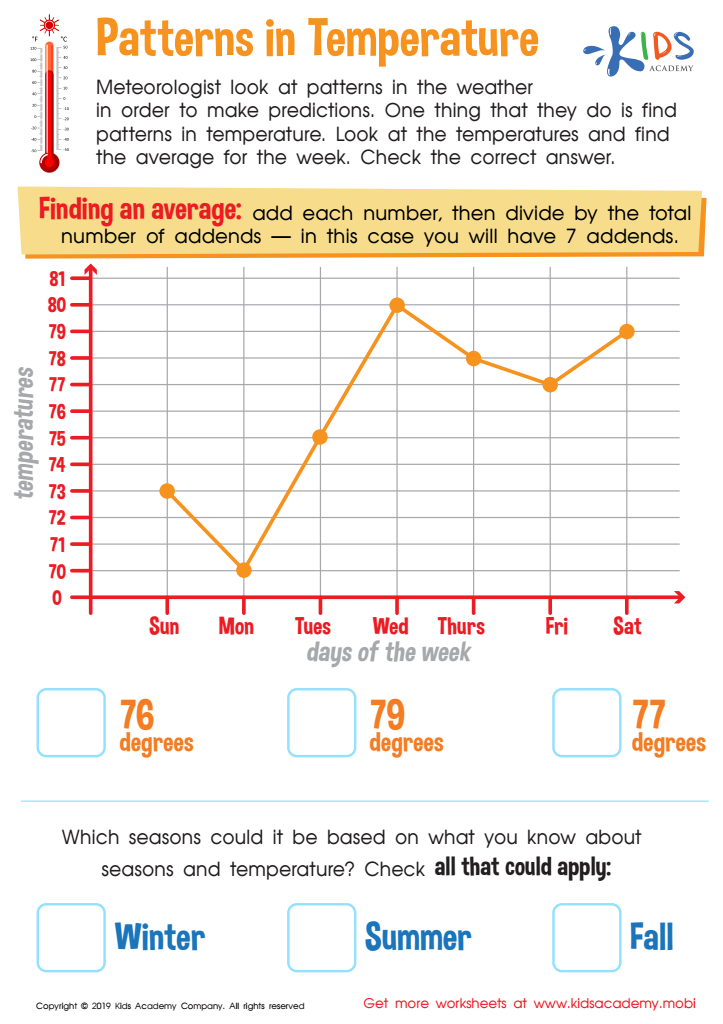
Patterns in Temperature Worksheet
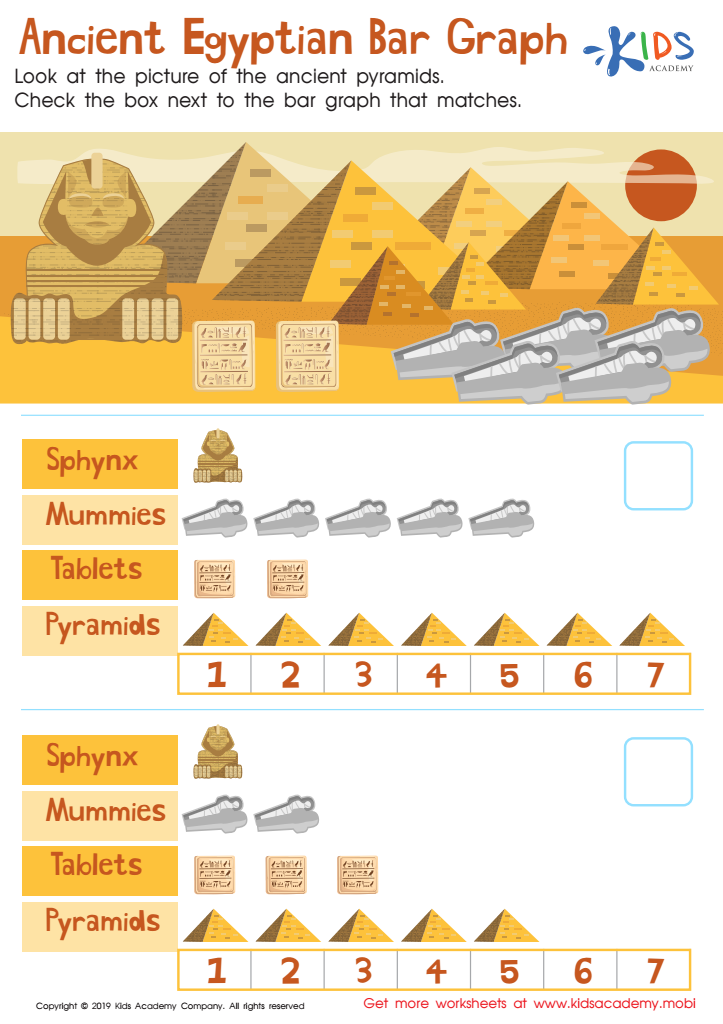
Egyptian Bar Graph Worksheet








Analyzing data graphs is an essential skill that fosters critical thinking, problem-solving, and communication abilities in children aged 3-8. For parents and teachers, understanding the importance of this skill is crucial for holistic child development.
At this age, children are naturally curious and eager to explore their surroundings. Teaching them to analyze data graphs taps into that curiosity, helping them make sense of everyday information, such as weather patterns, favorite fruits, or classroom activities. Through graph analysis, they learn to interpret visual representations of data, which is foundational for STEM literacy.
Moreover, engaging children in data understanding enhances their ability to comprehend and communicate information effectively. It encourages them to ask questions, draw conclusions, and make evidence-based decisions. Consequently, early exposure to data analysis promotes numeracy and literacy skills, building a strong academic foundation.
For parents and educators, investing time in teaching data graph analysis cultivates an analytical mindset in children that will benefit them throughout their academic journey and beyond. It underscores the relevance of data in our data-driven world, empowering children to navigate future challenges competently and confidently. Thus, nurturing these skills early on is an invaluable investment in their lifelong learning.








