Basic Math Skills Numbers Worksheets for Ages 3-8 - Page 2
43 filtered results
-
From - To
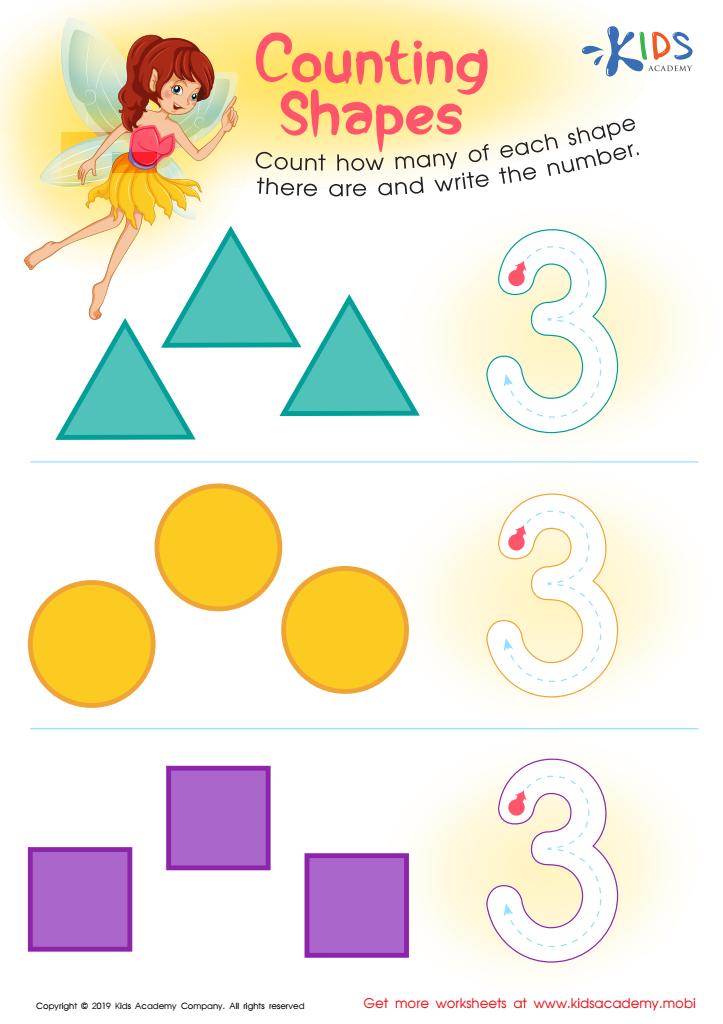
Counting Shapes Worksheet
 Assign to My Students
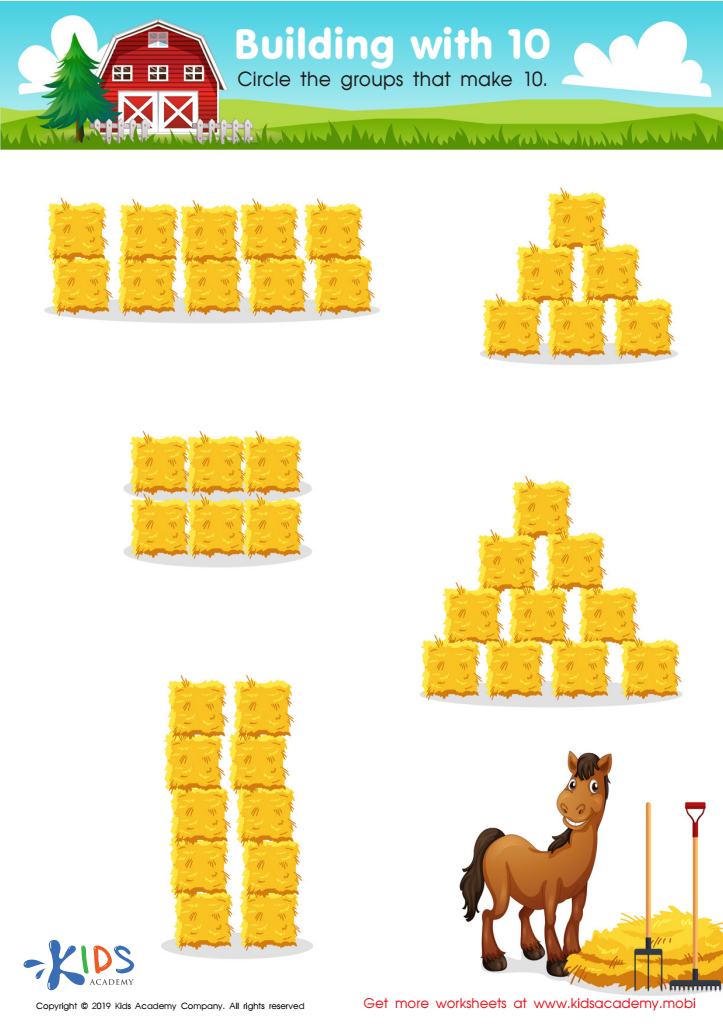
Building with 10 Worksheet
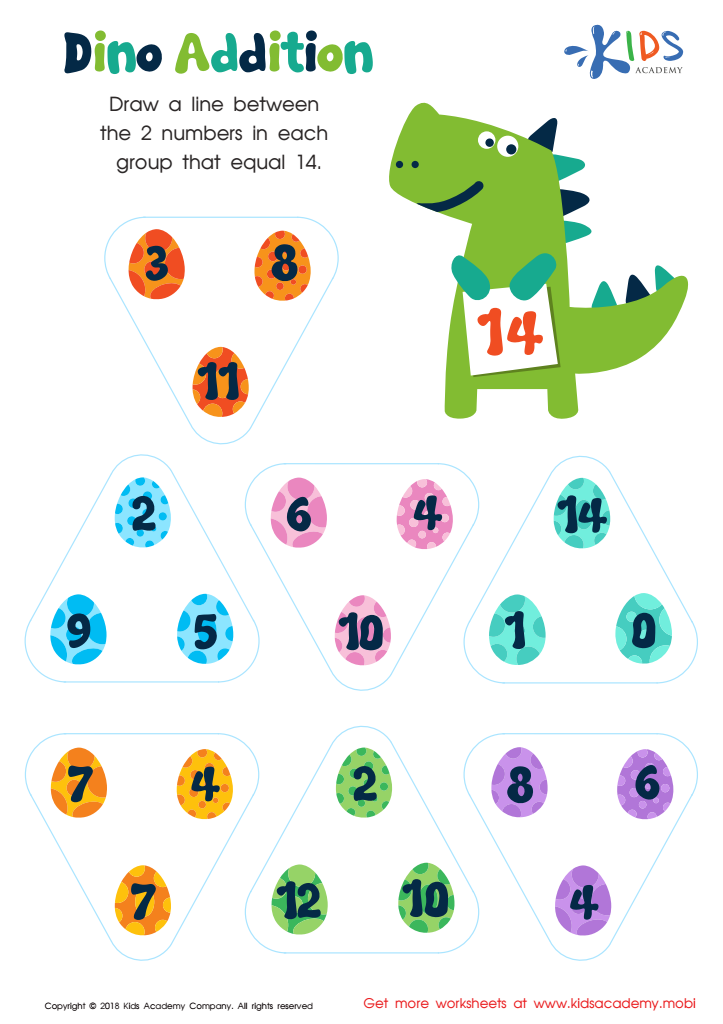
Dino Addition Worksheet
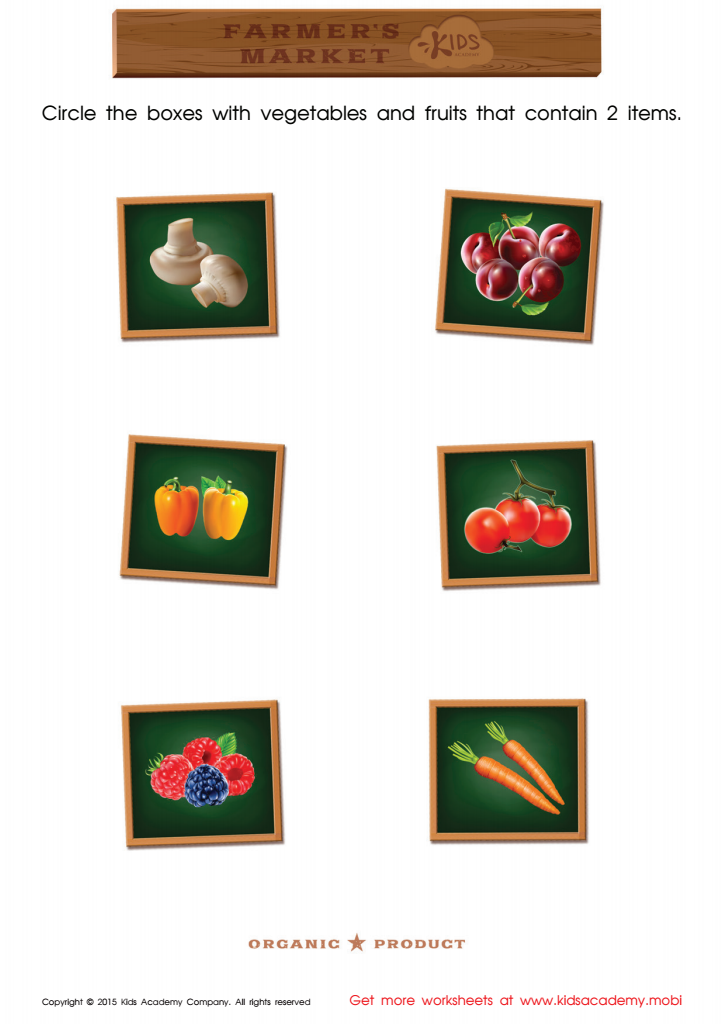
Count and Match Vegetables and Points Math Worksheet
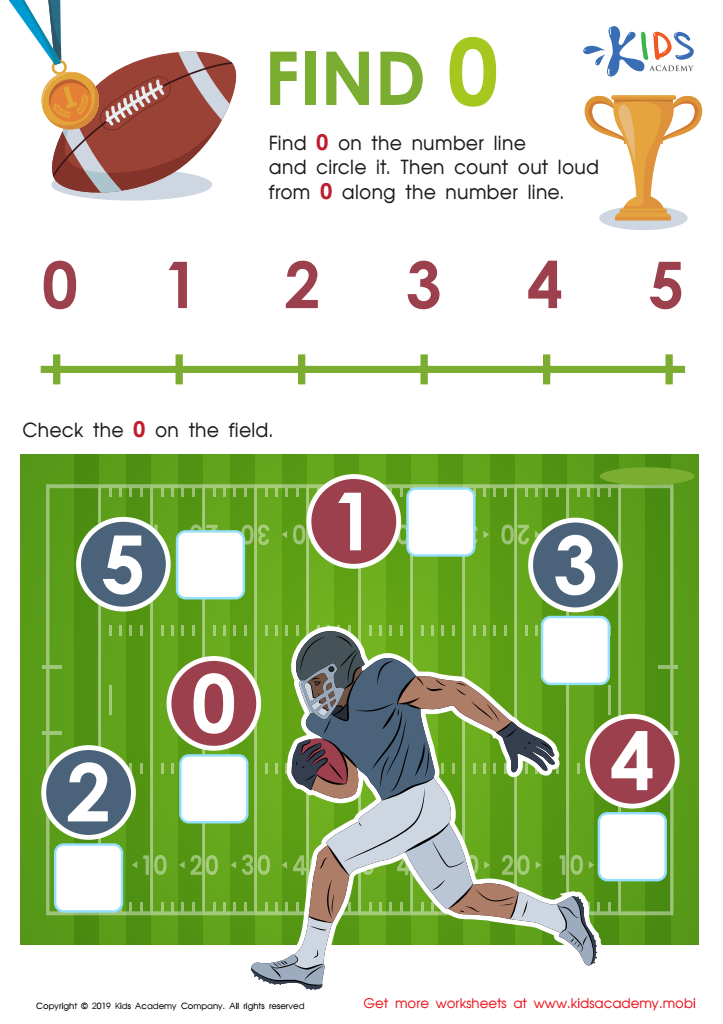
Find 0 Worksheet
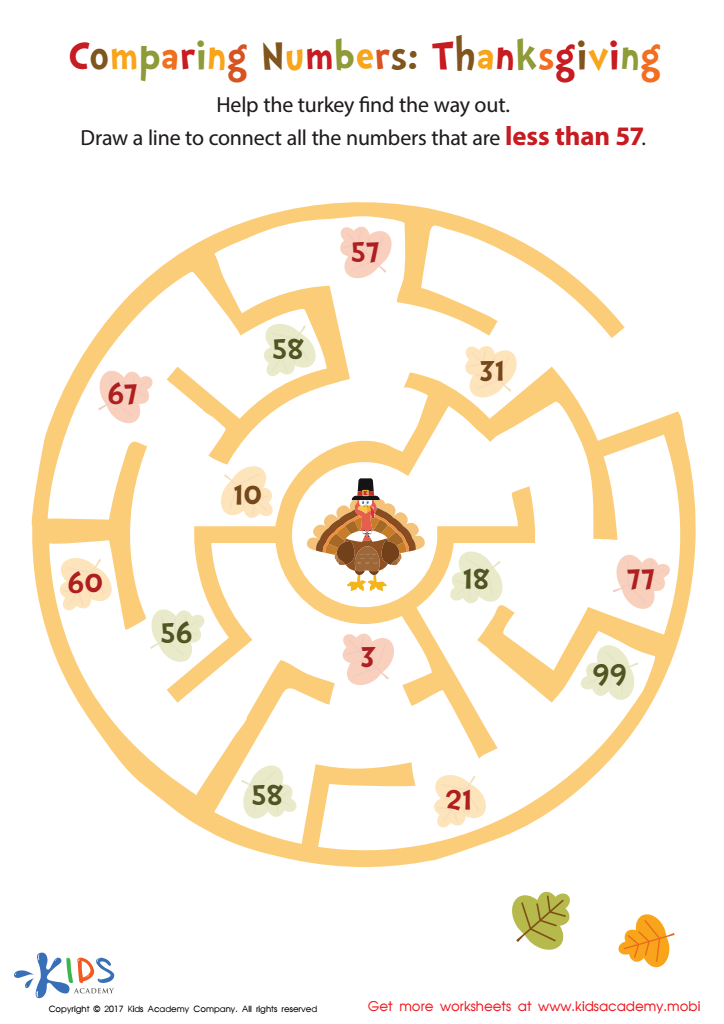
Comparing Numbers Printable
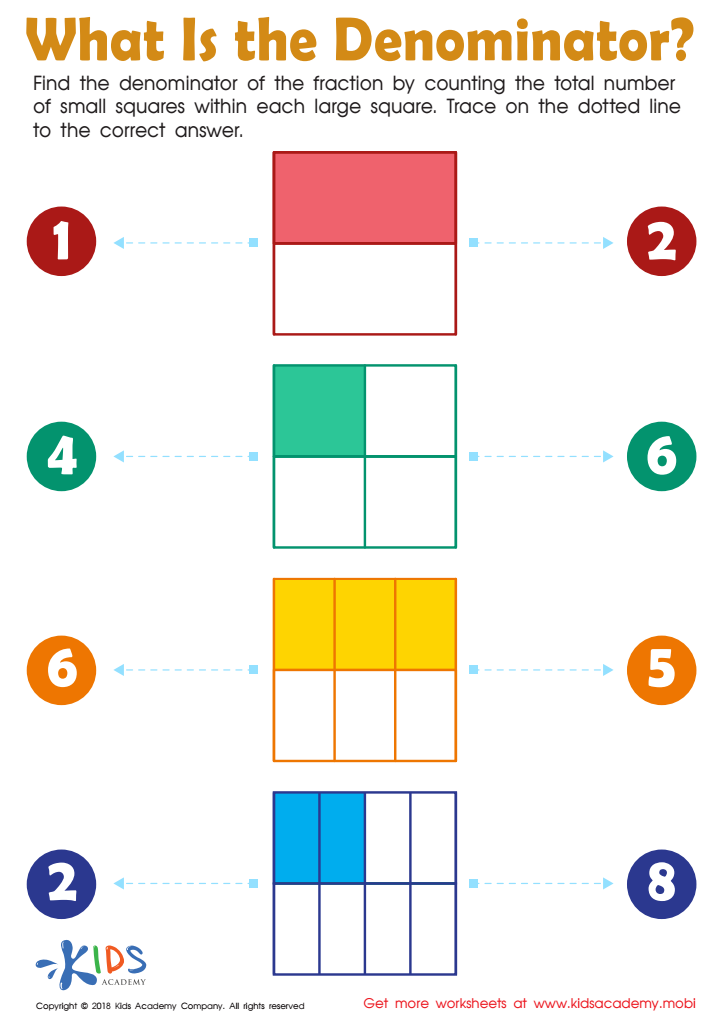
What Is the Denominator? Worksheet
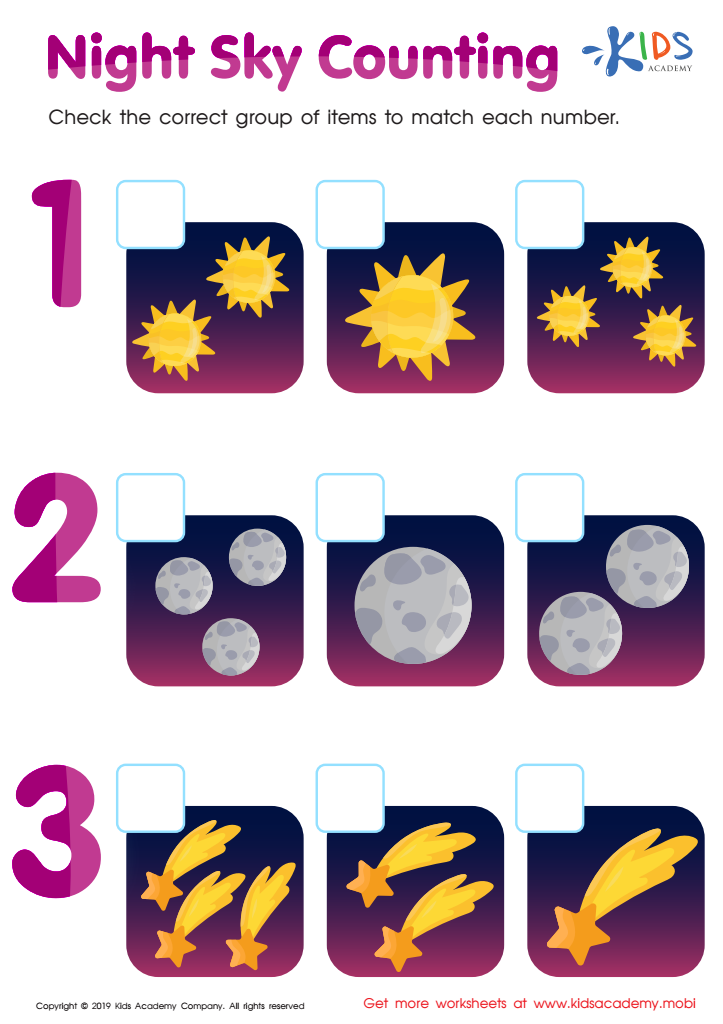
Night Sky Counting Worksheet
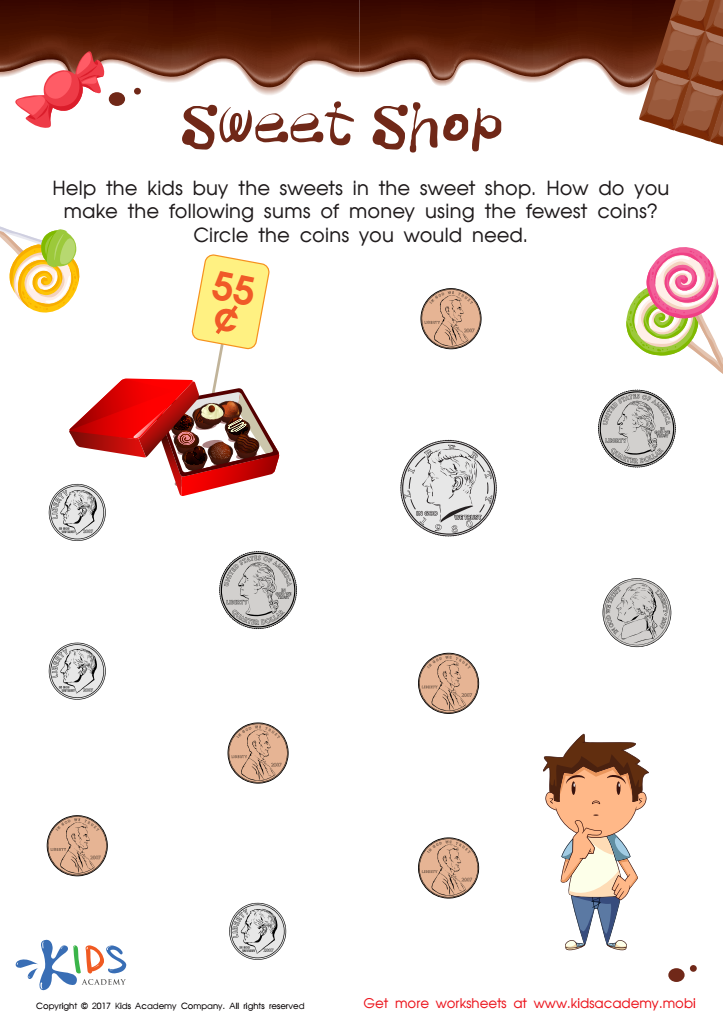
Sweet Shop – Counting Coins Worksheet
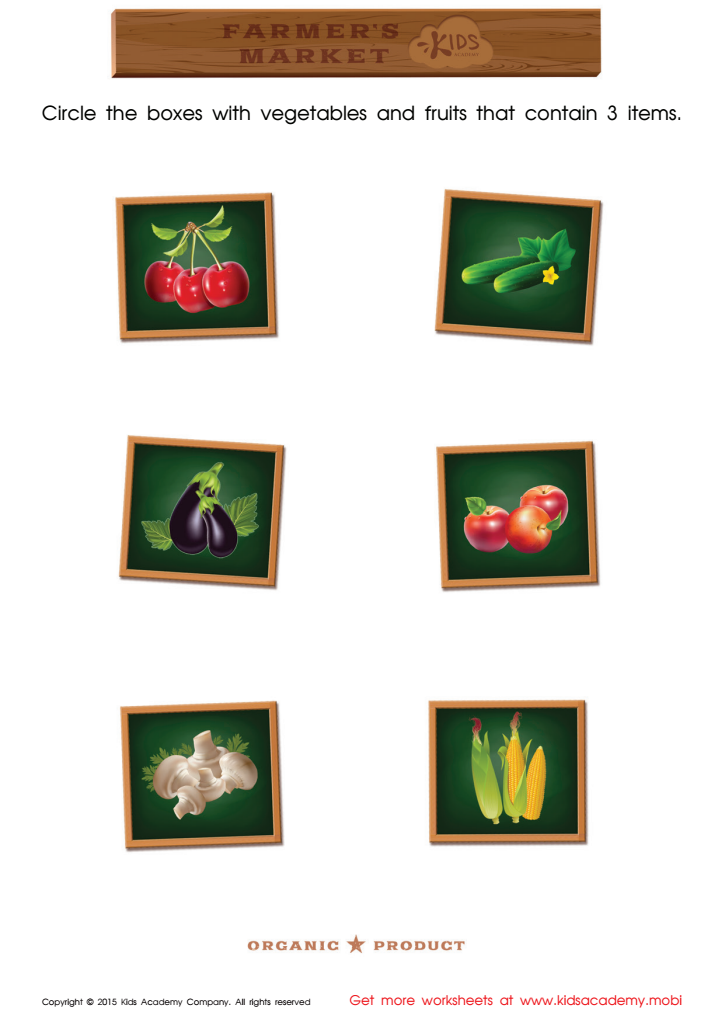
Count and Match Vegetables 1 – 5 Math Worksheet
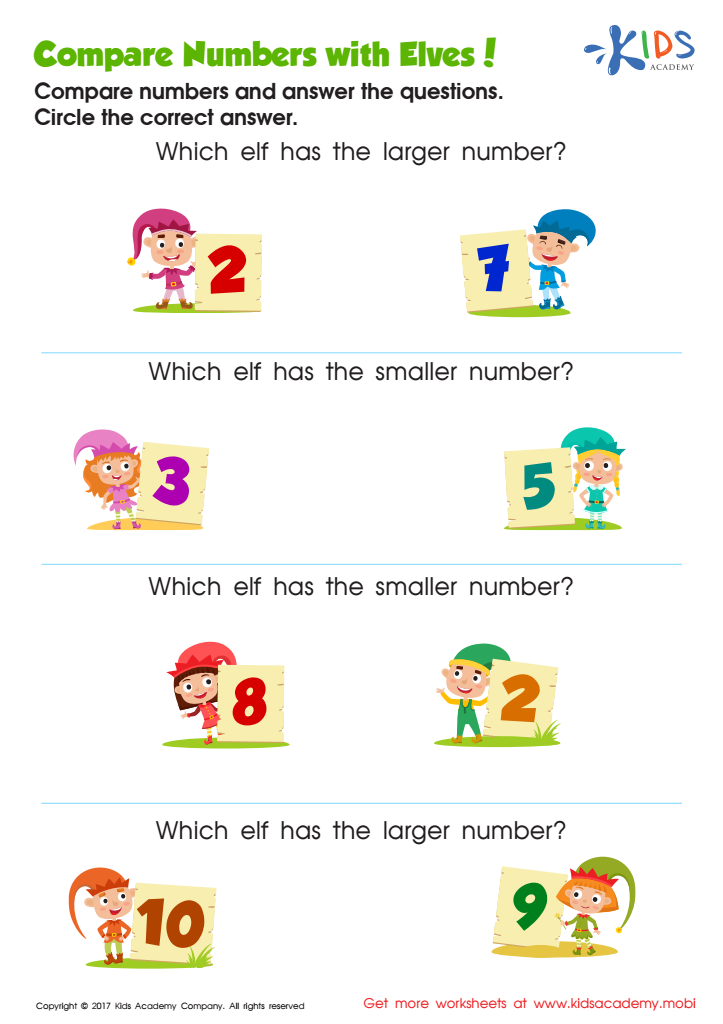
Comparing Numbers Worksheet for Kindergarten
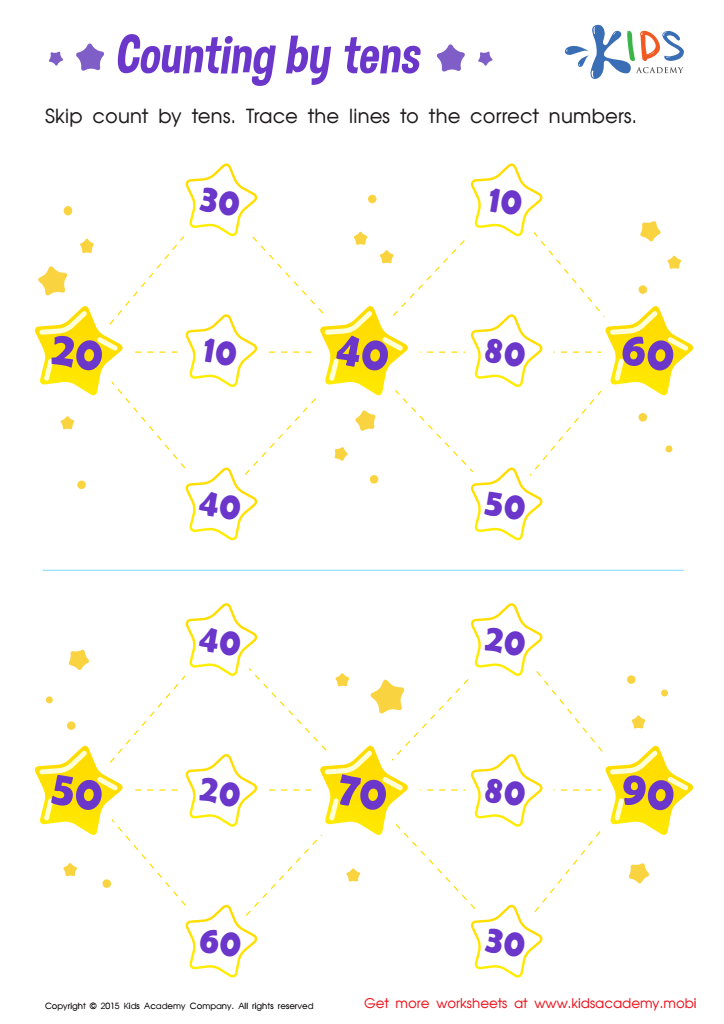
Learn Dozens: Counting by Tens Printable
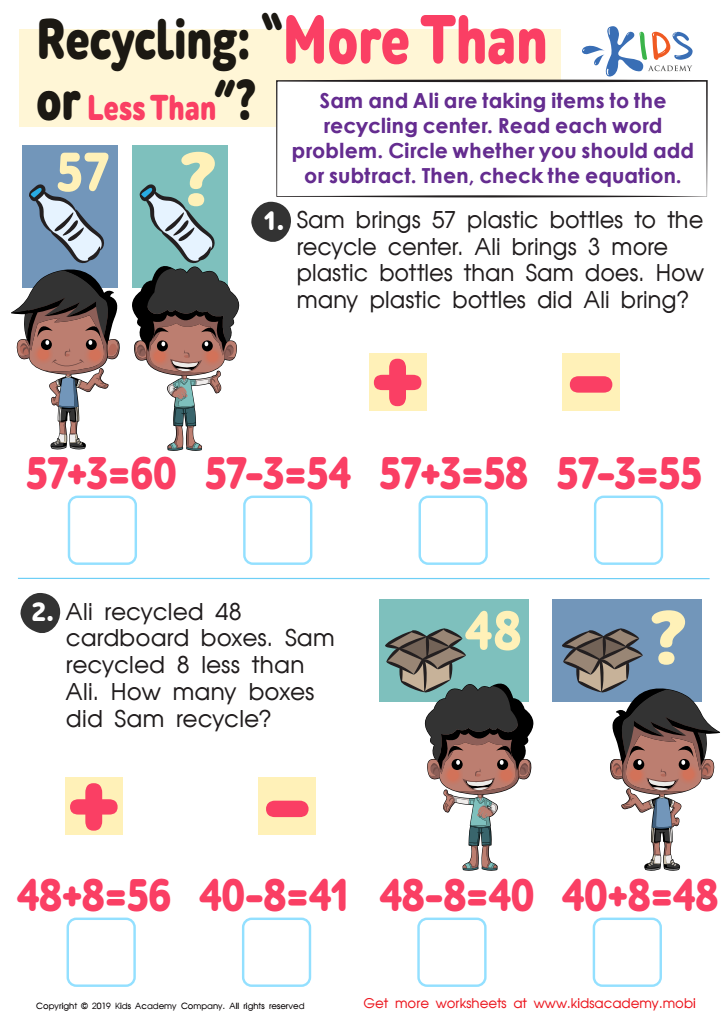
Recycling - More or Less Worksheet
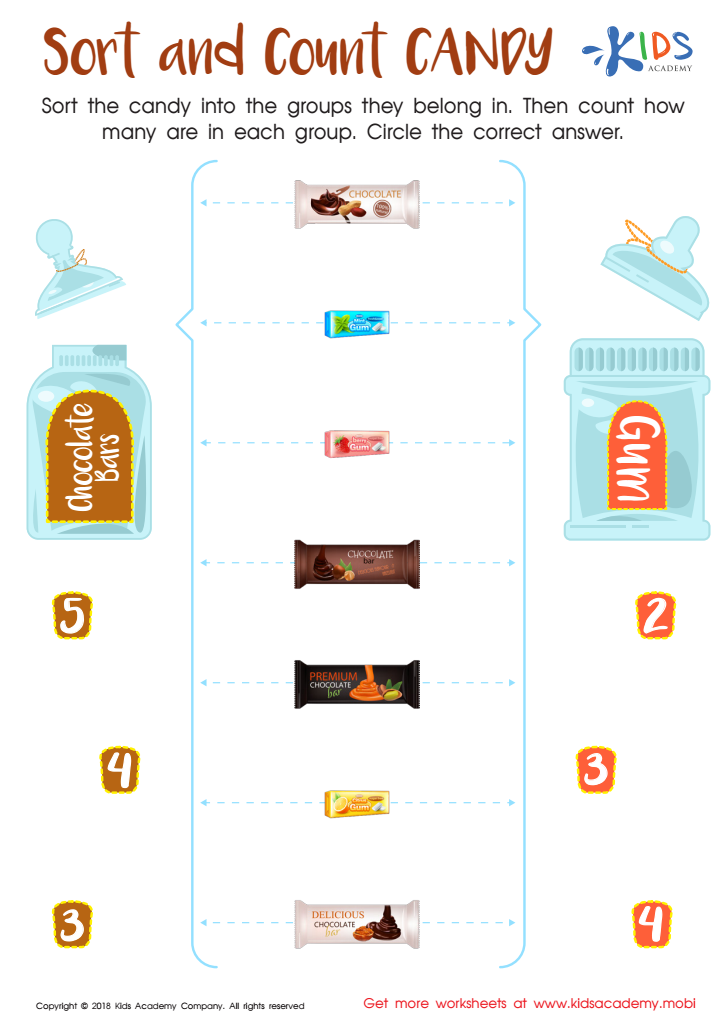
Sort and Count Candy Worksheet
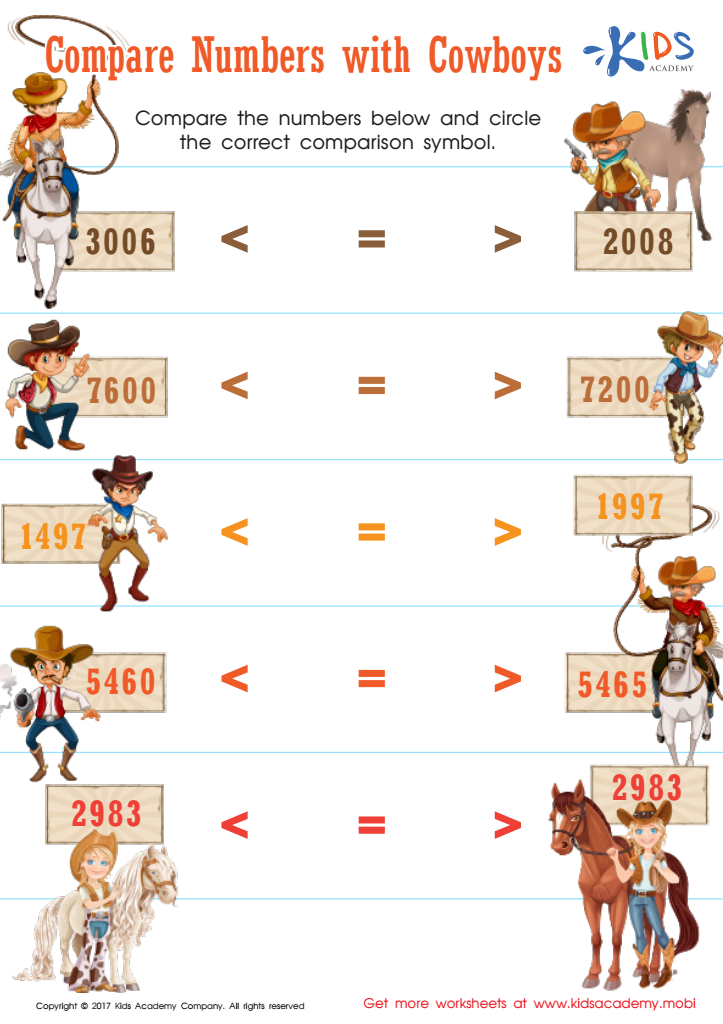
Compare Numbers Worksheet for 3rd Grade
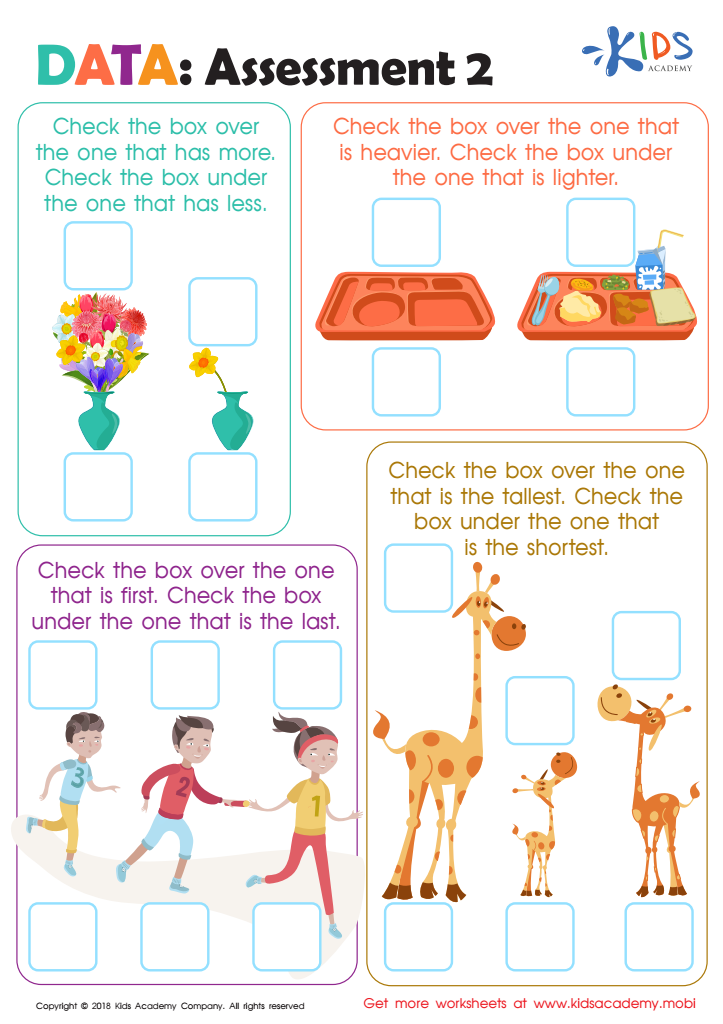
Data: Assessment 2 Worksheet
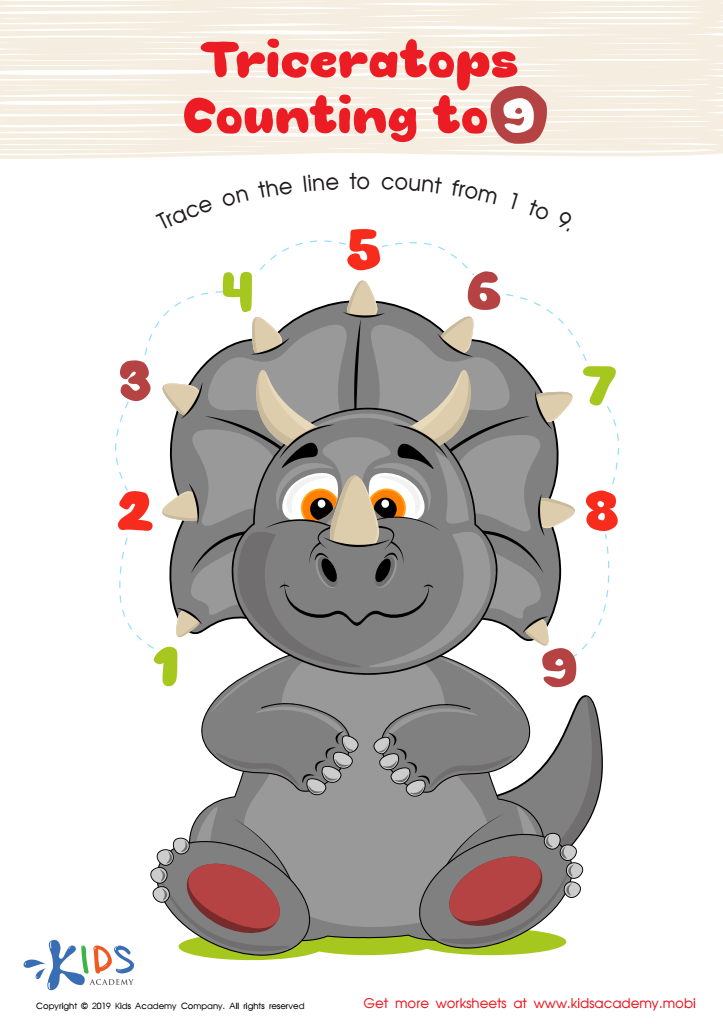
Triceratops Counting to 9 Worksheet
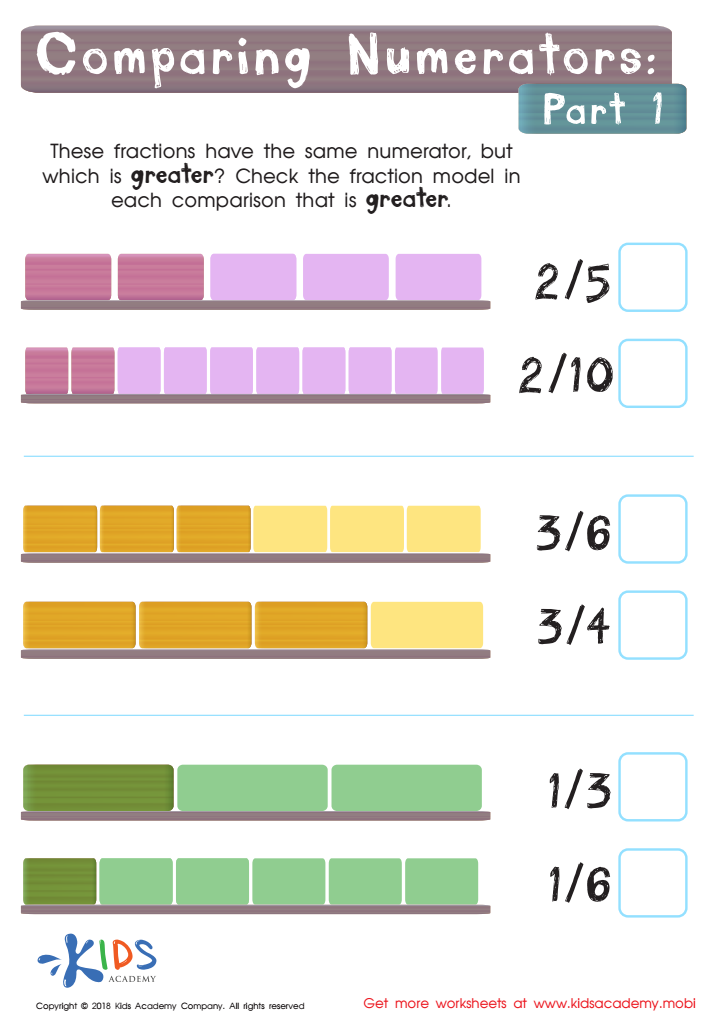
Comparing Numerators Part 1 Worksheet
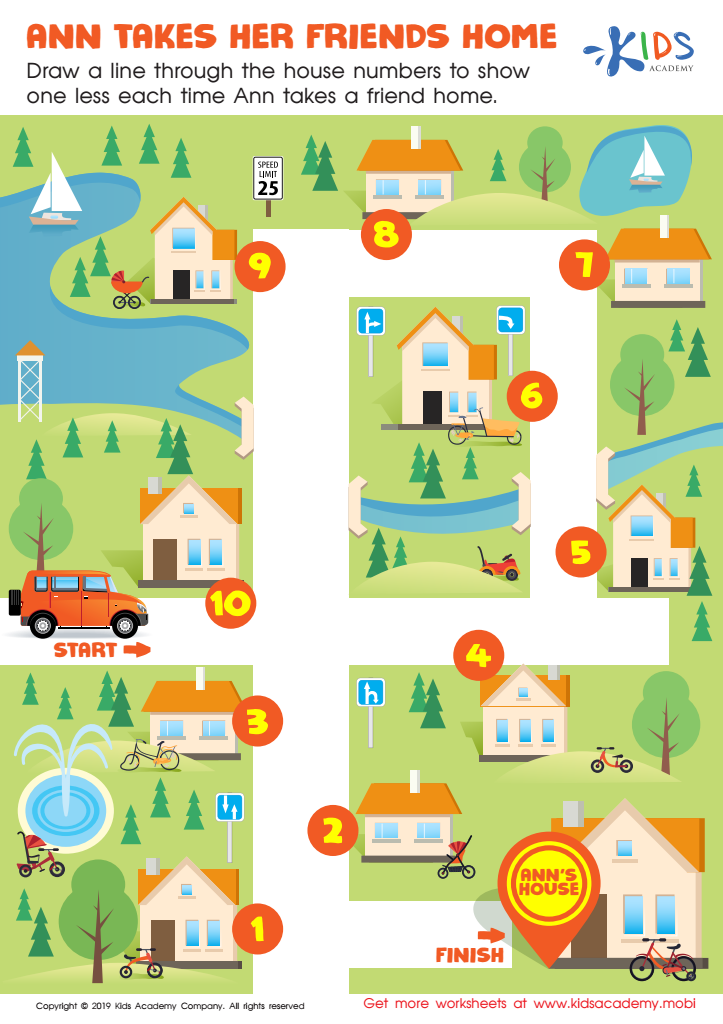
Ann Takes her Friends Home Worksheet







.jpg)
Nurturing basic math skills in children aged 3-8 is foundational for their overall cognitive development and future academic success. During these formative years, children's brains are incredibly adaptive and primed for learning. Early math skills, such as understanding numbers, counting, and simple arithmetic, form the bedrock for more complex mathematical concepts they will encounter later on.
For parents and teachers, fostering these skills early can have far-reaching benefits. Basic number fluency enhances problem-solving abilities and logical thinking, which are critical not only in math but across all subjects. Children with a strong grasp of early math are more likely to excel in school, exhibit confidence in their abilities, and maintain a positive attitude towards learning.
Moreover, math is deeply connected to everyday life. From telling time, and measuring ingredients, to handling money, early exposure to math concepts helps children understand and navigate the world around them. Parental and educational involvement signals to children that math is valuable and fun, fostering a supportive environment for learning.
Ultimately, ensuring that children develop solid basic math skills by age 8 sets a strong academic foundation, fosters critical life skills, and promotes lifelong learning and curiosity. Investing this effort early makes a significant difference in a child's educational journey and their ability to apply their knowledge practically.








