Hand-eye Coordination Numbers Worksheets for Ages 3-8 - Page 2
27 filtered results
-
From - To
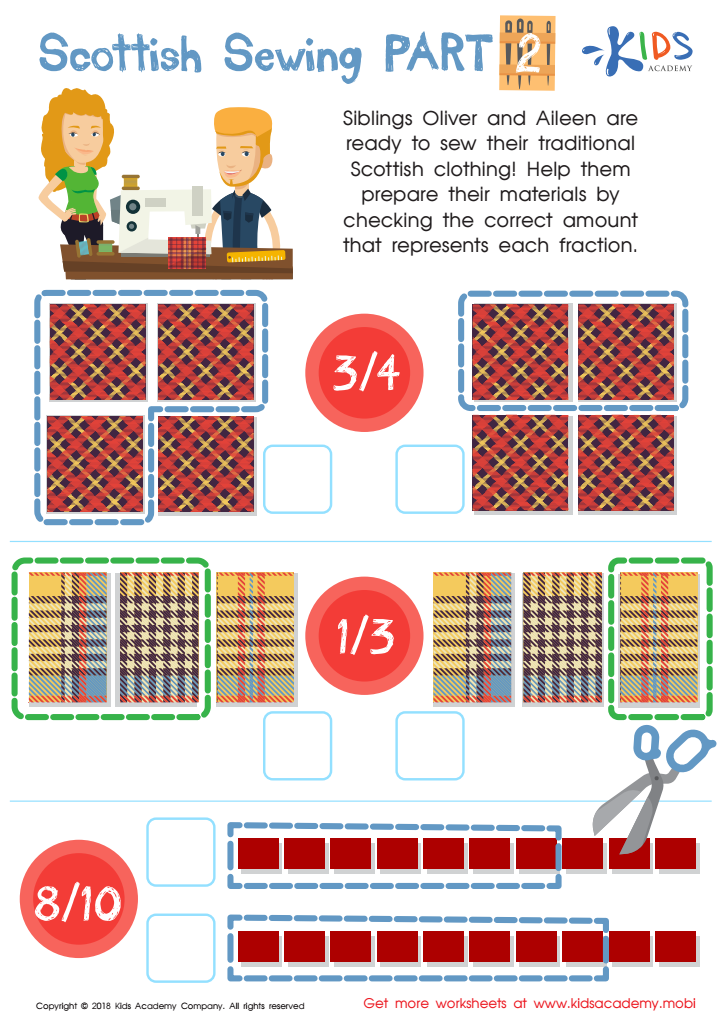
Scottish Sewing Part 2 Worksheet
 Assign to My Students
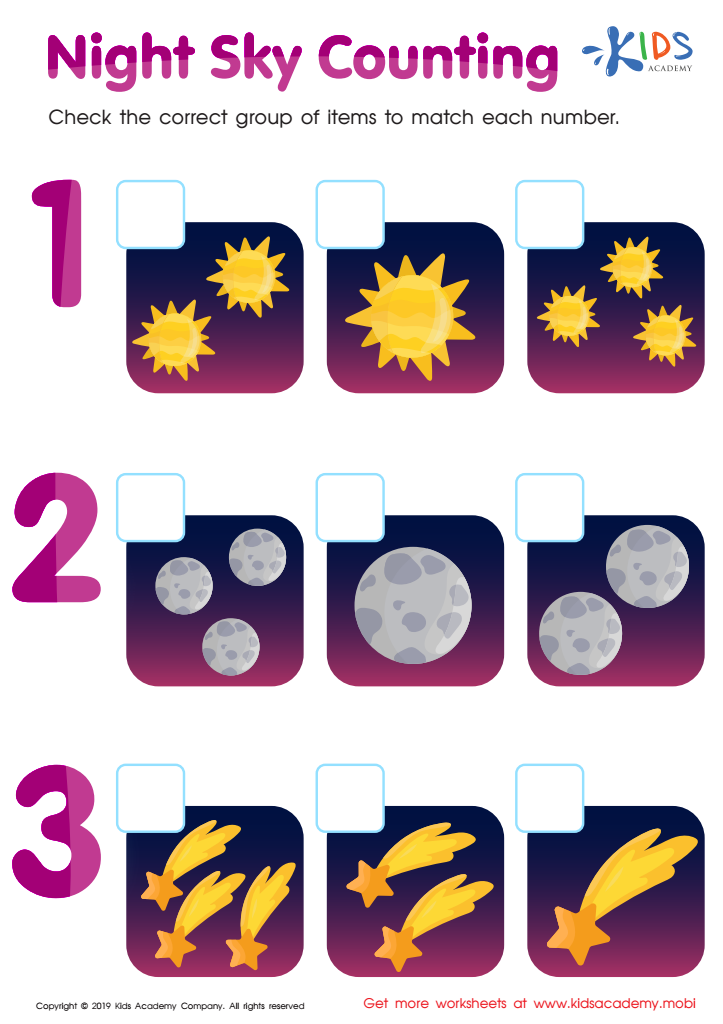
Night Sky Counting Worksheet
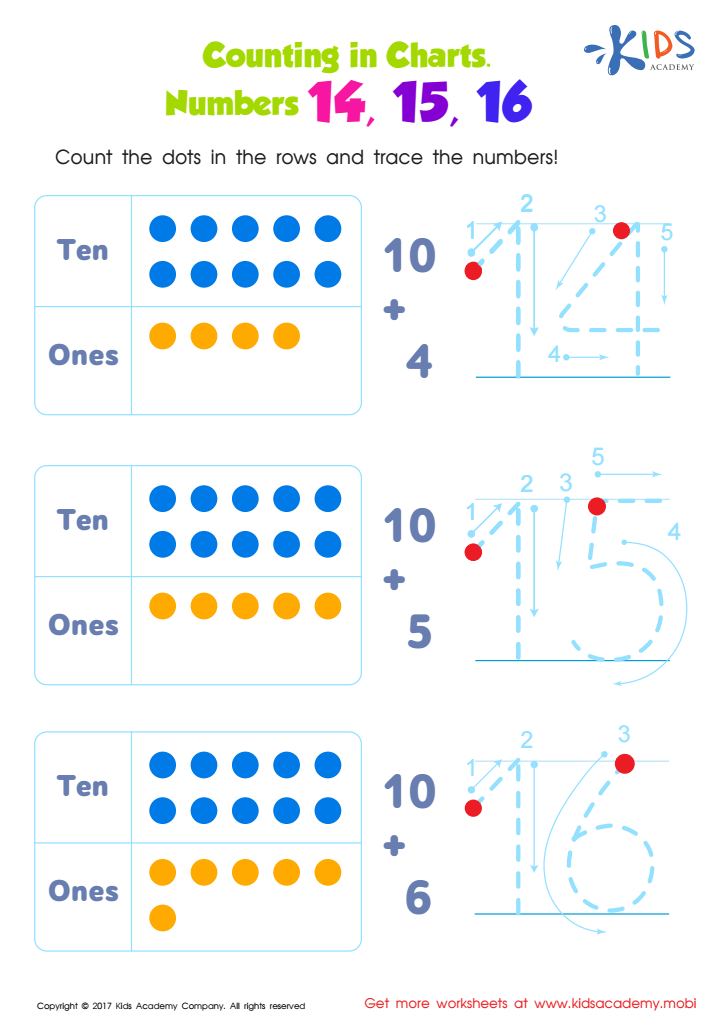
Number Tracing Worksheet







Hand-eye coordination is a crucial developmental skill for children, especially between the ages of 3 and 8, and it lays the foundation for academic and physical activities. This skill involves the successful integration of visual input and fine motor skills, enabling children to perform tasks such as reading, writing, and drawing with efficiency. Strong hand-eye coordination positively impacts a child's ability to hold a pencil, write legibly, and manipulate classroom materials, all of which are essential for academic success.
Additionally, hand-eye coordination is important for physical activities and the development of motor skills. Kids with good hand-eye coordination are more adept at activities such as catching a ball, threading beads, or using scissors, which also contributes to their physical health, self-esteem, and social interactions. When adults emphasize and support the development of these skills, children are better equipped to undertake tasks confidently.
Teachers and parents should incorporate activities like puzzles, building blocks, and mazes into daily routines to strengthen this coordination. Since early childhood is a critical period for brain development, investing time and resources into enhancing hand-eye coordination fosters a foundational skill set that supports a child's growth across various areas, thus preparing them for future challenges both in school and beyond.








