Number identification Numbers Worksheets for Ages 3-8
6 filtered results
-
From - To
Discover our engaging Number Identification Worksheets designed for children ages 3 to 8! These printable activities help young learners master number recognition in a fun and interactive way. Our worksheets feature colorful illustrations and age-appropriate exercises that encourage hands-on learning and skill development. With a variety of activities, including matching, tracing, and identifying numbers, children will build confidence and early math skills. Ideal for homeschooling, classroom use, or extra practice at home, our resources promote foundational knowledge essential for future math success. Start your child's learning journey today with our engaging, easy-to-use number identification worksheets! Perfect for nurturing a love for numbers!
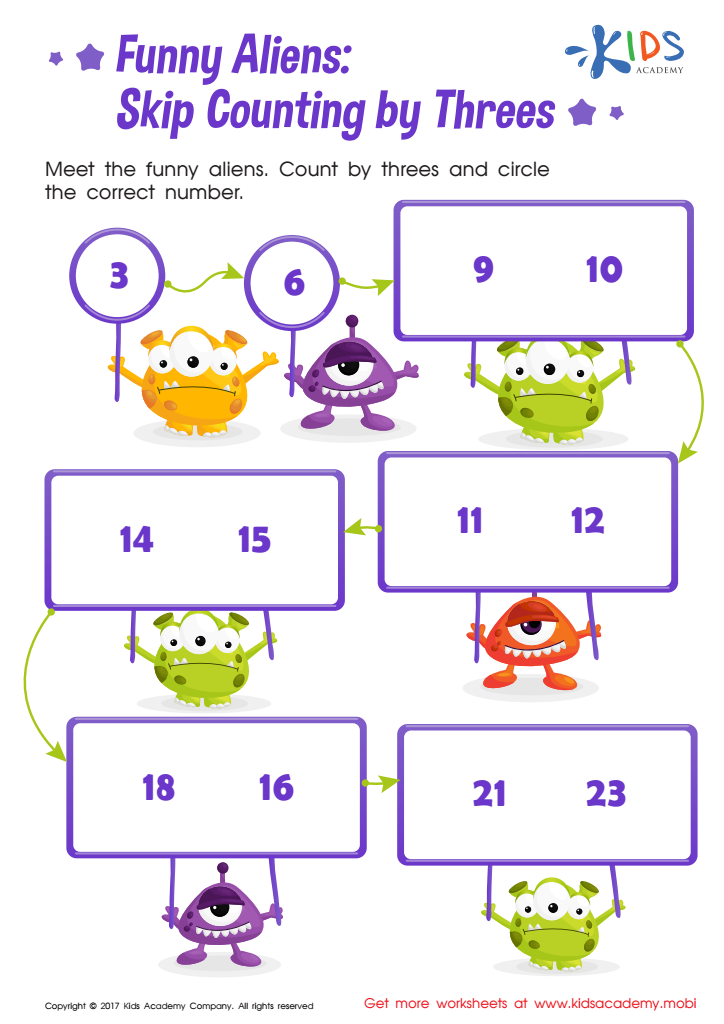
Skip Counting by 3s: Funny Aliens Printable
 Assign to My Students
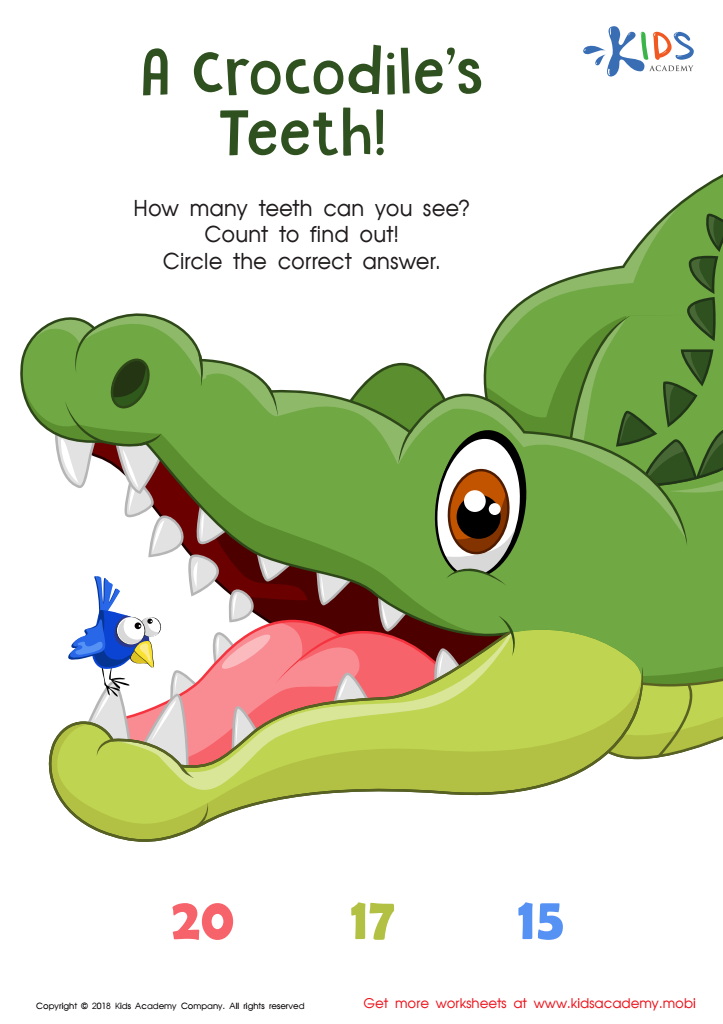
A Crocodile's Teeth Worksheet
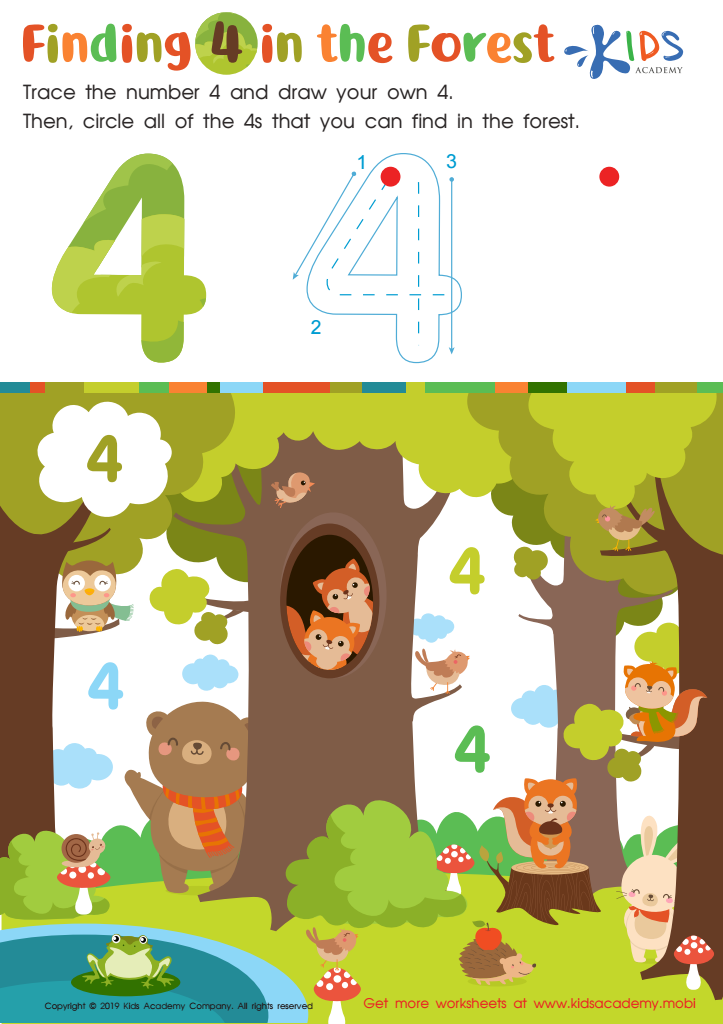
Finding 4 in the Forest Worksheet
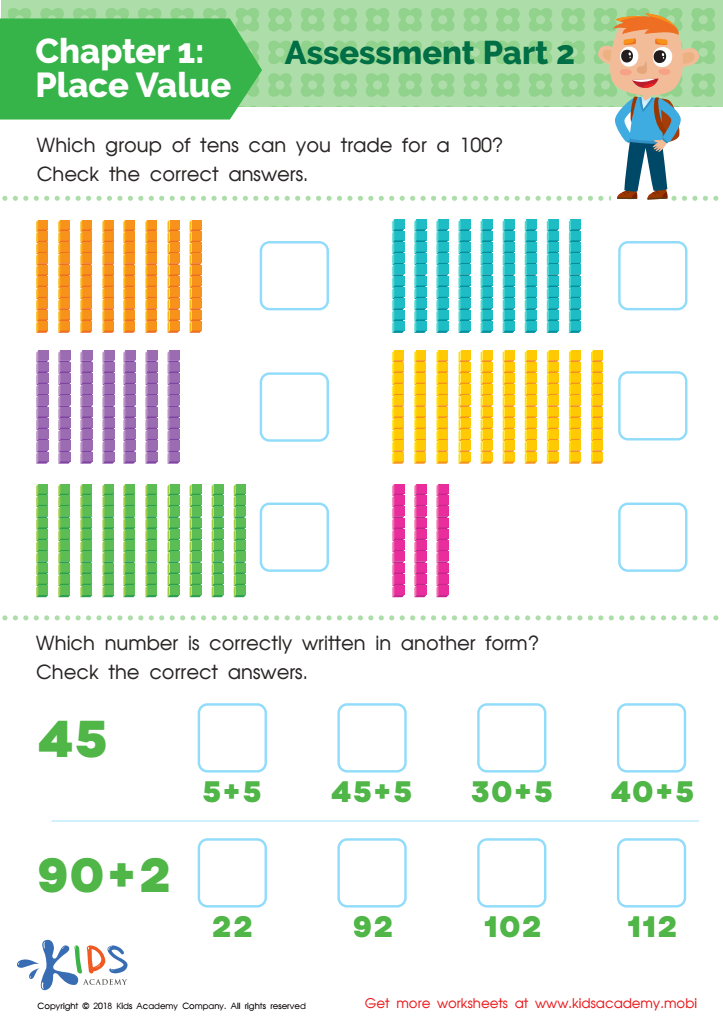
Place Value: Chapter 2 Worksheet
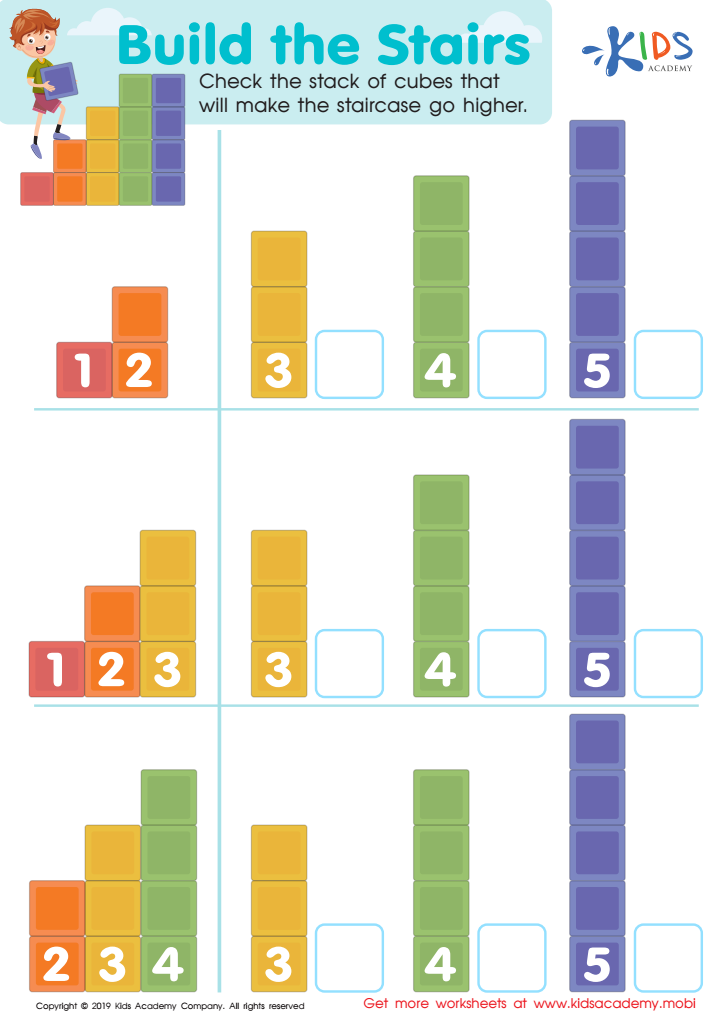
Build the Stairs Worksheet
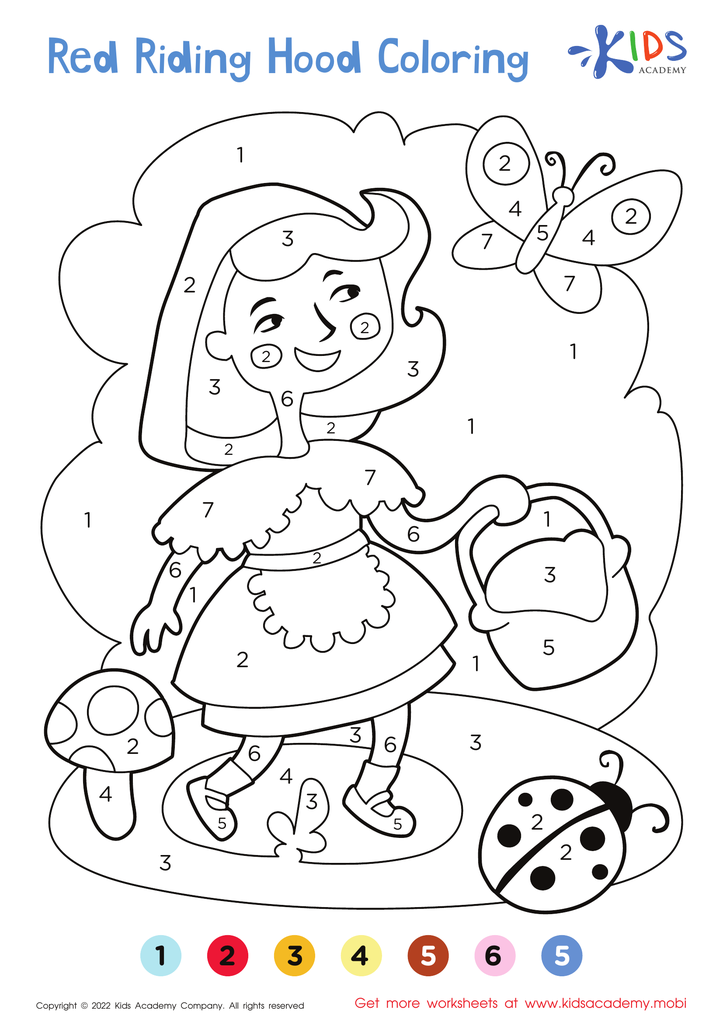
Little Red Riding Hood – Coloring by Numbers








Number identification is a crucial skill for children ages 3-8, as it lays the foundation for their mathematical understanding and cognitive development. Parents and teachers should care about this because number identification promotes early numeracy skills, which are essential for future academic success. Recognizing numbers helps children understand numerical concepts, engage in basic counting, and develop problem-solving skills.
At this young age, children are naturally curious, and encouraging number identification can enhance their engagement with the world around them. Activities like reading number books, playing counting games, or incorporating numbers into daily routines can turn learning into a fun experience while building confidence in their abilities.
Furthermore, early mastery of number identification supports later learning in mathematics. Studies show that children who struggle with number recognition may face challenges in understanding more complex mathematical concepts. By focusing on this skill, parents and teachers can ensure that children gain the necessary tools to progress academically.
Ultimately, fostering number identification not only aids in academic development but also encourages critical thinking, enhances language skills, and promotes a stronger relationship with mathematics, setting the stage for lifelong learning and success.








