Visual perception Numbers Worksheets for Ages 3-8 - Page 2
29 filtered results
-
From - To
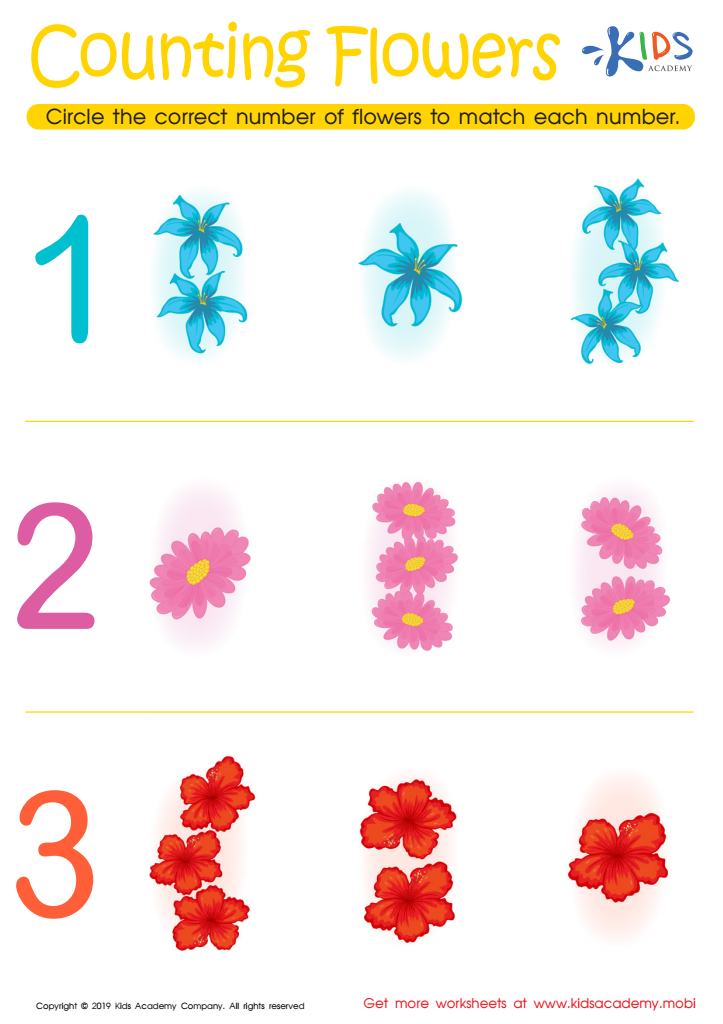
Counting Flowers Worksheet
 Assign to My Students
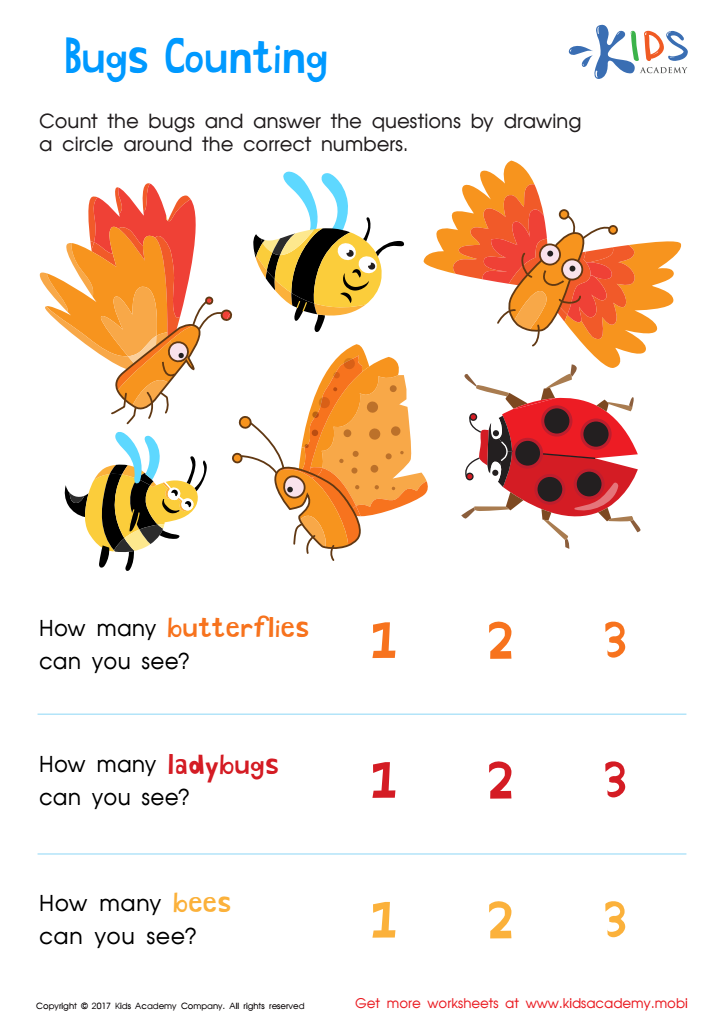
Bugs Counting Worksheet
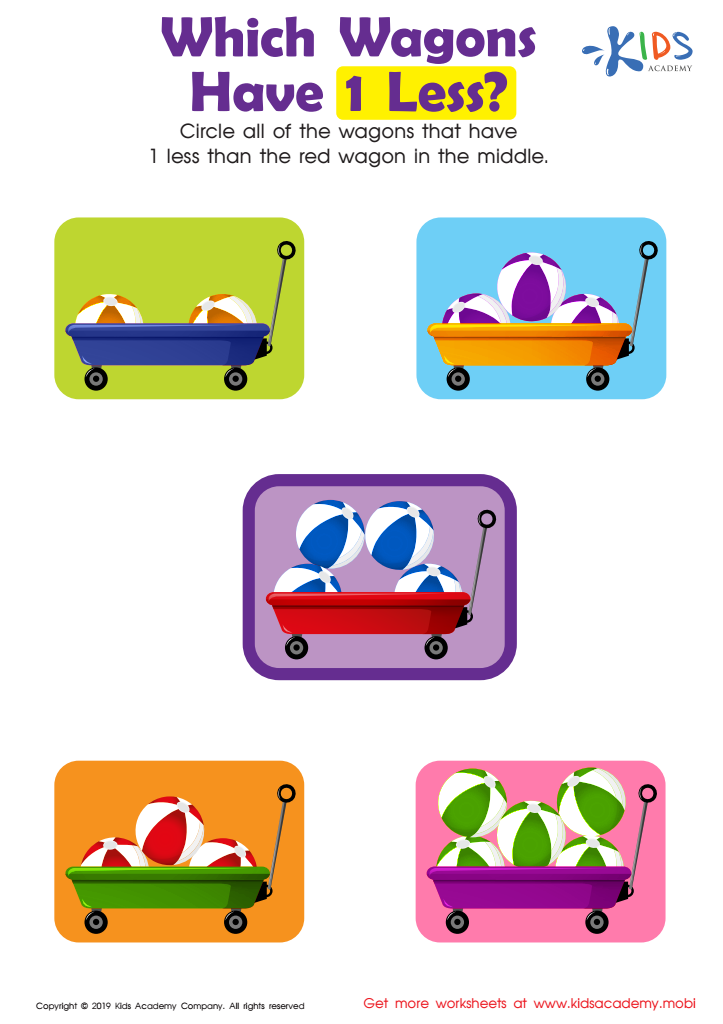
Which Wagons Have 1 Less? Worksheet
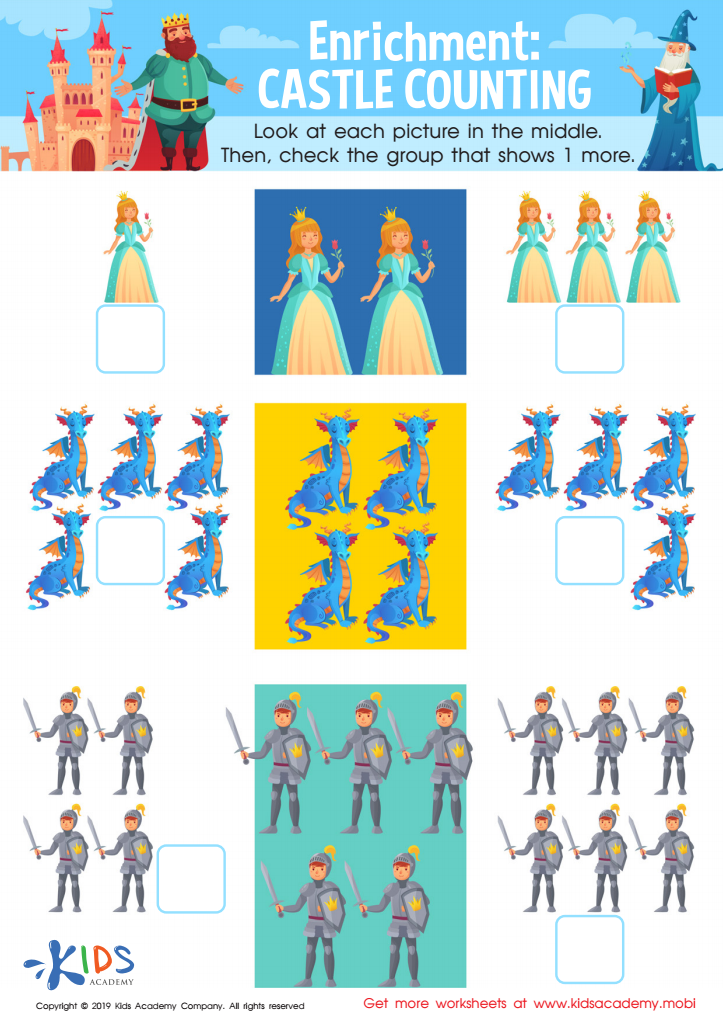
Enrichment: Castle Counting Worksheet
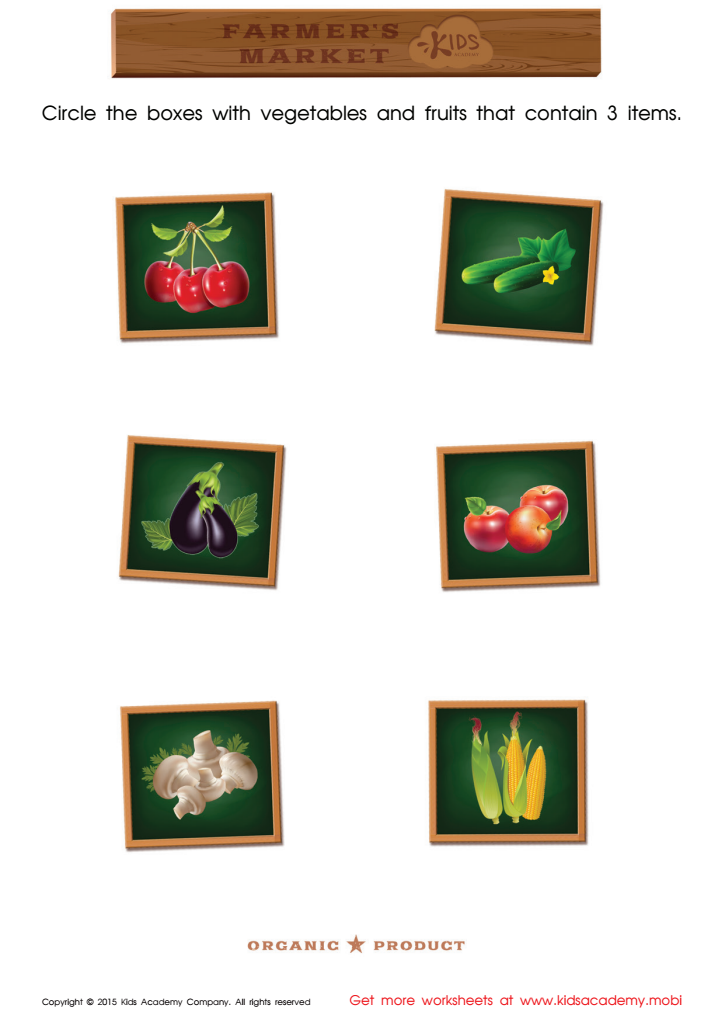
Count and Match Vegetables 1 – 5 Math Worksheet



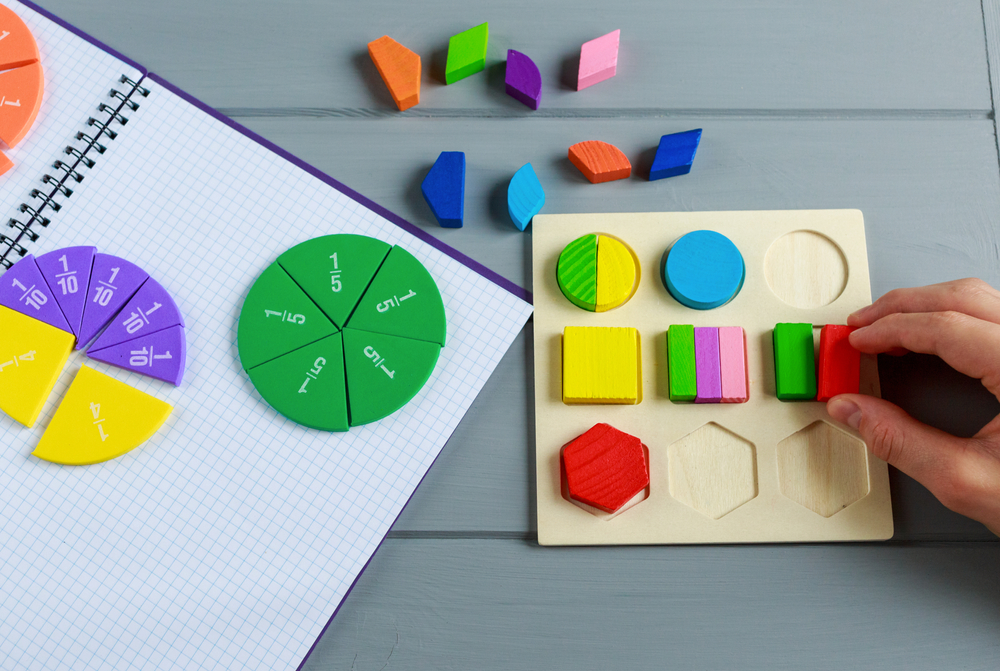




Visual perception skills are foundational cognitive abilities that are crucial for young children's overall development, particularly in the realm of numbers and mathematics. For children aged 3-8, visual perception, such as identifying, distinguishing, and interpreting visual information, plays an essential role in early numeracy. When parents and teachers focus on nurturing these skills, they create a stronger foundation for mathematical understanding and academic success.
One critical aspect of visual perception in numbers is the ability to recognize and form numbers correctly. This not only aids in simple counting but also supports more complex tasks such as arithmetic, pattern recognition, and spatial awareness. For example, distinguishing between the numbers 6 and 9 demands careful visual discrimination, a skill built through targeted activities and practice.
Moreover, strengthening visual perception contributes to a child's problem-solving abilities. Tasks like sorting objects by size, shape, or quantity, identifying missing numbers in a sequence, or matching sets to numerals, all enhance cognitive processes that underpin mathematical thinking.
For parents and teachers, supporting these skills can be achieved through engaging, visually stimulating games and activities tailored to this age group. Encouraging hands-on learning with puzzles, counting games, and interactive apps can make learning numbers a fun and effective experience. Prioritizing visual perception in early childhood education sets children on a path to confident, competent mathematical ability as they grow.








