Animal identification Math Worksheets for Ages 3-8 - Page 2
33 filtered results
-
From - To
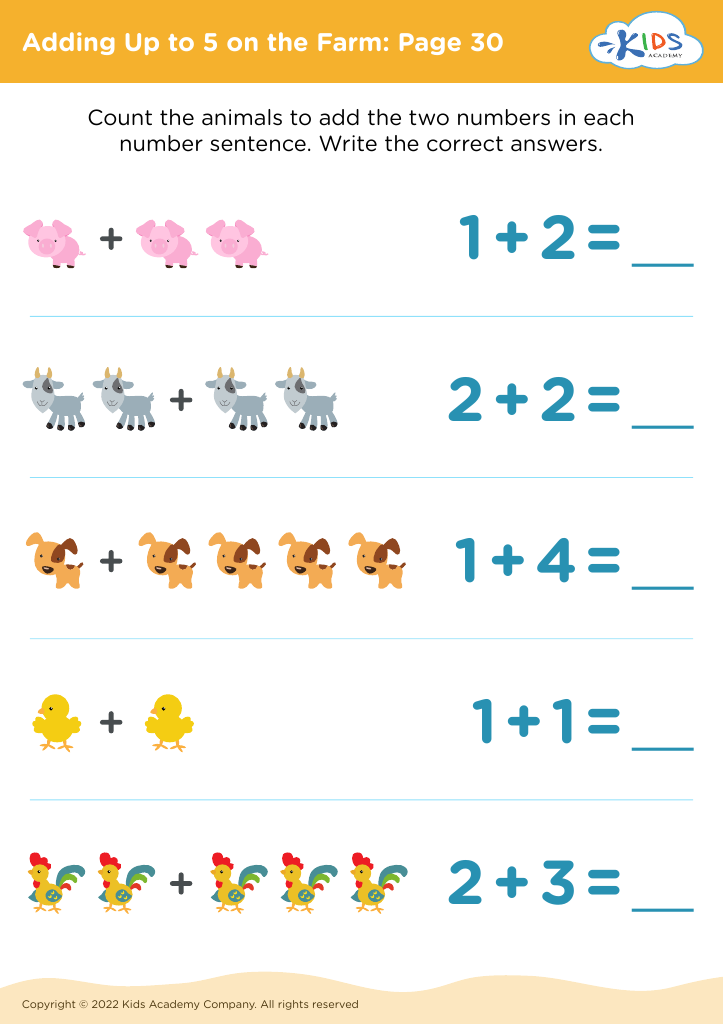
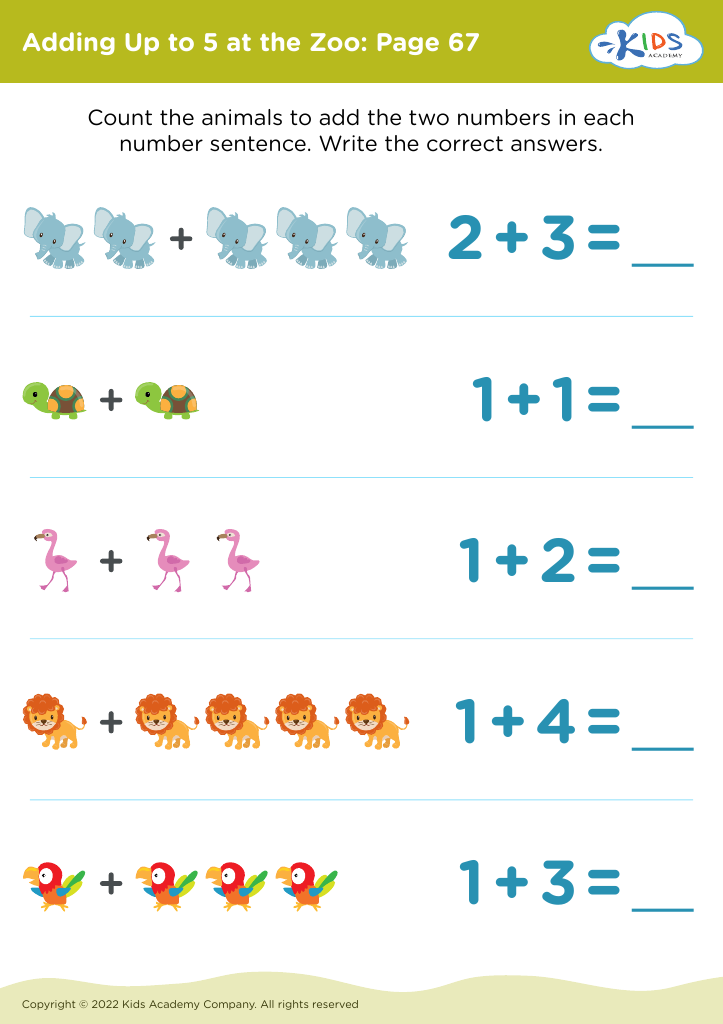
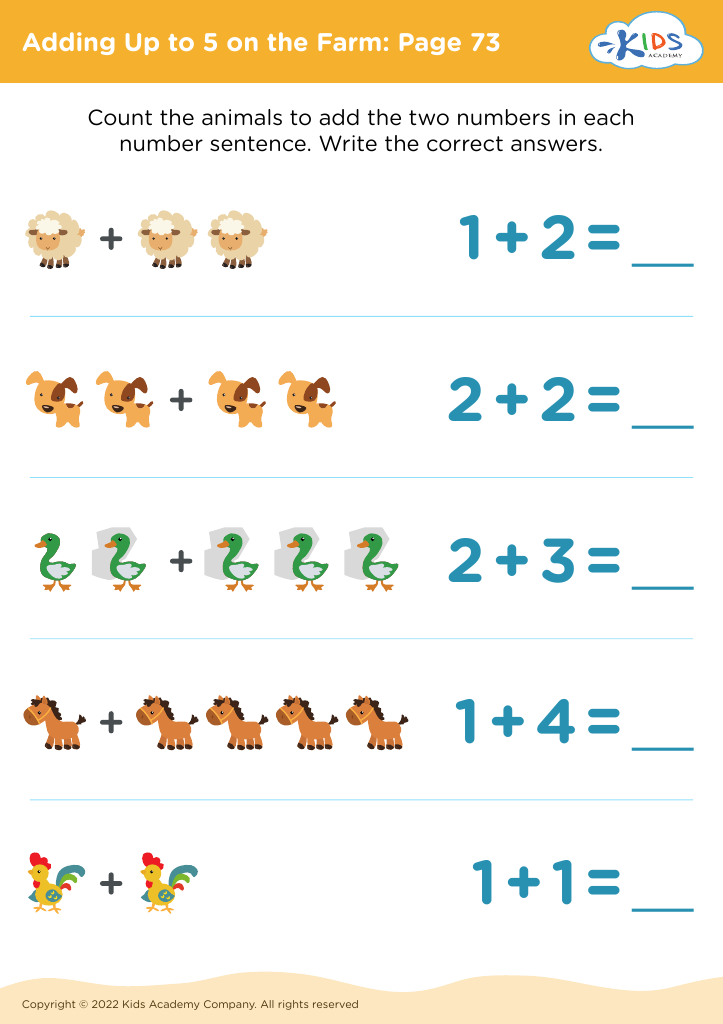
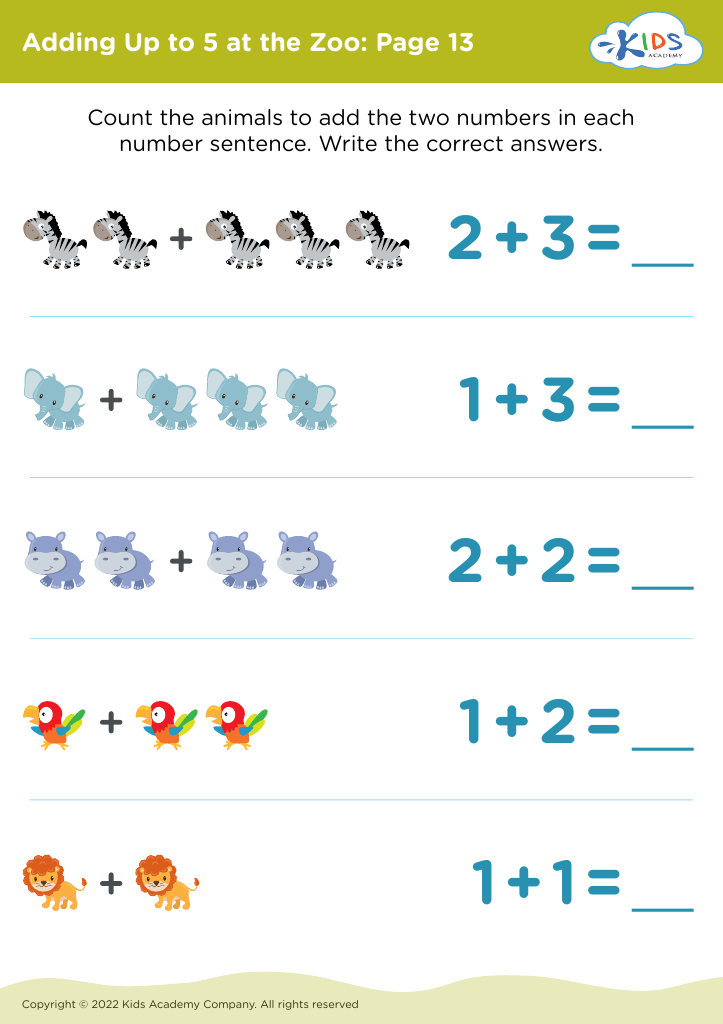
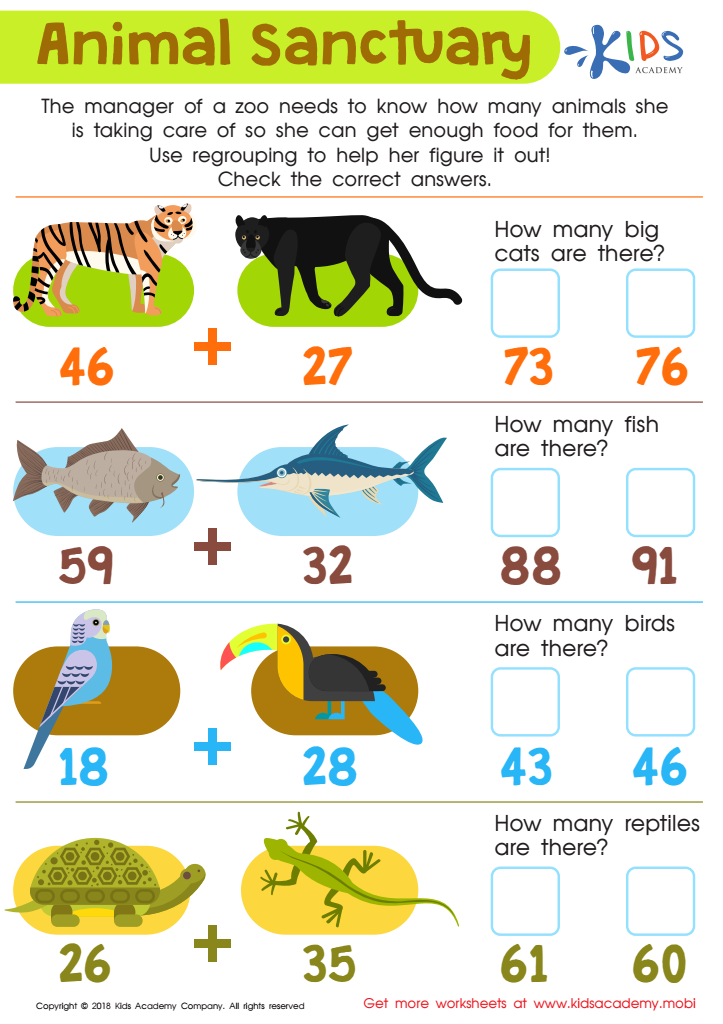
Animal Sanctuary Worksheet
 Assign to My Students








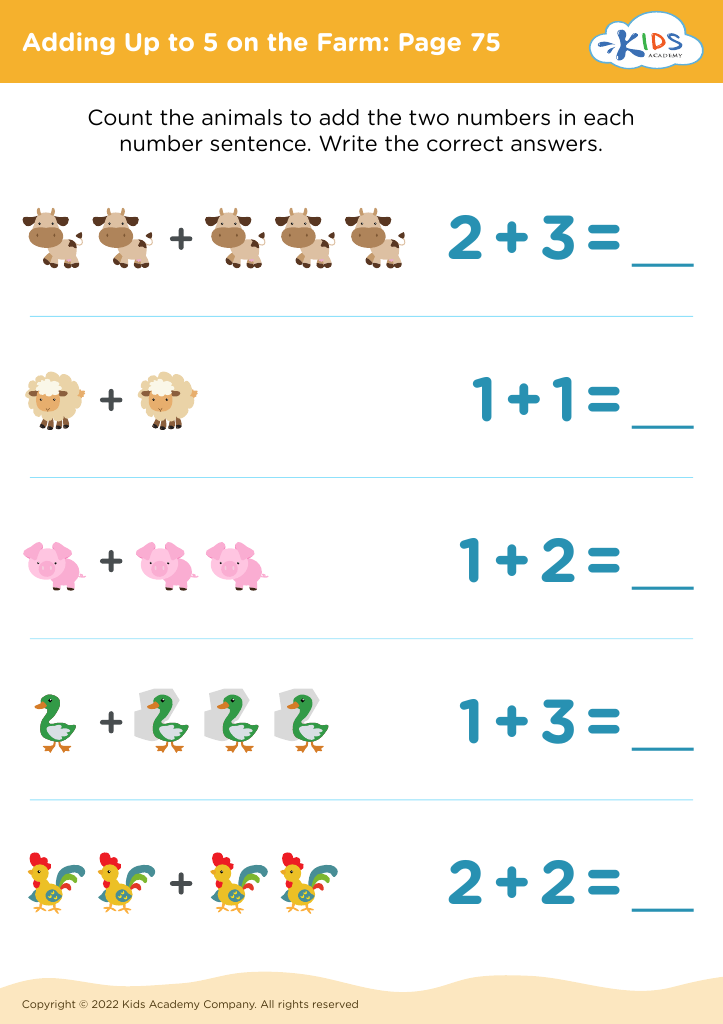
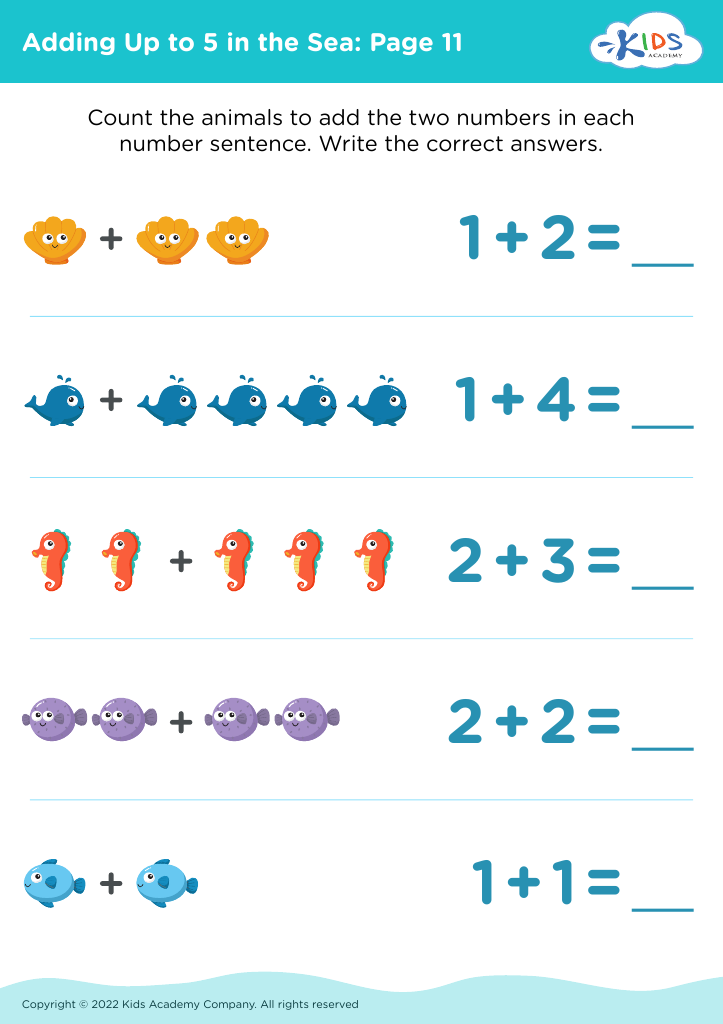
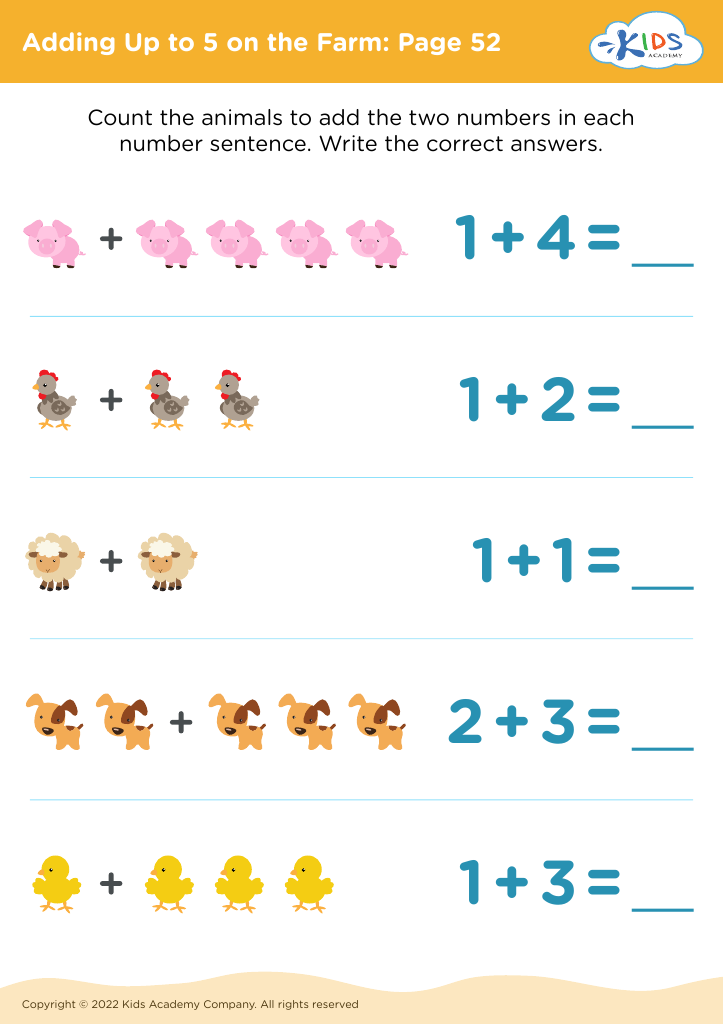
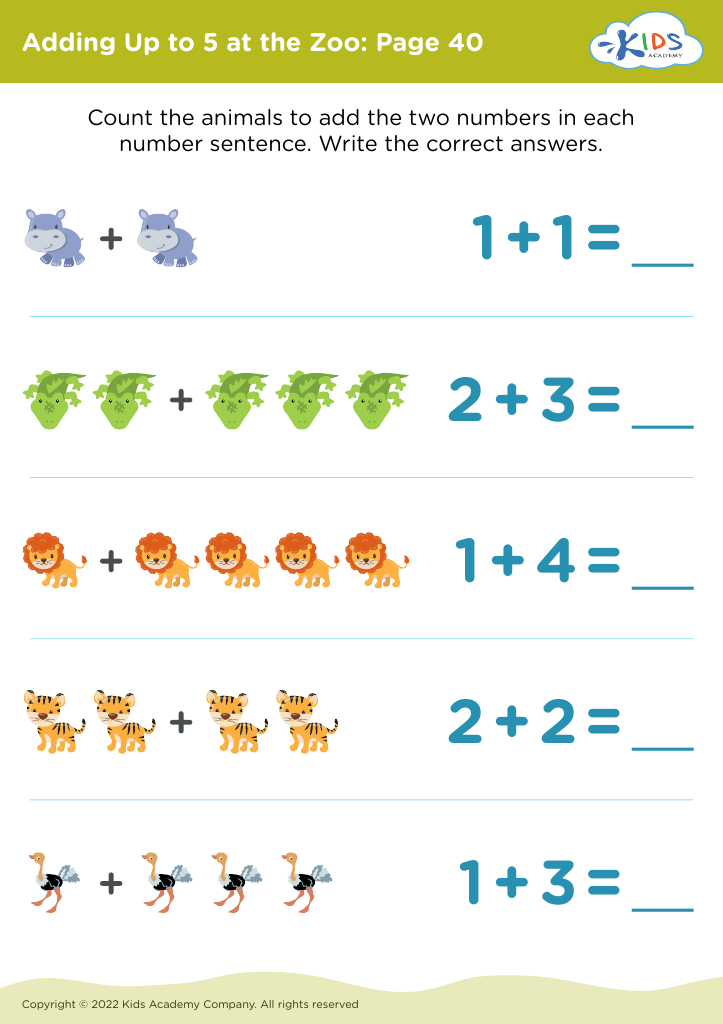
Animal Identification Math is an engaging educational tool that combines learning with the fascinating world of animals, captivating children aged 3-8. Parents and teachers should care about this approach for several reasons. First, it encourages early numeracy skills by incorporating familiar and enticing animal imagery, making abstract concepts like counting, addition, and subtraction tangible and relatable.
Moreover, Animal Identification Math fosters cognitive development as children learn to categorize and identify animals based on various attributes, such as size, color, and habitat. This nurtures critical thinking and enhances observational skills. Additionally, it promotes language development; as children discuss and describe animals, they grow their vocabulary and comprehension.
Incorporating animals also ignites curiosity and nurtures a sense of stewardship towards nature. Children who learn about animals often develop an understanding of biodiversity and empathy towards living things. Lastly, using animals as a theme helps create a positive learning environment. Fun activities related to animal identification can boost motivation and make learning enjoyable, keeping young learners engaged.
Overall, Animal Identification Math not only equips children with essential mathematical skills but also enriches their emotional and social understanding of the world around them. Investing in such interdisciplinary learning benefits children's holistic development.








